

Somehow it feels quietly special to be born in September. The last heat of summer is still hanging around on your skin, but the air has that first, unmistakable nudge of fall, like dry leaves start to smell a certain way, and the gold light, well, it slants lower in the afternoon.
September is a month caught in between, kind of between two seasons, not fully one thing or the other, and the flowers that belong to it show that two-sided calm perfectly.
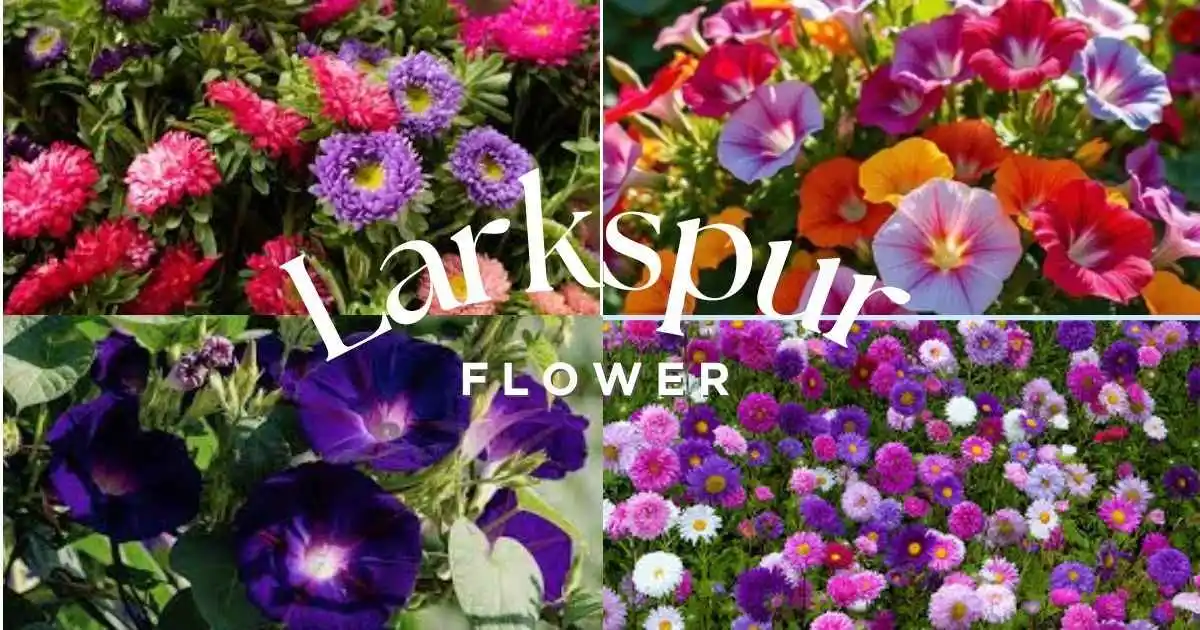
September really has not just one birth flower but two, like the aster and the morning glory. They could not be more different, honestly: one is a hard, star-shaped perennial that shows up with stubborn confidence as the growing season starts to wind down quietly, and the other is a delicate vine, almost short-lived, whose trumpet blossoms open at sunrise and then shut by noon.
Yet, together, sort of right next to each other, they still manage to hint at the whole September mood: enduring affection and brief loveliness, some wisdom that’s been gathered, plus that bright feeling of wonder that’s still kind of fresh and brand new.
If you’re browsing for a September birthday gift, planning some garden time, or hunting for meaningful tattoo ideas, this guide pretty much covers it all.
Like, everything you really need to know about both September birth flowers, their symbolism and history, how to grow them across different US states and climate zones, and also the best ways to use them, depending on what you’re doing.
What Are the September Birth Flowers?
So the two “official” September birth flowers are the aster (in the Asteraceae family) and the morning glory (from the Ipomoea genus). A bunch of different floral traditions have tossed both into September’s vibe.
Each flower comes with its own personality, sort of thing:
The aster is the main September birth flower; it’s a perennial that looks like a daisy and really shows off in late summer and early fall. It’s native across North America and South America.
Morning glory is the secondary birth flower, a fast-climbing annual vine with vivid trumpet-like blooms that open at sunrise, kind of native to Mexico and Central America.
If you were born in September, you carry the symbolism of both, and that mixed meaning is honestly deeply meaningful too.
Read this: April Birth Flower: 7 Beautiful Meanings & Bouquet Ideas
The Aster: September’s Star Flower
What Does the Aster Look Like?
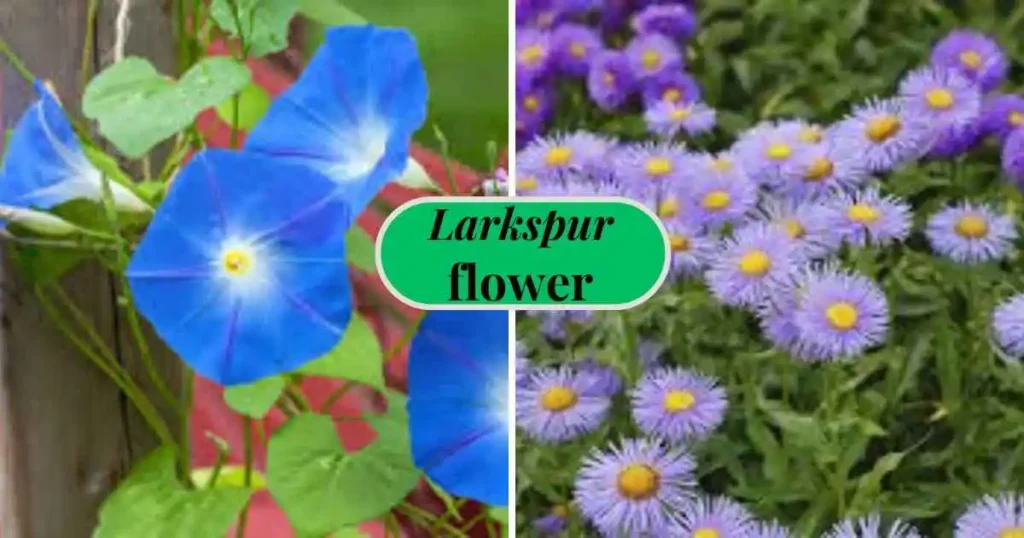
The name “aster” comes right out of the Greek word meaning “star,” and just one look at the bloom tells you pretty quickly why. Each flower is like a perfect starburst, with dozens of thin, elongated petals fanning outward from a bright yellow or white center disc.
You can find them in a lot of colors too—soft lavender, loud purple, deep pink, crisp white, and sometimes red or blue. Most of the time, they grow to between 1 and 6 feet tall, though this really depends on the specific variety.
Asters bloom in late summer and also into fall, so they end up being one of the rare flowers still adding vivid color to the garden after most of the midsummer stuff has faded. If you have ever walked through a garden in late September and seen a little cluster of asters still doing their thing, you already know how welcome that color feels.
Aster Symbolism and Meaning
The aster carries rich symbolism that has shifted through different cultures and a whole bunch of centuries:
Love and devotion:
In Victorian flower language, asters symbolized a deep, enduring love. You would gift someone asters, and, in that subdued little language of the time, you were basically saying, “I’ll love you long after the season has changed.”
Wisdom and patience:
The aster shows up kind of late, so people have started reading it like wisdom that comes with time, kind of. It doesn’t hurry at all; it just lingers there until the moment feels right, and then it arrives in a finished way.
Faith and valor:
Long ago, in Greek tradition, asters were burned at altars; people thought it helped chase away wicked spirits. Later, in some parts of Europe, soldiers actually carried them into battle as a sort of emblem of protection and bravery, you know.
Revolution and change:
In Hungary’s Aster Revolution of 1918, this flower rose to prominence as an emblem of the people’s hopes for political reform, and afterward, it gained an unexpected legacy as a symbol of social change.
And yeah, the aster color you pick kind of matters too, because purple asters give off that vibe of wisdom and spiritual insight, kind of like a quiet nudge. White asters are more closely associated with innocence and purity.
Pink asters, on the other hand, symbolize enduring affection. So if you’re picking asters for a September birthday gift, matching the color to the meaning you want to send is a really lovely, thoughtful touch.
Growing Asters in the USA: Zone-by-Zone Guide
One of the best things about asters is that they’re so adaptable, like they just sort of fit wherever you plant them. Most aster varieties do well in USDA Hardiness Zones 3–8, which pretty much cover most of the United States.
Northeast (Zones 4–6: New York, New England, Pennsylvania)
This feels like a prime A-star area. New England asters (Symphyotrichum novae-angliae) are named for the region, and they’ll grow naturally in open meadows across that part of the Northeast.
Put them in during spring, and by September they tend to hit that showiest moment. Give them full sun, and average soil is fine too—no need for extra pampering or fine-tuning.
Midwest (Zones 4–6: Ohio, Illinois, Missouri, Michigan)
Asters are native wildflowers throughout the Midwest, and honestly, they’re among the easiest perennial plants you can manage here. They cope well with cold winters, return reliably in spring, and in fall they pull in migrating monarch butterflies. It’s an ecological bonus beyond the flowers’ appearance.
Southeast (Zones 7–9: Florida, Georgia, and the Carolinas)
In the warmer Southeast, I’d say you should keep an eye out for heat-tolerant types like Symphyotrichum oblongifolium (aromatic aster) or Stokesia laevis (Stokes aster); they cope with southern moisture a lot better than the more northern sorts.
For Florida folks in Zone 9, the native Symphyotrichum carolinianum is a solid pick, a coastal climbing aster that really likes those humid days.
South Central (Zones 7–9: Texas, Louisiana)
Texas and Louisiana gardeners generally do very well with aromatic asters; they handle dry heat well once they’re settled in. Put them somewhere that gets afternoon shade, especially during the hottest stretch, to cut down on stress and weird wilting.
Pacific Coast (Zones 8–10: California, Oregon, Washington)
In California, you can also enjoy beautiful homegrown asters, such as Symphyotrichum chilense (Pacific aster). Along the coast, asters tend to be that reliable fall garden basic, the one you don’t skip. In Oregon and Washington, the familiar New England aster can thrive, mainly because the maritime climate stays a bit milder and less harsh overall.
Read this: Conical Flowering Plants: 5 Best Varieties & Growing Tips
Rocky Mountain and Desert (Zones 5–7: Colorado, Arizona, Nevada)
In drier climates, it’s better to pick drought-tolerant asters and improve your soil with compost before planting. Once established, quite a few aster types tolerate moderate dryness well. Try not to plant in low areas where water collects, as that can cause problems.
Basic Aster Care Tips
Sunlight:
Full sun, at least 6 hours or more every day
Soil:
Well-draining but still moderately fertile, pH about 5.8–6.5
Watering:
Give regular water while it is establishing; then later it becomes fairly drought-tolerant once mature
Pruning tip:
In early June, pinch back the stems to encourage a more bushy habit and help stop the plants from flopping around; this is a method suggested by the Chicago Botanic Garden
Deadheading:
Take off the spent flowers so it keeps flowering past October, and sometimes even into November
Dividing:
Every 2–3 years, split up the clumps in spring to keep them strong and lively
Safety note:
Asters aren’t edible. They have certain compounds that can trigger skin reactions in some people, especially sensitive folks. Wear gloves when handling larger amounts, just in case.
The Morning Glory: September’s Sunrise Flower
What Does the Morning Glory Look Like?
If the aster is steady and long-lasting, the morning glory is its opposite, most wonderfully. Each separate bloom has a short life, for one day only, opening at sunrise and shutting by early afternoon, but the plant keeps churning out hundreds of new blooms without pause from midsummer right through the first frost.
So you end up with a vine that’s covered in vivid trumpet-shaped flowers each morning, and it almost feels like a daily little gift.
The most familiar morning glories are the deep blue-purple of Ipomoea purpurea, though they also show up in pink, red, white, and even this striking, deep magenta. The foliage has large, heart-shaped leaves that give the vine a lush tropical vibe, and it can totally transform a fence, trellis, or even a pergola in just one season.
Morning Glory Symbolism and Meaning
Since each morning glory bloom opens right at sunrise and then closes again a couple hours later, the plant ends up carrying a kind of meaning that circles around impermanence and renewal too, or something along those lines you prefer to call it :
New starts: Every morning the vine is just there, handing you a fresh batch of blossoms like it doesn’t even ask questions; it’s almost casual about it. For September babies, the morning glory is kind of really about restarting, about coming back again and again. And you stay renewed, even if yesterday was messy or heavy or just not great, not at all.
Tenderness and love: In the language of flowers, morning glories have been tied, for a long while, to deep affection. It’s kind of as if the bloom is whispering something as I hold close every moment with you, and yes, even the quick ones that slip away.
Unreturned affection: In the Victorian era, that brief everyday opening was linked to the ache of loving someone who can’t give love back. There’s also the Chinese story of two star-crossed lovers, separated by the gods and allowed to meet only once a year, and the morning glory is used to echo that longing, giving the whole thing a kind of soft, poetic weight.
Fleeting life and re-beginning: Japanese culture also connects the morning glory with the Buddhist idea of “mono no aware,” a bittersweet awareness in which beauty matters partly because it doesn’t stick around. And no, it’s not only a sad meaning. It’s more like an invitation to notice, to pay attention, to be present.
Growing Morning Glories in the USA: Zone-by-Zone Guide
Morning glory is an annual vine that does really well in USDA Zones 3–10, so it ends up being one of the easiest flowers to grow across the country. It won’t hang on through frost, though, but it grows so fast that you can basically get flowers almost anywhere in the US during the warm season.
Important Heads Up For Us Gardeners
A few morning glory species, mostly Ipomoea purpurea and Ipomoea tricolor, are considered invasive in parts of the South, Southeast, and California.
So it is smart to check with your local agricultural extension office before you plant anything, because you know, rules can be different. In places like Florida and Texas, you can choose native look-alikes, such as Ipomoea cordatotriloba (tie vine), if you want that same ornamental vibe without the ecological downside.
Northeast (New England, Mid-Atlantic)
Plant seeds outside after your last frost date, which is usually late May in most of the Northeast. Morning glories don’t love transplanting, so it’s better to sow straight into the soil. Expect bloom time from July through frost, and up here that means you may still see flowers running into October.
Midwest
Pretty much the same planting rhythm as the Northeast, though maybe a little more “go go” once it gets hot. Morning glories enjoy those warm Midwest summers, and they will absolutely sprint up whatever support you hand them.
A lot of the time, they reseed themselves, too, and then somehow show back up the next year in warmer pockets of your yard or microclimate.
Southeast and Gulf Coast (Florida, Georgia, the Carolinas, Louisiana)
Out in the Southeast, morning glories act almost aggressively once the temperatures crank up, especially with that heat plus humidity. So do a quick check of invasive species lists for your particular state, because rules vary.
Also, Florida gardeners might want to consider the native Ipomoea pes-caprae (beach morning glory), since it’s a gorgeous option, more ecologically friendly, and handles coastal salt air really well.
Texas and the Southwest
Morning glories kind of like that Texas heat, but they really need a steady watering routine when it gets hottest, like in peak summer. In desert-style climates, say Arizona or Nevada, try for some afternoon shade, and water a bit more often, not just once.
They enjoy the warmth, sure, yet they also want a small cushion against the most extreme conditions out there; otherwise, the plant growth can get sluggish, or the leaves can wilt quicker than you’d expect.
Pacific Coast (California, Oregon, Washington)
Along the CA coast, morning glories can start acting kind of like invasive weeds, especially in those milder seaside pockets, so you should check the local rules first, just to be safe. After that, in Oregon and Washington, they’re usually fine to cultivate, and they’ll bloom in a pretty prolific manner during the warmer summer stretch.
Basic Morning Glory Care Tips
Sunlight: Full sun; they really need it, and they tend to like it more than you’d think
Soil: It is fairly adaptable, but it prefers well-draining soil. Try not to use overly rich ground, as that mostly feeds green growth rather than flowering.
Seed preparation: Lightly nick the tough seed coat with a nail file or just let it soak overnight in warm water before sowing. This speeds things up a lot, like germination, which goes from 2–3 weeks to 5–7 days.
Support: Put in a trellis, a fence, or a wigwam from the beginning. Morning glories get climbing pretty fast.
Watering: Keep it moderate; don’t let the roots sit in soggy soil
Toxicity warning: Morning glory vines and flowers are poisonous, so they should not be consumed. The seeds have compounds that are similar to LSD, and they’re especially risky. Keep them away from kids and pets
Invasiveness: Look up local rules before you plant, especially in parts of the southern US and California.
September Birth Flower Meanings by Zodiac Sign
September kinda splits across two zodiac signs, and somehow it all fits in a really pretty way with a birth flower for each one.
- Virgo: It runs from August 23 to September 22, and Mercury rules it, so it leans into analysis, patience, close attention, and that steady, devoted service.
- The aster (which really stands for wisdom, enduring love, and a quiet sort of devotion) feels like this natural Virgo match. And if you want the classic version, purple aster is usually the go-to.
- Libra runs from September 23 to October 22. Ruled by Venus, Libra kinda leans into balance, beauty, harmony, and a connection that feels real and doesn’t drift away too quickly.
- The morning glory, brief but still romantic, also stands for that day-to-day kind of renewal of love, which matches Libra energy pretty well. Blue morning glories, linked to peace and harmony, are honestly the best bloom for Libra.
September Birth Flower Gift Ideas
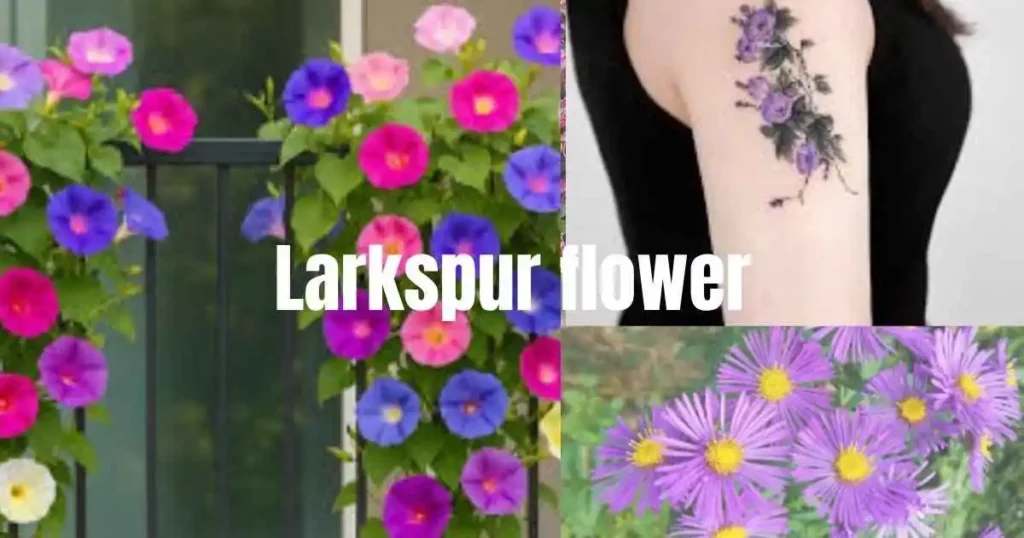
Both asters and morning glories make thoughtful birthday gifts for people born in September, and they feel more personal than a plain bouquet. Here are a couple of ideas that go beyond, you know, handing someone a bunch of flowers.
Fresh Flower Arrangement
If you can get purple asters plus a few trailing morning glory vines (assuming your florist has them), a mixed arrangement makes a really striking September birthday bouquet. Asters on their own also work great as cut flowers; they keep their color well and typically sit nicely in a vase for about 5-7 days.
Potted Aster Plant
A potted Symphyotrichum novae-angliae ‘Purple Dome’ that compacts into an 18-inch size becomes a living gift that will bloom with a steady kind of confidence every September for years. It’s pretty straightforward to grow in Zones 4-8 and needs almost no maintenance, which is always a win.
Morning Glory Seed Packet
For your gardening pals, this is a small little packet of heirloom morning glory seeds, tied up with a note someone wrote by hand about what the bloom “means” symbolically. It’s not expensive at all; it feels personal, and honestly, it lands as a genuinely meaningful gift.
Birth Flower Jewelry
Aster and morning glory themes show up in sterling silver pendants, gold-filled earrings, and even pressed-flower resin jewelry. On Etsy, it looks like there are hundreds of handmade options, many made by small American craftspeople, so it feels oddly personal.
Birth Flower Candle Or Print
For September birthdays, consider a morning glory candle (sometimes blended with floral or autumn scents) and pair it with a botanical art print. These feel like sweet, personal gifts for someone who… doesn’t garden.
September Birth Flower Tattoo Ideas
Birth flower tattoos have turned into one of the more popular and personal tattoo types in the US, and September’s combo of aster and morning glory feels kind of right for beautiful artistic options.
Aster Tattoo Ideas
The aster has a star-like structure that really lends itself to delicate, fine-line work. People often choose placements like the wrist, inner forearm, collarbone, or ankle. Using purple or even lavender ink helps bring out the flower’s symbolism of wisdom.
A lot of folks also associate an aster tattoo with the birth month (September) or add a loved one’s name nearby.
Morning Glory Tattoo Ideas
A morning glory vine is great for designs that feel like they’re moving, wrapped, and loosely braided together. A morning glory vine curling around the forearm or ankle, or climbing up the calf, is super common. The trumpet-shaped bloom can also stand on its own as a single focal piece. Blue and purple inks are usually the most requested.
Combined September Birth Flower Tattoos
Putting an aster and a morning glory together in one layout creates a visually layered tattoo; it can hold the whole vibe of September: enduring love and quick beauty, wisdom and pure wonder, all in one idea. A bunch of tattoo artists add autumn leaves, or the September harvest moon, to make the whole thing feel more seasonal and complete.
Design styles to consider:
I recommend the fine-line botanical illustration, watercolor, and the more traditional American vibe; they all play well with both kinds of flowers. For smaller spots, like a wrist placement or a small patch on the ankle, the fine-line look, or minimalist designs, tends to be the go-to.
But if it’s a bigger piece, then watercolor or botanical realism usually ends up giving you those standout results, kind of softer but still really detailed.
For estimated costs in the USA, you’ll usually see $100–$300 for smaller work, while more detailed pieces can run $400–$900. It really depends on which city you’re in, how experienced the artist is, and whether the final composition turns out to be more intricate than expected.
Conclusion
September is honestly one of the more interesting months to be born in. It sits at this real turning point; summer isn’t quite done yet, and fall has not quite begun, but it feels like both are standing nearby. Like you can almost catch them out of the corner of your eye, if you pay attention for a second.
And the two birth flowers for it kind of mirror that whole mood in a way that seems almost poetic.The aster keeps blooming while everything else is tapering off, steady and faithful, full of color when the season wants to drift a little gray.
The morning glory opens with the sun every single morning, with no worry at all about how brief that little window is, just fully present for it.
If you were born in September, or you love someone who was, these are your flowers. Grow them, give them, or carry them in ink. They’re a really nice way to celebrate a month that knows how to balance what lingers with what is fleeting and somehow finds value in both.
Frequently Asked Questions
What is the official September birth flower?
September has at least two birth flowers: the aster (as the main one) and the morning glory (as the secondary). The aster is more widely known, but honestly, both are still officially linked to the month in many of today’s floral traditions.
What does the September birth flower symbolize?
The aster kind of stands for love, wisdom, steadiness, and faith, and those qualities feel connected to staying devoted through time. Then the morning glory, well, it sort of signals fondness, renewal, and that particular sort of beauty that comes with fresh, brand-new beginnings.
Put them next to one another, and it hints at September being two-faced, like that constant love, plus the way we notice the brief, fast, beautiful moments as they pass by.
Can I grow September birth flowers in my US state?
Yes, pretty much. Asters tend to live in USDA Zones 3-8, which covers most of the continental US, and that’s about it. Morning glories usually manage in Zones 3–10, so they’re a bit more flexible.
Still, before you plant morning glories in Florida, California, and those parts along the Gulf Coast, please look at the invasive species guidelines.
Are asters and morning glories safe for pets?
No, both flowers can be harmful to pets. Asters can cause mild gastrointestinal upset in dogs and cats, and it’s not exactly dramatic, but it can happen. Morning glory is a bit more dangerous overall, especially the seeds, so it’s best to keep it out of reach for both pets and small children.
What is a good birthday gift using September’s birth flowers?
A potted Purple Dome aster is one of the best September birthday gifts; it kind of blooms every year in September, so that birthday link renews itself annually. Fresh aster bouquets, birth flower jewelry, and also morning glory seed packets are thoughtful too, in case you want options that feel a little more personal.
What color aster is most popular for September birthdays?
Purple and lavender aster flowers are, by far, the most popular choices for September birthdays, both in bouquets and as tattoo designs. They’re also pretty tightly tied to the idea of wisdom along with devotion and meaning, which kind of lands well with that whole Virgo-born-in-September crowd.
Is morning glory invasive in the United States?
A few morning glory kinds are, you know, considered invasive in certain parts of the Southern US as well as in California. Before you plant, it’s best to ask your local cooperative extension service, just to be safe.
There are also native look-alikes, such as Ipomoea pes-caprae in Florida or Calystegia species in California, that share the same lovely vibe without the ecological risks that can come with non-native plants.
What is the difference between September’s two birth flowers?
Asters are perennial flowers, sort of structured and star-like; they come out in fall, and they seem to come back each year, like clockwork. Morning glories, on the other hand, are annual vines with blooms that only last for a day; they climb pretty aggressively when the weather warms up.
Asters say enduring love, plus wisdom, while morning glories lean more toward fleeting beauty and sweet affection.
