


Introduction
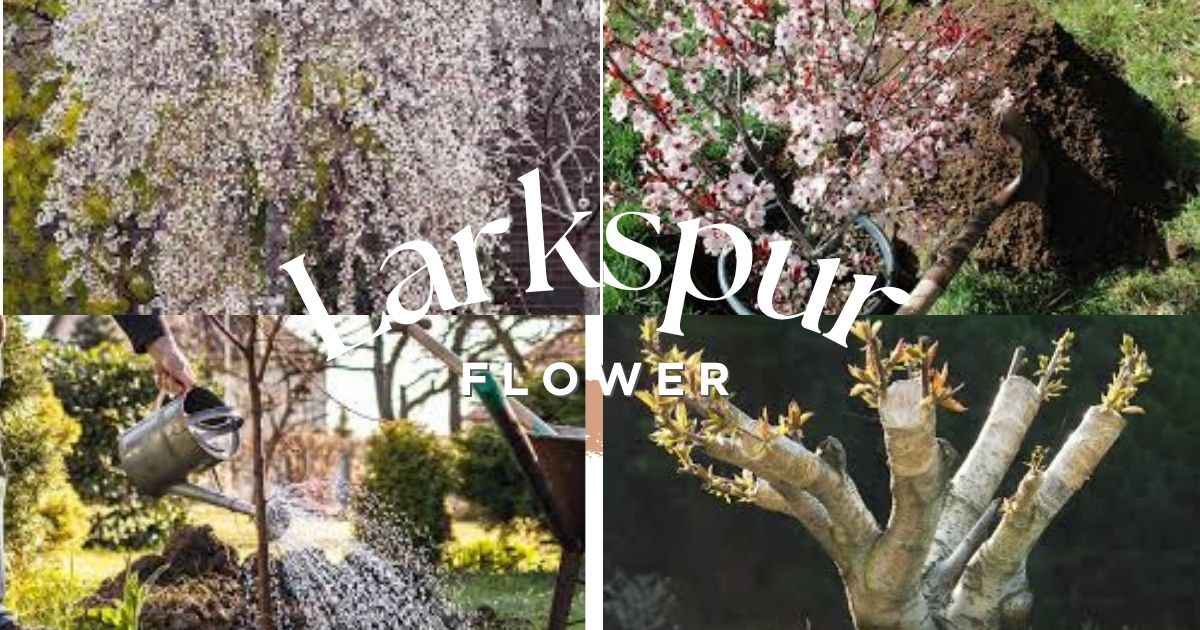
Weeping cherry planting tree is one of the most rewarding landscaping projects for homeowners seeking dramatic spring color and year-round visual interest. Few ornamental trees match the effect of a mature weeping cherry with its drooping branches and soft pink or white blossoms. These trees are perfect for planting as focal points in the front yard, near patios or beside walkways, automatically creating a more elegant landscape.
Even though they are popular, many gardeners struggle in the first few years because successful planting takes more than just digging a hole and watering now and then. Drainage, planting depth, spacing, and early care will determine whether your tree becomes a permanent fixture in the landscape or develops stress problems.
There are many guides online that describe the basics. But they rarely provide practical information, e.g., how to measure the planting depth correctly, how to work with heavy clay soils, how to protect young trees from heat stress, or how to modify care based on climate zones. The guide focuses on those details, and the recommendations are practical for the American gardener.
Healthy trees that flower beautifully for decades can be grown by beginners if they understand how these ornamental trees grow and what they need during establishment.
What is a weeping cherry planting?
Weeping cherry planting trees are ornamental varieties of cherry grown primarily for their cascading branch structure and profuse flowers in the spring. Instead of growing straight up, the branches grow downward naturally, giving them their signature umbrella shape.
Many cultivars are planted in residential landscapes. Some are fairly compact; others grow into large statement trees.
Dwarf forms are smaller, growing 8 to 12 feet tall and wide. Medium cultivars are usually 15 to 20 feet tall. Larger specimens can exceed 25 feet under ideal conditions.
Mature size dictates spacing requirements, pruning needs, and where to locate them in your landscape, so it is important to choose the right variety before you plant.
Unlike fruiting cherry trees, ornamental weeping cherry planting trees are usually grown for their beauty rather than for fruit production.
The appeal of Weeping Cherry Planting in the American landscape
They are versatile. That’s part of their appeal.
They are surprisingly adaptable trees for the landscape, working equally well in suburban lawns, cottage gardens, Japanese-inspired landscapes, and formal garden layouts.
Their seasonal value is also attractive.
Spring is dramatic in its bloom.
Summer brings soft green leaves.
In fall, warm yellow or bronze tones.
Winter displays elegant branch architecture.
Few ornamental trees offer interest in all four seasons in the same way.
Choosing the Best Location Before Planting
Location preference is perhaps the most important factor influencing flowering, disease resistance, and long-term health.
Weeping cherries do best in areas that receive six to eight hours of direct sunlight a day. Partial-shade trees tend to bloom less and grow more slowly.
The best time to water is in the morning because leaves dry more quickly and there is a lower risk of fungal problems.
Do not plant in very crowded places.
A tree too close to fences, garages, walls, or other large trees often struggles due to limited airflow.
As a practical example, if a mature tree spreads 20 feet wide, allow at least 10 feet of open space around all sides whenever possible.
Low spots where water pools after rainfall should also be avoided.
Standing water is among the most common causes of root decline.
Knowing Soil Requirements Before You Plant
Roots need as much oxygen as they need moisture to be healthy.
Loose, fertile soil that drains well after rain should be used for planting weeping cherry.
Loamy soil is usually the best balance, as it holds moisture while still allowing air to move.
Heavy clay soils are problematic because roots stay wet for too long.
If your soil is still muddy days after a rain, improve drainage before planting.
A simple home test is very effective:
Make a hole about 12 inches deep.
Fill with water.
If water still stands after 24 hours, you will generally need to improve drainage.
Often, mixing in some compost in the planting area greatly improves the structure.
Soil pH. The preferred soil pH is generally 6.0 to 7.0.
In this range, nutrients are more readily available to the roots.
Best Time of Weeping Cherry Planting
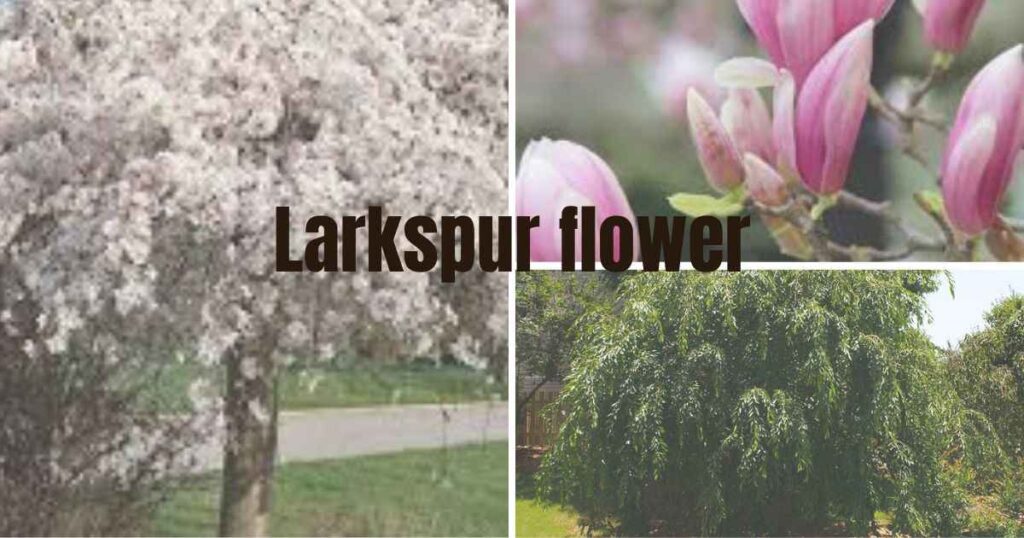
Timing determines rate of establishment and stress levels.
In most northern climates, spring planting is usually best.
In most northern climates, plant after the danger of frost has passed but before summer heat sets in. In the South, fall planting often yields better results because roots continue to grow during the cooler months.
Avoid planting in the heat.
Trees transplanted in summer heat may need more water and be more stressed during transplanting.
The most practical time to plant for many areas is between March and May or September and November, depending on climate.
Preparing the Hole Correctly For Weeping Cherry Planting
One of the biggest planting mistakes is digging holes too deep.
Tree roots need oxygen near the soil surface.
Dig the hole only as deep as the root ball, but two to three times as wide.
For instance,
If the root ball is 14 inches tall, your hole should be that deep.
Extra width helps roots spread outward faster.
Extra depth often creates settling problems that bury trunks below grade.
Weeping Cherry Planting: Step-by-Step Guide
Start by gently removing nursery containers.
Sometimes roots get potbound, running tightly around the rootball.
Loosen these roots slightly before planting.
Place the tree in the hole and locate the root flare.
The flare should be above adjoining soil.
Backfill slowly with native soil lightly mixed with compost.
Do not pack the soil tightly.
Hand firming removes most of the larger air pockets, leaving enough room for roots.
Water well after planting.
Most ornamental trees should get 10 to 15 gallons for the first watering.
Watering in the First Year
New trees need steady moisture while roots develop.
Deeper watering produces stronger roots.
Water too lightly and you encourage weak surface roots.
In mild weather, once or twice a week is often enough.
They occur more often during heat waves.
Quick moisture test:
Stick your finger in the soil 4 to 6 inches deep.
Usually, dry soil at this depth indicates that watering is needed.
But overwatering does more damage than underwatering.
Soil that is constantly saturated limits oxygen to roots.
Mulching Around Newly Planted Trees
Mulch provides insulation for root systems.
Spread two to three inches of mulch around the root zone.
Keep the mulch several inches away from the trunk itself.
Mulch volcanoes hold moisture against bark, which promotes disease.
A mulch circle three to four feet wide often works well for young trees.
Organic mulches include shredded bark, wood chips, or leaf mulch.
Post-planting fertilization
Too many gardeners fertilize too much.
If you have just planted a tree, it needs roots more than it needs top growth.
Wait until next growing season for heavy feeding.
Balanced slow-release fertilizers are best.
Too much nitrogen results in lush foliage at the expense of flowering and weakens branches.
Compost applications are often enough for establishment nutrition.
Young Tree Staking
You don’t have to stake every tree.
Use support only if trees are too inclined or are exposed to high winds.
Sometimes improper staking can cause weak trunk development.
If staking is needed:
Use flexible ties.
Allow some movement.
Remove supports after one season of growth.
Movement, of course, makes trunks harder.
Common Problems After a Weeping Cherry Planting
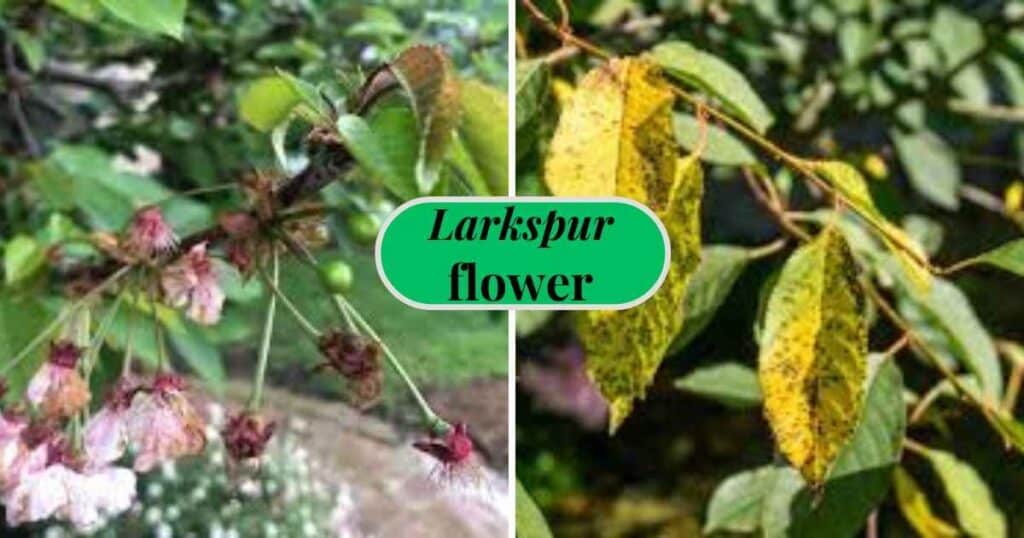
Leaf Curl and Yellowing
Often associated with water stress.
Overwatering and underwatering cause the same symptoms.
Root Rot.
Generally caused by bad drainage.
Soft bark near the base can be a sign of trouble.
Low Bloom Production
Often linked to:
Too shady
Too much fertilizer
Youth
Wrong pruning
Fungal Diseases
Fungal problems can sometimes arise in humid conditions.
Good spacing and airflow greatly reduce the risk.
How to Properly Prune Weeping Cherry Trees
Pruning fosters growth and makes plants healthier.
Pruning:
Broken branches
Crossing limbs
Dead growths
Don’t take off too much at once.
The best time for heavy pruning is usually just after the flowering is finished.
Over-pruning in winter can decrease spring blooms.
Weeping Cherry Planting Trees Landscaping Ideas
Change the placement, and the visual impact is dramatically different.
Typical applications are the following:
Specimens for the center lawn.
Focal points for patios
Entrances to gardens
Features a water feature.
Framing a Walkway
For example, plant underneath with spring bulbs such as daffodils to extend the seasonal color and complement flowering periods.
How to Grow Weeping Cherry Trees in Small Yards
For small spaces, choose cultivars carefully.
Dwarf varieties are ideal where larger trees would be too much for the available space.
Measure planting areas before purchase.
Don’t plant a tree that will grow to 15 feet wide in a 10-foot space.
Future growth planning prevents costly removals later. For more information about seed click here.
Winter Care for Newly Weeping Cherry Planting
First-year trees need special winter care.
Mulch moderates temperature fluctuations.
Wrapping trees can help avoid bark splitting in hard winters.
Winter dehydration kills roots. Water the well before the ground freezes.
When Do Weeping Cherry Trees Flower?
The flowering rate varies.
Some nursery trees will bloom right away.
Young trees may not be at their best for two or three seasons.
First, root establishment.
Patience usually leads to better long-term growth.
Conclusion: Weeping Cherry Planting
Success with weeping cherries is not just a matter of luck. Preparation is key. Sunlight, soil drainage, planting depth, watering habits, and spacing all add up to healthier trees and stronger flowering performance. Most planting failures are due to planting trunks too deep, poor site selection, and overwatering young trees.
“Homeowners who pay attention to root health in the first year set stronger foundations for decades of spring blooms and elegant cascading branches.”
If you plant it right, a weeping cherry planting will eventually be more than just another ornamental plant. It becomes a defining feature of a whole landscape.
FAQs
How deep do you plant weeping cherry trees?
Plant so that the root flare is just a little bit above the surrounding soil level.
Are weeping cherry trees fast-growing?
Most species grow at a moderate rate, often a foot or two a year under optimal conditions.
Can weeping cherry trees tolerate clay soil?
Yes, but often the drainage needs improvement.
How much water does a newly weeping cherry planting need?
A newly planted weeping cherry needs plenty of water to help it get established.
Most young trees need one or two deep waterings a week while establishing.
How long do weeping cherry trees last?
Proper care can mean a healthy specimen will live 30 to 40 years or longer.
