

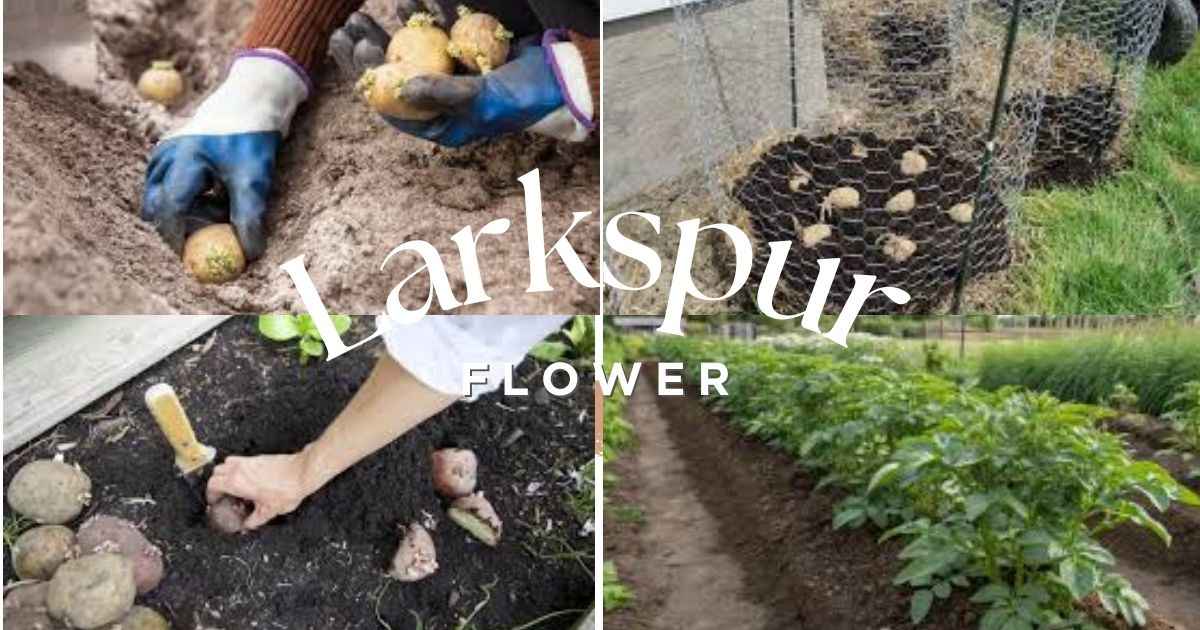
Potatoes are among the easiest and most satisfying vegetables to grow, whether you have a backyard, raised beds, or even small containers. The excellent news is that if you are learning how to grow potatoes for beginners, tubers require simple care, adapt to different climates, and yield generous harvests with minimal effort. There are many ways to grow healthy potatoes at home, from traditional garden rows to creative vertical towers and containers.
These highly versatile root vegetables grow well in most parts of the United States and can produce a fresh harvest for months if planted properly. Buttery baby potatoes, large baking potatoes, and colorful heirloom varieties-growing them yourself gets you fresher flavor and better quality than anything you’ll find in the store.
In this post, you will learn all about successfully planting, caring for, and harvesting potatoes. You’ll also learn how to grow potatoes in a container, in a tower, and even in water for educational or indoor gardening.
Reasons to Grow Potatoes in Your Own Garden
There are many benefits to growing your own potatoes, beyond just saving money at the grocery store. They are productive, easy for beginners to use, and surprisingly flexible.
Advantages of Growing Potatoes:
- Simple for novices to grow
- Small space, big results
- Great for containers and raised beds
Many styles to choose from
- Longer shelf life
- Great family project for gardening
- Improved flavour and texture
Potatoes also do well in cooler climates and can be planted earlier than many summer vegetables.
The Basics of Potato Growth
Potatoes grow from underground parts of the tuber called “seed potatoes” or “potato seeds.” In most cases, these are not real botanical seeds. Gardeners instead plant small potatoes or pieces with growing eyes.
As the plant matures, tubers are produced on the underground stems. Healthy above-ground foliage is important because leaves absorb sunlight and transfer energy to developing potatoes.
Understanding this growth cycle helps gardeners maximize their harvest.
How to Grow Potatoes: Selecting the Best Potato Varieties
Various types of potatoes take different amounts of time to grow and cook differently.
Early Potatoes.
- They take 70 to 90 days or so to get ready.
Examples are:
- Yukon Golds
- Red Norlands
- Irish Cobblers
Best for:
- Small gardens
- Rapid harvests
- Fresh Eating
Mid-Season Potatoes
- These take about 95-110 days.
Common choices:
- Kennebec
- Purple Viking
- Golden Rush
Potato Late Season
Late varieties require the longest growing time but store exceptionally well.
My work has been varied, and I’ve consistently been helpful. I’ve worked in several different fields, but I’ve always tried to be useful.
- Russet Burbank
- German Butterball
- Russet Canela
How to Grow Potatoes: Seed Potatoes and Potato Seeds
Many people start a garden and look for potato seeds. In the common gardening vernacular, potato seeds usually refer to seed potatoes rather than to true seeds.
Seed potatoes are disease-free tubers specially prepared for planting. Certified seed potatoes help reduce problems such as blight and rot.
Don’t plant potatoes from the grocery store because they may
- Transmit diseases
- Sprout inhibitors are used to treat these issues.
- Make plants weaker
Potato Planting Times
Timing is crucial for growing potatoes.
Northern States
Plant potatoes:
- Early spring
- 14 to 28 days before the last frost
Southern States
Plant:
- Late winter-early spring
Potatoes like cool weather and grow best when soil temperatures are between 45°F and 75°F.
How to Grow Potatoes: Optimal Soil Conditions for Potatoes
Good soil grows excellent potatoes.
Soil Needs
Potatoes like:
- Loose earth
- Good drainage
- pH 5.0-6.5, mildly acidic
- Rich organic material
Compacted soil can lead to misshapen tubers.
Soil Preparation Before Planting
Add:
- Organic matter
- Manure, aged
- Leaf Mould
- Natural fertilization
Too much application of nitrogen will encourage leaf growth rather than tuber growth, so avoid it.
How to Prepare Seed Potatoes
Proper preparation of seed potatoes improves germination and yields.
How to Cut Big Potatoes
If the potatoes are large:
- Slice them into chunks
- Ensure each piece has 1-2 eyes
Let cut pieces dry for 1-2 days before planting. This forms a protective callus that helps prevent rot.
Potato Chitting
Chitting is the practice of pre-sprouting potatoes before planting.
They put:
- In bright indirect light
- In a cold room
Green sprouts encourage faster growth after planting.
How to Grow Potatoes for Beginners
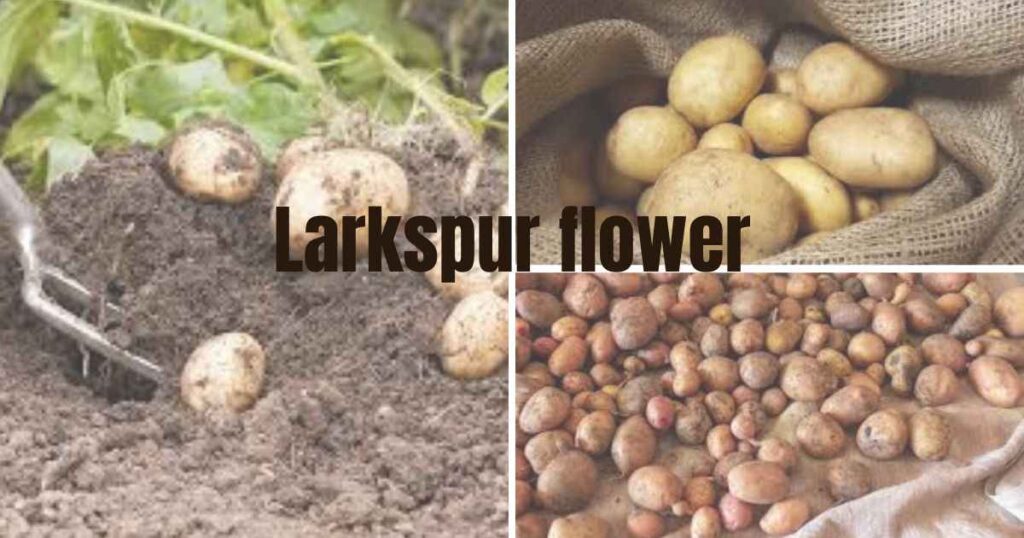
If you are learning how to grow potatoes for beginners, start with the traditional garden-row method.
Step 1: Digging the Trench
Dig trenches:
- 4-6 inches down
- About 2 feet apart.
Step 2: Plant your seed potatoes.
- Place the potato pieces:
- 12 inches apart.
Looking up.
Just cover lightly with soil.
Step 3: Water Frequently
- Keep soil evenly moist, but not soggy.
Step 4: Hill Plants
As plants develop:
- Mound soil around the stems
- Every few weeks, repeat.
- Hilling keeps the developing tubers out of the sun, which can turn potatoes green and toxic.
How to Grow Potatoes at Home From Potatoes
Potatoes are a popular vegetable in many gardens, and many gardeners wonder how to grow them at home from potatoes they already have.
Although certified seed potatoes are the best, sprouted potatoes can grow in home gardens as long as they are healthy and untreated.
Easy Home Method
- Allow the potatoes to sprout
- Chop up with ease
- Let the cuts dry overnight.
- Plant in light soil
- Regular watering
This method is especially good in raised beds and containers.
How To Water Potatoes Properly
Potatoes need consistent moisture to grow steadily.
How Much Water Do Potatoes Require?
Give:
- 1-2 inches of water per week
- Water deeply, not lightly.
Important Watering Stages
The key is moisture:
- Flowering Time
- While tubers grow under the ground
When foliage begins to yellow before harvest, reduce watering.
Potato Plant Fertilization
With proper nutrition, you get a larger harvest.
Top Fertilizer Options
Usage:
- Composting
- Bonemeal
- Organic fertilizers low in nitrogen
Too much nitrogen produces leafy plants and few potatoes.
Feeding Schedule
Use fertilizer:
- At planting time again, when hilling.
Why Is Hilling Potatoes Important
Hilling is one of the most important techniques in potato cultivation.
Advantages of hilling
It works.
- Protect tubers from the sun
- Increase yield
- Plants for the company
- Weed control
Repeat the hill each time plants grow another 6 to 8 inches.
How to Grow Potatoes in Raised Beds
Raised beds are ideal for potatoes, as they provide:
- Improved drainage
- Simpler harvesting
- Soil, lighter
- Less weeds
Plant your potatoes as you would in the ground, but leave enough depth for hilling.
How to Grow Potatoes in a Container
Learning how to grow potatoes in pots or a container is perfect for patios, balconies, and small gardens.
Best Potato Holders
Select:
- Grow bags
- Big Pots
- Buckets with Drain Holes
- Fabric Container
Containers are to be
- 15–20 gallons or so
- Container Growing – 18″ Deep
Steps
Step 1: Put Soil in
- Add a layer of compost 4 to 6 inches deep at the bottom.
Step 2: Sow Potatoes
- Add seed potatoes and cover with soil.
Step 3: Continue to add soil
As the plants grow:
- Gradually add more soil
- Top exposure leaves
- This is like hilling.
Benefits of Container Gardening
Potatoes in containers:
- Need less room
- Simpler to harvest
- Reduced soil-borne disease
How to Grow Potatoes in a Tower
Vertical gardening enthusiasts often try potatoes in a tower.
A potato tower uses vertical space by stacking layers of soil.
Required Materials
You can use :
- Chain-link fence
- Wooden frame
- Tires stacked
- Fabric towers
How to Build a Potato Tower
Step 1: Build the Structure
- Make a tall frame in either a circular or square shape.
Step 2 – Add Straw and Soil
Layer:
- Soil
- Straw
- Compost
Step 3: Layering Potatoes
As you build up, add seed potatoes around the perimeter.
Do Potato Towers Work?
Results depend on:
- Watering regularity
- Design of tower
Many gardeners like towers because they take up less space and make harvesting easier.
How to Grow Potatoes at Home Without Seeds
Some gardeners want to use kitchen potatoes instead, so they look for how to grow potatoes at home without seeds.
This is possible if potatoes sprout naturally.
Tips for Success
If you can use organic potatoes
- Select healthy, firm tubers
- Steer clear of chemically treated potatoes
While homegrown sprouted potatoes may not yield as much as certified seed potatoes, they can still provide a rewarding harvest.
If you want to know how to grow potatoes in water, treat the process as an experiment or educational activity rather than a full-scale harvest system.
The Easy Water Method
- Suspend a potato with toothpicks over water
- Keep the bottom partly underwater.
- Put it in a bright light
The roots and shoots will start growing.
Can potatoes grow entirely in water?
Potatoes can be grown in water, but they usually require soil or another nutrient-rich growth medium for full tuber production.
You can grow potatoes hydroponically, but you need some special gear.
How to Grow Potatoes in Air
Some gardeners search for how to grow potatoes in the air, so there has been some interest in gardening systems (aeroponic gardening systems).
What Is Aeroponic Potato Growing?
Aeroponics is a way of growing plants:
- No dirt
- With roots hanging in the air
- Misting with nutrients
This sophisticated system is used a lot:
- In research laboratories
- Commercial farming
Advantages of Space Agriculture Studies
Advantages of Aeroponic Systems:
- Reduce illness
- Use less water
- Produce clean yams
But they require:
- Pumping
- Timers
- Controlled Environment
Potatoes and Sunlight Requirements
Best for potatoes are the following:
- 6–8 hours of sun each day
- Too much shade can lower yields and promote disease.
Troubleshooting Common Potato Problems
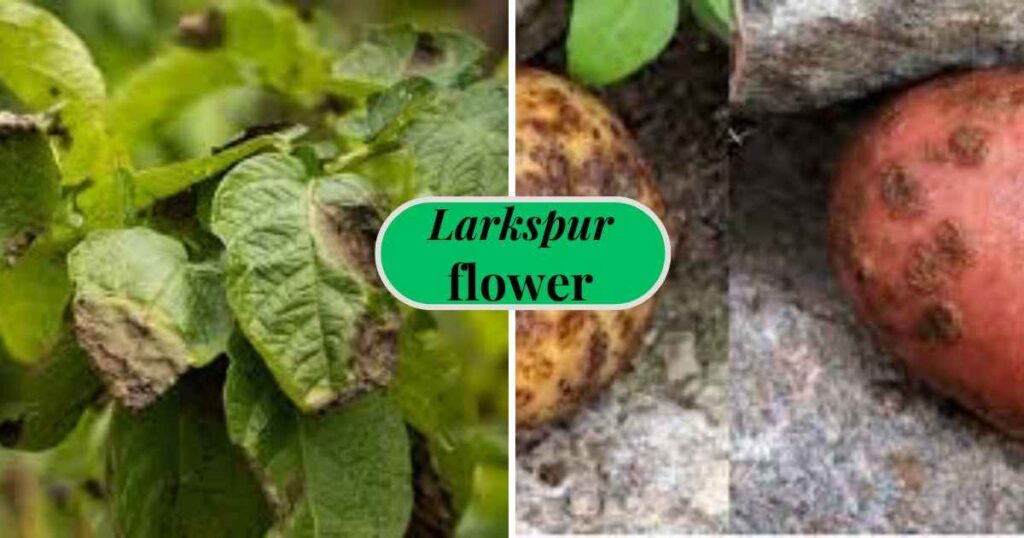
Even simple crops can occasionally have problems.
Potato Blight
Symptoms:
- Dark leaf spots
- Rotting tubers.
By preventing:
- Using healthy potato seeds
- Avoid overhead watering
- Better air flow
Scab
- Produces rough skin lesions.
Mitigate risk with:
- Soil pH.
- Constant dampness
Colorado Potato Beetle
- These pests are voracious leaf eaters.
Control strategies:
Hand Selected
- Oil of neem
- Row Coverings
Companion Plants for Potatoes
Good companion plants are:
- Beans
- Corn
- Cabbage
- Horseradish
- Marigolds
Do not plant potatoes with the following:
- Tomato Paste
- Eggplant Peppers
These crops share diseases in common.
How Long Do Potatoes Take to Grow?
Variety depends on the growing time.
Average Time Frame
Early potatoes: 70-90 days
Mid-season potatoes: 95-110 days
Late potatoes: >120 days
Signs Potatoes Are Ready to Harvest New Potatoes
New potatoes:
- Soon after flowering
- They have thin skins and soft textures.
Mature Potatoes
- Wait until
- Yellowing and dieback of leaves
This allows the skins to harden for keeping.
Harvesting Potatoes
Take care not to damage tubers during harvest.
Tips for Harvest
Application:
- Garden fork
- Hands
- Mini shovels
Gently pull out the potatoes, carefully loosening the soil as you go.
Potatoes: Curing and Storing
Proper storage can preserve freshness for months.
Potato Curing
After harvest:
- Dry potatoes for a few days
- Store in a cool, dark place
- Best Storage Conditions
Store potatoes:
- In the dark 45° to 50° F
- Good ventilation
Do not refrigerate; the cold alters the flavor and texture.
Can You Grow Potatoes Indoors?
Yes, you can grow potatoes indoors as long as they get enough light.
Indoor Growing Supplies
Produce:
- Plant lighting
- Containers deep
- Watering regularly
- Indoor potatoes usually do best in a sunny room or greenhouse.
Top Tips For Bigger Potato Yields
For maximum production:
- Select healthy seed potatoes
- Regularly Hill
- Water regularly.
- Change crops each year.
- Add compost.
- Early-stage disease prevention.
Small improvements can make for dramatically larger harvests.
Newcomer Mistakes to Avoid: Planting Too Soon
- Seed potatoes can rot in cold, wet soil.
- Too much watering
- Too much water encourages disease.
- Skip Hilling
- Exposure to the sun may turn potatoes green.
- Improper Soil Utilization
- Compacted soil does not support tuber growth well.
Potato Gardening Tips For Sustainable Gardening
Sustainable gardening practices enhance soil health for years to come.
Smart Ideas for Sustainability
- Composting kitchen waste
- Mulch around plants.
- Rotate where you plant
- Rainwater harvesting
- Keep chemicals to a minimum
These methods promote better harvests and better gardens.
Conclusion: How to Grow Potatoes
One of the most satisfying things home gardeners can do is learn how to grow potatoes. Potatoes are productive, versatile, and perfect for gardens large and small, whether you have backyard rows or small containers and vertical towers. If you are looking for ways to learn how to grow potatoes for beginners, try experimenting with growing them in a container or trying something new, like growing them in the air; there is a method for every type of gardener.
With healthy soil, regular watering and excellent hilling, you can enjoy bountiful crops of tasty homegrown potatoes all season long. Potatoes are forgiving and remarkably simple to handle, and even novice gardeners often have success quickly.
Once you have picked your own fresh potatoes, you may never go back to store-bought ones.
FAQs: How to Grow Potatoes
How deep should potatoes be planted?
Sow seed potatoes in loose soil about 4–6 in deep.
Can I grow potatoes from grocery store potatoes?
Yes, but certified potato seeds are safer because they minimize the risk of disease.
How many potatoes grow from one plant?
A healthy plant can produce 5 to 15 potatoes, depending on the variety and care.
Do potatoes need full sun?
Yes, potatoes typically need at least 6 hours of direct sun a day.
How often should I water potatoes?
Water actively growing plants with 1 to 2 inches of water per week.
What is the easiest way to grow potatoes?
One of the easiest methods for beginners is often container gardening.
How do I know when potatoes are ready to harvest?
Wait until the foliage yellows and dies back naturally, then harvest the mature potatoes.
