

Introduction
One of the most daring flowers you can grow in a garden is the red lily. Their rich color, elegant shape, and strong visual impact make them a favorite choice for flower beds, borders, and containers. Whether you’re after dramatic summer blooms or eye-catching cut flowers, red lilies are a beautiful choice that doesn’t require complicated care.
Many gardeners prefer these flowers because they are relatively easy to maintain and have ornamental value. Ranging from classic Asiatic varieties to fragrant Oriental hybrids, these blooms fit into many landscape styles while attracting pollinators like bees and butterflies.
This post will guide you how to grow, plant, and care for healthy red lily plants using practical measurements, real gardening techniques, and solutions for common problems.
The Popularity of Red Lilies in Home Gardens
Red lilies are not only a remarkable color. These flowers contrast nicely with green foliage and are a wonderful companion to white, yellow, and purple flowering plants.
Home gardeners often choose them because they create big flowers.
- Create big flowers
- Returns annually in many climes
- Applies to containers and garden beds.
- Make the best cut flowers.
- Needs moderate maintenance
Most varieties bloom from early summer to late summer depending on climate and species.
Red Lilies to Consider
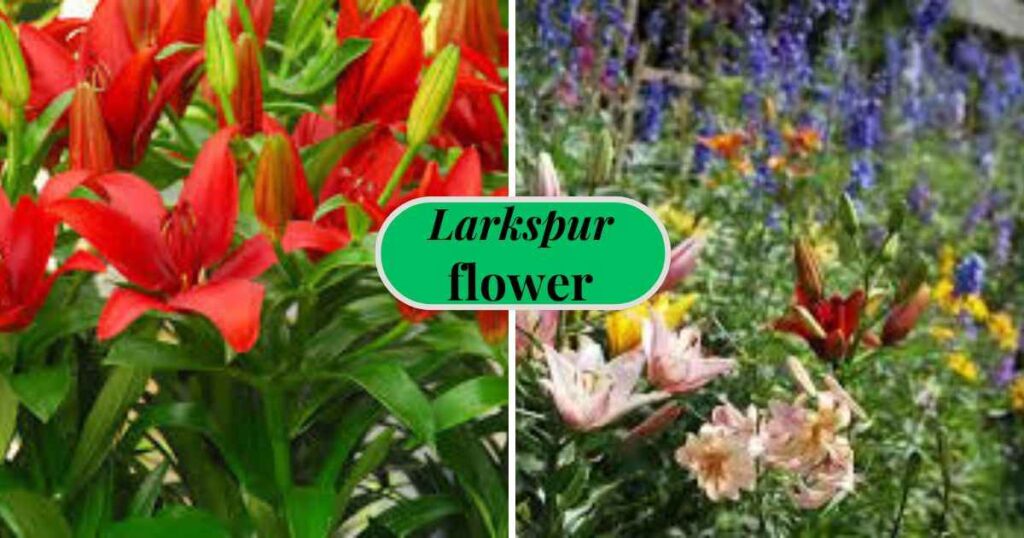
Not all red lilies look or grow the same way. Your choice of type will determine the bloom size, fragrance, and care requirements.
Asiatic Red Lily
Some of the easiest types for the novice.
Features include:
Bloom size: 4 to 6 in. across
Height: 2 to 4 feet
Flowering time: Early summer
Fragrance: None or very low
They are popular for landscapes because they thrive in colder climates.
Lily Trumpet
Famous for their long flowers and strong smell.
Best For:
Cottage gardens
Pollinator Habitat
Statement on planting zones
Oriental Red Lilies
Oriental varieties have larger flowers and a more intense fragrance.
Characteristic features:
Height: 3- 5 ft.
Flowers: 6–10 in. diameter
Blooming: Mid to late summer
These varieties do particularly well in ornamental beds.
Best Growing Conditions For Red Lily
The best way to get strong plants is to give them the right environment.
Light Requirements
These flowers like
6-8 hours of direct sun a day
The afternoon shade of trees in the hotter southern climates can reduce stress during the hottest summer hours.
Soil Requirements
Healthy bulbs require:
Soil that drains well
pH slightly acidic to neutral
Liberal texture
Drainage problems in heavy clay soils can cause bulbs to rot.
Adding 2–3 inches of compost before planting will improve fertility and drainage.
Proper Planting of Red Lily Bulbs
The planting depth affects flowering performance.
Correct Depth
Most bulbs should be planted like this:
6 to 8 inches deep
8-12 inches apart
One-word rule:
Plant red lily bulbs about three times as deep as their height
.
Planting Process
Dig holes and loosen the soil at the bottom.
Pointed-end bulbs should be placed up.
No more soil.
Water the hole.
Apply 2 inches of organic mulch to help retain moisture.
Watering Needs
Too much water is worse than not enough.
Typically provides:
About 1 inch of water per week
More in the long summer heat
The goal is soil that is evenly moist, not soggy.
A simple finger test is perfectly adequate:
Check the soil moisture with your finger. If dry, water thoroughly.
Fertilizing for Larger Blooms
Big flowers need a steady food source.
Apply:
- Balanced fertilizer (10-10-10)
- Long-acting bulb fertilizer
- Add compost each year
Feed:
- Early spring
- Right before the blooms; right after blooming
Don’t use too much nitrogen, as it encourages leaf growth and reduces flower production.
Red Lilies in Pots

Container growing is especially beneficial for patios and smaller spaces.
Select containers:
Minimum 12-16 inches deep
Holes for drainage required
12 inches or more in diameter
For containers:
Depending on the pot size, use 3 to 5 bulbs.
Container plants typically require more frequent watering in the summer.
Good Companion Plants
Complementary plant combinations with lilies add visual impact.
Good company is
- Lavender
- Sage
- Echinacea
- Hostas
- Catmint
These plants help cover lower stems and add seasonal color.
Common problems and solutions
Yellow Leaves
Possible reasons:
- Overwatering
- Poor drainage
- Bud Drop
- Nutrients imbalanced
Often found with:
Stress due to heat
Inconsistent watering
Temperature fluctuations
Lily Beetles
These pests chew through foliage quickly.
Control measures:
Hand-picking
Benefits of Neem Oil
Regular Inspection
Fungal Issues
To avoid problems,
Increased airflow
How to avoid overhead watering
Topping off injured foliage
Are Red Lilies Poisonous?
Yes. Lilies are highly toxic to cats.
Do not place bulbs, leaves, and flowers close to:
- Cats Outdoors
- Curious Animals
- Little kids
Small exposures can still pose a serious health risk to animals.
When and How to Cut Flowers
For longer life in cut flowers:
Early morning harvest
Cut stems, buds partially open
Leave One-third of the Stem on the plant
Most cut flowers will last.
7-14 days indoors
Cut pollen sacs to prolong vase life.
Tips for Overwintering
Most varieties are hardy in USDA Zones 4-9.
For colder regions:
- Cover with an inch or two of mulch.
- Do not cut foliage too early
- Let the leaves fall naturally
Their leaves feed the bulbs for next season’s growth.
Conclusion
Red lilies are a great plant for both novice and experienced gardeners alike, combining the perfect mix of stunning color and reliable blooms with relative ease of care. Used in flower beds, containers, or mixed borders, these flowers provide lasting visual impact throughout the summer.
Much of the success comes from proper spacing, well-draining soil, consistent moisture, and adequate sunlight. With proper care and seasonal maintenance, healthy plants will return year after year with stronger blooms.
Frequently Asked Questions
How long do red lilies last?
Most flowers last 1-2 weeks, and the whole plant can flower for several weeks depending on the variety.
Do Red Lilies Return Year After Year?
Yes, Most varieties are perennials and will return each year if grown in the right conditions.
Can red lilies be grown in pots?
Sure. Deep containers with drainage holes are especially well-suited for patios and small gardens.
When to plant lily bulbs?
Many areas prefer early spring or fall planting, but early spring is successful, too.
