


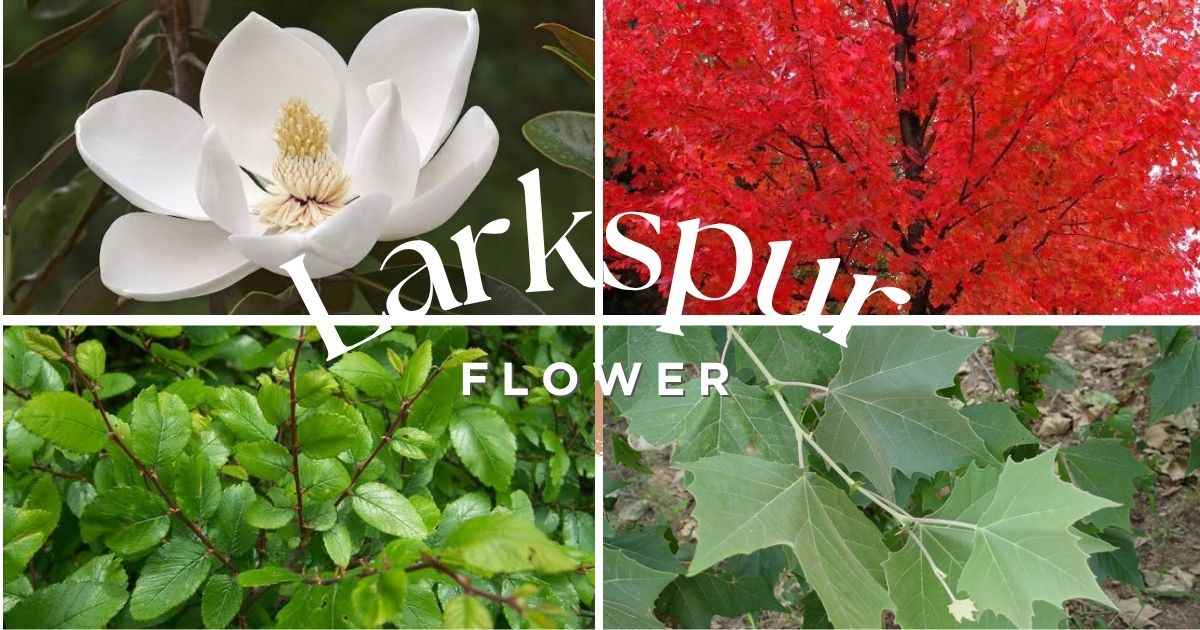
There is a very specific kind of impatience that comes with owning a bare, sunny yard. You picture the tree that will eventually shade your porch, soften your fence line, or finally give the neighbors something nicer to look at than your air conditioning unit. Then you remember that most trees take twenty, thirty, sometimes fifty years to get there.
That gap between what you want and how long nature usually takes is exactly why fast growing trees exist as a category people search for so often.
Here is what most guides on this topic will not tell you plainly: some of the most commonly recommended “fast growing trees” are illegal to plant in large parts of the United States. Chinese tallow tree, for example, is officially classified as a noxious weed in Florida, Texas, Louisiana, and Mississippi, and it is illegal to plant there for any reason.
Several other classic “fast grower” picks, Lombardy poplar, silver maple, and Bradford pear, come with serious downsides that rarely make it into the glowing plant descriptions: brittle wood that snaps in storms, aggressive roots that crack foundations and sewer lines, or invasive seed spread that has put entire native forests at risk.
This guide takes a different approach. Every tree recommended here grows at a genuinely fast rate, most adding 2 to 6 feet of height per year, but each one is also a tree you can plant with confidence anywhere it is suited, without creating a problem for your neighbors, your plumbing, or your local ecosystem ten years from now.
We will walk through what actually makes a tree grow fast, which trees are suited to your specific US region and hardiness zone, what to avoid entirely, and how to plant and care for your new tree so it thrives rather than survives.
Read more: Zone 10 Shrubs: Best Picks for Color, Privacy & Low Care
Why People Want Fast Growing Trees
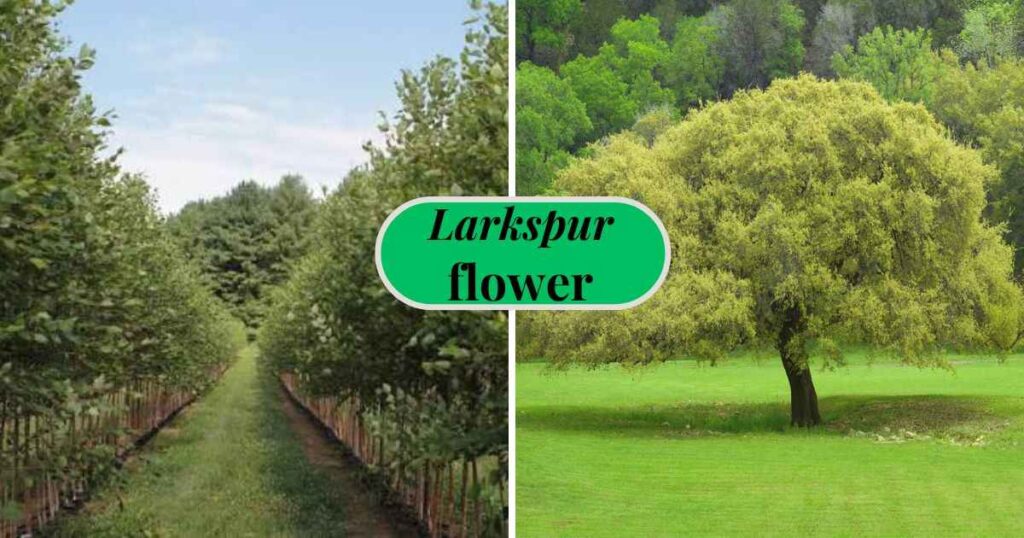
Before diving into the list, it helps to define the term properly. Arborists generally classify a tree as “fast growing” if it adds 24 inches (2 feet) or more of height per year under good conditions. Some of the trees on this list grow even faster, up to 5 or 6 feet annually in their first decade.
People search for fast growing trees for a handful of very specific, very real reasons:
Privacy And Fast
A new fence line, a new neighbor, a newly visible side yard after a renovation- privacy needs rarely wait twenty years for a tree to mature.
Shade For Energy Savings
A mature shade tree, positioned correctly, can noticeably lower a home’s cooling costs during summer by shading windows and walls from direct afternoon sun.
Erosion Control
Sloped yards, riverbanks, and areas prone to runoff benefit enormously from a tree’s root system establishing quickly.
Property Value
Real estate research consistently shows mature, well-placed trees add measurable value to a home and improve curb appeal almost immediately compared to a bare yard.
Storm Or Construction Recovery
After losing an old tree to storm damage or construction, homeowners understandably want the gap filled as quickly as possible.
Whatever your reason, the goal is the same: real height, real canopy, real privacy, achieved in years rather than decades, without planting something you will regret.
Read more :Fastest Growing Trees: 10 Amazing Picks for Quick Shade
Fast Growing Trees You Should Actually Avoid
This is the section most articles skip entirely, and it is the single most important thing to understand before you choose a tree.
Speed and root aggression are often the same trait.
Trees that grow fast above ground are frequently growing just as fast below ground, and that root system does not stop at your property line, your sidewalk, or your sewer pipe.
Here are the trees you will see recommended constantly online that you should think twice about or avoid entirely depending on your state:
Chinese Tallow Tree
It is illegal to plant in Florida, Texas, Louisiana, and Mississippi, since it is treated as a state-designated noxious weed. This thing can produce up to 100,000 seeds per tree each year, which are then spread by birds and by moving water. It tends to be pretty aggressive; it pushes out native forest species, kind of quickly too.
Bradford Pear
Banned for sale or planting in several states, including Ohio and South Carolina, due to extreme invasiveness. Its weak branch structure also causes frequent storm splitting.
Silver Maple
Has extremely aggressive, shallow roots that lift sidewalks, crack foundations, and invade sewer lines. Its wood is also very brittle and prone to storm damage.
Lombardy Poplar
Short-lived, often dead or declining within 15 years. It is highly susceptible to canker disease and produces aggressive suckering roots.
Royal Empress Tree
Classified as a noxious weed in multiple states despite being heavily marketed online, with extremely invasive seed spread.
Mimosa Tree
Invasive throughout the Southeast and mid-Atlantic. Its prolific seed production crowds out native plants along roadsides and waterways.
If you have already planted one of these and are wondering what to do, your local cooperative extension office can advise on removal and replacement. If you have not planted yet, skip straight to the recommendations below; each one gives you fast growth without the regret.
What Actually Makes a Tree Grow Fast?
A handful of biological and environmental factors combine to produce genuine fast growth:
Genetics
Some species are wired for rapid early growth as an evolutionary survival strategy, they race to establish a canopy before slower competitors can shade them out.
Root System Efficiency
Fast growing trees typically develop extensive root systems quickly, allowing them to take up more water and nutrients in their early years.
Sun Exposure
Nearly every fast growing tree needs full sun, a minimum of 6 hours of direct light daily, to perform at its genetically programmed growth rate. Plant the same tree in shade, and you will see dramatically slower results.
Soil Quality And Drainage
Loose, well-draining, nutrient-rich soil supports strong root spreading, and it keeps feeding the fast top growth. But if the soil is compacted or poorly drained, it will slow things down significantly, even for the fastest species.
Water Availability
Consistent watering during the establishment period (the first 1–2 years) is critical. Drought-stressed young trees grow far more slowly regardless of their genetic potential.
Climate Match
A tree growing within its ideal hardiness zone and climate will always outperform the same species pushed outside its comfort range.
Before choosing any tree, check its mature size and root spread, and keep it well away from foundations, septic systems, underground utility lines, sidewalks, and driveways. A tree that grows fast above ground is, more often than not, growing just as fast below it.
The Best Fast Growing Trees by US Region
This is where most fast growing tree guides fail; they give you one generic list for the whole country, as if a tree that thrives in humid Georgia will perform identically in dry Arizona. Here is what actually works, region by region.
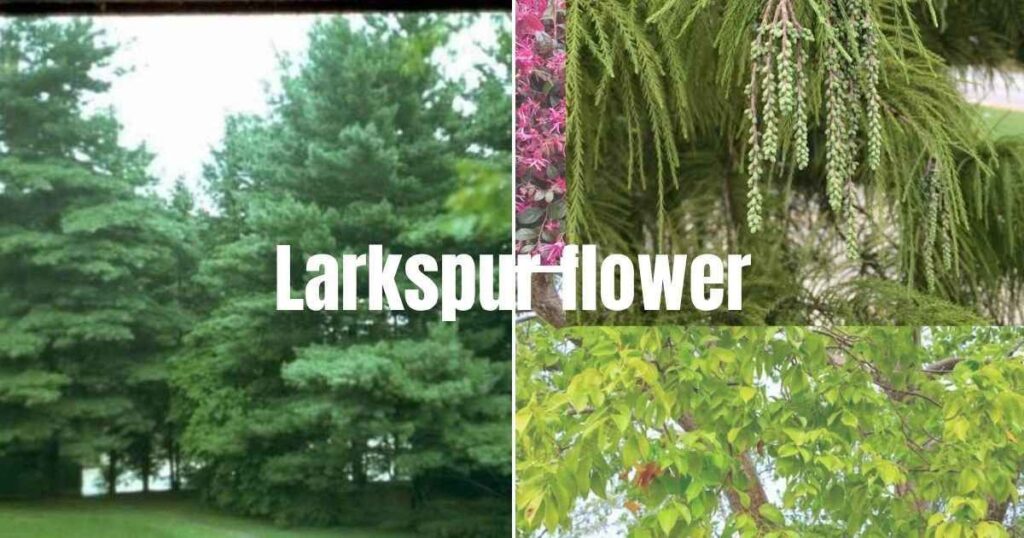
Northeast (Zones 4–7: New York, New England, Pennsylvania, New Jersey)
Red Maple (Acer rubrum)
Growth rate: 2–3 feet per year. Mature height: 40–60 feet. One of the most reliable native shade trees in the Northeast, with brilliant red fall color and a manageable, well-behaved root system compared to its silver maple cousin. Tolerates wet or dry soil and a wide pH range.
Tulip Poplar (Liriodendron tulipifera)
Growth rate: 2–3 feet per year. Mature height: 70–90 feet. A true native giant of the Eastern forest, with distinctive tulip-shaped leaves and showy spring flowers. Excellent for large properties needing serious shade.
Eastern White Pine (Pinus strobus)
Growth rate is around 2–3 feet per year, pretty steady. Mature height can reach about 50–80 feet, so it actually fills space. It’s a fast-growing, soft-needled evergreen, kind of ideal for all-season privacy screening and year-round windbreaks across the Northeast.
Midwest (Zones 4–6: Ohio, Illinois, Michigan, Indiana, Missouri)
Northern Red Oak (Quercus rubra)
Growth rate: 2 feet per year. Mature height: 60–75 feet. It combines genuine speed with the strength and longevity people associate with oaks, a rare combination: brilliant red fall foliage and excellent wildlife value.
River Birch (Betula nigra)
Growth rate: 1.5–3 feet per year. Mature height: 40–70 feet. Native to the Midwest and Southeast, with attractive peeling bark and strong tolerance for both wet and average soils. Far more disease-resistant than European white birch.
American Sycamore (Platanus occidentalis)
Growth rate: 3–6 feet per year. Mature height: 75–100 feet. One of the fastest true shade trees available, with striking mottled bark. Needs significant space — best for large properties or parks rather than small suburban lots.
Southeast (Zones 7–9: Georgia, the Carolinas, Tennessee, Alabama)
Bald Cypress (Taxodium distichum)
Growth rate: 2–3 feet per year. Mature height: 50–70 feet. Native to the Southeast, exceptionally tolerant of wet soil and standing water, yet equally happy in average garden conditions. A genuinely versatile, storm-resistant choice with attractive fall color despite being a conifer.
Wax Myrtle (Morella cerifera)
Growth rate: 3 feet per year. Mature height: 15–25 feet. A fast, dense, evergreen native shrub-tree ideal for privacy screening in coastal and humid southeastern climates. Tolerant of salt spray, drought, and poor soil.
Southern Catalpa (Catalpa bignonioides)
Growth rate: 3 feet per year. Mature height: 30–40 feet. Large heart-shaped leaves and showy white-and-purple trumpet flowers in early summer, with strong heat tolerance.
Florida and the Gulf Coast (Zones 9–11)
Live Oak (Quercus virginiana)
Growth rate: 2 feet per year when young. Mature height: 40–80 feet. Not the fastest tree on this list, but worth including for any Florida yard; extremely storm-resistant (a major advantage in hurricane country) and iconic to the Southern landscape.
Southern Magnolia (Magnolia grandiflora)
Growth rate: 1–2 feet per year. Mature height: 60–80 feet. Faster-growing cultivars like ‘Little Gem’ offer quicker establishment in a smaller mature footprint, with the South’s signature glossy evergreen leaves and enormous fragrant blooms.
Gumbo Limbo (Bursera simaruba)
Growth rate: 3–6 feet per year. Mature height: 25–40 feet. Native to South Florida; exceptionally wind-resistant, a critical advantage given Florida’s hurricane exposure; and has unusual reddish, peeling bark that adds year-round visual interest.
Texas and the South Central US (Zones 7–9)
Shumard Oak (Quercus shumardii)
Growth rate: 2–3 feet per year. Mature height: 50–70 feet. A Texas-native oak that combines fast growth with the storm resistance and longevity that Texas’s variable weather demands. Excellent fall color in a region not known for it.
Cedar Elm (Ulmus crassifolia)
The growth rate is about 2 feet per year. When it reaches maturity, it can grow around 50 to 70 feet tall, so you know, it really gets there over time. It’s native across Texas, and it’s especially good at handling dry spells once it’s established; plus, it seems quite resistant to Dutch elm disease, which is unlike a lot of other elm types, you could say.
Desert Willow (Chilopsis linearis)
The growth rate is about 2–3 feet per year, so it’s pretty steady. When mature, it can reach something like 15–25 feet tall; it depends on soil and sun. It’s also a good fit for the drier regions of Texas and the Southwest, especially where water is less abundant. The flowers are kind of orchid-like, pink and lavender, and they show up through the summer; plus, the drought tolerance is excellent once the plant has settled in.
Pacific Coast and Southwest (Zones 7–10: California, Arizona, Nevada)
Coast Live Oak (Quercus agrifolia)
Growth rate: 2 feet per year when young. Mature height: 30–50 feet. A California native that handles the state’s dry summers and wet winters naturally, with no need for heavy irrigation once established.
Desert Museum Palo Verde (Parkinsonia ‘Desert Museum’)
Growth rate: 3–5 feet per year. Mature height: 25–30 feet. A nearly thornless hybrid bred specifically for Arizona and desert Southwest landscapes, with brilliant yellow spring flowers and minimal water needs once established.
Chinese Pistache (Pistacia chinensis)
It grows about 2–3 feet each year, pretty steadily. When it’s mature, it’ll reach around 30–35 feet, maybe more or less. People have planted it widely across California, mostly for its tolerance of dry spells and its structural strength even in windy conditions. Plus the fall color is really spectacular, like orange-red, in a climate where that kind of color in autumn is otherwise kinda rare.
Get more information: Weeping Cherry Planting: Complete Guide for Healthy Trees
How to Plant a Fast Growing Tree for the Best Results
Getting a fast growing tree off to a strong start matters even more than with slow growers, since you are relying on vigorous early root and canopy development.
Step 1: Choose the right spot
Check the tree’s mature height and width, and try to keep it at least 15–20 feet from your home’s foundation, especially if it’s a big shade tree. Also plan for a minimum of 10 feet from sidewalks, driveways, and septic systems. This kind of spacing helps prevent problems later, you know, like roots getting too close.
Step 2: Dig a wide hole, not a deep one
The hole should be 2–3 times wider than the root ball, but no deeper than the root ball. Planting too deep is one of the most common causes of young tree failure.
Step 3: Loosen the soil around the planting area
Break up compacted soil in a wide radius around the hole; this gives expanding roots an easier path to establish quickly.
Step 4: Backfill with native soil
Heavily amended planting holes can actually discourage roots from spreading beyond the hole. Use mostly native soil, with a moderate amount of compost mixed in.
Step 5: Water deeply and immediately
Soak the root zone thoroughly right after planting to eliminate air pockets and help roots make contact with surrounding soil.
Step 6: Mulch, but correctly
Lay down about 2–3 inches of mulch, kind of in a wide ring around the tree, but still keep it pulled back several inches from the trunk. If the mulch ends up right up against the trunk itself, it can invite rot and various pests, so don’t do that, ok?
Step 7: Stake only if necessary
Most young trees establish better without staking, which promotes stronger trunks. Stake only in particularly windy sites, and remove stakes after one growing season.
Caring for Your Fast Growing Tree in the First Three Years
The establishment period, typically the first one to three years after planting, determines whether your tree lives up to its fast growing reputation or struggles indefinitely.
Watering
Young trees need approximately 10–15 gallons of water per week during their first growing season, more during hot, dry spells. Deep, infrequent watering encourages deeper root growth than frequent shallow watering.
Fertilizing
Most fast growing trees do not need heavy fertilization in their first year; focus on water and root establishment instead. From year two onward, a balanced slow-release tree fertilizer applied in early spring supports vigorous growth.
Pruning
Limit pruning in the first year to removing only damaged or crossing branches. Structural pruning to establish good branch spacing is best done in years two and three, ideally during late winter dormancy.
Pest and disease monitoring
Fast growing trees are sometimes more susceptible to pest and disease pressure because rapid growth can produce slightly weaker tissue. Inspect leaves and bark regularly, particularly in the first two years.
Storm protection
Many fast-growing species have naturally weaker wood than slow-growing species. In storm-prone regions (the Southeast, Gulf Coast, and Midwest tornado corridor), structural pruning in early years to establish strong branch angles significantly reduces future storm damage.
Conclusion
The appeal of a fast growing tree is pretty understandable; in a way, nobody really wants to wait three decades to get a bit of shade on their own porch. But honestly, speed should not be the only factor you weigh in your decision, ok?
The healthiest approach, and the one that will actually serve your yard for the next fifty years rather than create a removal project in fifteen, is choosing a tree that is fast, suited to your specific region and soil, structurally sound, and free of the invasive baggage that has made several once-popular “fast growers” illegal across large parts of the country.
Match your climate zone to the regional picks above, then give your new tree a strong start with proper planting and steady early watering, and you’ll be standing in real shade, earned the right way, sooner than you might think.
Frequently Asked Questions
What is the fastest growing tree you can safely plant in the USA?
Among non-invasive options, the American sycamore and Desert Museum palo verde are among the fastest, adding 3 to 6 feet of height annually under good conditions.
For most home landscapes, however, a tree growing 2 to 3 feet per year, such as red maple or Shumard oak, offers an excellent balance of speed, strength, and a manageable mature size.
Are fast growing trees bad for my house foundation?
Some are, and it depends entirely on the species and planting distance. Trees with aggressive, shallow root systems, like silver maple and willow, are classic examples and should be planted at least 20 to 30 feet from foundations and underground utilities.
Deeper-rooted species like oaks are generally safer at closer distances, though 15 to 20 feet of clearance is still recommended for any large shade tree.
Is the Chinese tallow tree illegal to plant?
Yes, in several states. The Chinese tallow tree is officially designated a noxious weed in Florida, Texas, Louisiana, and Mississippi, making it illegal to plant, sell, or transport there. It is also considered invasive and discouraged in additional states, including Arkansas, South Carolina, and parts of California.
If you are unsure about your specific state, check with your local agricultural extension office before purchasing.
How long does it take a fast growing tree to provide real shade?
Most fast growing species recommended in this guide will provide meaningful, noticeable shade within 5 to 7 years of planting and substantial mature canopy coverage within 10 to 15 years. This is dramatically faster than slow-growing species like white oak, which can take 25 to 30 years to reach the same point.
What is the best fast growing tree for privacy along a fence line?
For year-round privacy, evergreen options like Eastern white pine (Northeast and Midwest) or wax myrtle (Southeast) work exceptionally well. For seasonal privacy with strong growth, deciduous options like river birch planted in a row provide dense screening during the growing season.
Do fast growing trees need more water than slow growing trees?
During the establishment period, yes, fast growing trees generally benefit from more consistent watering to fuel their rapid root and canopy development.
Once established (typically after year two or three), water needs vary by species rather than by growth rate; many fast growers, like palo verde and cedar elm, become quite drought-tolerant once mature.
Can I plant a fast growing tree close to power lines?
No, avoid planting any tree, fast growing or not, directly beneath overhead power lines unless it is a genuinely small species (under 25 feet at maturity).
For areas near power lines, choose smaller flowering trees, such as desert willow, rather than large canopy species like sycamore or tulip poplar, which will eventually require utility company pruning or removal.
Which fast growing trees are best for small yards?
For smaller properties, look for species that grow fast but stay under 30–35 feet at maturity: desert willow, wax myrtle, ‘Little Gem’ magnolia, and Desert Museum palo verde are all excellent choices that deliver rapid early growth without eventually overwhelming a compact lot.
