


January has a strange reputation. The decorations are down, and the credit card bills from December start coming in, right on cue. Most of the country is gray, frozen, or both in that sort of bleak way. It is, in most accounts, the least romantic month you’ll find on the calendar.
Still, January babies tend to be some of the most quietly remarkable people you’ll ever meet: steady, kind of reserved at first, deeply loyal once you earn their trust, and somehow never quite as icy as the month they were born in.
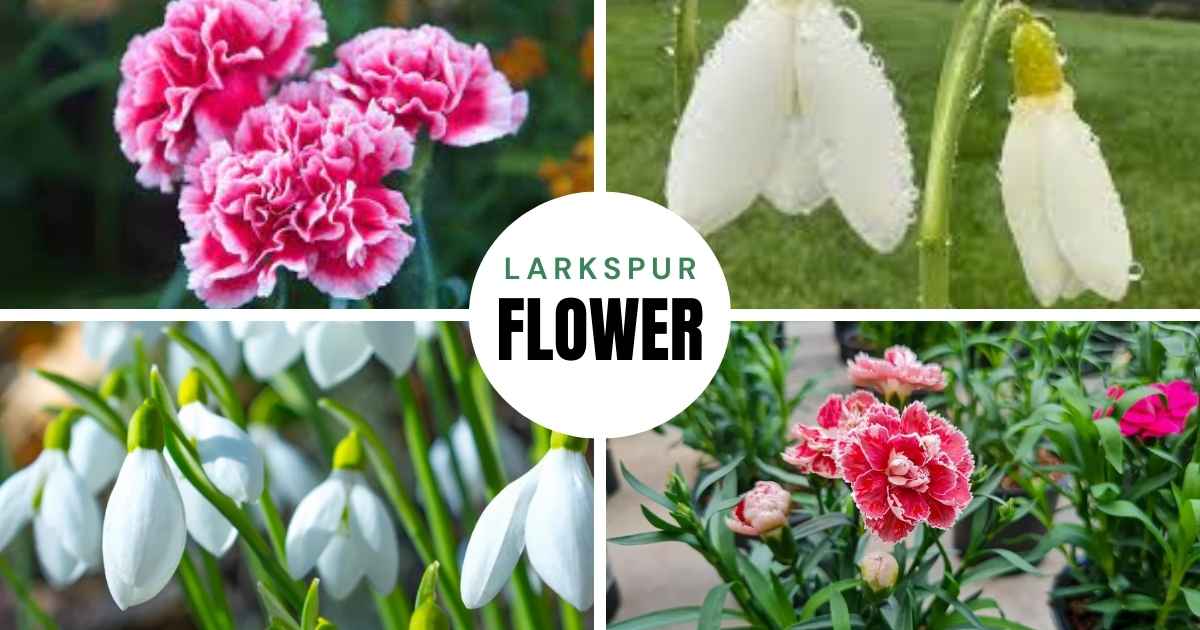
It makes perfect sense, then, that January’s birth flowers are not loud, showy blooms demanding attention. They are the carnation and the snowdrop, one a richly colored, endlessly versatile flower that has been cultivated and adored for over 2,000 years and the other a tiny, almost impossibly brave white bloom that pushes straight up through frozen ground and sometimes actual snow, weeks before anything else in the garden dares to show its face.
Together, they tell you everything you need to know about January and the people born into it: warmth that endures the cold and quiet courage that does not wait for permission from the season.
Read more about:August Birth Flower: Meaning, Care & Gift Ideas
This post goes far deeper than most January birth flower articles online. We will cover where these two flowers actually came from, what every color of carnation specifically means, how to grow both flowers successfully no matter which US state you live in, what to give a January-born person as a gift, tattoo ideas if you are thinking about something more permanent, and answers to the most common questions people ask about January’s flowers, all written the way one gardener would explain it to a friend, not the way a textbook would.
What Is the January Birth Flower?
January is one of several months assigned two birth flowers rather than one, and the reason comes down to where you look. In American floral tradition, the carnation typically holds the primary position, while British tradition more commonly cites the snowdrop as January’s primary flower.
In practical terms, in the United States, most florists, gift guides, and gardening resources kind of treat the carnation as January’s main flower and the snowdrop as its quieter side companion. Still, if you were born in January, both blooms are genuinely yours to claim; I mean, they kinda are.
- Carnation (Dianthus caryophyllus): January’s primary flower in the US, prized for its ruffled, long-lasting blooms and rich color symbolism.
- Snowdrop (Galanthus nivalis): January’s secondary flower, one of the very first blooms of the year, often appearing while snow is still on the ground.
Whichever one resonates more with you, you do not have to choose. Most modern guides and most florists agree that both belong to January, and many gift arrangements deliberately combine the two.
The Carnation: A 2,000-Year Love Story
Where the Carnation Comes From
The carnation’s scientific name, Dianthus caryophyllus, comes from Greek, “dios” meaning “divine” and “anthos” meaning “flower.” Put together, the name translates to “flower of the gods” or “divine flower.”
It was Theophrastus, the Greek botanist and student of Aristotle, who first gave the flower this name, and the species name “caryophyllus” comes from the Greek word for “clove-scented,” a nod to the carnation’s distinctive spicy fragrance that still defines the flower today.
Carnations are native to the Mediterranean region and have been cultivated for more than 2,000 years, making them among the oldest continuously cultivated ornamental flowers in human history. They were first imported into the United States in the 1850s, and within two decades, more than 50 varieties became available to American gardeners and florists.
The flower has long been a staple of the American flower industry, especially around Mother’s Day and Valentine’s Day, thanks to its enduring associations with love and remembrance.
The scarlet carnation also holds the distinction of being the official state flower of Ohio, a detail many Ohioans do not even realize connects directly back to their January-born friends and family.
What the Carnation Looks Like
Carnations are immediately recognizable by their ruffled, almost lace-like petals, which can number anywhere from 5 in a simple wild bloom to as many as 40 petals in hybridized varieties. There are three main types:
Large-flowered carnations with one big bloom per stem, spray carnations with several smaller flowers per stem, and dwarf carnations, the smallest type, which also produce multiple blooms on a single stem.
The plant can grow up to 32 inches tall, with a sweet scent and blooms that appear singly or in clusters of 3 to 5. The narrow, stalkless leaves range from green to grayish blue to purple, giving even the foliage a soft, almost silvery quality that complements the ruffled blooms beautifully.
Carnation Color Meanings: A Complete Guide
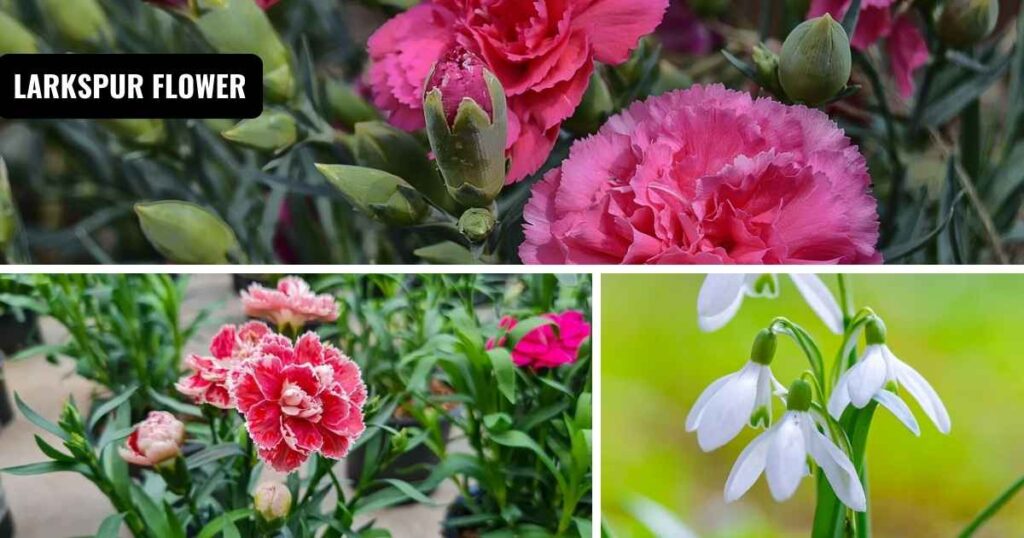
Few flowers carry as much color-specific symbolism as the carnation, which makes choosing the right shade genuinely meaningful when buying for a January birthday.
Red carnations
They symbolize deep love and admiration, the classic romantic choice, second only to the rose in how strongly red carnations communicate passion.
Pink carnations
They represent a mother’s undying love and gratitude, which is why pink carnations are so closely tied to Mother’s Day traditions in the US.
White carnations
They symbolize pure love, good luck, and innocence, making them a popular choice for both celebratory occasions and as a gesture of remembrance.
Purple carnations
They traditionally represent capriciousness or unpredictability, a more whimsical, playful meaning compared to the flower’s other colors.
Yellow carnations
They carry a more complicated history, having once meant rejection or mild disdain in Victorian flower language, even though nowadays it is kind of softened into simple cheerfulness, not as strict.
Striped carnations
They indicate regret or a polite refusal; historically, giving someone a striped carnation was a gentle way of saying “I cannot” or “I wish I could, but no.”
Green carnations
They are a rarer, more modern variation, often associated with individuality, and have taken on additional cultural significance in some communities tied to LGBTQ+ pride.
The Carnation’s Political and Cultural Legacy
Beyond the romantic symbolism, the carnation has a genuinely intriguing political history that most birth flower guides skip over entirely. The Carnation Revolution happened in Lisbon, Portugal, on April 25, 1974, and it unfolded in a way people still remember today. This led to the country’s transition from a dictatorship to democracy.
The event got its name because demonstrators distributed carnations to soldiers while celebrating the overthrow of the authoritarian government in the streets, turning a delicate flower into a lasting international symbol of peaceful revolution. The carnation was also worn as a symbol by labor movements in Austria, Portugal, and Italy, adding yet another layer to its 2,000-year story.
Read about:September Birth Flower: Meaning, Care & Gifts
Growing Carnations in the USA
Carnations seem pretty hardy across much of the United States. Still, honestly, their taste for cool temperatures and great drainage really make the regional approach matter a lot, like more than you would think.
Northeast (Zones 4–6: New York, New England, Pennsylvania)
Carnations thrive in the cool spring and fall temperatures of the Northeast. Penn State Extension recommends growing carnations in raised beds or along borders where drainage is guaranteed, particularly important in the northern half of the country, where clay soils are common. Plant after the last frost in well-amended, well-draining soil.
Midwest (Zones 4–6: Ohio, Illinois, Michigan)
As the home of Ohio’s state flower, the Midwest is genuinely ideal carnation territory. Cool springs and falls suit the plant’s preference for moderate temperatures, and the region’s longer cool season often produces two flushes of bloom per year with proper deadheading.
Southeast (Zones 7–9: Georgia, the Carolinas, Tennessee)
This is where carnations become more challenging. Carnations are intolerant of high heat and might be a poor choice for a southern garden, since they bloom in midsummer and prefer bright sun but cool temperatures. Southeastern gardeners should plant carnations as cool-season annuals in fall for winter and early spring blooms, rather than fighting the region’s brutal summer heat.
Florida (Zones 9–10)
Traditional garden carnations struggle significantly in Florida’s heat and humidity. The best approach is to grow carnations in containers that can be moved to shade during the hottest part of the day. months, or treat them strictly as winter annuals planted in November or December for blooms through February and March.
Texas (Zones 7–9)
Similar challenges to the Southeast and Florida apply across most of Texas. North Texas gardeners (Zones 7–8) have somewhat better luck with spring carnations than South Texas, but fall planting for a winter-spring bloom cycle is the more reliable strategy statewide.
Pacific Coast (Zones 8–10: California, Oregon, Washington)
Coastal California’s mild, moderate climate is excellent for carnations almost year-round, particularly in the fog-cooled coastal strip. Oregon and Washington’s mild, moist summers also suit carnations beautifully, with less heat stress than almost anywhere else in the country.
Rocky Mountain and Desert (Zones 4–7: Colorado, Arizona, Nevada)
Colorado’s cool, dry air helps carnations do well, especially during the main growing season, but you still need some winter guarding, or else you’ll need to go with container growing in the colder zones. In the lower desert parts of Arizona and Nevada, you can treat carnations more like a cool-season annual, planting them in fall. Hence, you get winter and early spring blooms, before that heavier summer heat finally kicks in.
Basic Carnation Care Tips
- Sunlight: Full sun to light afternoon shade in hot climates
- Soil: Well-draining soil with a pH between 6.7 and 6.9. Carnations are notably specific about this slightly acidic-to-neutral range
- Watering: Moderate and consistent; carnations dislike both drought stress and waterlogged roots.
- Spacing: 12 inches apart to ensure good air circulation, which significantly reduces fungal disease risk
- Deadheading: Remove spent blooms promptly to encourage continuous flowering through the growing season
- Common problems: Watch for fungal rust and aphids, both of which thrive in overly humid or crowded growing conditions
- As cut flowers: Trim stems at an angle, place in clean, lukewarm water, remove any foliage below the waterline to prevent bacterial growth, and change the water every 2 to 3 days for the longest possible vase life.
The Snowdrop: Winter’s Bravest Flower
Where the Snowdrop Comes From
The snowdrop is native to the cooler, hilly, wooded, and grassland areas of southern Europe and Asia Minor and has since been naturalized across the United States. People think the snowdrop may have originated in the eastern Mediterranean region, including parts of the Middle East.
By the 17th century, it became increasingly sought after in European gardens, most notably in England. They were brought to North America in the 19th century, and over time they naturalized in a few places, especially in the northeastern part of the continent.
The name Galanthus translates to “milk flower,” a direct reference to the snowdrop’s delicate, pure-white blossoms. It is a fitting, simple name for a flower whose entire identity is built around appearing pale and pristine against the gray and brown of late winter.
What Makes the Snowdrop So Special
The snowdrop is one of those earliest garden flowers that shows up before you expect anything, blooming in late winter or early spring, even when there’s still snow on the ground. Snowdrops are usually small; they reach only about 3 to 6 inches in height, and they tend to grow in clumps or tight clusters. They naturalize easily and, over time, spread out, forming large colonies where conditions are right.
There is something almost defiant about a flower that chooses to bloom before winter has technically ended. Most plants wait for warmth and certainty.
The snowdrop does not wait for anything; it simply pushes through whatever is in its way, which is precisely why it has come to symbolize hope, resilience, and quiet courage.
Snowdrop Symbolism and Meaning
Snowdrops are used to express both sympathy and celebration. During happy times, they are thought to provide optimism and hope, but following a death or misfortune, they symbolize compassion. Innocence is also linked to the snowdrop because of its pure white color.
According to one Christian story, an angel turned snowflakes into snowdrops and gave them to Adam and Eve as a sign of hope after their banishment from the Garden of Eden. Among pagans, the snowdrop is associated with the beginning of spring, since the arrival of the first blooming flower was believed to signify the end of winter.
Interestingly, the snowdrop carries a more complicated dual meaning depending on context. A single snowdrop bloom brought indoors was once believed to represent death, a belief rooted in the flower’s association with graveyards. As symbols of remembrance, snowdrops are still often planted in cemeteries and memorial gardens today.
Yet in modern usage, this delicate flower, often one of the first to poke through the snow in late winter, has come to signify hope and beauty far more than its older, darker folklore.
In Christianity, snowdrops are sometimes called “Candlemas bells” because they often bloom around the time of the Candlemas festival on February 2, which marks the presentation of Jesus at the Temple in Jerusalem.
In pagan traditions, snowdrops are associated with the festival of Imbolc, which celebrates the halfway point between the winter solstice and the spring equinox.
Growing Snowdrops in the USA
Snowdrops are considerably hardier and more cold-tolerant than carnations, making them the more reliable choice for gardeners in the northern half of the country.
Northeast and Midwest (Zones 3–6)
This is true snowdrop territory. Snowdrops will reliably return each year if winter low temperatures reach at least 20°F but no colder than -30°F, which describes almost the entire Northeast and Midwest perfectly. Plant bulbs in fall once the soil has cooled.
Southeast and Texas (Zones 7–9)
Snowdrops can struggle in the milder winters and hot summers of the Deep South, since they generally need a true cold-dormancy period to perform reliably year after year. Gardeners in the upper Southeast and northern Texas (Zone 7) have the best luck; Zone 9 gardeners in the Deep South and South Texas may find snowdrops naturalize poorly or fail to return after the first season.
Florida (Zones 9–10)
Snowdrops are not well suited to most of Florida’s climate, which lacks the sustained cold period the bulbs need. Florida gardeners drawn to the snowdrop’s symbolism might consider it more as a sentimental gift item (cut flowers shipped seasonally or snowdrop-themed jewelry) rather than a garden plant for that region.
Pacific Coast (Zones 7–9: California, Oregon, Washington)
Oregon’s and Washington’s cooler, wetter climate suits snowdrops well, particularly in shaded, woodland-style garden settings. Coastal and Southern California’s mild winters are generally too warm for reliable snowdrop performance.
Rocky Mountain States (Zones 3–6: Colorado, Utah, Wyoming)
Excellent snowdrop territory; cold winters followed by a defined, gradual spring thaw are exactly what these bulbs are adapted to.
Basic Snowdrop Care Tips
- Planting time: Plant snowdrop bulbs in autumn for late-winter bloom, ideally between August and November
- The “in the green” method: The golden rule for planting snowdrops is to plant them “in the green,” not as dry bulbs in autumn, but as actively growing plants just after they have finished flowering, since dry snowdrop bulbs have a notoriously high failure rate while in-the-green transplants establish far more reliably
- Sunlight: Plant in part shade; woodland settings beneath deciduous trees are ideal, since the bulbs get full sun in late winter before tree canopies fill in
- Soil: Rich, well-drained soil with good organic matter content
- Watering: Keep soil moist but never waterlogged during the active flowering period
- Fertilizing: Apply fertilizer in early spring when shoots first appear, or again after blooming finishes
- After bloom: Allow foliage to die back naturally rather than cutting it; this feeds the bulb for next year’s bloom
- Naturalizing: Snowdrop seeds are surrounded by an oil-rich structure that attracts ants, which help disperse the seeds across the landscape over time, gradually expanding your patch
- A notable detail: An extract of the snowdrop was used by the ancient Greeks for its mind-altering effects, and it was later used as a folk remedy for various ailments, a reminder that snowdrops, like many bulbs, contain compounds that should not be ingested
January Birth Flower Meanings by Zodiac Sign
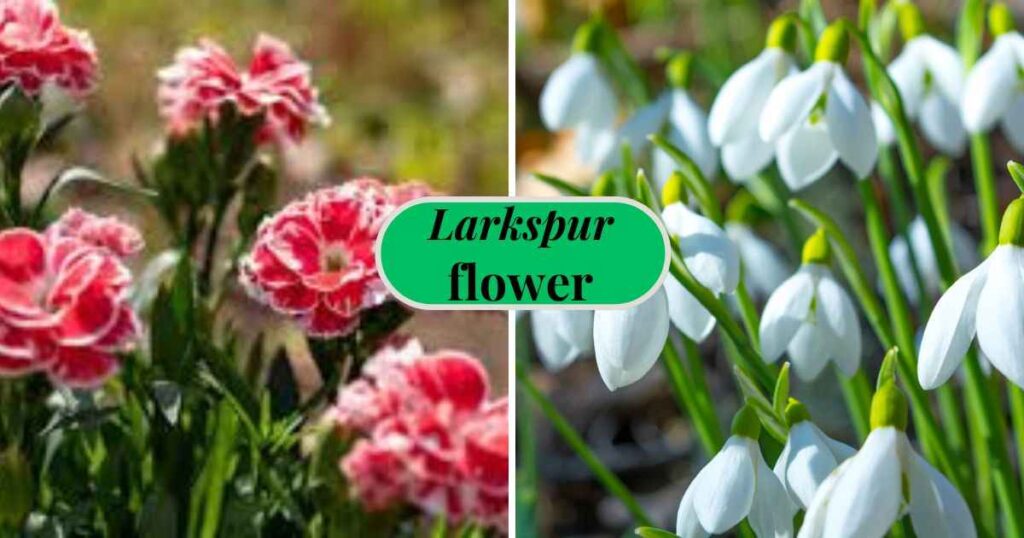
January spans two zodiac signs, and each pairs naturally with one of the month’s two birth flowers.
Capricorn (December 22 – January 19)
The earth sign Capricorn is associated with persistence, discipline, and patient effort, qualities the snowdrop embodies perfectly, since it grows from a bulb planted months in advance, pushes through frozen ground, and blooms regardless of conditions.
For the determined, goal-oriented Capricorn, the snowdrop functions almost like a botanical self-portrait.
Aquarius (January 20 – February 18)
The air sign Aquarius carries associations with originality, independence, and humanitarian values, qualities that suit the carnation well, given its 2,000-year history of political symbolism and its enduring role in cultural movements from the Carnation Revolution to modern Mother’s Day traditions.
January Birth Flower Gift Ideas
Both carnations and snowdrops make thoughtful, meaningful January birthday gifts.
Mixed carnation and snowdrop bouquet
Combining both flowers in one arrangement captures the full symbolic range of January, the carnation’s warmth and color alongside the snowdrop’s delicate hope. Many US florists offer seasonal January birthday arrangements built around exactly this pairing.
Color-coded carnation bouquet
Choose your carnation color deliberately based on your message. A bouquet of soft pink carnations for a mother, deep red for romantic love, or white for a gesture of remembrance or good luck; the flower’s color vocabulary makes this an unusually personal gift choice.
Potted snowdrop bulbs
A small pot of snowdrop bulbs, planted “in the green,” makes a beautiful living gift that returns every January for years, growing into a larger naturalized patch over time.
Birth flower jewelry
Carnation and snowdrop motifs appear frequently in handmade American jewelry, sterling silver pendants, enamel rings, and pressed-flower resin earrings. Many small Etsy-based artisans will personalize pieces with a January birth date.
Birth flower candle or art print
Several US candle companies and independent botanical illustrators now create birth-flower-themed candles and prints, offering a lasting, non-perishable gift option for January birthdays.
Personalized coffee mug or card
For a smaller, budget-friendly gesture, mugs and cards featuring carnation and snowdrop illustrations paired with a handwritten note about their meaning make a thoughtful, low-cost gift that still feels personal.
January Birth Flower Tattoo Ideas
Birth flower tattoos remain one of the most popular personalized tattoo categories in the United States, and January’s pairing of carnation and snowdrop offers two very different but equally striking design directions.
Carnation tattoo ideas
The carnation has that ruffled, layered petal setup, which kinda translates really well into both fine-line and more detailed botanical illustration styles. People often put it on the forearm, the shoulder, or the ankle, depending on what they want to show off. Also, the flower meaning changes so wildly with color, so a lot of people go with intentional ink tones: deep red for love, soft pink for a parent, and white as a quiet nod to someone who has passed on.
Snowdrop tattoo ideas
The snowdrop’s small, simple, bell-shaped form makes it one of the most popular choices for delicate, minimalist tattoos. A single snowdrop on the wrist, or behind the ear, or even a small clump along the collarbone, it really catches the flower’s quiet, low-key symbolism just right.
Fine-line and single-needle styles suit the snowdrop especially well given its small natural size.
Combined January birth flower tattoos
Pairing a carnation and snowdrop in one composition, often with the snowdrop emerging from snow or frost-covered ground beneath a blooming carnation, creates a visually layered piece that tells the complete story of January: enduring warmth above, quiet resilience below.
Adding personal meaning
A common way to do January birth flower tattoo designs is to add garnet accents, since it is January’s birthstone in a deep red tone, and sometimes the birth date gets worked right into the stem, hidden or lightly wrapped. Also, people often include small snowflake details to really push the winter mood, but not so much that it steals attention from the actual flower.
Conclusion
There is a quiet kind of poetry in January claiming both of these flowers. The carnation has spent over two thousand years proving that something cultivated, cared for, and deliberately grown can carry as much meaning as anything wild; it has decorated ancient Greek temples, fueled a bloodless revolution in Lisbon, and become the simple, reliable way millions of people say “I love you” every Mother’s Day.
The snowdrop, meanwhile, has never needed cultivation or ceremony to matter. It just shows up every single year, exactly when conditions are at their worst, and blooms anyway.
If you were born in January, or you love someone who was, that combination says something real. You are allowed to be both things, the carnation and the snowdrop; warmth and quiet courage; color and resilience, without choosing just one. Grow them, give them, or wear them in ink. January earned both of these flowers honestly, and so did you.
Frequently Asked Questions
What is the official January birth flower?
January has two birth flowers: the carnation and the snowdrop. In American floral tradition, the carnation is most commonly treated as the primary flower, whereas in British tradition the snowdrop is more often given that position. Both are fully recognized as January’s birth flowers in modern US gift guides and floral traditions.
What does the January birth flower symbolize?
The carnation symbolizes love, fascination, and distinction, with specific additional meanings tied to each color. The snowdrop symbolizes hope, purity, renewal, and quiet resilience, owing to its habit of blooming through frost and snow before any other flower in the garden.
Together, the two represent both the warmth that endures winter and the courage required to push through it.
Can I grow carnations and snowdrops anywhere in the USA?
Carnations grow best in cooler regions and struggle significantly with high heat and humidity, making them better suited to the Northeast, Midwest, and Pacific Coast as garden perennials. At the same time, Southern and Florida gardeners generally have more success treating them as cool-season annuals. Snowdrops need a genuine winter cold period to thrive and naturalize, making them most reliable in zones 3 through 7; they perform poorly in Florida and the Deep South.
What is the birth color associated with January?
While not a strict, single official rule, January is most commonly associated with deep reds and soft pinks through the carnation, alongside the pure white of the snowdrop. Garnet, January’s birthstone, also has a deep red tone that closely complements the red carnation.
Is January’s birth flower the carnation or the snowdrop?
Both are correct; I mean, it kinda depends on which floral tradition you follow. In a bunch of American sources like gift retailers and most modern guides, they tend to default to the carnation as the main one, while in British and European references, they more often cite the snowdrop first.
If you were born in January, you are entitled to claim whichever flower resonates with you, or both.
What is the best gift using January’s birth flowers?
A mixed bouquet combining carnations and snowdrops captures both flowers’ full symbolism in one gift. For something longer-lasting, a potted snowdrop bulb planted “in the green” returns every year. At the same time, birth flower jewelry or a botanical art print offers a non-perishable alternative for those who do not garden.
Are carnations or snowdrops toxic to pets?
Both flowers carry some level of caution for households with pets. Carnations can cause mild gastrointestinal upset in cats and dogs if ingested in large quantities. Snowdrop bulbs are more notably toxic, as historical use of snowdrop extract for its mind-altering effects suggests the plant contains compounds that pets or humans should never ingest. Keep both plants out of reach of curious pets.
Why does January have two birth flowers instead of one?
Most months in the modern birth flower tradition are assigned two flowers to capture the full emotional and seasonal character of that month, rather than relying on a single bloom. In January, the carnation symbolizes enduring love and color during the coldest, grayest stretch of the year, while the snowdrop symbolizes the hope and resilience needed to push through that same cold. The pairing gives a fuller, more complete symbolic picture than either flower alone.
Which zodiac sign matches which January birth flower?
Capricorn (December 22 to January 19) aligns with the snowdrop, reflecting the sign’s discipline and patient persistence. Aquarius (January 20 to February 18) aligns with the carnation, reflecting the sign’s originality and long history of carrying cultural and political significance.
