


There’s a specific kind of relief that comes from seeing the first Crocus of the year. You’re not imagining it; after months of bare dirt and gray skies, a little cup of purple or yellow pushing up through half-frozen soil (sometimes literally through snow) genuinely does something for your mood. That’s not a coincidence, either. Gardeners have been reading meaning into this flower for thousands of years, and it’s earned every bit of that reputation.
If you’re trying to figure out what a crocus flower actually is, what it symbolizes, which variety to plant, or whether it’s safe to have around your dog, this guide covers it, no padding, no recycled garden-center copy
Read this for more information: 10 Smart Tips: How Deep to Plant Tulip Bulbs Right
What Is a Crocus, Exactly?
A crocus is a small perennial in the iris family (Iridaceae), and it grows from a corm, a compact underground storage structure that people usually call a “bulb,” even though technically it isn’t one. Most spring-blooming crocus varieties are hardy in USDA zones 3 through 8, which covers a huge swath of the US. Once a crocus corm is settled into the ground, it doesn’t ask for much. It blooms, it fades, the foliage dies back, and the corm quietly stores up energy for next year. Rinse and repeat, often for a decade or more.
There are around 90 recognized crocus species, but you don’t need to know all of them. Three groups cover most of what’s sold in the US:
- Snow crocus (Crocus chrysanthus): The earliest of the bunch, with small flowers, sometimes blooming while there’s still snow on the ground.
- Giant Dutch Crocus (Crocus vernus): The big, classic purple bloom most people picture when they hear “crocus.” Blooms a few weeks after snow crocus.
- Saffron crocus (Crocus sativus): Flowers in autumn instead of spring, and it’s the entire reason saffron exists (more on that below).
When Do Crocus Flowers Actually Bloom?
Depends where you live, honestly. In most of the country, spring-blooming crocuses show up anywhere from late January to April; colder zones see them later, obviously. Some gardeners call the crocus “the flower of February” for exactly this reason; it’s often the first color of the year. Fall-blooming types, saffron crocus included, bloom in September and October instead, which trips people up if they’ve only ever grown the spring kind.
Where the Name “Crocus” Actually Comes From
Worth a quick detour here, because it explains a lot. “Crocus” traces back to the Greek word “krokos,” which also meant saffron. In Greek mythology, there’s a tragic little story attached to it: a mortal named Crocus, in love with (depending on the version) either the nymph Smilax or the god Hermes, dies young and is turned into the flower that bears his name. Homer even used krokos poetically in the Iliad to describe the color of dawn. So this isn’t just a garden bulb with a random Latin label; the name has been carrying weight for roughly 2,500 years.
Crocus Flower Meaning and Symbolism
The core meaning hasn’t really changed across cultures or centuries: rejuvenation, hope, and new beginnings. A flower that pushes through frost while everything else is still dormant naturally reads as resilience. It also gets tied to youthfulness and cheerfulness in many older flower-language books, and in Greek mythology it’s linked to Persephone’s return from the underworld each spring, which, again, tracks.
Color changes the message slightly:
- Purple Crocus: Pride, dignity, a bit of quiet luxury.
- White Crocus: Purity, innocence, truth.
- Yellow Crocus: Plain joy, cheerfulness.
- Striped or bi-color varieties: Usually chosen for visual contrast rather than any specific symbolism.
Crocus Folklore You Probably Haven’t Heard
This is the part most crocus articles skip, and it’s genuinely interesting. In parts of Switzerland, mothers reportedly hung saffron around their children’s necks for protection. In Austria, picking wild crocuses was considered bad luck. And Crocus has long been associated with the pagan spring festivals of Imbolc and Ostara, which lines up neatly with its role as one of the first flowers to bloom each year. None of this changes how you plant it, but it’s the kind of detail that makes the flower more interesting the next time you see one.
Crocus Flower White
White crocus gets planted a lot precisely because it’s simple, clean, pure-looking, and it makes purple and yellow varieties pop even harder when planted together. If you’re going for a “drift” look in a bed or on a lawn, mixing white with the bolder colors is an easy way to keep it from looking flat.
Crocus in Art, Drawings, and Tattoos
The shape is part of why artists like it: a simple cup with a handful of bold stamens inside. That’s easy to render at almost any scale, which is why the crocus shows up constantly in botanical illustration, spring-themed line art, and increasingly as a birth flower tattoo choice, since the crocus is commonly cited as a February (and sometimes March) birth flower.
Read More: Daffodil Bulbs Planting Guide: Grow Bright Spring Blooms
Popular Crocus Varieties
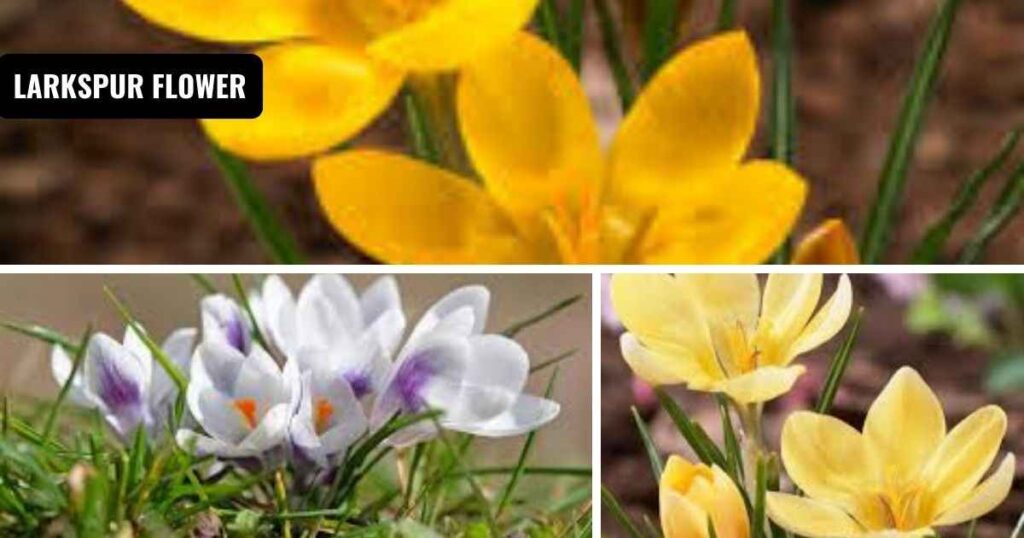
Snow Crocus (Crocus chrysanthus)
The snow crocus is the earliest variety to bloom in spring. Its small, hardy flowers often emerge while snow is still on the ground, making it one of the first signs of the new growing season.
Giant Dutch Crocus (Crocus vernus)
The giant Dutch Crocus is known for its large, colorful blooms that appear in mid-to-late spring. It is the most common crocus variety found in gardens and landscapes.
Pickwick
‘Pickwick’ is a striking spring-blooming variety with lilac petals accented by dark purple stripes. Its unique color pattern makes it a favorite for borders and flower beds.
Bowles White
‘Bowles White’ produces elegant white flowers with a bright golden-yellow throat. This variety adds a clean, fresh look to spring gardens and pairs well with colorful crocuses.
Flower Record
‘Flower Record’ features large, pale violet blooms that are slightly bigger than many other crocus varieties. It creates an eye-catching display in gardens during spring.
Tommies (Crocus tommasinianus)
Tommies bloom in early spring and are more resistant to squirrels than most crocus varieties. They spread naturally over time, making them an excellent choice for naturalized landscapes.
Saffron Crocus (Crocus sativus)
Unlike spring-blooming crocuses, saffron crocuses flower in fall. It is the only crocus species that produces the valuable saffron spice, harvested from its red stigmas.
Crocus vs. Autumn Crocus: Please Don’t Mix These Up
Autumn crocus (Colchicum autumnale) isn’t actually a crocus at all; it’s in the lily family, not the iris family. True crocus (including fall-blooming saffron crocus) has three stamens; Colchicum has six. And here’s the part that actually matters for safety: Colchicum is considerably more toxic than true Crocus. If you’re buying bulbs for fall color, double-check the botanical name before you commit; the common names alone are genuinely confusing enough to cause real mix-ups.
Growing Crocus Successfully
Planting Crocus Corms (the “Bulbs”)
Crocus corms are about as forgiving as bulbs get, which is why they’re often recommended for beginners.
- When: September through November for spring-blooming types, planted before the ground freezes. August for fall-blooming saffron Crocus.
- Depth: 3 to 4 inches deep, pointed end up.
- Spacing: A few inches apart, but plant in clusters of 10 or more rather than a single row; a lone corm or two tends to disappear visually in a bed.
- Soil and sun: Well-draining soil, full sun to part shade.
- Water: Water well right after planting, then mostly leave it alone.
Bulbs vs. Seeds
If you’re wondering why almost nobody grows Crocus from seed, it’s simple. Seed-grown Crocus can take several years to reach flowering size, while a planted corm usually blooms the very next season. Bulbs win on patience alone.
Fertilizing (Without Overdoing It)
Crocus doesn’t need heavy feeding, but a couple of rules matter:
- Use a bulb-specific fertilizer or bone meal; never drop fertilizer directly into the planting hole.
- Skip anything high in nitrogen or labeled “all-purpose.” It pushes leafy growth at the expense of actual flowers.
- One feeding in early fall at planting time and one more in early spring as shoots come up are plenty.
USDA Zones
Spring-blooming crocus is generally hardy in zones 3–8. The saffron crocus is a bit pickier; it does best in zones 6–10 and actually needs a hot, dry summer to bloom well, which is why it performs better in the American South and Southwest than in cooler, wetter climates.
Caring for Crocus After Planting
Once it’s established, crocus care is almost entirely about not doing things:
- Water lightly in fall while corms are establishing and again in spring during active growth, but back off during regular rain. Logging soil is the fastest way to rot a corm.
- Let the foliage die back naturally. Cutting it early robs the corm of the energy it needs for next year’s bloom.
- If it’s naturalizing in your lawn, hold off mowing that patch until the leaves have fully yellowed, usually 5 to 7 weeks after flowering.
- Forcing Crocus indoors is a fun winter project: pot corms about an inch deep in mid-October, chill them at 35–45°F for 12 to 14 weeks (an unheated garage or the back of the fridge both work), and then bring them into a warm, bright room to bloom weeks ahead of schedule.
Are Crocus Flowers Toxic to Pets?
Here’s a more honest answer than you’ll get from most sites: true crocuses (spring-blooming Crocus species and saffron crocus) can cause vomiting or stomach upset if a dog, cat, or horse eats the corm, which is unpleasant but generally not classified as seriously poisonous. Autumn crocus (Colchicum) is a completely different story; it’s highly toxic and can be life-threatening if ingested. So the safest approach is simple: keep pets away from both, know which one is actually in your yard, and call a vet immediately if you suspect ingestion of anything you’re not 100% sure about.
Common Crocus Pests and Problems
- Squirrels, chipmunks, voles, and mice are enemy number one; they’ll dig up and eat freshly planted corms before they even get a chance to root. A buried layer of chicken wire or hardware cloth over the planting area, or a granular repellent applied at planting time, helps a lot. Tommies (C. tommasinianus) are reportedly less appealing to squirrels than other types, for what it’s worth.
- Rabbits and birds will occasionally go after open blooms, though it’s usually minor.
- Bulb and root-knot nematodes can affect corms; if a plant’s infected, pull it and toss it rather than trying to treat it.
- Corm rot is almost always a drainage problem. If your soil holds water for more than 5-6 hours after a rainstorm, amend it before you plant.
Design and Companion Planting Tips
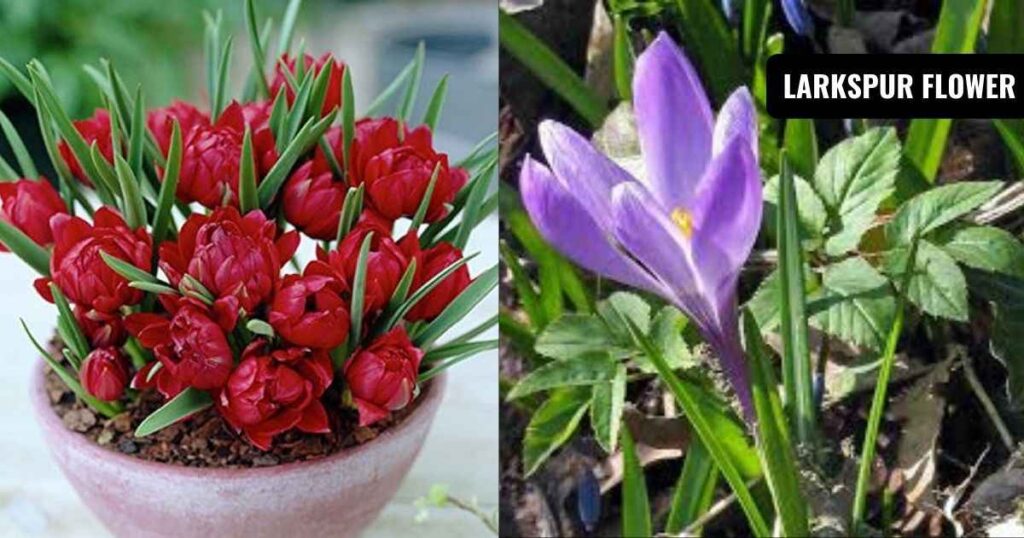
Crocus looks best in drifts, 10, 20, or 30 corms clustered together, not spaced out in a neat little row like soldiers. Plant them in front of taller, later-blooming bulbs like tulips, daffodils, and hyacinths so your garden has layered color as spring progresses, rather than a single flush that fades and leaves a gap. They’re also a natural fit for lawns, border edges, and rock gardens, where their small size actually works in their favor.
Saffron Crocus (Crocus Sativus)
Crocus sativus is the one species responsible for saffron, the dried red stigmas of the flower, hand-picked and famously one of the most expensive spices on earth by weight. It takes somewhere between 70,000 and 200,000 flowers to produce one pound of saffron threads, depending on which source you check, which should tell you everything you need to know about the price tag. Unlike its spring cousins, the saffron crocus blooms in fall and needs a hot, dry summer beforehand, so it’s a better fit for warmer US zones than for the Pacific Northwest or New England.
Benefits of Growing Crocus
- Early nectar and pollen source for bees waking up from winter
- Naturalizes easily in lawns and beds with almost no upkeep
- Drought-tolerant once established
- Long-lasting color when planted in drifts rather than singles
- Blooms when literally nothing else in the garden is doing anything
- Mostly ignored by deer (squirrels are a different matter, unfortunately)
Buying Crocus Bulbs: What to Actually Look For
- Firm corms: No soft spots, no mold, no shriveling.
- Correct botanical labeling: Especially important given the crocus/Colchicum confusion above.
- Clear separation between spring- and fall-blooming stock: A reputable seller won’t mix these without saying so.
Independent bulb retailers and better garden centers usually carry named cultivars like ‘Pickwick’ or ‘Bowles White’ that you won’t find at a big-box store, so it’s worth shopping around if you want something beyond generic “mixed crocus.”
Wrapping Up
The Crocus does a lot with very little. It’s small, it’s cheap, it asks for almost nothing once it’s in the ground, and it still manages to carry thousands of years of symbolism on its shoulders. If you plant nothing else this fall, a few dozen crocus corms tucked into a border or lawn edge will pay you back every single February with color you’ll actually notice.
Crocus Flower FAQs
Do crocus flowers come back every year?
Yes, crocus flowers are true perennials. Plant the corms at the right depth in well-draining soil, and they’ll come back year after year, often multiplying into bigger clusters over time.
What makes the crocus flower unique?
Mainly the timing; it’s one of the very first flowers to bloom each year, sometimes right through snow, and one species (Crocus sativus) is the sole source of saffron.
How tall do crocus flowers get?
Most varieties stay in the 3- to 6-inch range, which is exactly why they work so well in borders, lawns, and rock gardens.
What do you do with crocus bulbs after they bloom?
Leave the foliage alone until it yellows and dies back on its own; that process is how the corm stores energy for next year’s flowers.
When should you plant crocus bulbs?
September through November for spring bloomers, before the ground freezes. August is for fall-blooming saffron crocus.
Are crocus flowers toxic to dogs or cats?
True crocus can cause stomach upset if eaten but isn’t considered highly poisonous. The autumn crocus (Colchicum) is a different plant entirely and is genuinely toxic; keep pets away from both, and call a vet if you’re not sure what was eaten.
Do squirrels really eat crocus bulbs?
Yes, and they’re honestly the biggest threat to a new planting. Burying chicken wire over the corms or using a repellent at planting time is the most reliable fix.
Can you grow crocuses indoors?
Yes, it’s called forcing. Pot the corms in mid-October, chill them at 35–45°F for 12 to 14 weeks, and then bring them into a warm, bright spot to bloom well ahead of the outdoor season.
What’s the difference between crocus and autumn crocus?
The true Crocus is in the iris family and has three stamens. The autumn crocus (Colchicum autumnale) is in the lily family, has six stamens, and is far more toxic, a different plant with the confusingly similar name.
What zone can Crocus grow in?
Most spring crocus does well in USDA zones 3–8. Saffron crocus prefers warmer zones, generally 6–10.
Is the crocus a birth flower?
It’s commonly cited as a birth flower for February and, in some lists, March as well, which is fitting, given it’s often the first bloom of the year in much of the US.
