



Knowing how deep to plant tulip bulbs is essential for growing healthy plants and enjoying beautiful spring flowers. Planting depth affects root development, moisture availability, and bulb stability during winter.
Whether you are preparing a garden bed or growing tulips in containers, choosing the correct depth helps create suitable conditions for growth and flowering. Read more click here.
Most standard tulip bulbs should be planted approximately 6-8 inches deep, measured from the bottom of the bulb to the soil surface. Smaller botanical tulips may require a shallower planting depth.
Soil drainage, bulb size, spacing, and planting time also play important roles in successful tulip growing.
This guide explains the recommended planting depth, how to position bulbs correctly, and how to care for them after planting.
How Deep Should You Plant Tulip Bulbs?
Most standard tulip bulbs should be planted 6–8 inches deep in garden soil. Measure this from the bottom of the bulb to the finished soil surface, not from the pointed tip.
A useful general rule is to plant spring-flowering bulbs at a depth approximately two to three times their height. However, the recommended depth can vary depending on the tulip variety, bulb size, and soil conditions.
Read more about bulbs: Red Lilies: Growing Guide, Care Tips & Best Varieties
Ideal Rule of Thumb
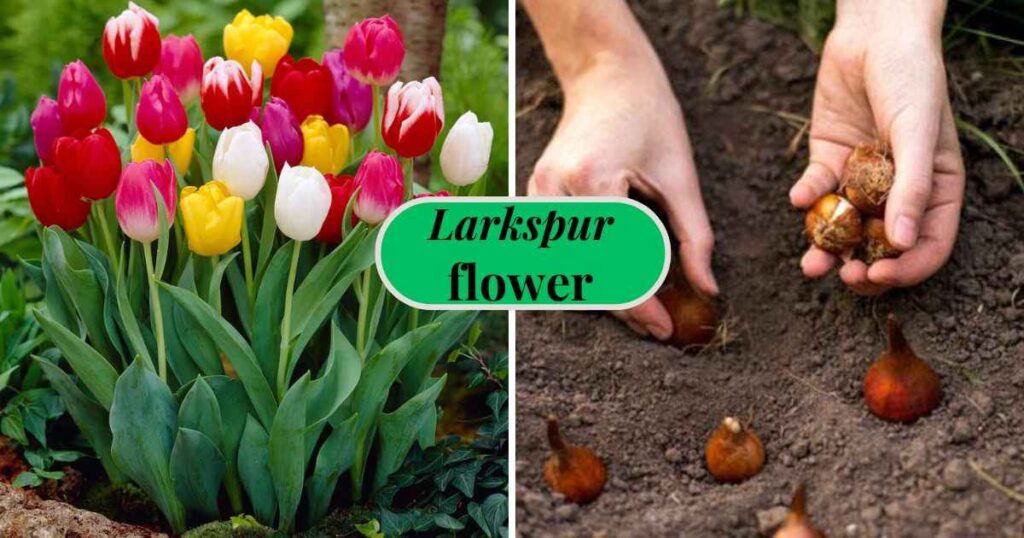
Recommended planting depth
Standard tulip bulbs 6–8″
Small botanical tulips 3–5″
Depth measured from the bottom of the bulb to the soil surface.
Why Does Planting Depth Matter?
Planting depth helps create a suitable environment for tulip bulbs to establish roots and develop flowers.
Planting too shallow: Bulbs may experience greater temperature fluctuations, dry out more quickly, or become exposed to frost heaving in cold climates.
Planting too deep: Planting too deep can delay emergence and reduce flowering performance, particularly when bulbs are planted in unsuitable soil.
Following the recommended depth gives the bulbs suitable soil coverage while allowing shoots to emerge naturally.
How to Plant Tulip Bulbs in the Ground
Planting tulip bulbs correctly does not require complicated equipment. A garden trowel or bulb planter is usually sufficient for a small planting area.
Follow these steps to prepare your garden bed and position the bulbs properly.
1. Choose a Suitable Planting Location
Tulips generally grow best in a sunny location that receives at least six hours of sunlight daily. A site with good drainage is particularly important because bulbs can rot when they remain in waterlogged soil.
Avoid low areas where rainwater collects. If your garden soil drains poorly, consider improving the planting bed or using a raised bed.
2. Prepare the Soil
Tulips prefer fertile, well-draining soil. Before planting, remove weeds, stones, and other debris.
Loosen the soil to help roots develop. If the soil is heavy clay, improve its structure and drainage with suitable organic matter and consider creating a raised planting area.
Avoid planting bulbs in compacted soil that remains excessively wet.
3. Dig the Planting Hole
Dig a hole approximately 6-8 inches deep for standard tulip bulbs.
Measure the depth from the bottom of the hole to the finished soil surface. If you are planting several bulbs, digging a wider trench can be easier than preparing individual holes.
For smaller botanical tulips, adjust the depth according to the bulb size and variety.
4. Position the Bulbs Correctly
Place each tulip bulb with its pointed end facing upward and its flatter root plate facing downward.
The pointed end produces the shoot, while the roots develop from the base.
If a bulb does not have a clearly pointed end, position it on its side. The shoot can usually grow toward the soil surface.
Avoid pressing bulbs too firmly into compacted soil.
5. Cover the Bulbs With Soil
Fill the hole with loose soil until the bulbs are completely covered. Gently level the surface without pressing the soil too tightly.
Water the planting area after planting to settle the soil around the bulbs and encourage root development.
Avoid excessive watering, especially in heavy or poorly drained soil.
Planting Tulips in Pots
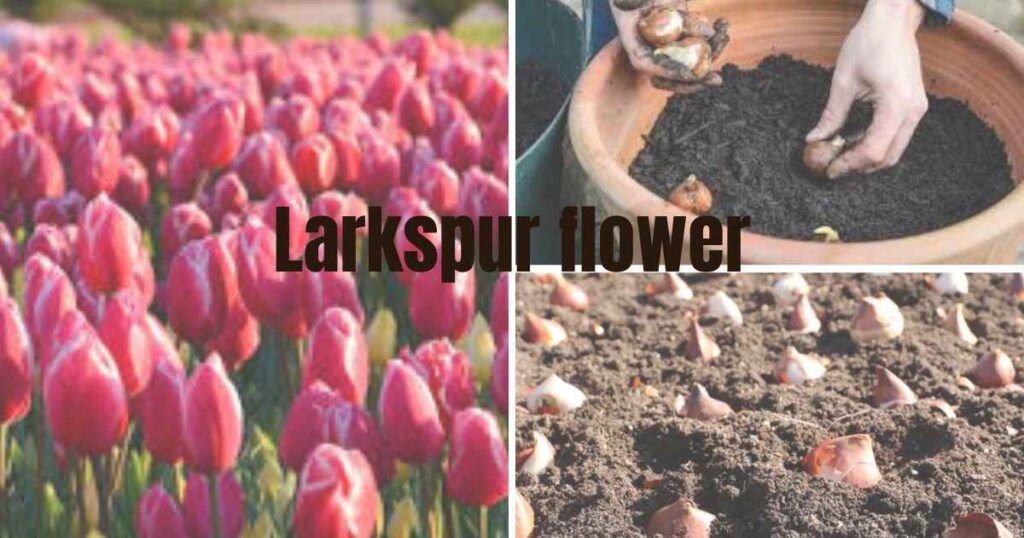
You can successfully plant tulips in pots and enjoy their beauty.
How Far Apart Should Tulip Bulbs Be Planted?
Proper spacing gives tulip bulbs enough room for root development and helps create an attractive flower display.
For most standard garden tulips, leave approximately 4-6 inches between bulbs. Smaller botanical varieties may be planted closer together, depending on their size and planting instructions.
Consider the following spacing guide:
Recommended spacing between bulbs
Standard tulips: 4-6 inches
Botanical tulips 3-4 inches
Spacing is measured from the center of one bulb to the next.
You can plant bulbs in groups or clusters for a fuller appearance. Larger groups of the same variety often create a more natural and visually attractive display than planting bulbs individually in straight rows.
When Is the Best Time to Plant Tulip Bulbs?
Tulips are generally planted in autumn so they can develop roots before winter. The exact planting period depends on your local climate and when the soil cools enough to plant.
In many regions with cold winters, September through November is a suitable period. The soil should be cool, but not frozen.
Autumn planting gives the bulbs time to establish roots before the growing season begins.
Can You Plant Tulip Bulbs in Spring?
Spring planting is possible in some situations, but flowering results may be less reliable.
Tulips generally need a period of cold temperatures to develop properly and produce flowers. Bulbs planted in spring without receiving the required chilling may produce weak growth or fail to flower.
If you live in a region with mild winters, choose bulbs that have been properly pre-chilled by a reliable supplier. Follow the supplier’s instructions for planting and chilling because requirements vary by variety and climate.
How Deep to Plant Tulip Bulbs in Pots
Tulips can also grow successfully in containers. Growing them in pots is useful when garden space is limited or when you want to display flowers on a patio, balcony, or entrance.
For standard tulip varieties, a planting depth of approximately 5-8 inches is a useful starting point, depending on bulb size and container depth.
Follow these container planting tips:
- Choose a pot with drainage holes.
- Use a loose, well-draining potting mix.
- Select a container deep enough to accommodate the bulbs and their roots.
- Position the pointed ends upward.
- Leave suitable spacing between bulbs.
- Water after planting and allow excess water to drain.
You can place bulbs closer together in containers than in garden beds for a fuller display, as long as they are not touching or overcrowded.
Can You Grow Tulips Indoors?
Yes. Tulips can be grown indoors in containers, but they need suitable chilling conditions before flowering.
Many tulip bulbs require several weeks of cold treatment to develop properly. Some varieties are sold already prepared for indoor forcing.
Once the chilling period is complete, move the container to a bright location with suitable temperatures and follow the growing instructions for your variety.
How to Care for Tulip Bulbs After Planting
Correct planting depth is only one part of growing healthy tulips. Proper care after planting helps the bulbs establish roots and prepare for flowering.
Watering
Water the bulbs after planting to settle the soil and provide initial moisture.
During autumn and winter, natural rainfall may provide enough moisture in many climates; if the soil becomes unusually dry, water carefully.
Avoid keeping the soil constantly wet because excessive moisture can encourage bulb rot.
When tulips begin growing and flowering in spring, check soil moisture regularly and water when necessary.
Sunlight
Tulips generally prefer full sun or partial shade. A sunny location encourages healthy growth and flowering.
In warmer climates, afternoon shade may help protect plants from excessive heat, although tulip flowering also depends on receiving the necessary cold period.
Mulching
A light layer of organic mulch can help maintain more consistent soil temperatures and reduce moisture loss.
In cold regions, mulch applied after the ground begins to freeze can also help protect bulbs against repeated freezing and thawing.
Avoid placing an excessively thick, wet layer directly over the planting area.
Fertilizing
Use a suitable bulb fertilizer or balanced garden fertilizer according to the product instructions and soil conditions.
Avoid applying excessive fertilizer because too much can damage roots or encourage unwanted foliage growth.
Removing Faded Flowers
After tulips finish flowering, remove faded flower heads to prevent unnecessary seed production.
However, leave the green leaves until they turn yellow and die back naturally. The leaves produce and store energy that helps replenish the bulb for future growth.
Common Mistakes to Avoid When Planting Tulip Bulbs
Even healthy bulbs may fail to perform well when planting conditions are unsuitable. Avoid these common mistakes:
Planting Bulbs Too Shallow
Shallow planting can expose bulbs to temperature changes and may reduce their stability. Follow the recommended depth for your variety.
Choosing Poorly Drained Soil
Waterlogged soil is one of the main problems for tulip bulbs. Select a well-draining location or improve the planting bed before planting.
Planting Bulbs Upside Down
Position the pointed end upward whenever possible. If the orientation is unclear, placing the bulb on its side is usually preferable to forcing it into the wrong position.
Ignoring Bulb Spacing
Overcrowding can make planting areas difficult to maintain and may affect the appearance of the display. Follow suitable spacing recommendations for the variety.
Cutting Green Leaves Too Early
Removing green foliage immediately after flowering prevents the bulb from receiving the energy it needs for future growth. Wait until the leaves have naturally yellowed and withered.
Conclusion
Understanding how deep to plant tulip bulbs helps you create better conditions for healthy roots and beautiful spring flowers. Most standard tulip varieties should be planted 6–8 inches deep, while smaller botanical varieties may require less depth.
Choose well-draining soil, maintain suitable spacing, position bulbs with their pointed ends upward, and plant them during the appropriate season for your climate.
With the right planting depth and basic aftercare, you can enjoy an attractive display of tulips in garden beds and containers.
Frequently Asked Questions About Planting Tulip Bulbs
How deep should tulip bulbs be planted?
Most standard tulip bulbs should be planted 6-8 inches deep, measured from the bottom of the bulb to the soil surface. Smaller botanical varieties may require a shallower depth of approximately 3–5 inches.
What happens if tulip bulbs are planted too deep?
Bulbs planted excessively deep may take longer to emerge and may struggle to flower, depending on the soil and variety. Follow the recommended planting depth for your particular bulbs.
Can tulip bulbs be planted 4 inches deep?
Some smaller botanical tulips can be planted at around 3-5 inches deep. However, 4 inches is generally too shallow for many standard garden tulips.
How far apart should tulip bulbs be planted?
Most standard tulip bulbs should be spaced approximately 4–6 inches apart. Smaller varieties may need less space. Check the specific planting instructions for your bulbs.
Should tulip bulbs be planted point up or down?
Plant tulip bulbs with the pointed end facing upward and the flatter root plate facing downward. If the orientation is unclear, position the bulb on its side.
Can tulips grow in pots?
Yes. Tulips grow well in containers when given the right planting depth, good drainage, and the required chilling conditions. Choose a pot with drainage holes and enough depth for the bulbs and roots.
Is autumn the best time to plant tulip bulbs?
Yes. Autumn is generally the best planting season in regions with cold winters. It gives the bulbs time to establish roots before spring growth begins. In warmer climates, pre-chilled bulbs may be needed.

2 Comments
Pingback: Calathea Plant Care: Light, Watering & Growing Tips
Pingback: Red Lilies: 12 Stunning Varieties, Colors & Growing Tips