


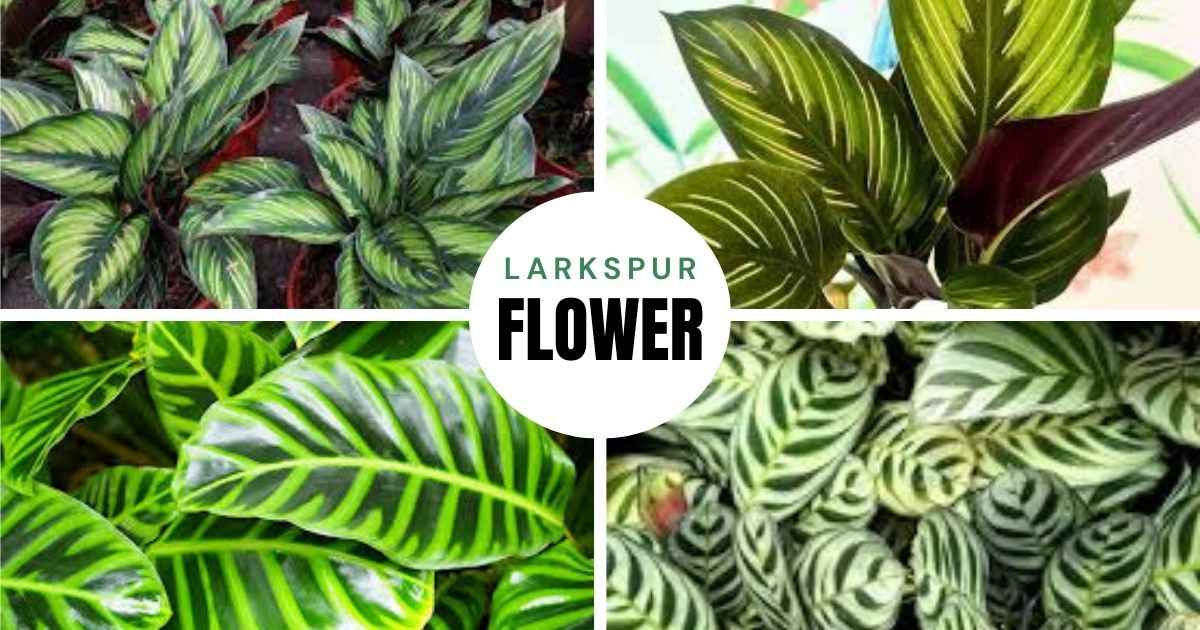
A calathea plant can bring beautiful color and natural texture to an indoor space with its decorative leaves and striking patterns. Often called a prayer plant, it is popular among houseplant lovers because some varieties move their leaves throughout the day, folding them upward at night.
However, keeping a Calathea healthy requires the right balance of light, moisture, warmth, and humidity. With a suitable location and a consistent care routine, you can help your plant maintain its attractive foliage and produce healthy new growth.
Read more: 10 Smart Tips: How Deep to Plant Tulip Bulbs Right
What Is a Calathea Plant?
Calatheas are tropical foliage plants from the Marantaceae family. They are grown mainly for their colorful, patterned leaves rather than their flowers. Depending on the variety, the foliage may feature dark green, light green, silver, pink, purple, or cream markings.
Many plants traditionally sold as Calatheas are now classified under related botanical groups, including Goeppertia, Ctenanthe, and Stromanthe. However, the name Calathea remains widely used by houseplant retailers and gardeners.
One interesting feature of these plants is their leaf movement. Some species raise or fold their leaves in response to changes in light throughout the day. This natural movement, known as nyctinasty, explains why certain Calatheas are commonly called prayer plants.
Popular Types of Calathea Plants
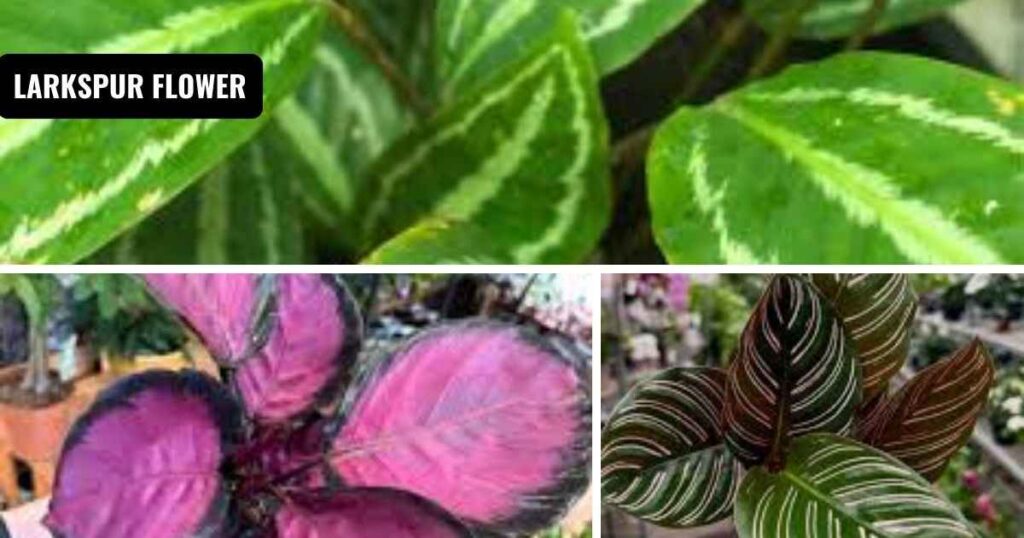
There are wide varieties with different leaf shapes, colors, and patterns. Here are some popular choices for indoor growing.
1. Calathea Orbifolia
Calathea orbifolia is recognised by its large, rounded leaves with silvery-green stripes. Its broad foliage makes it an attractive choice for rooms with enough space.
2. Calathea Medallion
The Calathea Medallion has rounded leaves with detailed patterns in shades of green and deep purple. The undersides of its leaves often have a rich burgundy color.
3. Calathea Ornata
Also known as the pinstripe plant, Calathea ornata has dark green leaves decorated with thin pink or white stripes. Its elegant leaf markings make it a popular decorative houseplant.
4. Calathea Lancifolia
Calathea lancifolia, commonly called the rattlesnake plant, has long, narrow leaves with wavy edges and dark green markings. The undersides are usually purple.
5. Calathea Roseopicta
This variety is known for its broad leaves with contrasting green, pink, cream, or purple markings. Its colorful foliage can make it a focal point in an indoor plant collection.
Calathea Plant Care Guide
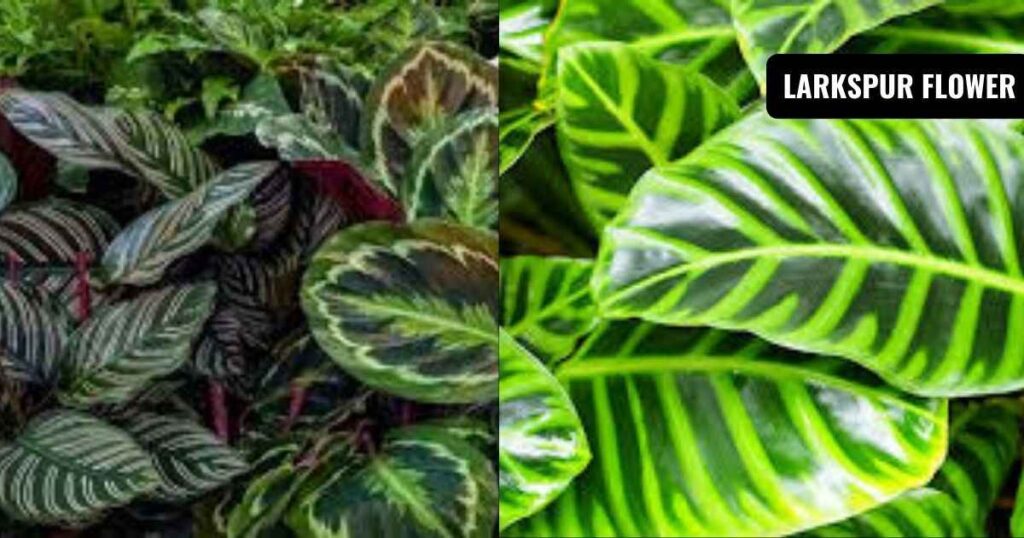
Calatheas grow best when their indoor environment resembles the warm, humid conditions of their tropical habitat. They can be sensitive to sudden temperature changes, dry air, direct sunlight, and inconsistent watering.
1. Light Requirements
A Calathea needs bright, indirect light to maintain healthy foliage. Place it near an east-facing window or in a bright room where direct sunlight doesn’t hit its leaves for long periods.
Direct afternoon sunlight can scorch the foliage, fade its patterns, and cause dry patches. On the other hand, very low light may slow growth and reduce the plant’s overall appearance.
If your room receives strong sunlight, use a sheer curtain to soften it. Rotate the pot occasionally so that different sides receive similar amounts of light.
2. How to Water a Calathea Plant
Proper watering is one of the most important parts of Calathea care. The soil should remain lightly and evenly moist during active growth, but it should never stay waterlogged.
Check the top layer of soil before watering. If the surface has started to dry, water the plant thoroughly until excess water drains through the bottom of the pot.
During cooler or darker periods, the plant usually needs less water because its growth slows down. Allow the surface of the soil to dry slightly before watering again, but do not let the entire root ball become completely dry.
Always empty the saucer or decorative outer pot after watering. Standing water can deprive the roots of oxygen and encourage root rot.
3. Humidity Requirements
Calatheas prefer humid air and may develop dry or brown leaf edges when the surrounding air is too dry.
To improve humidity, you can:
- Place the plant near a humidifier.
- Group it with other indoor plants.
- Keep it in a naturally humid room with suitable lighting.
- Use a pebble tray beneath the pot, making sure the bottom of the pot stays above the water.
A humidifier is often the most reliable option when indoor air is consistently dry. Occasional misting may provide only a temporary increase in moisture and should not replace good air circulation.
4. Ideal Temperature
A Calathea prefers stable, warm indoor conditions. A general household temperature of 18–27°C (65–80°F) suits most varieties.
Keep the plant away from cold drafts, open windows during cold weather, heating vents, and air conditioners that blow directly onto its leaves.
Sudden temperature changes can stress the plant and contribute to curling, drooping, or damaged foliage.
5. Best Soil for Calathea
Choose a loose, moisture-retentive potting mix that also drains well. The roots need consistent moisture, but they also require enough air to remain healthy.
A suitable houseplant mix can contain:
- Quality indoor potting mix for moisture retention.
- Perlite for better drainage and aeration.
- Coco coir or another suitable organic component to help retain moisture.
Avoid heavy garden soil or compacted mixes that remain wet for too long. Use a pot with drainage holes so excess water can escape.
6. Fertilizing a Calathea
Calatheas benefit from light feeding during their active growing season, generally spring and summer.
Use a balanced liquid houseplant fertilizer at the label’s recommended diluted strength. Feed moderately rather than applying large amounts, as excessive fertilizer can lead to mineral buildup and damage the roots.
Reduce or stop feeding when growth slows during cooler months. Avoid fertilizing a plant that is already severely stressed or suffering from root problems.
Common Calathea Problems and How to Fix Them
Changes in leaf appearance can help you identify when growing conditions need adjustment. Before changing your watering routine or applying treatments, check the soil, lighting, humidity, and leaves carefully.
Why Are Calathea Leaves Turning Brown?
Brown tips or edges are common concerns for Calathea owners. Possible causes include:
- Low humidity around the plant.
- Mineral buildup from hard water or excessive fertilizer.
- Inconsistent watering.
- Too much direct sunlight.
First, check whether the soil dries out too quickly or stays wet too long. Then review the plant’s location and water quality. Remove badly damaged leaf sections with clean scissors if needed.
Why Are Calathea Leaves Curling?
Curling leaves may indicate that the plant is losing moisture faster than it can replace it. Dry soil, low humidity, excessive heat, and strong direct sunlight can all contribute.
Check the soil moisture level before watering. Move the plant away from hot windows or air vents, and increase humidity if the air is dry.
Why Are Calathea Leaves Turning Yellow?
Yellow leaves can develop when the roots remain too wet, the soil drains poorly, or the plant experiences environmental stress.
Check the soil before adding more water. If it remains soggy for an extended period, inspect the drainage holes and consider replacing the potting mix. Remove severely damaged leaves and allow the plant to recover under stable conditions.
Why Is My Calathea Drooping?
Drooping leaves can be caused by underwatering, overwatering, temperature stress, or root damage.
Feel the soil before taking action. If it is dry, water thoroughly and let the excess drain. If it is wet and heavy, let it dry and check that the pot has proper drainage.
Common Pests
Calatheas may occasionally attract spider mites, mealybugs, and other sap-feeding pests.
Inspect the undersides of leaves, stems, and leaf joints. Look for fine webbing, small insects, sticky residue, or unusual leaf discoloration.
If you find pests, isolate the affected plant from other houseplants. Remove visible insects and use an appropriate houseplant pest treatment according to its instructions. Check the plant again over the following days because some pests may require repeated treatment.
How to Propagate a Calathea Plant
The most practical way to propagate a Calathea is by dividing a healthy, established plant. Unlike many common houseplants, Calatheas are not normally propagated by taking a single leaf and placing it in water.
Spring or early summer is generally a suitable time for division because the plant is entering an active growing period.
Follow these steps:
- Carefully remove the plant from its pot.
- Examine the root ball and identify natural sections with their own roots and several healthy leaves.
- Gently separate the sections without unnecessarily damaging the roots.
- Place each division into a separate pot containing fresh, well-draining potting mix.
- Water lightly and keep the new plants in a warm location with bright, indirect light.
- Maintain suitable humidity and soil moisture while the divisions establish.
Avoid dividing a weak or unhealthy plant. Give it time to recover before attempting propagation.
How to Repot a Calathea
Calatheas do not need frequent repotting. Consider moving your plant to a larger container when the roots become crowded, grow through the drainage holes, or the potting mix no longer drains properly.
Choose a container only one or two sizes larger than the existing pot. A container that is too large can hold excess moisture and increase the risk of root problems.
Spring or early summer is usually a good time to repot. Use fresh, moisture-retentive but well-draining potting mix, and avoid burying the stems deeper than they were previously planted.
Is a Calathea Plant Safe for Pets?
Calatheas are generally considered non-toxic to cats and dogs according to the ASPCA’s plant toxicity information. This makes them a popular option for homes with pets.
However, non-toxic does not mean edible. Eating plant material can still upset some animals’ stomachs, so it is sensible to discourage pets from chewing on houseplants.
Where Should You Place a Calathea Indoors?
Choose a bright location with filtered light and enough humidity. A suitable bathroom or kitchen may work well if it receives adequate natural light.
A living room near an east-facing window can also be a good option. Avoid placing the plant beside radiators, heating equipment, air-conditioning outlets, or windows with intense direct afternoon sunlight.
Give the leaves enough room to spread and allow air to circulate the plant.
Final Thoughts
A Calathea plant can become a beautiful feature in your home when its growing conditions are right. Focus on bright, indirect light, careful watering, warm temperatures, and adequate humidity rather than following a rigid watering schedule.
Pay attention to changes in the leaves because curling, browning, and yellowing can provide useful clues about the plant’s condition. With consistent care and a suitable indoor location, your Calathea can maintain its colorful foliage and continue adding natural beauty to your space.
Frequently Asked Questions About Calathea Plants
Is a Calathea plant easy to care for?
Calatheas require more consistent attention than some low-maintenance houseplants. They grow best with suitable indirect light, regular moisture, stable temperatures, and good humidity. Once you understand these requirements, maintaining a healthy plant becomes easier.
How often should I water my Calathea?
No fixed watering schedule works for every home. Check the top layer of soil regularly and water when it begins to dry. Watering frequency depends on temperature, light, humidity, pot size, and the growing medium.
Can Calathea grow in low light?
Calatheas can tolerate some lower-light conditions, but they generally grow better in bright, indirect light. Prolonged low light can result in weak growth and less attractive foliage.
Why do Calathea leaves close at night?
Some Calathea varieties move their leaves in response to changing light conditions. This natural behavior is called nyctinasty. The leaves may rise or fold at night and open again during the day.
Can I grow a Calathea in water?
Calatheas are normally grown in a suitable potting mix rather than permanently in water. Their roots need both moisture and oxygen, so a well-draining growing medium is the better choice for long-term care.
How do I make my Calathea grow new leaves?
Provide bright, indirect light, consistent soil moisture, suitable humidity, and stable temperatures. Feed moderately during active growth. Healthy roots and stable growing conditions give the plant a better chance of producing new leaves.
Are Calathea plants safe for cats and dogs?
The ASPCA lists Calathea as non-toxic to cats and dogs. However, pets should still be discouraged from eating the leaves because consuming plant material can cause digestive upset.
