



If you have ever stood in front of a rose bush with pruning shears in hand, wondering whether you are about to help the plant or ruin the whole season, you are not alone. When to prune roses?. Timing is the one part of rose care that trips up even people who have grown roses for years. Cut too early and a cold snap can kill the new growth. Cut too late, and you lose the first flush of blooms. This article answers the question plainly, then walks through every rose type, every climate zone, and every season so you know exactly what to do and when to do it.
Quick Answer
Most rose bushes should be pruned in late winter or early spring, right after the last hard frost and just as new buds begin to swell along the canes. For roses that bloom only once a year, the better time is right after they finish flowering, not in spring. The exact month depends on where you live and what type of rose you are growing, both of which are covered in detail below.
Read More About: How Long Do Roses Last? Expert Tips And Lifespan Guide
Why Pruning Timing Actually Matters
Pruning is not just about tidying up a bush. It tells the plant when to put its energy into new growth. Cut at the right moment, and the rose responds with strong canes, better airflow, and a full season of blooms. Cut at the wrong moment, and you either expose tender new shoots to frost damage or remove wood that was about to flower. Timing mistakes are the single biggest reason rose bushes look weak or produce fewer flowers than they should.
Let nature set the calendar.
Long before weather apps and planting charts, gardeners relied on a simple observation called phenology, which is just the study of when things happen in nature each year. The old rule passed down through generations of rose growers is to prune when the forsythia bushes bloom. Forsythia responds to the same soil warming and daylight changes that wake up roses, so its yellow blooms are a natural signal that pruning season has arrived in your area. If you do not grow forsythia, watching your own rose canes for the first sign of red or green buds works just as well.
When to Prune Roses by Type
Not every rose follows the same schedule. Knowing your rose type before you cut is the single most useful thing you can do.
Hybrid Tea, Floribunda, and Grandiflora Roses
These are the classic repeat blooming roses most people picture when they think of a rose bush. Prune them in early spring once new red buds appear along the canes. This encourages bushy growth and a steady supply of blooms through summer and fall.
Climbing Roses
Climbing roses grow two kinds of canes. Main canes rise from the base of the plant and rarely need cutting. Lateral canes branch off the main canes and are where most of the flowers form. Prune the lateral canes back after the first flowering, usually in late summer or early fall, since these roses bloom on wood grown the previous year. Cutting them back hard in spring removes flowers before they ever open.
Shrub and Landscape Roses
These easygoing varieties need only light shaping. Trim them in late winter or early spring, removing dead wood and cutting the whole plant back by roughly half its height if it has become overgrown. They tolerate a much looser pruning style than hybrid teas.
Knockout Roses
Knockout roses are usually ready for their first real pruning in their second or third growing season, once they reach a mature height of three to four feet. Because they bloom on new growth, remove old, dead, or broken canes first, then cut the whole plant back by about a third of its height. These roses bloom in phases, so a light trim right after a bloom cycle ends will encourage the next round of flowers.
Old Garden and Once Blooming Roses
Varieties such as many old garden roses, along with a few Bourbons, Chinas, and Noisettes, flower only once a season on the previous year’s wood. Prune these immediately after they finish blooming, never in spring, or you will cut away the buds that were about to open.
Miniature Roses
Miniature roses follow a schedule close to hybrid teas. Prune just after the danger of frost passes to remove winter damage and reshape the plant for the new season.
Read About: 7 Stunning Flowers With Orange for a Vibrant Garden
Pruning by Hardiness Zone
Climate has a bigger effect on timing than the calendar date does. Use these zone estimates as a starting point, then confirm timing by watching your own plants for bud swell.
Zone three and zone four: Mid May to early June; Zone five and zone six: Mid to late April; Zone seven and zone eight: Mid to late March; Zone nine and zone ten: Late February to early March; Zone eleven and warmer: Light pruning after each bloom cycle rather than one big seasonal cut
Warmer regions can begin earlier because frost risk passes sooner. Colder regions need to wait longer, since pruning too soon invites the plant to push out tender new growth right before a freeze.
The Signs That Tell You It Is Time
Rather than relying only on a date, walk out to your roses and look closely at the canes. The clearest signal is buds that have started to swell and show a hint of red or green color but have not yet unfurled into leaves. If the buds are still tightly closed, wait a little longer. If leaves have already opened fully, you have waited past the ideal window, though it is still worth cleaning up dead wood.
A Season by Season Pruning Calendar
Spring
This is the main pruning season for most repeat blooming roses. Once the last frost has passed and buds are swelling, remove dead wood, open up the center of the plant for airflow, and cut remaining canes back to an outward facing bud.
Summer
Major pruning is not needed in summer, but this is the season for deadheading, which means snipping off spent blooms to encourage new ones. It is also a good time to remove any dead or diseased branches you spot, along with suckers growing from the base.
Fall
Avoid heavy pruning in fall. New growth stimulated by cutting will be tender and vulnerable to an early freeze. Limit fall work to trimming overly long canes so they do not snap or loosen the plant’s roots in winter wind, and remove any obviously dead or diseased wood.
Winter
In most regions, this is a dormant period with little pruning activity. In warmer zones, light pruning can begin as early as January. Everywhere else, winter is the time to plan and gather tools rather than cut.
What You Need Before You Start
Having the right equipment on hand makes the whole process safer and cleaner.
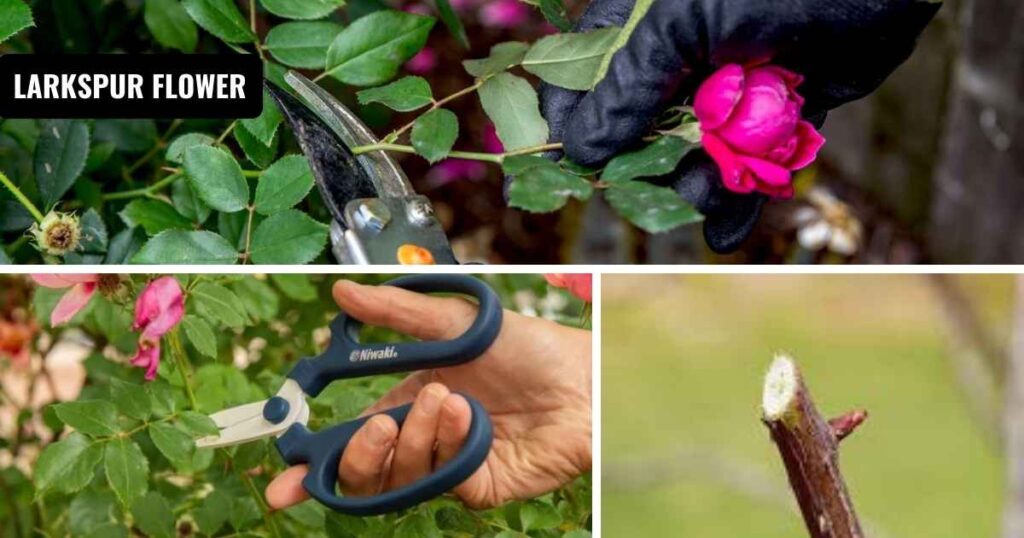
Sharp bypass shears
These have overlapping blades that make a clean cut, unlike anvil style blades that can crush the cane.
Thick gloves
Gauntlet style gloves that cover the forearm offer the best protection from thorns.
Long sleeves
A simple layer of protection goes a long way when reaching into a dense bush.
Rubbing alcohol
Wipe your blades between cuts and between plants to avoid spreading disease.
A sealing compound
Optional but useful for protecting fresh cuts from rot and borers, especially on thick canes.
How to Prune a Rose Bush Step by Step
- Remove any leaves still clinging to the canes so you can see the full structure of the plant and check for hidden pests.
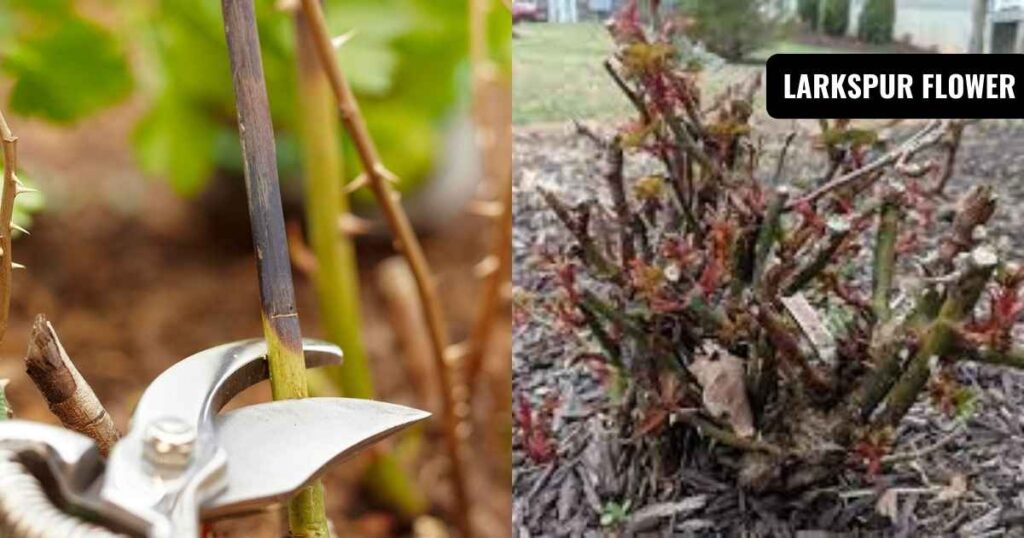
- Identify dead wood by cutting into a cane. Brown and dry inside means dead; green and moist means living. Cut all dead wood back to its base.
- Open up the center of the bush by removing canes that cross or rub against each other. The goal is an open, vase like shape that lets air move freely through the plant.
- Remove any growth thinner than a standard pencil, since these weak canes rarely produce strong blooms.
- Cut the remaining healthy canes back to an outward facing bud, leaving about a quarter inch of stem above it. Angle the cut so water runs away from the bud rather than pooling on it.
- Seal larger cuts if you are in an area with rose borers or a history of cane rot.
- Clear away all trimmings and fallen leaves from around the base of the plant, since pests and disease can linger in old plant material.
- Feed the plant with a slow release fertilizer once pruning is finished to support the new growth you have just encouraged.
The One Third Rule and the Three D Rule
Two simple guidelines keep most rose owners from overdoing it. The one third rule states that you should never remove more than a third of the plant in a single pruning session, since taking more can stress the bush and delay blooming. The three D rule applies year round and stands for dead, diseased, and damaged wood, all of which can and should be removed the moment you notice it, regardless of season.
Common Mistakes to Avoid
Pruning too early
Cutting as soon as the weather feels warm, before the true last frost date, exposes new growth to cold damage.
Cutting once blooming roses in spring
This removes flowers before they ever open, since these varieties bloom on last year’s wood.
Using dull tools
Ragged cuts heal slowly and invite disease, so keep blades sharp and clean.
Ignoring crossing branches
Canes that rub against each other create wounds that welcome pests and fungal problems.
Skipping aftercare
Pruning without a follow up feeding leaves the plant without the resources it needs to push out strong new growth.
What Happens to Rose Hips
Rose hips are the small, round fruit that forms after a bloom fades and is not deadheaded. In colder climates, the plant naturally slows down for winter regardless, but in warmer regions, leaving the last blooms to form hips instead of deadheading them signals the rose that it is time to rest. If you garden somewhere with mild winters, consider letting a few late blooms turn to hips rather than cutting every spent flower.
Conclusion
Learning when to prune roses comes down to reading two things together: your climate and your rose type and then confirming it with what the plant itself is telling you through its buds. Once you understand the difference between a hybrid tea, a climbing rose, and an old garden variety, the timing becomes far less confusing. Watch the buds, follow the one-third rule, and keep your tools clean, and your roses will reward you with a fuller, healthier bloom season year after year.
Frequently Asked Questions
What is the best month to prune roses?
The best month depends on your climate zone, but most gardeners in temperate regions prune between February and April, once buds begin to swell and the risk of hard frost has passed.
Should you cut roses back after they bloom?
For repeat blooming roses, deadheading spent flowers throughout the season encourages more blooms. For once blooming roses, the main pruning happens right after flowering ends, not during the growing season.
How far down should you cut roses for winter?
In regions with harsh winter wind, cutting canes back to around thirty inches tall helps prevent the plant from loosening or snapping in storms. This is different from the main spring pruning, which cuts much lower.
Can you prune roses in autumn?
Light pruning to remove dead or diseased wood is fine in autumn. Heavy pruning should wait until spring, since cutting stimulates new growth that cold weather can damage.
How do you know if a rose bush needs pruning?
Look for dead brown canes, thin weak growth, branches crossing and rubbing together, and an overall crowded center with poor airflow. Any of these are signs it is time to prune.
Is it possible to prune a rose bush too hard?
It is very difficult to kill a rose through pruning, but cutting more than a third of the plant at once can stress it and delay that season’s blooms. Roses are resilient and typically recover quickly.
Do climbing roses get pruned the same way as bush roses?
No. Climbing roses have main canes and lateral canes, and it is the lateral canes that get cut back, usually after the first bloom, since these roses often flower on the previous year’s wood.
What tools do you actually need to prune a rose bush?
A pair of sharp bypass shears, thick gloves, rubbing alcohol for sterilizing blades, and optionally a sealing compound for larger cuts are all you really need to get started.
