



When to plant tulip bulbs is a common question from gardeners. Plant tulip bulbs in fall, once the soil has cooled below 60 degrees Fahrenheit but before the ground freezes solid. For most gardeners in the United States, that window falls somewhere between late September and early December, depending on your climate zone.
Gardeners in warm winter areas need to chill their bulbs in a refrigerator for ten to fourteen weeks before planting, since the ground never gets cold enough on its own.
If you only remember one thing from this article, remember this: tulips are planted in fall so they can bloom in spring. It feels backward the first time you hear it, but it is the reason so many new gardeners end up with short, weak flowers or no blooms at all.
Read More: 10 Smart Tips: How Deep to Plant Tulip Bulbs Right
Why Fall Planting Actually Works
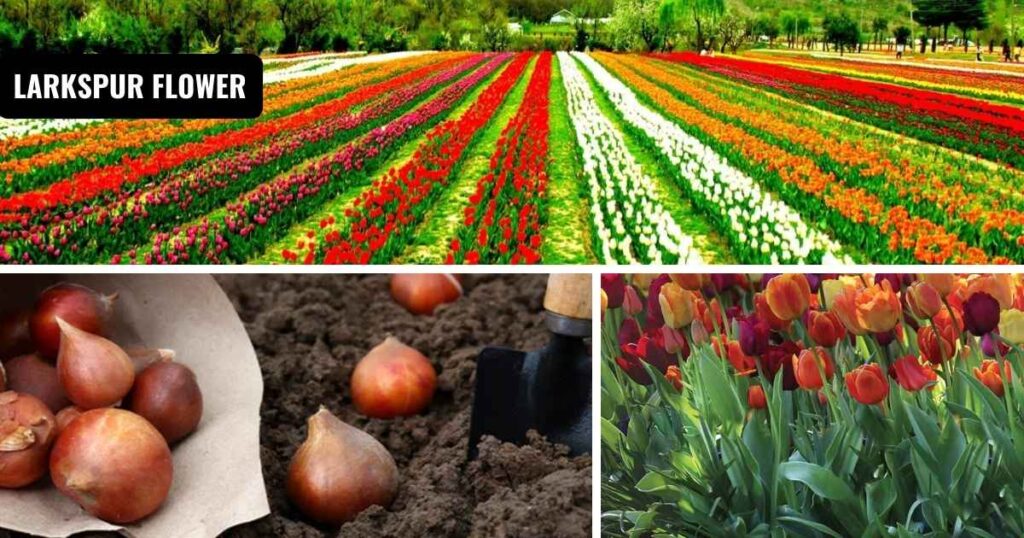
Tulips are not like most flowers you tuck into the ground and watch grow within a few weeks. A tulip bulb already contains a fully formed flower in miniature, and that flower needs a long stretch of cold before it will push up through the soil. Gardeners call this process vernalization, and it simply means the bulb has to experience winter before it can experience spring.
During this cold period, which usually lasts twelve to fourteen weeks, chemical changes inside the bulb convert stored starch into the sugars the plant will use for growth. Skip this step, or cut it short, and the flower stem will come up stunted, or it may not come up at all.
This is also why the calendar matters more than the thermometer on any single day. What you are really watching for is soil temperature, not air temperature, and the two do not always match.
The Real Signal: Soil Temperature, Not the Date
Instead of circling a date on the calendar, check the soil itself. Push a soil thermometer about four inches down in the spot where you plan to plant. Once it reads consistently below 60 degrees Fahrenheit for a week or two, and nighttime air temperatures are settling into the 40s, your bulbs are ready to go in.
Planting too early, while soil is still warm, can trick the bulb into sending up green growth before winter arrives, and that growth will likely be damaged by the first hard freeze. Planting too late, once the ground has already frozen solid, means the bulb never gets the chance to grow the roots it needs before winter sets in.
A good middle target most gardeners use: get bulbs in the ground about six weeks before the average first hard frost in your area.
Best Planting Times by Region
Every region warms and cools on its own schedule, so the exact month will shift depending on where your garden sits.
Cold northern climates
In the coldest parts of the country, plant from late September through the middle of October. Winter arrives quickly here, so an earlier start gives roots enough time to establish before a hard freeze locks up the soil.
Moderate climates
In milder regions with longer autumns, you have more flexibility, generally from mid October through mid November. The extended fall season means the soil takes longer to drop below that 60 degree mark.
Warm southern climates
In areas with mild winters, wait until late November or even into December to plant, once nighttime temperatures are reliably cool. Because the ground rarely gets cold enough on its own in these regions, bulbs need to be chilled artificially first.
To find your planting window with more precision, look up your local hardiness zone and count backward six weeks from your average first frost date. Local extension offices and garden centers can usually tell you that date in seconds if you are not sure.
More Information: Crocus Flower: Meaning, Colors, Varieties, and How to Actually Grow One
When to Plant Tulip Bulbs: How to Chill Bulbs in Warm Climates
If winters where you live rarely dip below 60 degrees Fahrenheit for more than a few weeks, your tulip bulbs will not get the cold exposure they need from the ground alone. Here is how gardeners in warm climates handle it.
Place unpotted bulbs in a paper bag or a mesh produce bag, and store them in a refrigerator kept between 40 and 45 degrees Fahrenheit for ten to fourteen weeks before planting. Keep them far away from apples, bananas, and other ripening fruit. Ripening fruit releases a gas that can damage the flower inside the bulb before it ever gets planted.
Once the chilling period is complete and outdoor nighttime temperatures have cooled, plant the bulbs right away. Do not let them sit at room temperature for long after coming out of the refrigerator.
Choosing Bulbs Worth Planting
Timing only pays off if the bulbs themselves are healthy, and this is a step many guides skip entirely.
Look for bulbs that feel firm and heavy for their size, similar to a firm onion. Skip anything that feels soft, spongy, or shriveled, and check for mold, mildew, or a sour smell, all of which signal a bulb that will rot instead of grow. A dry, papery outer layer is normal and does not need to be removed.
Larger bulbs generally produce larger, showier flowers, while smaller bulbs still bloom but tend to produce smaller flowers in their first year. If you want blooms at different times through spring, mix early, mid, and late season varieties in the same planting so the display lasts longer instead of finishing all at once.
Order or buy bulbs as early as you can in late summer, since popular varieties often sell out well before the ideal planting window even arrives. If your bulbs arrive before you are ready to plant, store them somewhere cool, dark, and well ventilated, ideally between 50 and 65 degrees Fahrenheit, until it is time to put them in the ground.
Preparing the Soil and Site
Tulips are not fussy plants, but they do have three clear preferences.
They want soil that drains well, since standing water around the bulb is one of the fastest ways to cause rot. Sandy or loamy soil works best. They want at least six hours of direct sun each day during the spring growing season, even if that spot sits in shade for the rest of the year. And they prefer soil that sits close to neutral, somewhere between 6.0 and 7.0 on the pH scale.
To prepare the bed, loosen the soil eight to twelve inches deep using a garden fork, tiller, or spade, and work in a couple inches of compost if your soil is heavy or clay based. Avoid low spots in the yard where water naturally pools after rain, since that moisture will sit right where the bulbs are trying to grow.
When to Plant Tulip Bulbs: Step by Step Planting Instructions
Planting itself only takes a few minutes once the bed is ready.
Dig a hole about three times as deep as the bulb is tall, which usually works out to six to eight inches for a standard tulip bulb. Set the bulb in the hole with the pointed tip facing up and the flatter root side facing down. Space bulbs four to six inches apart, or plant them closer together if you are aiming for a dense, full look. Cover the bulb completely with soil and press down gently so there are no air pockets around it. Water the area thoroughly right after planting, since this settles the soil and signals to the bulb that it is time to start growing roots.
For the best visual effect, plant bulbs in clusters of ten or more rather than in a single straight line. Groups and drifts read as intentional and full, while single bulbs scattered around a bed tend to look sparse once they bloom.
Feeding Your Tulips
Tulip bulbs already store most of the energy they need for that first bloom, so heavy feeding is not required. Still, a light boost helps.
At planting time, mix in some bone meal or a balanced granular flower fertilizer, one with roughly equal parts nitrogen, phosphorus, and potassium. Give the bulbs a second light feeding in early spring, right as the green shoots first break through the soil. Avoid piling on fertilizer, since too much nitrogen in particular can encourage soft, leafy growth at the expense of the flower itself.
Mulching and Protecting Bulbs Through Winter
After planting and watering, spread a two to three inch layer of mulch over the bed. This holds moisture, insulates the soil against sudden temperature swings, and helps prevent the bulbs from sprouting too early during an unseasonably warm stretch in the middle of winter.
Squirrels, chipmunks, and voles are the most common reason planted bulbs never come up at all. If pests are a known problem in your yard, lay a piece of chicken wire flat over the planted bed before adding mulch, or plant bulbs inside a buried wire cage. Some gardeners also interplant tulips with daffodils, since daffodils are mildly toxic and animals tend to avoid digging in beds where both are mixed together.

Growing Tulips in Containers
Related Information: 7 Beautiful Pink Tulips Meanings & Growing Tips
Tulips grow just as well in pots as they do in garden beds, which makes them a good option for patios, balconies, or anyone without much yard space. Use a container with drainage holes, fill it with a well draining potting mix, and plant bulbs at the same depth and spacing you would use in the ground. Containers cool down and warm up faster than garden soil, so pots may need to be moved somewhere sheltered, such as an unheated garage, during the coldest part of winter, then brought back outside once temperatures moderate in early spring.
What If You Planted Too Late
If you missed your ideal window and the ground has not yet frozen solid, it is usually still worth planting. Bulbs planted late may bloom a little shorter or later than bulbs planted on schedule, but a shorter bloom is still far better than a bulb left unplanted in a bag over winter. If the ground is already frozen, hold the bulbs in a cool, dry spot and plant as early as possible once the soil thaws in late winter, understanding that bloom quality may be reduced that first year.
Can You Plant Tulip Bulbs in Spring
Technically, yes, but the results are rarely worth it. Tulip bulbs planted in spring have missed their natural chilling period entirely, so they typically produce weak, short stemmed flowers, or no flowers at all in year one. If spring planting is truly your only option, buy bulbs that have already been pre chilled by the supplier, and treat that year’s blooms as a bonus rather than an expectation.
Do Tulips Come Back Every Year
In many parts of the country, especially warmer regions, tulips behave more like annuals and produce their best display in the first spring only, with smaller and fewer flowers in following years. In cooler climates with well draining soil, certain tulip types, particularly Darwin hybrids and species tulips, can naturalize and return reliably for several years. If you want a guaranteed full display every single spring, most experienced gardeners simply plant fresh bulbs each fall.
When to Plant Tulip Bulbs: Key Takeaways
Plant in fall, once soil cools below 60 degrees Fahrenheit and before the ground freezes. Match your planting month to your climate, earlier in cold regions, later in mild ones. Chill bulbs artificially for ten to fourteen weeks if your winters rarely get cold enough. Choose firm, mold free bulbs, and plant them six to eight inches deep with the tip facing up. Water right after planting, then mulch to protect against pests and temperature swings.
FAQs: When to Plant Tulip Bulbs
What is the best month to plant tulip bulbs?
For most of the country, October is the sweet spot. Gardeners in colder northern regions often start in late September, while those in warm southern climates wait until November or December.
Can I still plant tulip bulbs if the ground is not frozen yet?
Yes. As long as the soil can still be worked, planting late is far better than not planting at all, though the resulting bloom may be a bit smaller or later than usual.
Do tulip bulbs need full sun?
They do their best with at least six hours of direct sunlight during the spring growing season, though they can tolerate light shade for the rest of the year since most trees have not leafed out yet when tulips bloom.
Can tulips be grown in pots?
Yes, tulips grow well in containers as long as the pot drains properly and the bulbs are planted at the standard depth. Move pots somewhere sheltered during the harshest part of winter.
Do tulip bulbs multiply on their own?
Some varieties will multiply and naturalize over three to five years in the right conditions, particularly in cooler climates with well draining soil. Many hybrid tulips, however, bloom best only in their first year.
How many flowers does one tulip bulb produce?
A standard tulip bulb produces a single flower on a single stem. Multi headed blooms come from certain specialty varieties, not from the bulb splitting.
How do I stop squirrels from digging up my tulip bulbs?
Lay chicken wire flat over the planting bed before mulching, or plant bulbs inside a buried wire cage. Interplanting with daffodils can also help, since animals tend to avoid areas where daffodils are mixed in.
What happens if I plant tulip bulbs too early?
Warm soil can trick the bulb into sprouting before winter arrives, and that early growth is usually damaged or killed by the first hard freeze, weakening the plant for spring.
