

Introduction
Conical flowering plants can provide structure, height, and visual interest to gardens in ways that many round or spreading flowers cannot. These upright flowers are naturally appealing and can be used for borders, pollinator gardens, cottage landscapes, and contemporary outdoor spaces. Whether you’re landscaping a backyard garden in the Midwest or a colorful landscape in the warmer southern states, cone-shaped flowering plants provide strong focal points and help support pollinators through the growing season.
One reason gardeners increasingly turn to conical flowering plants is their versatility. A wide variety tolerates different climates, fits into smaller spaces, and offers long bloom periods. Some are only 12 inches tall, while others can grow to over 5 feet, so every garden size is flexible.
In this post, we’ll discuss what conical flowers are, how to grow them successfully, which ones work best, and how to use them effectively in real-world landscapes.
What Are Conical Flowering Plants?
Conical flowering plants have flowers or clusters of flowers that naturally form a cone-like shape. They can be narrow and pointed, or wider, with layers of petals around a central cone.
The popularity of these flowers is due to the dimension and shape they bring to landscaping. Gardens gain vertical movement and texture rather than looking flat.
Many gardeners are first introduced to cone-shaped flowers through native wildflowers, but many annuals, perennials, shrubs, and ornamental species are also cone-shaped.
Conical Flower Plants: Why Gardeners Prefer Them
The shape of a flower is more than just eye candy. Cone-shaped flowers have practical uses in the landscape.
Their vertical shape makes them easier to layer in mixed beds. Taller cone flowers at the back of borders naturally frame shorter plants. In smaller gardens, upright blooms pack the most visual punch without eating up too much horizontal space.
Pollinators benefit as well. Cone-shaped flowers are often landing pads and concentrated sources of nectar for bees, butterflies, and other beneficial insects.
Many upright-flowering species also benefit from increased airflow around foliage in hot summer climates, reducing disease pressure.
Best Conical Flowering Plants For Home Gardens
A few varieties consistently perform better than others in American landscapes due to their adaptability and long bloom periods.
Coneflower (Echinacea)
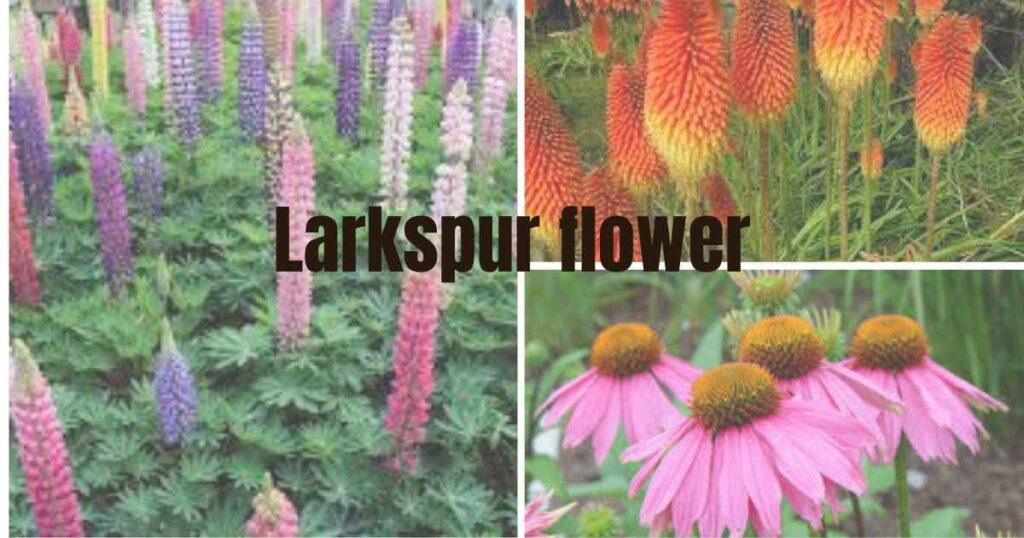
Some of the most recognizable examples of conical flowering plants are coneflowers. The raised central cone with colorful petals creates a striking shape that works in just about any garden style.
Most kinds grow:
Height: 2-4 ft.
Width: 18-24 inches
Sun requirements: 6+ hours a day
Once established, these plants are drought-tolerant and will bloom from early summer through the fall.
Lupines
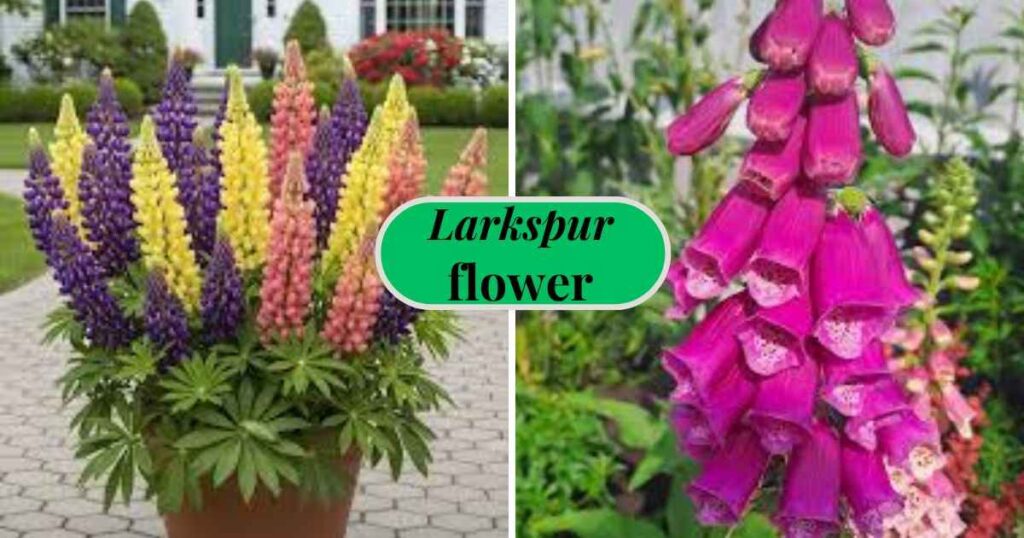
Lupines give you dramatic vertical spikes loaded with flowers.
Typical measurements are the following:
Height: 3-4 ft.
Spread: 1-2 feet.
They have deep roots, so be sure to work the soil to a depth of at least 12 inches before planting.
Red Hot Poker Plants
They are valued for their torch-like flowers, which provide strong architectural interest.
They do best in:
Sun: Full Sun
Soil: Well-drained Soil
USDA Zones: 5-9
Flower spikes often reach 3-5 ft.
Hyssop Varieties
Hyssop has narrow, cone-shaped flower spikes that attract hummingbirds and bees.
Many gardeners use them in herb gardens because they have ornamental value and provide pollinator benefits.
Digitalis purpurea L. (Foxglove)
Foxglove has tall, spire-like flowers that add dramatic height.
Most varieties will grow:
Height: 2–6 ft. high
Width: 12–24 inches broad
In warmer regions, these plants prefer morning sun and afternoon shade.
Healthy Plants Growing Conditions
Successful growth is critically dependent on matching plant selection to local conditions.
light Needs
Most conical flowering plants do well with 6- 8 hours of sunlight per day
In southern climates where summer temperatures often exceed 90°F, partial afternoon shade can help reduce stress.
Soil Conditions
Good drainage is more important than almost anything else.
Best results:
Soil pH: 6.0–7.0
Organic matter: Apply 2-3 inches per year
Drainage depth: Loose soil, at least 10-12 inches deep
Poor root development is often due to compacted soils.
Needs irrigating
Young plants require consistent moisture to get established.
Rule of thumb:
Water well, about 1 inch weekly during active growth.
Established perennials generally tolerate short dry periods better than annuals.
Designing Gardens with Conical Flowering Plants
All the plants are the same shape, which makes many landscapes look flat. Cone-shaped flowers are the solution to this problem.
A simple design method uses 3 layers:
Background plants: 4 to 6 feet high
Middle Layer: 2-3′ tall
Front border: less than 18 inches
For example, tall foxgloves behind medium-sized coneflowers and low-growing annuals add strong visual depth.
Spacing is important, too.
Tall species generally should remain 18 to 24 inches apart
Crowding reduces air circulation and promotes fungal growth.
Tips for Growing in Containers
Many gardeners think tall flowering plants need a big landscape, but wide varieties do well in containers.
Select containers:
Minimum depth: 14-8 in
Width: 12-20 inches
Use a light potting mix rather than heavy garden soil.
Soil in pots dries out faster than in in-ground beds. Plant beds, so water container plants more often.
Common Problems of Growing Cone-Shaped Flowers
Even reliable flowers have their occasional problem.
Fragile Flower Stems
Commonly caused by:
- Excess nitrogen is
- Not enough sunlight
- Overcrowding
Powdery Mildew
This issue is a fungal problem that often appears during humid summers.
Lower risk by:
- The plants are spreading out
- Improved airflow
- Do not water from above
Fewer Blossoms
Typical reasons are:
- Too much shade
- Low soil fertility
- No deadheading
Often, removing spent flowers encourages the plant to bloom again.
Help Pollinators with Cone-Shaped Blooms
An overlooked benefit of conical flowering plants is their ecological significance.
Hummingbirds and many native bees and butterflies like flowers that are easy to land on and have a focal point for nectar.
Planting multiple varieties with staggered bloom times provides food from spring until fall.
A small 6′ x 8′ section for pollinators can support dozens of beneficial insect species over a season.
Are Cone-Shaped Flowering Plants Suitable for Beginners?
Yes. Many types are very simple for beginners.
Once established, coneflowers, hyssop, and some lupines require little maintenance. Their hardiness makes them particularly appealing targets for novice gardeners.
Conclusion: Conical Flowering Plants
Conical flowering plants have more than weird shapes going for them. They offer structure, attract pollinators, provide color all season long, and look great in large landscapes or smaller backyards.
Tall foxgloves, Sunny coneflowers, and short flower spikes for pots. There are ways to make them all look and grow better if you select the right varieties and give them room, sunlight, and drainage.
A few cone-shaped flowers can often add layers and visual balance to average planting beds, keeping them attractive throughout the growing season.
FAQs: Conical Flowering Plants
Which conical flowers bloom the longest?
Many coneflowers and hyssop varieties also boast some of the longest bloom periods, often flowering from summer into fall.
Can conical flowering plants grow in pots?
Sure. A wide variety of plants do well in containers, as long as the pots are deep enough and have good drainage.
Do cone-shaped flowers attract pollinators?
Many species are very attractive to bees, butterflies, and hummingbirds because the shape of their flowers makes it easy for these pollinators to reach the nectar.
Are these plants suitable for beginners?
Absolutely. Several types require little attention and adapt well to a wide range of growing conditions.
