

Introduction
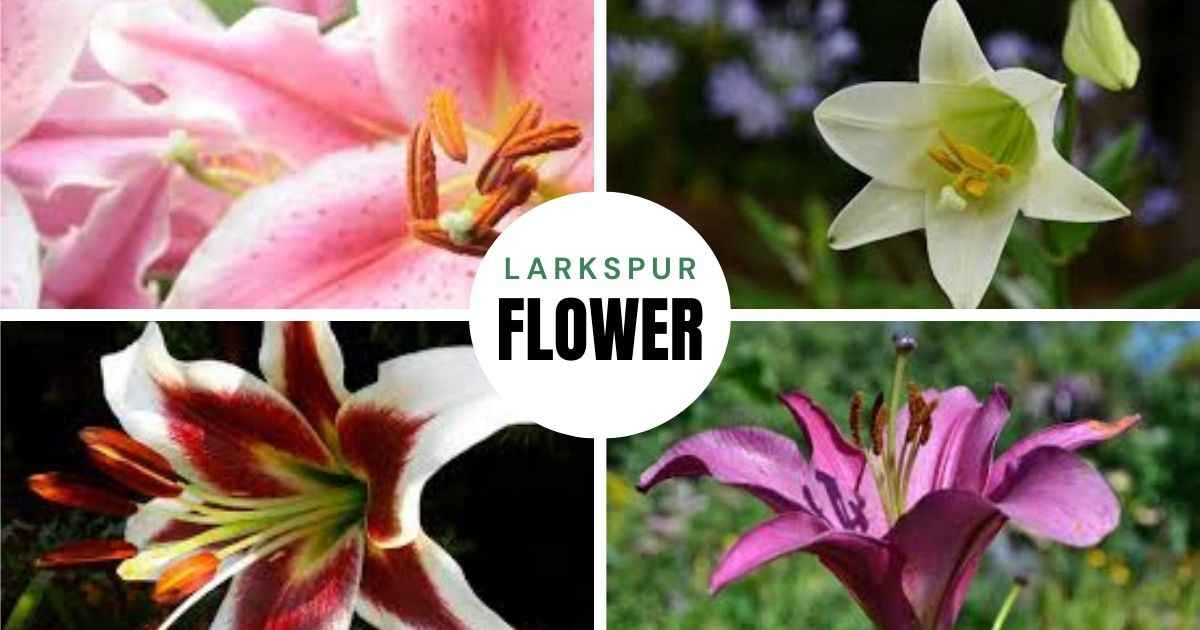
Lily is one of the most beautiful flower in the world, that not only its fragility caught our attention but also many meaning carry by this flower. Whether you’re looking at a white lily or sowing/ planting a colorful lily plant in your garden, the flowers are saying peace and grace. We’ll consider four kinds of lilies and what they represent, how to care for these blossoms and, just as important, how to grow indoor plants indoors.
Lily Flower Meaning
Lilies are historically significant flowers and often have multiple symbolic meanings. The most common and overt association is with purity, rebirth (or resurrection), and transience. Consider the white Lily, often associated with purity and innocence. Elsewhere, too, it represents renewal and motherhood, which is why it’s a popular choice for weddings and baptisms.
The meaning of the lily flowers of different colours. The excellent pink Lily symbolizes wealth and prosperity, while the yellow symbolizes thankfulness, desire, and passion. It’s not as frequent, however, that one would associate the blue lily flower with serenity or the soul.
Types of Lily Flowers
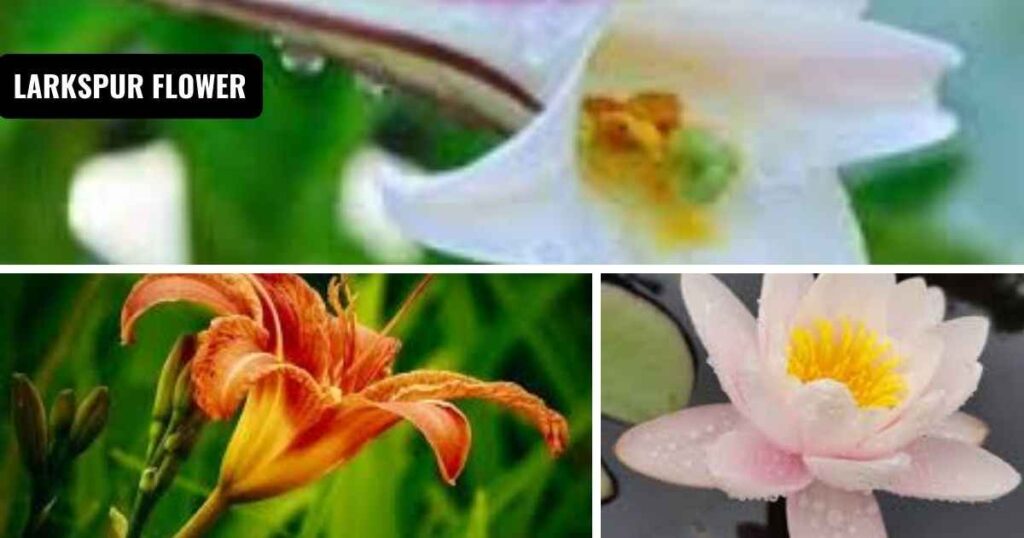
There are many kinds of lily flowers, and here are a few popular types:
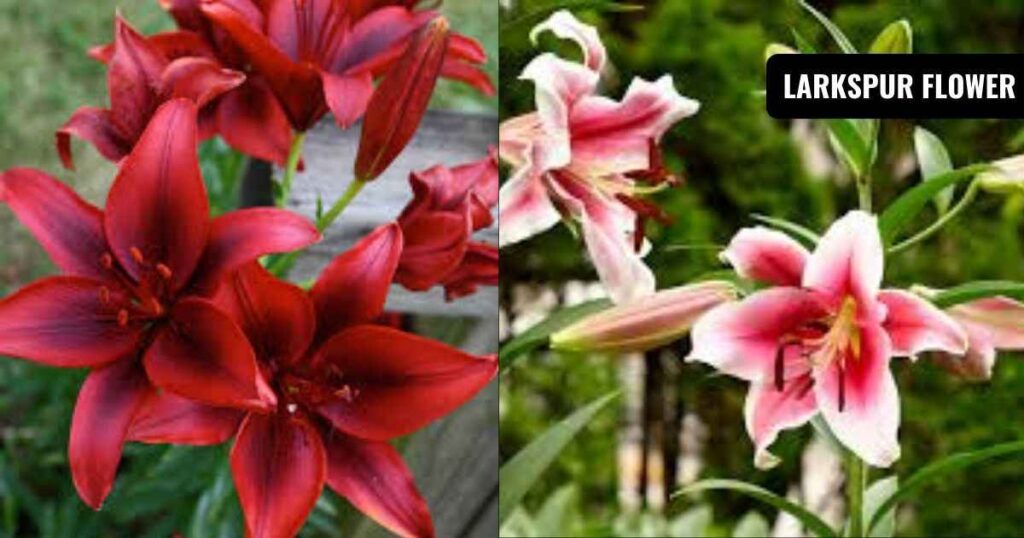
- Asiatic Lilies: Colors of these lilies can vary , such as orange, yellow, and red. They have flashy trumpet-like flowers that are sure to stand out in any garden.
- Oriental Lilies: These lilies have a strong, fragrant scent and are usually white, pink, or purple. These are also popular in bouquets because they smell sweet and look pretty.
- The Trumpet Lilies: Trumpet lilies have trumpeting or flaring flowers that can stretch up to 10 inches wide or larger and come in white and yellow shades. They smell so unbelievably sweet, and to me, like citrus.
- Turk’s Cap Lilies: The Turk’s Cap lily has unique-looking, pendulous flowers that are typically red or orange. These lilies are too beautiful to look at and perfect for creating the impression of a tropical theme garden.
Growing Lily Flowers from Stems
Lilies from Stems
Planting Lily stems is a fun and easy project. Here’s how to get started:
Trimming the stem:
You’ll need a large and healthy lily stem that comes from an adult flower. Make sure the stem is disease-free and at least several inches long.
Turn the Soil:
Lilies prefer well-drained, slightly acidic soil. Add compost to the soil in a garden bed or container for added nutrients.
Plant the Stem:
Slice the stem into smaller pieces, each with one node. Place the cuttings an inch or two deep in the soil, with the nodes underground.
Watering and Maintenance:
Water your cuttings heavily (if you recently planted them), but not so much as to cause rot. Allow the soil to remain moist (rather than waterlogged). Just put the plant in a spot that receives a good amount of indirect light.
Patience: After a couple of weeks, you will see roots and new shoots. Use some tender loving care, and your lily flowers will open in no time.
How to Keep a Lily Plant Alive in the House
Although maintaining an indoor lily plant might be a bit of work, if you follow the tips below, caring for one should come easily.
Sunlight Requirements:
Plant your Lily in a place that gets lots of bright, indirect sunlight. The lilies need at least 4-6 hours of sunlight per day, but direct sunlight can burn their delicate petals.
Watering:
Lilies like to be well-watered, but they hate sogginess. Give your Lily a drink when the top inch of soil is dry, and make sure the pot drains well to avoid root rot.
Is the lily plant used to cooler temperatures?
Ideal lily temperatures are between 65°F and 75°F (18°C to 24°C). They also prefer higher humidity, so you may wish to mist the plant or use a humidifier.
Fertilization:
Fertilize your Lily every 4-6 weeks with a balanced (all-purpose) or high-phosphorus fertilizer during the growing season. Do not fertilize the plant during its dormant periods.
Lily Flower French
Lys means Lily in French, with the same connotations of purity and innocence. The Lily is also known as the national flower of France, symbolizing royalty and honour. In French gardens, the Lily is most frequently found, of which “Lys de la vallée” (Lily of the Valley), blooming in spring, is said to be one variety.
Special Types Of Lily Flower : Blue Lily Flower
This flower type is the blue Lily, rare and costly. While wild blue lilies are uncommon, hybrids exist that offer beautiful shades of blue. The flower of the beautiful, bright blue Lily was planted in gardens and houses whenever peace was desired.
Conclusion
Lily flowers are traditional symbols of beauty, purity and nobility. Both the conventional white Lily and the distinctive blue Lily are held in great esteem by various cultures for their adaptability and beauty. Whether you have an indoor lily plant or, like me, are learning how to grow lily flowers from stem cuttings, the care of these plants is simple and all about basics! With proper care, your lily flowers will bloom and bring beauty to your home or garden for years.
FAQs About Lily Flowers
What does the lily flower mean?
Lilies symbolize purity, rebirth and innocence. In some colours, they also represent love, gratitude and good fortune. Purple flowers symbolize pride; golden and yellow signify one’s desires and gratitude, while white lilies symbolize purity.
Is Lily a symbol of love?
Lilies, white and pink in particular, are accepted as a symbol of love. They’re associated with love spells, weddings, and other expressions of affection.
What is it about lilies?
Lilies have been all the rage for so many reasons, they’re beautiful, they smell amazing, come in so many colours & different shapes. They also bear much symbolism, standing for purity, beauty, and the impermanence of life.
What are the different types of lilies?
Asiatic, oriental, and Trump’s cap lilies are just some of the numerous groups. It’s what makes them a garden and florist favourite, each with its own unique characteristic, whether it’s appearance, size, or even scent.
