

Introduction
Forget me not seeds are among the easiest flowers to grow if you want long-lasting color with minimal maintenance. These tiny seeds produce delicate flowers that may look fragile, but once established, forget-me-nots can spread naturally, attract pollinators, and return year after year with surprisingly little effort.
For many gardeners, the first time they see these flowers is in woodland gardens, cottage-style landscapes, or spring flower beds where soft blue blooms form a carpet-like effect beneath taller plants. They are increasingly popular because they fit almost anywhere. These flowers are very adaptable to many environments, whether you have small borders, large backyard gardens, containers, or raised beds.
Growing them from seed is also much cheaper than buying nursery plants. One inexpensive packet can provide a whole garden space with blooms for years through natural reseeding.
This article walks you through selecting and germinating seeds, planting methods, common mistakes, maintenance routines, and practical gardening techniques that produce healthier plants.
What Are Forget Me Not Seeds?
Forget-me-not plants are usually from the genus Myosotis and are renowned for their groups of small, five-petaled flowers. Gardeners mostly know the classic sky-blue varieties, but the flowers also come in pink, white, and lavender.
Most varieties range from 6 to 18 inches high. They are small, so they are useful in front borders, under shrubs, or around paths.
One reason these flowers are still so popular is their growth habit. They spread readily, and most gardeners have no trouble with them.
Many beginners mistakenly believe that forget-me-nots are annual flowers. Most common garden varieties are actually biennials or short-lived perennials that reseed themselves.
Why You Should Grow Forget Me Not Seeds Instead of Buying Mature Plants
Buying mature flowering plants does work, but there are several advantages to growing from seed.
When you grow plants from seed, they develop roots in their permanent location. This often leads to more vigorous growth than transplanted nursery plants.
Seeds also allow gardeners to cover large areas at low cost.
For example, a 10-foot-wide flower border may require dozens of nursery plants and a lot of money. Usually one packet of seed will produce enough plants to fill the same space.
Growing from seed also gives you more control over spacing, placement of plants, and color combinations.
Selecting the Right Forget Me Not Seeds
Seed quality directly affects germination rates.
When choosing seeds, seek fresh packets harvested within recent seasons. Older seeds have a lower germination rate.
Where possible, gardeners in warmer areas should choose heat-tolerant varieties.
Woodland forget-me-nots are ideal for shady gardens, and alpine types are suitable for cooler climates.
Certified seed suppliers usually have more consistent results than low-quality bulk seed packages.
When to Sow Forget Me Not Seeds
If you want to succeed, timing is everything.” Gardeners in northern states usually plant seeds in the spring or early summer. In the southern states, fall is often recommended as the time to plant. The cooler temperatures help seeds germinate and reduce heat stress.
Forget me not seeds germinate best when temperatures range from 60°F to 70°F. Very hot conditions often greatly reduce germination rates.
If your summers consistently reach 90°F or above, planting earlier usually produces more robust plants.
How the Life Cycle of the Forget Me Not Seeds Works
Knowing how these flowers grow will prevent disappointment.
Young plants focus on leaf production and root development during the first season.
The second season is usually more profuse in flower.
But once populations are established, plants self-seed so aggressively that many gardeners get blooms year after year.
This natural reseeding produces the illusion of perennial planting.
Soil Preparation for Improved Germination
Healthy soil makes a huge difference to seed performance.
Forget-me-nots prefer soil rich in organic material and well-drained.
Before sowing seeds, loosen the soil to a depth of 4 to 6 inches. Mixing compost into the top layer will help retain moisture without causing compaction.
Heavy clay soils hinder the expansion of young roots, leading to weak growth.
Sandy soils tend to drain quickly and may need more organic matter to maintain moisture.
The soil should have a pH of 6.0 to 7.0.
How to Sow Forget Me Not Seeds Properly
One of the biggest mistakes gardeners make is planting seeds too deep.
These seeds need light to germinate properly.
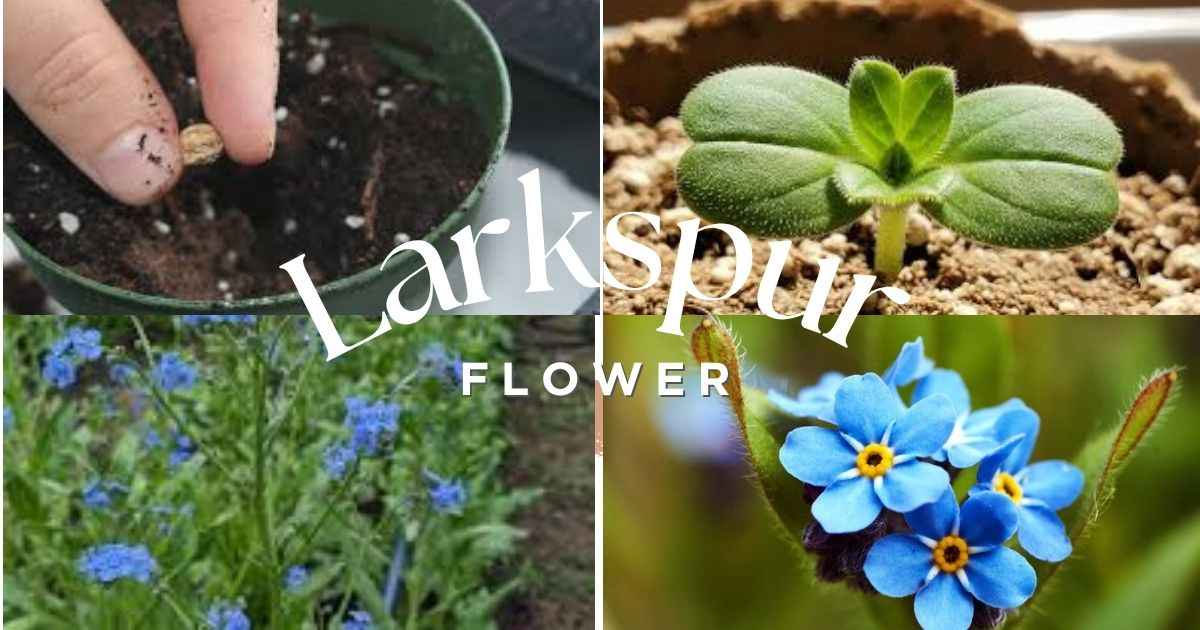
Scatter seeds over prepared soil and press lightly.
Cover with only a thin layer of soil—1/8 inch.
Water lightly after planting.
Avoid high water pressure, as small seeds can be easily moved.
In commercial gardening, sowing seeds about 2 inches apart at planting will prevent crowding in most cases.
Indoor Sowing Method of Forget Me Not Seeds
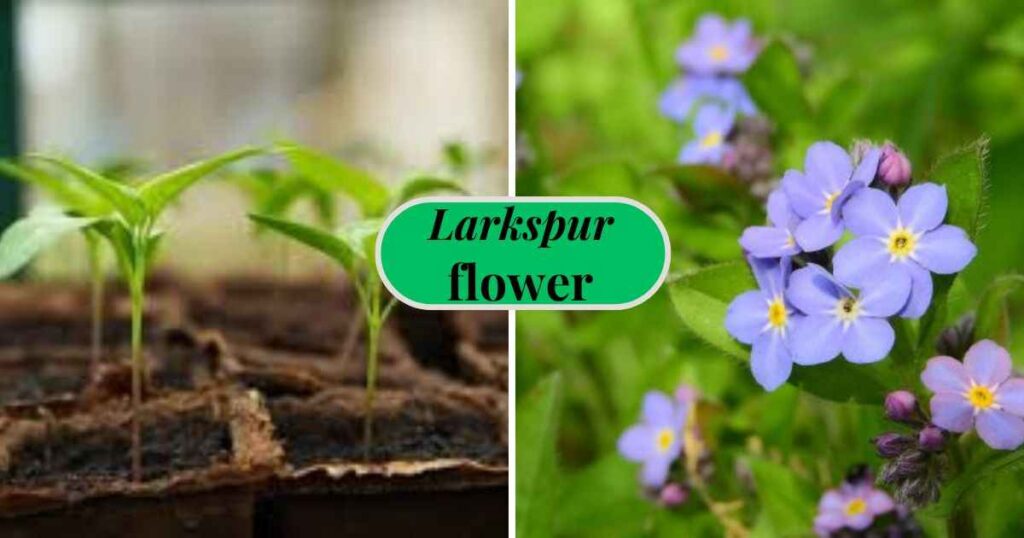
You have more control when starting seeds indoors.
Fill shallow seed trays with a light seed-sowing mixture.
Place trays near a sunny window or under artificial grow lights.
Keep the soil evenly moist, but not soggy.
Typically, germination indoors takes 1 to 3 weeks.
But when the seedlings have a few true leaves, they can be carefully transplanted.
Young seedlings do better when transplanted out on cloudy days.
Cold Stratification and Its Importance
Some gardeners have difficulty remembering about the cold treatment.
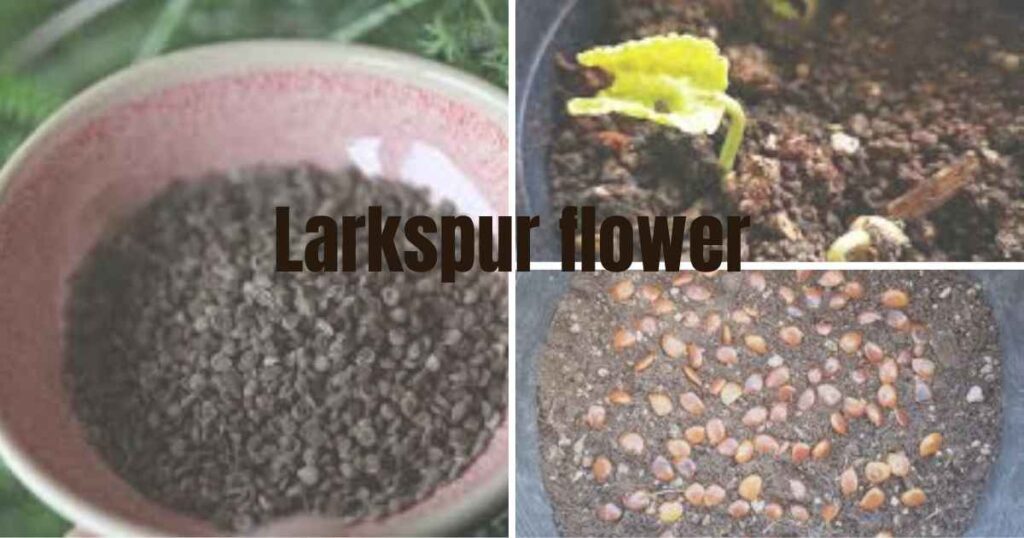
Cold stratification simulates winter conditions.
Store seeds in sealed bags in moist paper towels.
Refrigerate for 2 to 4 weeks.
This process often increases germination rates.
Stratification is not always necessary, but it does increase reliability.
Sunlight Needs for Healthy Flowers
Forget me not seeds like half sun.
Best flowering performance is often the result of afternoon shade combined with morning sun.
In cooler regions, full sun is fine.
Afternoon peak temperatures are usually a concern in hot southern climates.
Too much heat shortens the blooming time.
Watering Practices to Avoid Problems
Steady moisture suits these flowers.
Practical goal: about an inch of water per week.
Shallow roots dry out quickly. More care is needed for young plants.
Deep watering develops deeper roots.
Too much water can cause fungus problems.
If the soil stays wet for a long time, cut back on watering.
Forget Me Not Seeds in Pots
Container growing works really well.
Select containers that are 8 to 10 inches deep or more.
Use a quality potting mix, not heavy clay garden soil.
Containers dry out faster than garden beds.
In summer, container plants may need watering every couple of days.
A 12-inch pot will nicely fit five to seven full-grown plants.
Common Growing Problems
In humid conditions, powdery mildew can develop from time to time.
This condition is normally cured by improved airflow.
Too much shade will generally lead to poor flowering.
Deep planting often results in poor germination.
This increases disease pressure and weakens the plants.
Early removal of excess seedlings greatly improves airflow.
Seed Saving for Future Seasons
Saving seed is simple.
Air dry your flowers.
If seed pods turn brown, pick them gently.
Store seeds in paper envelopes in cool, dry places.
Seeds can remain viable for several years if stored properly.
Regional Gardening Tips
These flowers are naturally suited to spring temperatures, and gardeners in the cooler northern areas do quite well with them.
Mulch for summer heat in gardens of the Midwestern states.
Southern growers usually win by planting early, when it’s cooler.
Even in western dry climates, irrigation is needed.
Success comes from adaptation to the region.
Conclusion: Forget Me Not Seeds
One of the simplest ways to create a lively, pollinator-friendly garden with long-lasting impact is through forget-me-not seeds. They self-seed, tolerate cooler temperatures, and do well in a variety of conditions, making them a boon to novice and experienced gardeners alike.
Success usually comes down to a few basics: plant shallowly, keep the soil moist, maintain good air circulation, and time things right.
Once established, these flowers often reward gardeners season after season with little work.
FAQs: Forget Me Not Seeds
How long do forget me not seeds take to germinate?
Most seeds will germinate in 7 to 21 days, depending on moisture, temperature, and seed quality.
Do forget-me-nots come back every year?
Many varieties will reseed themselves, and flowers will come back year after year.
Can forget me not seeds grow in pots?
Yes. Good drainage and regular moisture in containers work very well.
Do forget me not seeds need sunlight to germinate?
Yes. Shallow planting makes seeds germinate better, and light also helps germination.
