



Introduction
With the start of a new year, the January flower offers hope, resilience, and optimism for better days. And though winter can feel like a long pause, these blooms provide pokes of color, symbolism, and cheer in the coldest month. Whether you’re browsing January birth flower meaning or other flowers by month of birth, like January-flower carnation and February birth flower, (or even March birth flower), this article’s got it all.
What Is the January Flower?
January’s official flower is the carnation, a popular bloom that symbolises love and admiration. In addition to carnations, the charming snowdrop, January’s flower, also epitomises winter beauty, conveying hope and purity. A favourite for bouquets and gardens, as well as thoughtful, symbolic gifts on occasions, especially for birthday girls in January.
January Birth Month Flower Carnation: Meanings And Symbolism
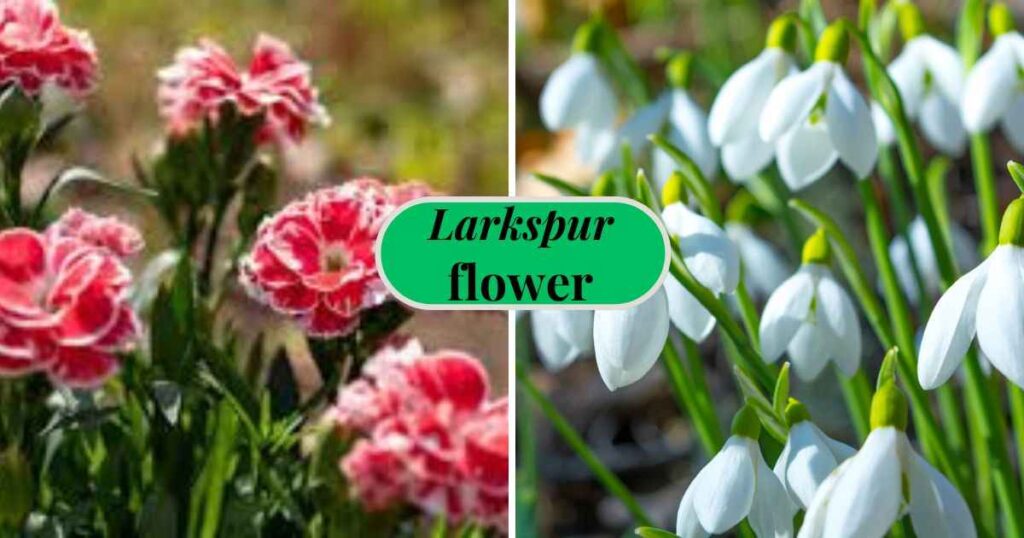
It has a lot of history and meaning behind it.
Its symbolism includes:
- Love and gratitude: the best way to say thank you, or I love you.
- Purity and fortune: more so for paler hues
- Intrigue and distinction: Popular choice of birthday or celebration gifts
- Carnations of different colours have specific meanings: red for love, white for purity, and pink for gratitude.
Snowdrop Flower January: The delicate white snowdrop blooms in winter and symbolises a fresh start.
January: Snowdrop
The snowdrop is literally one of Mother Nature’s first-born flowers to appear after winter snow fades. These tiny, white blooms represent:
- Hope and renewal
- Innocence and purity
- Optimism for the new year
Snowdrops will often poke up through frost and snow, making them a wonderful counterpart to the January flower, the carnation, in gardens and arrangements.
January Birth Flower Meaning
January’s birth flower meaning is closely associated with resilience and love. The carnation, meanwhile, signifies admiration and love, making it a perfect bouquet for birthdays or significant events in your life.
How January Flowers Stack Up Against the Rest of the Months
January Flower vs February Birth Flower
The carnation is the January flower, while the February birth flower is either the violet or primrose. Violets stand for modesty and loyalty, meaning the February flowers are more discreet compared to January’s assertive carnations.
The March birth flower, the daffodil, symbolises new beginnings or rebirth and is a symbol of spring. By contrast, January-flowers bloom in the dead of winter’s chill and symbolise perseverance and hope.
Flowers January Flower vs. October, November, December Flowers
- Flower for October: Marigold – warmth and creativity in Autumn
- Flower for November: The Chrysanthemum – remembrance and long life
- December flower: Narcissus – self-esteem and festivity
Compared with these latter months, January blossoms are a harbinger of that quiet strength and optimism in the face of early winter.
How to use January Flowers Blooms for Bouquets and Decor
January flower carnation and snowdrop flower January’s flowers are commonly used in arrangements because of their symbolism and aesthetic appeal.
Tips for using them:
- Mix white carnations with dark snowdrops for a simple, elegant bunch
- Add green-red highlights to celebrate new year parties
- Use birthday bouquets to give carnations to friends born in January
These flowers are great for winter home decor, adding a burst of life and colour to your living space.
How to Grow January-Flowers
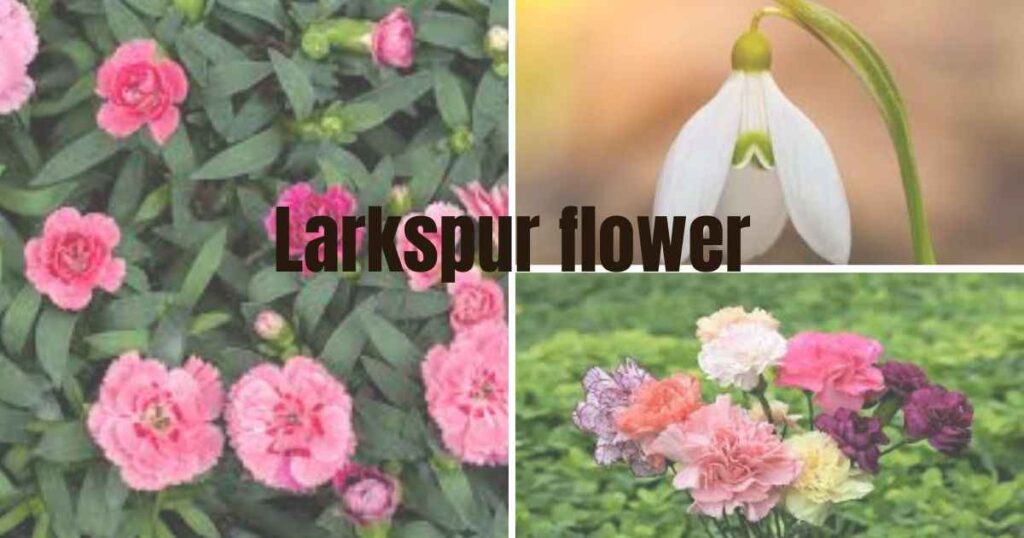
Growing Carnations
January’s flower plant (carnation) is just too easy to look after:
- Sunlight: Full sun
- Soil: Well-drained, fertile
- Water: Moderate, avoid waterlogging
Carnations are beautiful flowers; they will bloom nicely in winter greenhouses or indoors if you take care of them.
Growing Snowdrop Flowers
- Light: Sun or shade
- Soil: Moist but well-drained
- Temperature: Hardy to frost
Snowdrops can naturalise in gardens and return year after year as a beacon of hope.
Why You’ll Only Find January Flowers in Brooklyn
The January birth flower month is exceptional because it celebrates life amid winter’s silence. Key reasons they stand out:
- With a message of hope, love and strength
- Prolonged blooming if taken care of properly
- Ideal for winter bouquets, birthdays, and New Year’s parties
- Sow cheer and visual splendour in an otherwise drab winter garden
Conclusion
The January flower, mainly the January-flower carnation, along with the snowdrop as January’s flower- symbolizes strength, love and new beginnings. While learning about the meaning of the January birth flower, planting a January flower, and comparing flowers by month (e.g., the February flower, the March birth flower, or the December flower), these winter flowers are at their peak. They are a reminder that in the darkest of months, from January to February, you can still find beauty and hope and warmth.
FAQs About January Flowers
Which is the official flower for January?
The official flower of January is the carnation, although many people also believe that snowdrops are typical of January.
What January flower symbolises?
The January birthday flower meaning is love, admiration, purity and hope for the future.
Are snowdrops January flowers?
Yes, the snowdrop, a winter-flowering plant, symbolises hope and renewal.
What’s different about january flowers vs february or march flowers?
January flowers symbolise winter strength, and the birth flowers of February and March stand for early spring growth and modesty.
How to properly care for a January flower plant ?
Carnations need full sun, good drainage , and moderate watering-snowdrop types. They like moist, frost-proof soil.
