

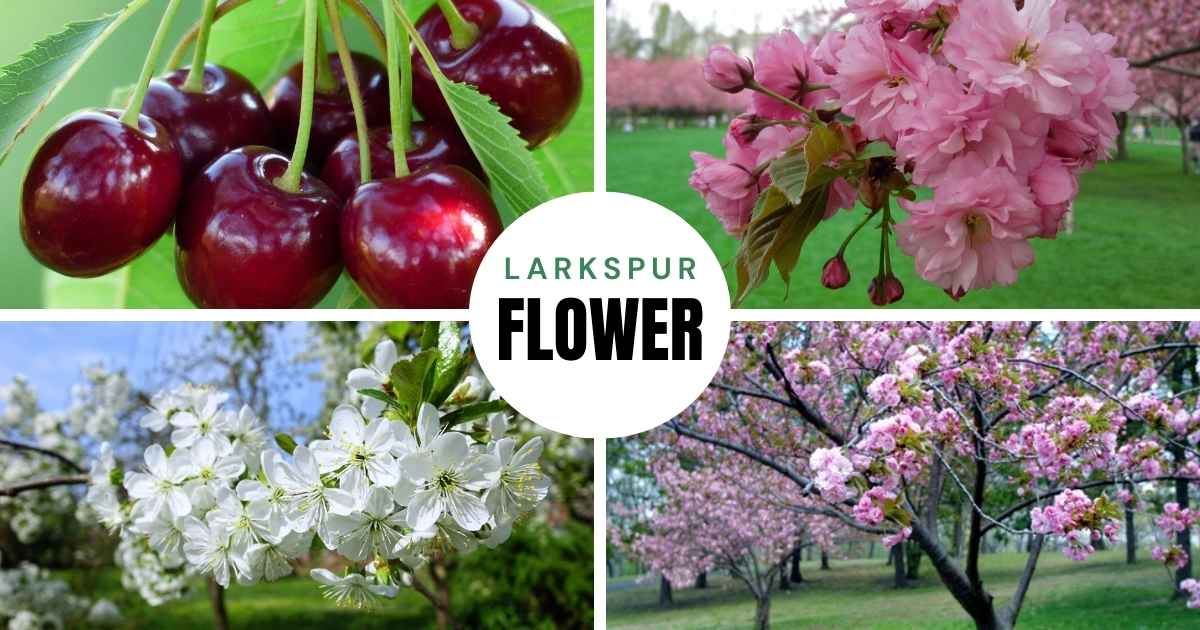
Are you interested in the beauty, blossom, fruit, flavor, and history behind the cherry tree? Whether you are planting a single cherry-tree in your yard or appreciate its seasonal beauty, the cherry-tree is one of the most beloved trees throughout the world. With its amazing blossoms, sweet- or sour-tasting fruits, and ornamental and symbolic importance, this adaptable tree offers aesthetic, nutritional, cultural, and practical benefits.
We will explain everything you need to know about the cherry tree. From its different varieties and scientific names to growing tips and frequently asked questions. For more detail about trees click here.
What is a Cherry tree?
The cherry-tree belongs to the Rosaceae (rose) family and is a member of the genus Prunus. It includes a wide variety of ornamental and fruit-bearing trees, best known for their beautiful flowers in spring and delicious cherries.
Popular Cherry Trees
There are two types of cherry-trees: cross-pollinated and self-pollinated. Sweet cherry (Prunus avium) is a cross-pollinated tree that needs other plants nearby for pollination; its fruit is used for fresh eating. Sour cherry (Prunus cerasus) fruit is a good choice for baking and canning; it is a self-pollinated tree with no need for other plants. Japanese cherry (Prunus serrulata) is an ornamental species that adds beauty to your landscape. In contrast, black cherry (Prunus serotina) is a wild-type cherry, and its wood is used in furniture.
Major Varieties of Cherry Trees
Sweet Cherry Trees
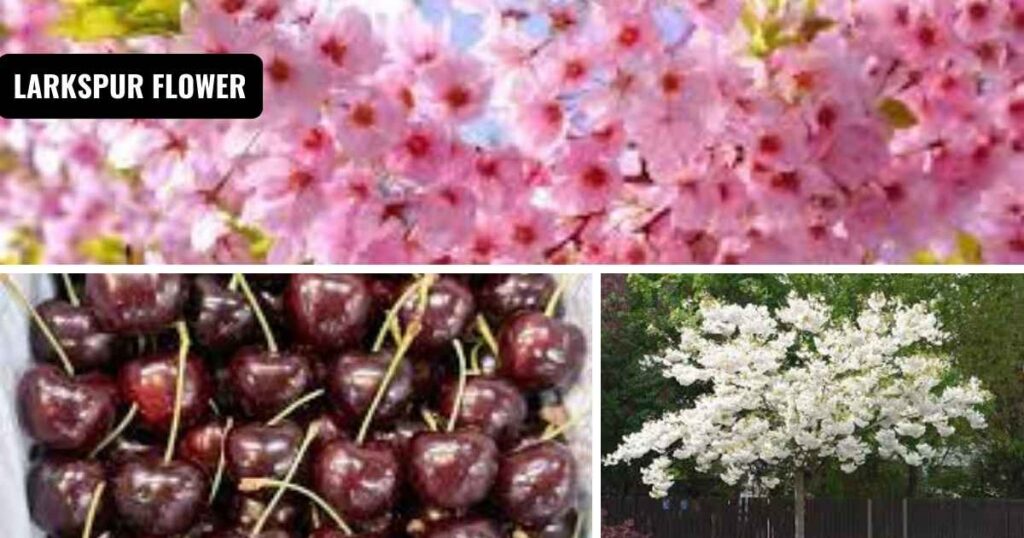
Bing, Rainier, and Stella are popular sweet cultivars of cherry-trees. They require cross-pollination and thrive in USDA zones 5 to 7.
Sour Cherry Trees
Sour cherry-trees do not need other plants near them. Montmorency and North Star are self-pollinating and cold-hardy sour cherry cultivars. These cultivars are ideal for jams, baked goods, and preserves.
Ornamental Cherry Trees
Kwanzan and Yoshino are common ornamental varieties known for their fantastic pink or white blossoms. Usually, they do not yield any edible fruit; they are only used for aesthetic and floral purposes.
Benefits of Cherry Tree
The cherry-tree has a wide range of importance, from blossoms to timber and wildlife.
Wonderful Springtime Blooms
The blooms of the cherry tree are in full swing in spring; they are an attraction for photographers, pollinators, visitors, and admirers alike.
Delicious and Nutritional Value of Fruit
Cherries are a good source of vitamin C and fiber. They are rich in antioxidants like anthocyanins. Cherries are suitable for cooking, salads, sauces, and fruit cakes.
Shade and Cooling Benefits
A mature cherry-tree is not only a source of fruit but also reduces the surrounding temperature in hot summer and provides natural shade.
Wildlife Support
The cherry tree provides a habitat, nectar, fruit, and nesting sites for birds, bees, butterflies, and other pollinating insects.
Cultural and Symbolic Importance
In Japan, cherry blossoms (Sakura) represent renewal and the fleeting nature of life.
In the United States, the National Cherry Blossom Festival in Washington, D.C., recognizes cultural friendship.
Plantation and Care For a Cherry Tree
Site Selection and Plantation
6-8 hours of light are necessary for cherry-trees. They grow in acidic soil with a pH level of 6.0 to 6.5. Fertile, loamy, well-drained soil is the best for cherry-tree plantations. Cherry-trees are grown 15-25 feet apart.
Watering
Weekly irrigation is needed in young trees during dry periods. Mature trees require less frequent watering.
Fertilization
Apply balanced fertilizer of N, P, and K (10-10-10) in early spring before flowering. An overdose of fertilizer can cause flowers and fruit to drop.
Pruning
The main objective of pruning is to enhance air circulation and light penetration. Late winter or early spring is ideal to remove dry, dead, or diseased branches of a tree.
Pest and Disease Management
Common pests of the cherry tree are cherry fruit flies and aphids. Powdery mildew and brown rot diseases have also been reported in cherry-trees.
How to Harvest Cherry Fruit

Harvesting Time
The ideal time for harvesting the sweet cherry fruit is from early to mid-summer. While sour cherries are picked from late spring to early summer. Gentle hand-picking is a common practice to avoid bruising, while commercially, cherries are harvested by shakers.
Storage Tips
The best consumption time for cherries is 3-5 days. However, they can be stored in the refrigerator; there is no need to wash them until ready to use to prevent mold.
Cherry Tree in Landscaping Design
Flowering species are ideal for garden and landscape design. They symbolize beauty, renewal, and change. Cherry-trees are grown singly or in groups in yards and gardens.
Focalization
Ornamental flowering cherry trees are ideal for a front yard focal point.
Orchard Rows
Ornamental cherries are grown in rows combined with other fruit trees.
Backyard Garden
Ornamental cherries are a known choice for corner or centre plantations of a backyard garden. You can also add some other plants like crocus and tulips under this tree.
Partner Plants
Lavender, daffodils, and clover are grown as supporting plants of ornamental flowering cherry trees.
Conclusion
The cherry tree is a wonderful addition to any garden. With dozens of different varieties suitable for different climates and purposes, it offers beauty, blooms, delicious fruit, shade, flavor, and cultural heritage. Follow the right care practices from site selection to harvesting of fruit. You will enjoy the charm and yield of a thriving cherry-tree for years to come.
FAQs about Cherry Tree
Where do cherry trees grow best?
Cherry-trees grow best in fertile, well-drained, loamy soil that has a pH level of 6.0 to 6.5. They thrive in USDA zones 5-7.
What climate is best for cherry trees?
Cherry-trees grow best in temperate climates. They need a dormancy period during the winter season.
Can I grow a cherry tree in a container?
Yes, dwarf cultivars like ‘Compact Stella’ are suitable for container plantation.
How long does it take a cherry tree to bear fruit?
Sweet cherry-trees begin to produce fruit in 4-7 years, while sour cherry-trees in 3-5 years.
