



Have you ever thought about when to prune roses to keep them vigorous, healthy, beautiful, and full of blooms all season long? Whether you are a beginner or an experienced gardener, the timing of pruning plays an important role in healthy growth and flower production. Learning how and when to prune roses can make the difference between a well-growing rose garden and a miserable one.
In this article, you will learn the best time to prune rose bushes, how timing varies by rose type and region, and how to trim a rose bush for maximum results. For detail about pruning click here.
8 Expert Rules: When to Prune Roses
Pruning roses is a vital task that influences the growth, shape, health, and blooming potential of your rose bushes. Here, we reveal eight expert rules for when to cut back roses and when to prune roses.
Know Your Rose Type: When To Prune Roses
Before picking a pruning tool to prune a rose bush, identify your rose type. Different rose types have different pruning schedules. Knowing the rose type helps to avoid accidental removal of buds that are just about to flower.
Hybrid teas, floribundas, and grandifloras:
Early spring pruning promotes bushy growth, repeat blooms, and multiple small flowers. Prune when new red buds appear.
Climbing Roses:
Pruning is done in climbing roses immediately after flowering in late summer or early fall. They bloom on old wood; early pruning can reduce future blooming.
Shrub and Landscape Roses:
In shrub and landscape roses, light pruning is needed to give a shape in late winter to early spring.
Miniature Roses:
Pruning is practiced just after flowering when the danger of frost passes. The purpose of pruning is to give shape and remove the winter damage.
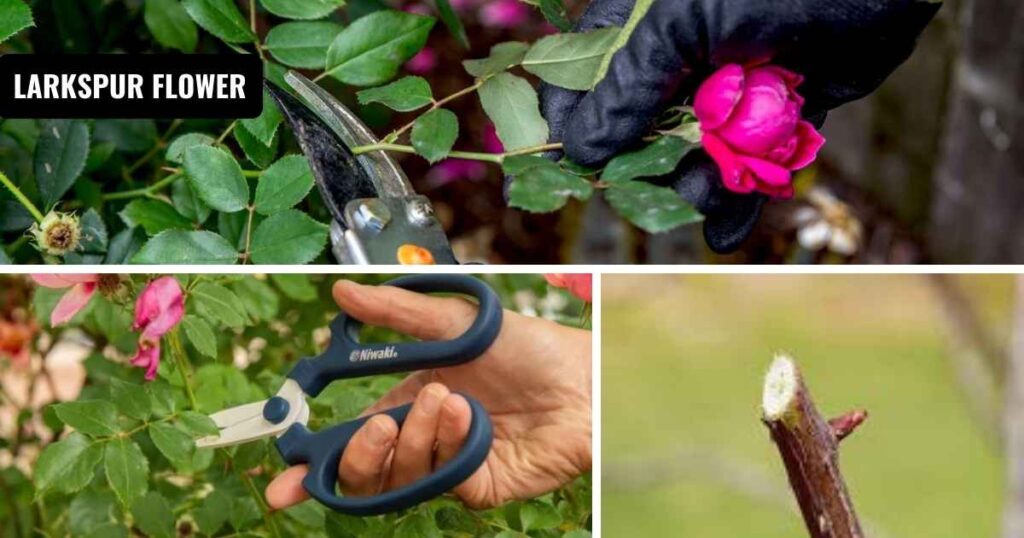
Consider Hardiness Zones and Climate: When to Prune Roses
Regional climatic conditions play an important role in timing. USDA hardiness zones help to set a pruning schedule. Pruning is earlier in warm zones due to mild winters, while in colder zones, wait until frost danger passes to reduce frost damage on newly pruned growth.
Zone Prune Roses Around
Zone 3-4: Mid-May to early June
Zone 5-6: Mid to late April
Zone 7-8: Mid to late March
Zone 9-10: Late February to early March
Zone 11+: Prune lightly after each bloom
Prune in Late Winter or Early Spring
The ideal time to prune most rose bushes is late winter to early spring, just as the risk of frost passes and new growth starts. The major sign for pruning is that buds appear but are not fully leafed out. There is no risk of hard frost, and temperatures are consistently above the freezing point.
Avoid Fall Pruning
Pruning increases the new growth, which is susceptible to cold damage. So, heavy fall pruning is discouraged. If pruning is necessary, only remove diseased or dead wood and give shape to the rose bushes. Cut back only long canes to prevent wind damage.
Prune After First Bloom
Old garden roses and other once-blooming varieties of rose flowers on old wood. Pruning old garden roses is recommended after flowering. If you cut back roses in early spring, you will cut off potential blooms. So, let these roses flower first, then prune immediately.
Monitor Weather Forecast
Timing is crucial. So, before pruning, monitor the weather forecast, especially in zones with late frosts. Pruning too early in the season can expose roses to freeze damage. Cold-damaged new growth is vulnerable to disease or frost and can delay flowering. Delay pruning until you are past the average previous season frost date.
Use the 3DS Rule as a Year-Round.
3D’s rule stands for dead wood, diseased wood and damaged wood. This type of pruning can be done any time of the year, whether it’s spring or late summer. The purpose of this pruning is to maintain rose shape or health and prevent pest and fungal infestations.
How to Prune a Rose Bush
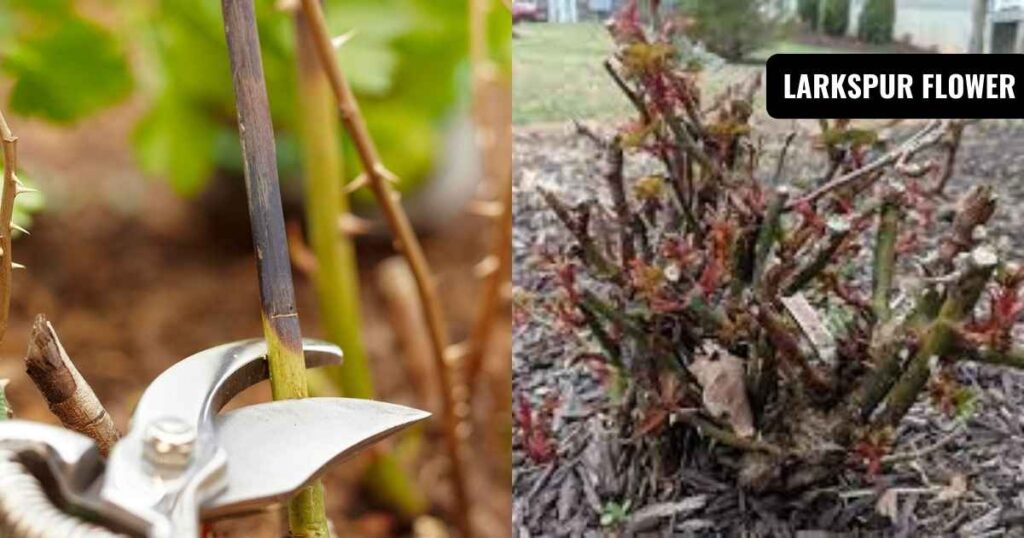
Pruning tools play an important role in getting maximum results. Always use sharp and clean tools to reduce the chance of disease spread. Make a 45-degree cut that slopes away from the buds. Remove diseased or dead wood first; prune just above an outward-facing bud to increase air circulation. You should remove the crossing branches to avoid rubbing; don’t prune more than one-third of the plant. Disinfection of pruning tools is necessary between cuts.
Conclusion
Learning when to prune roses is important for enjoying your roses blooming year after year. Keeping these expert rules in mind, you will know how and when to prune roses for healthy plants, more blooms, and fewer diseases. Whether you are growing hybrid teas or training climbing roses, pruning is everything. Monitor the weather, observe your plants, and trust nature’s cues to guide you in deciding on pruning. With a little planning and care, you can change your roses into bright, beautiful blooms every year.
FAQs on When to Prune Roses
What is the best month to cut back roses?
The best time to prune is late winter or early spring. The time of pruning depends on your climatic conditions, the type of roses, and the purposes for which you planted roses.
Are you supposed to cut roses after they bloom?
After roses bloom, cut the faded blooms and prickles to give shape and remove the unwanted growth of the plant.
How far down do you cut roses for the winter?
Landscape roses should be cut back before winter to around 30 inches high from the ground to prevent loosening due to winter wind damage.
How to prune roses in autumn?
Light pruning is recommended in fall or autumn to remove diseased or dead canes because new growth can be damaged in winter.
When should you prune roses?
Generally, pruning is recommended after winter or early spring, just before new growth starts.
