


Introduction
Have you ever thought about which blooming shrub may easily make your landscape seem better without needing much care? In that case, spirea (Spiraea) is one of the best decorative shrubs for both new and experienced gardeners. It can be used in a variety of ways and has thick leaves and vibrant flowers. This article discusses the various varieties of spirea, their advantages, and the upkeep needed.
Spirea: A Stunning Shrub with Incredible Garden Benefits
What Is Spirea?
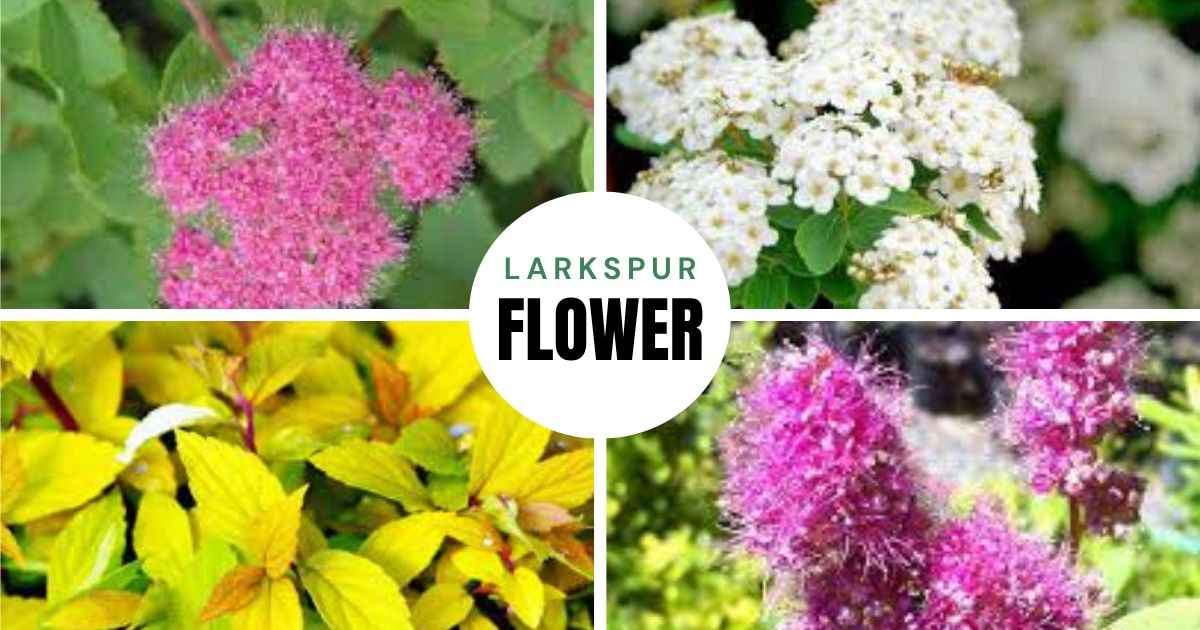
The Rosaceae family includes the genus Spirea, which has roughly 80 to 100 species of deciduous shrubs. These tough shrubs are native to the temperate areas of the Northern Hemisphere. They are known for their tiny, clustered blooms that can be white, pink, or even crimson. Spiraea japonica (Japanese spirea) and Spiraea x vanhouttei (Vanhoutte spirea) are the two most common kinds grown in North American gardens.
Benefits Of Spirea
There are several reasons why spirea shrubs are a gardener’s choice.
- Low Maintenance: This is drought-tolerant and requires little attention.
- Focal Point: This plant can be used as a hedge, border, or focal point
- Seasonal Interest: In the spring and summer, it has bright flowers, and in the fall, it has beautiful foliage.
- Good for pollinators: It draws in bees and butterflies.
- Pest-Resistant: Frequently has no issues with common pests or diseases.
- Rapid Growth: Grows and spreads quickly.
- Affordable: Most gardeners can easily find it and afford it.
Varieties Of Spirea
Here are some of the most popular and beautiful types of spirea to grow:
Features of Varieties
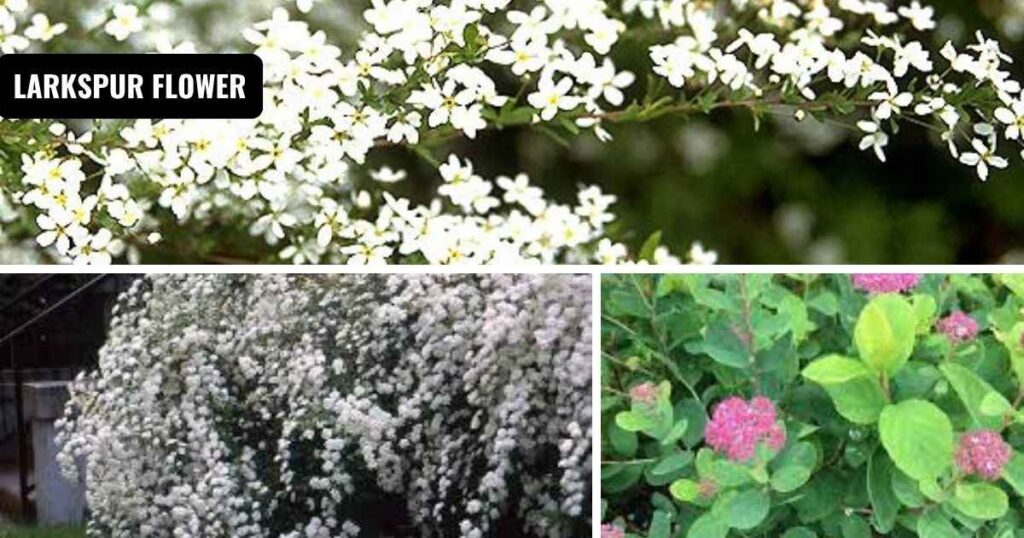
- Goldflame, or Spiraea japonica, is a pink flower that grows 2–3 feet tall and is used as ground cover and as a border.
- Spiraea x vanhouttei (Bridal Wreath) is a white flower, 8 ft tall, used as a hedge or specimen.
- Spiraea nipponica (Snowmound) is a white-flowered plant for foundation planting from 3 to 5 feet.
- Spiraea thunbergii, used for early bloomers, is 3-5 feet tall and has white flowers.
- Spiraea douglasii is a rose-pink flower variety that grows 4–6 feet tall and is used for wetland gardens.
How to Grow Spiraea: A Step-by-Step Guide
Choosing a Site
Spiraea does best in full sun, although it may also grow in moderate shade. Select a place that drains effectively to keep the roots from rotting.
The soil needs
Spireas prefer loamy soil with a pH of 6.0 to 7.0, though it can grow in a variety of soil types.
Light Needs
- Full Sun: Best for flowers
- Partial shade: okay, but fewer blooms
Watering
New plants should be watered once a week throughout their first growth season. Fully grown plants can live without water, but they benefit from occasional heavy irrigation.
Fertilizing
In early spring, use a balanced 10-10-10 fertilizer. Excessive fertilizer application may cause your plants to grow too long.
Pruning and trimming
- Varieties that bloom in the spring: Cut them back after they blossom.
- Varieties that bloom in the summer: Cut them back in late winter or early spring.
- Deadheading may make flowers last longer.
Seasonal Care For Spirea
Spring
- Fertilize and mulch to keep the soil wet.
- Cut back spring-blooming plants after they bloom.
Summer
- Cut off the dead flowers to make them blossom again.
- Watch out for pests when it is dry.
Autumn
- Clean up fallen leaves in the fall to keep fungi from growing.
- Cut back summer-blooming plants before frost.
- Mulch the base of young plants in the winter to preserve their roots.
Winter
- Avoid trimming during dormancy.
The best plants to grow with spiraea
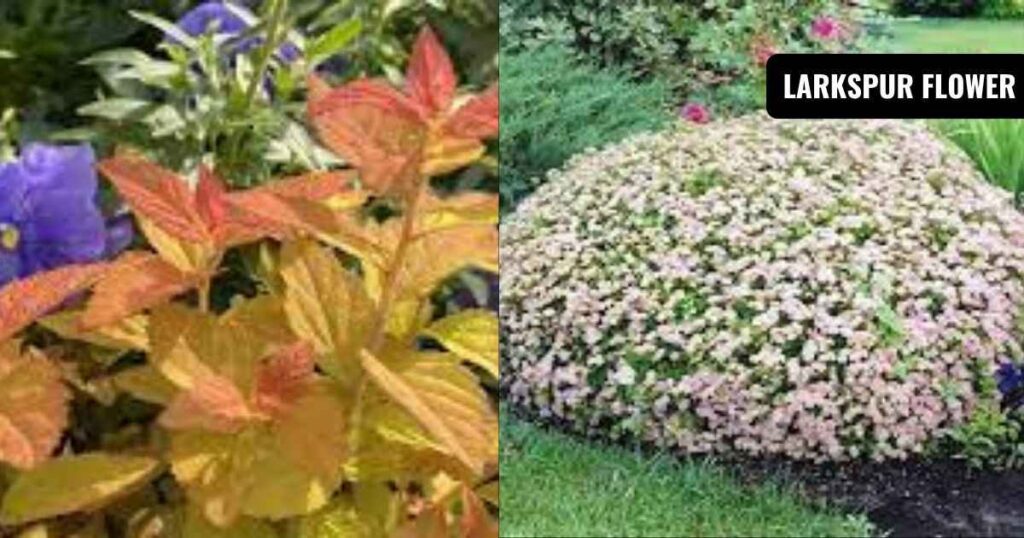
Spiraea looks well with other shrubs and perennials. Here are some choices that are good for gardens:
- Daylilies
- Coneflowers
- Boxwoods
- Lavender
- Hostas
Problems and Their Solutions
Spiraea is a very hardy shrub, yet it can have problems from time to time:
- Leaves are yellow due to inadequate drainage or overwatering. By improving soil drainage, they can be enhanced.
- Too much shadow produces fewer flowers. When plants are relocated to areas with more sunlight, they give more flowers.
- Aphids or spider mites are controlled with the application of insecticidal soap or neem oil.
Conclusion
Spirea is a key factor in any landscaping design. Due to its ability to grow in a range of environments, low maintenance requirements, and vibrant blooms, this shrub is well-liked throughout the United States. Your front yard, cottage garden, or any other wildlife-friendly space will benefit from the color, structure, and charm that spiraea brings throughout the year. Spiraea is more than just a gorgeous bush; it’s a hardy, useful plant that makes any garden more beautiful and useful. Use this guide to choose, plant, and enjoy spirea to the best.
Frequently Asked Questions
What is the common name for spiraea?
Common names for this plant include meadosweets and steeplebush.
What are the uses of spiraea?
Spirea can be used as a specimen plant, a hedge, a border, or for privacy and screening.
What is the best place to plant a spirea?
The best place to plant a spirea is in full sun. Spirea can survive partial shade with fewer flowers.
Where does spiraea grow best?
Spirea grows best in well-drained soil and full sun. Certain types are appropriate for borders, privacy, or mass planting to prevent erosion in uneven terrain.
Can you grow spirea from cuttings?
Yes, it is easy to grow all kinds of spirea from softwood or semi-hardwood cuttings.
