


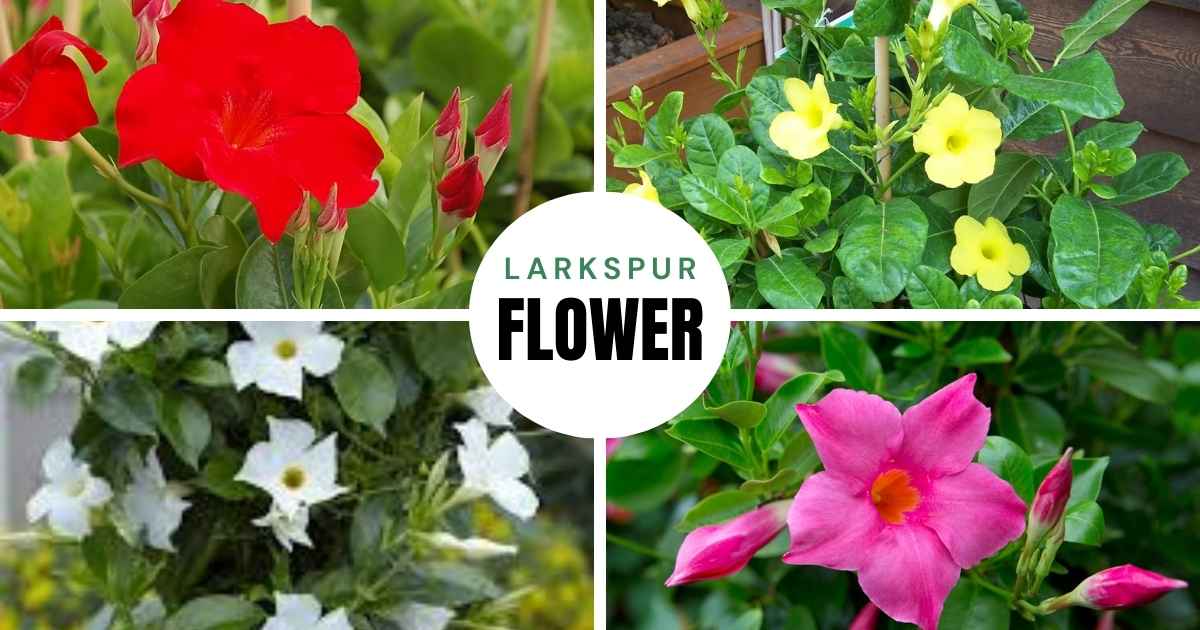
Have you ever thought about how to make your garden more colorful and tropical? If so, mandevilla could be the best plant for you. Mandevilla spp. is a favorite option among gardeners because of its trumpet-shaped blooms and lush green leaves. This tropical vine is not only beautiful, but it is also surprisingly simple to cultivate and care for.
This article will cover all you need to know about mandevilla, such as how to plant it, take care of it, propagate it, its advantages, and typical difficulties. This colorful plant can help you succeed whether you are a novice or an expert gardener.
7 Amazing Benefits of Growing Tropical Vines at Home
What is Mandevilla?
The Apocynaceae family includes the genus Mandevilla, which has tropical and subtropical flowering vines. This plant is native to Central and South America and is grown a lot because its flowers are bright red, pink, white, and yellow. Some of the most frequent kinds are:
Types Common Name Flower Color
Mandevilla splendens Dipladenia Pink, red, and white
Mandevilla laxa Chilean Jasmine White
Mandevilla boliviensis White Mandevilla White with Yellow
Benefits of Growing
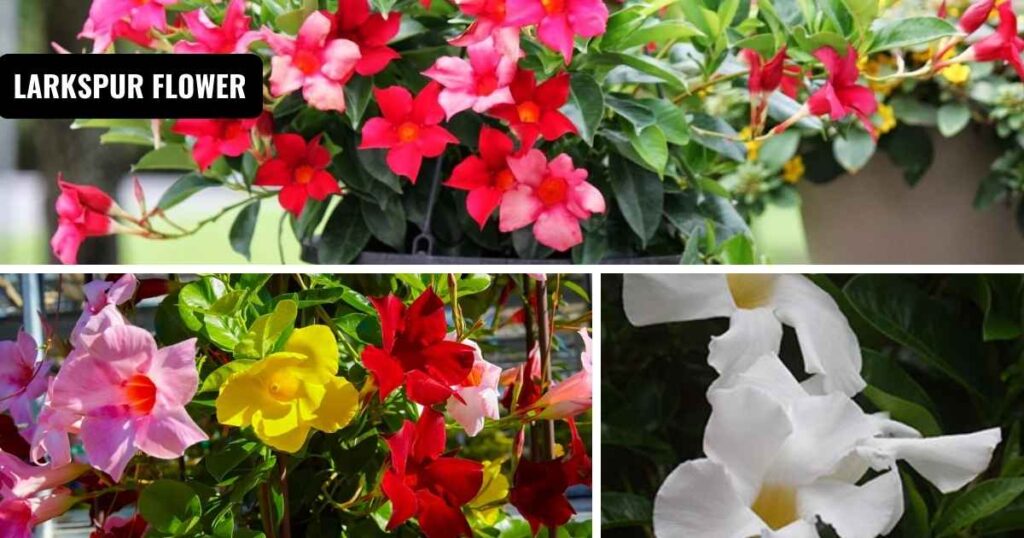
Visually Stunning Blooms
Mandevilla has big, trumpet-shaped blooms that make your yard, balcony, or patio seem better right away.
Draws in pollinators
This plant will add diversity to your garden by attracting hummingbirds and butterflies.
Easy to care for
Once established, Mandevilla requires little maintenance, making it an excellent choice for novices.
Perfect for vertical gardens
Because it climbs, it’s ideal for fences, trellises, and hanging baskets.
Grows well in pots
It is a great plant for city gardeners because it grows well in pots on windowsills or balconies.
Heat tolerant
It enjoys warm weather and can handle high temperatures as long as it gets enough water.
A long time to bloom
It blooms from late spring to early October, giving you months of color.
How to Plant Mandevilla
Selecting the right place
Vine requires full to partial sun. Put it where it can get at least six hours of sun every day.
Soil Needs
Use loamy soil that drains well and has compost or other organic matter added to it. The best pH range is between 6.0 and 6.5.
Steps for Planting
- Dig a hole that is twice as big as the root ball.
- Put the plant in the hole and fill it back up with dirt.
- Give it adequate watering and put down a layer of mulch.
Mandevilla Care
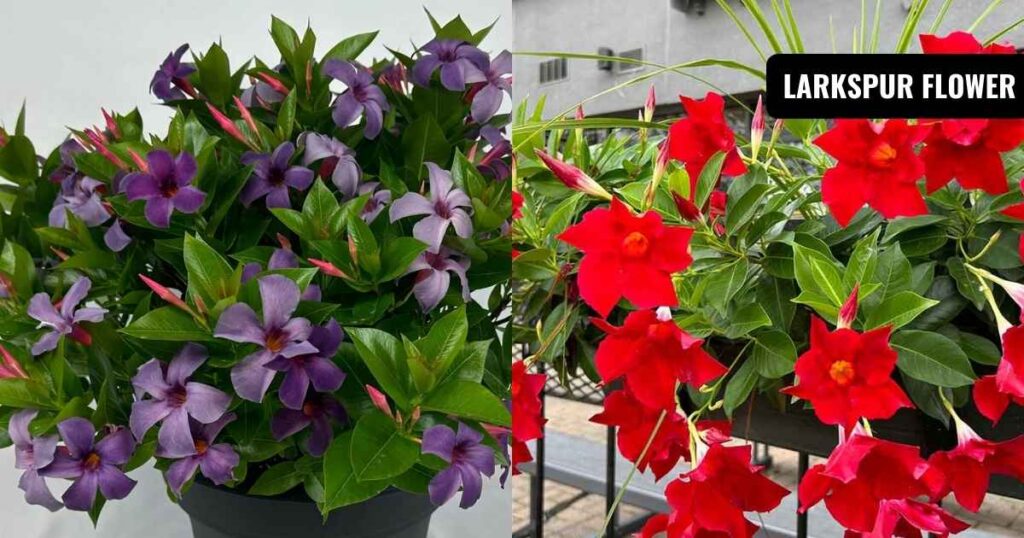
Watering
- Make sure the soil is uniformly wet but not saturated.
- Water more often when it’s hot and dry.
Adding fertilizer
- During the growth season, use a balanced, water-soluble fertilizer (10-10-10) every two to three weeks.
Pruning
- To keep growth in check, prune in late winter or early spring.
- Cut off weak or dead stems to help the vines grow better.
Supporting Growth
- Use cages, trellises, or arbors to hold up climbing plants. Use soft plant ties to connect vines to the structure.
Propagation of Tropical Vine
By cuttings
- Cut off a piece that is 4 to 6 inches long right below a leaf node.
- Cut off the lower leaves and dip the end in a hormone that helps roots grow.
- Put the seeds in a potting mix that is wet and cover them with plastic.
- Keep it out of direct sunlight for three to four weeks until the roots start to grow.
Taking care of Mandevilla in the winter
Vine does not like frost and must be kept indoors throughout the winter if you reside in USDA Zones below 9.
How to Overwinter:
- Trim the plant back by a third before the first frost.
- Go to a cool, bright place indoors.
- Water only a little bit until spring, when you may slowly bring them back outside.
Interesting facts and scientific information
- People often mix up Mandevilla and Dipladenia, which are very similar plants. The key difference is that Dipladenia is bushier, while it climbs.
- Some types of vines include alkaloids that are somewhat hazardous if eaten, so keep them away from dogs and small children.
- Like many other green plants, this plant has been shown to improve air quality and mental health inside.
Tips for Quick Success
- Most plants can climb with the aid of a trellis or other support structure.
- To keep the flowers coming, fertilize frequently.
- Water frequently, but make sure there is sufficient drainage.
- If you live in a chilly area, bring them inside before frost.
- Prune them once a year to keep their size and form in check.
Conclusion
More than just a lovely flower, mandevilla is a hardy, fruitful, and adaptable plant that brightens any home or garden. It can be preserved year after year, and its colorful blooms can be enjoyed for months with proper care and attention. This vine will take center stage in your green area, whether it’s climbing a trellis or pouring over a hanging basket.
Today, add the tropical splendor of this vine to your yard.
Frequently Asked Questions
Do mandevilla need sun or shade?
Mandevilla plants thrive in shade, but they can grow best in sunshine. It needs at least 6 hours of light per day.
Are mandevillas good in pots?
Mandevillas grow best in pots. But they need some special support.
How do you care for a potted mandevilla?
They require damp but not soggy conditions. Water them when you feel dryness on the upper inch. Apply water-soluble fertilizer every two weeks.
Where is the best place to plant a mandevilla?
This vine requires 6 hours of light and can tolerate partial shade, also.
Does Mandevilla need water?
It needs water every week. During hot seasons, it requires water every other day.
