


Have you ever thought about what makes the January birth flower so special? Some people are busy getting rid of pests like voles in their gardens, while others are finding the hidden beauty in the flowers that reflect their birth month. The carnation, which is the birth flower for January, is more than just a gorgeous flower. It has a rich history, symbolism, and color meanings that those born in winter may relate to.
We will talk about all you need to know about the January birth flower in this article, including where it came from, what it means, and how to cultivate and care for it. This guide provides research-based and practical information, whether you’re giving a gift, gardening, or simply curious.
7 Amazing Things About the Carnation: January Birth Flower
What is the January birth flower?
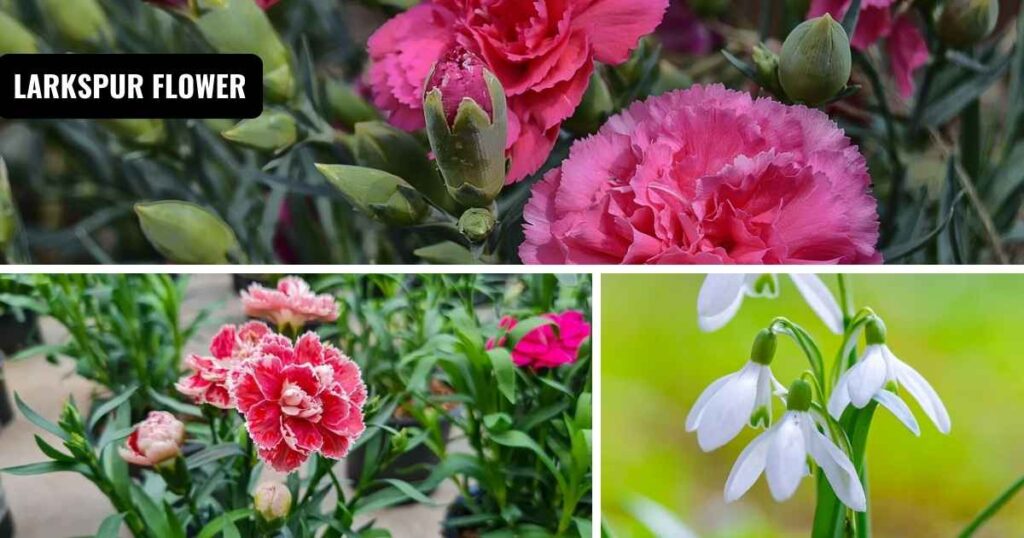
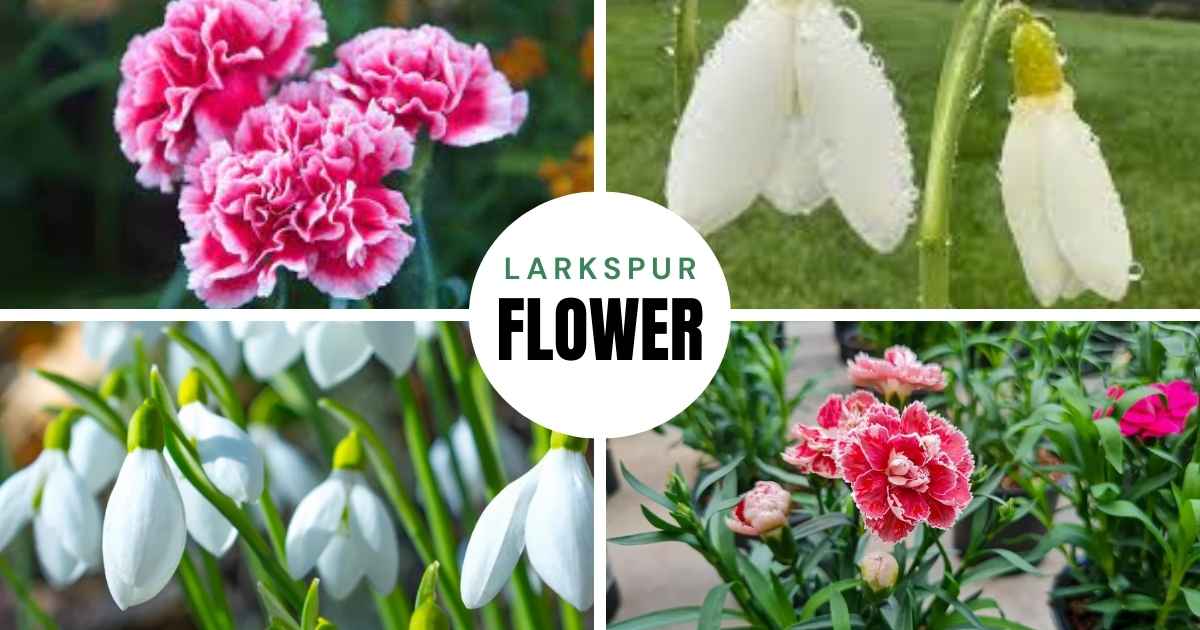
The carnation is the main flower for January birthdays. The carnation (Dianthus caryophyllus) is the flower for January. It is a lovely and hardy flower with ruffled petals and a spicy smell. It has grown for more than 2,000 years, making it one of the oldest blooms that people have grown.
Second Flower: Snowdrop
Carnations are the main January birth flower, but snowdrops (Galanthus nivalis) are also a secondary flower. They stand for purity and hope and often bloom through the snow in the harshest months.
The Importance of Carnations in History
People have been growing carnations since ancient Greece and Rome. The Greek words “dios” (god) and “anthos” (flower) make up the name Dianthus, which means “flower of the gods.” The flower was important in medicine, art, and ceremony.
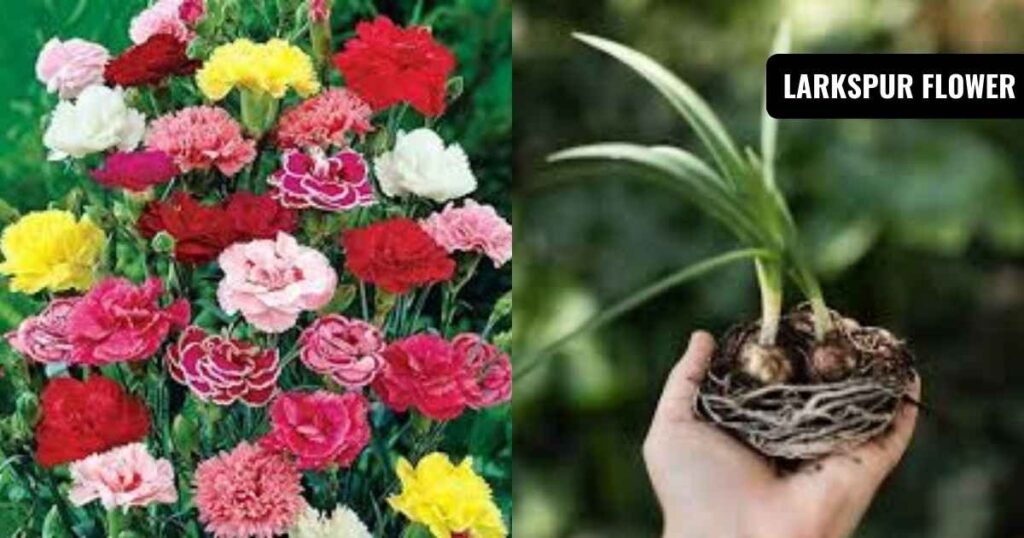
Colors and Their Symbolic Meanings
Red: Love, adoration
White: Love that is pure, good luck, and
Pink: Thankfulness, affection from a mother
Yellow: Disappointment and rejection
Purple: Capriciousness
Since you can understand the meaning of each hue, carnations make excellent flowers for symbolic messages and personalized gifts.
Why Carnations Are the Best Flower for January Birthdays
1. They can survive in the winter.
Carnations are surprisingly tough. They can handle cold weather better than most other flowers, which makes them a good emblem for those born in January who often have to deal with bad weather with fortitude and elegance.
2. Beauty that lasts
Like people born in January, carnations are not only beautiful but also endure for a long time. They may last up to three weeks in a vase.
3. Rich in Customs
Carnations are frequently used in religious and cultural ceremonies. Pink carnations are said to have grown where the tears of the Virgin Mary fell, symbolizing a mother’s unending love.
Characteristics of Carnation
The Caryophyllaceae family includes the carnation (Dianthus caryophyllus). It comes from the Mediterranean region, and in USDA zones 3–9, it blooms from late spring to summer. Full-sun, nutrient-rich, well-drained soil makes it happy.
Care for Carnations
You feel good when you grow your January birth flower. Adhere to these crucial guidelines:
The Planting Tips
- Planting time: The best time to plant is in early April, after the last frost.
- Spacing: 12 inches apart so that air may flow around them.
- Sunshine: Every day, the plant needs at least 4 to 6 hours of direct sunshine.
How to Take Care
- Watering: Water often, but don’t water too much. Let the ground dry out between sessions.
- Fertilization: During the growth season, use a balanced fertilizer every 6 to 8 weeks.
- Pruning: Cut off the dead flowers to make room for new ones.
Problems that happen a lot
- Pests: Be careful of spider mites and aphids.
- Diseases: Rust and root rot can happen when the soil is too damp.
Snowdrop: January’s Quiet Friend
Snowdrops are also very beautiful and symbolic, but carnations are the most popular flower for January birthdays.
The significance of snowdrops
- Hope and Renewal: During the winter months, this flower frequently opens first.
- Purity: White petals represent innocence and tranquility.
Spreading Snowdrops
- Planting time: Plant when the ground is moist and cold, which is in the fall.
- Sunlight: Light requirements range from full sun to partial shade.
- Naturalizing: They proliferate swiftly and return annually.
Ideas for gifts using the January birth flower
Personalized gift ideas
- Carnation Bouquet: Use hues that match the person’s personality or the message you want to send.
- Pressed Carnation: For anyone who enjoys crafts, pressed carnation art is a fantastic project.
- Birth Month Flower Jewelry: A locket or charm with a carnation on it.
- Potted snowdrops: a gift of optimism that is both symbolic and alive.
Interesting Facts About the January Birth Flower
- The moniker “coronation flower” comes from the fact that carnations were used in Greek coronation rites.
- In the US, pink carnations are the official flower for Mother’s Day.
- People use carnation oil in fragrances and skin care items.
- Over 200,000 flowers make up the biggest carnation arrangement in the Guinness World Records.
Conclusion
The January birth flower is more than just a flower that blooms in winter; it’s a sign of courage, love, and eternal beauty. Carnations add color and significance to the coldest month of the year, whether you produce them in your yard, give them to someone born in January, or admire their long history.
Instead of worrying about how to get rid of voles or going outside in the cold, why not bring a little warmth inside with a new bouquet of carnations?
Use the January-born flower in your holiday decorations or parties. It’s a simple yet powerful way to connect with nature and the new year.
FAQs: January Birth Flower
What is the January birth flower?
There are two January birth flowers: the carnation and the snowdrop. Carnation is the primary flower, and snowdrop is the secondary flower.
Is January’s birth flower a carnation or snowdrop?
Both of these are birth flowers for January. The carnation has many colors, while the snowdrop is mostly white and pops up, giving hope for spring.
What is the birth color of January?
Dark red is the birth color of January.
