


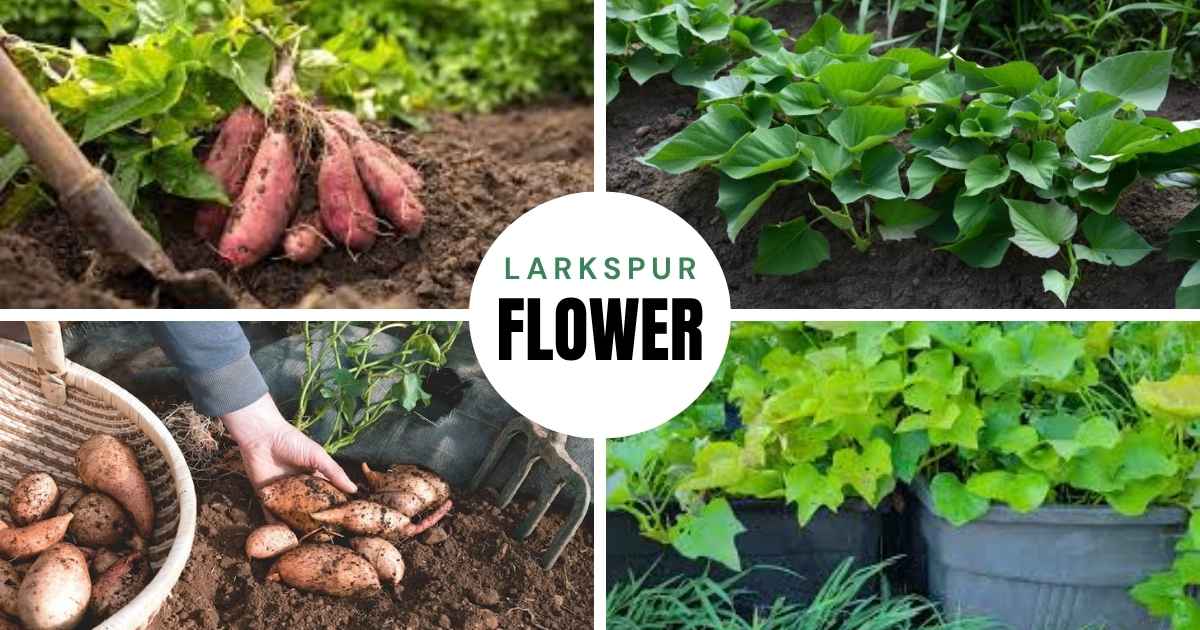
Have you ever asked how to grow sweet potatoes in your backyard and enjoy a homegrown harvest? These sweet potato vegetables are not only delicious but also relatively easy to grow. Whether you are a beginner gardener or a seasoned green thumb, learning how to grow sweet potatoes can be an achievable and enjoyable experience.
This article will walk you through everything you need to know, from choosing the right variety to harvesting your crop, with useful and research-based insights.
How Do You Grow Sweet Potatoes for Beginners?
Sweet potatoes are grown in tropical regions, having nutrients like beta-carotene, antioxidants, minerals, fiber, and vitamins A and C. They are more tolerant than many other vegetables and can survive in poor soils, making sweet potatoes an ideal choice for beginner gardeners.
What are sweet potatoes?
Sweet potatoes (Ipomoea batatas) are often confused with regular potatoes, but both are not biologically the same . Sweet potatoes belong to Convolvulaceae, while the regular potatoes are part of the nightshade family (Solanaceae).
How to Grow Sweet Potatoes: Step-by-Step Guide
Select the Right Variety
Choosing the right variety is one of the most important factors. Keep in mind your climate and taste preferences while selecting the sweet potato variety.
Popular Varieties Grown in the United States:
Beauregard is one of the most popular varieties, having copper skin color and orange flesh, and takes 90-120 days to mature. It has a sweet taste.
Georgia has red skin, orange flesh, and an extra-sweet taste. It attains its full size in 90 days.
Centennial has a smooth texture with orange skin and flesh color.
Japanese sweet potatoes are nutty and dry, with purple-colored skin and white flesh. It takes 90-120 days to mature.
Grow with Slips, Not Seeds
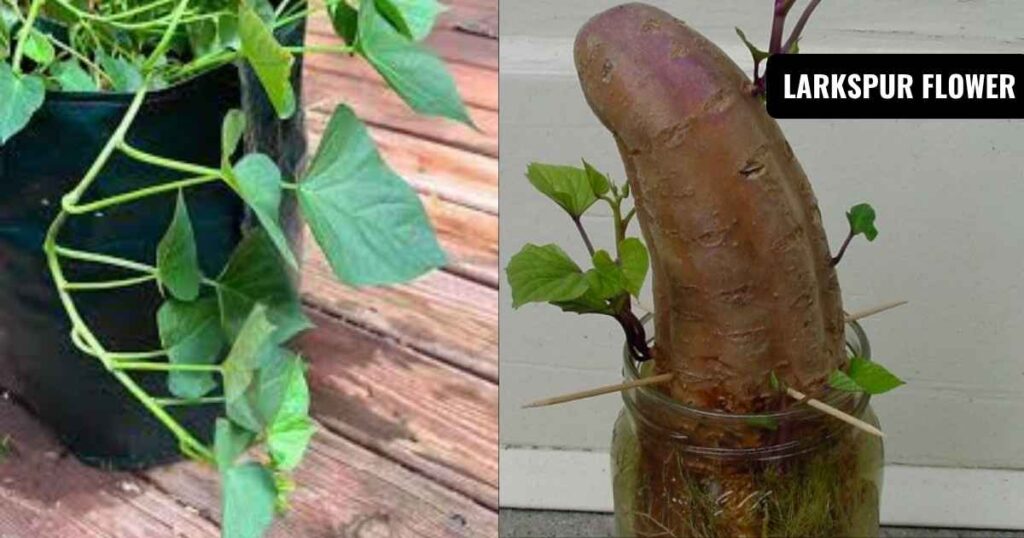
Sweet potatoes are grown from small sprouts (slips) that emerge from mature tubers.
How to Grow Slips at Home:
Take a mature sweet potato, cut it in half, and place it in water (submerged) for 2-4 weeks. After that, shoots will emerge. Once slips are 6 inches long, twist them off. Place the slips in water until the roots fully develop.
Preparation of the Soil
Sweet potatoes can grow in loose, well-drained soil with an acidic pH (5.8 to 6.5). A compact and heavy clay soil is avoided, which restricts the development. The raised beds’ levels are above the ground for better drainage, and adding compost or green manure enriches the soil. Phosphorus fertilizers encourage tuber growth, and nitrogen-heavy fertilizers promote leafy growth over tubers.
Plant the Slips
Plant the slips when there is no chance of the last frost and the soil temperature is consistently above 60 degrees Fahrenheit. Slip-to-slip distance is 12-18 inches apart, and row-to-row should be 3 feet away. Bury the slips up to the top leaves in the ground. Water immediately after planting.
Watering and Care
Sweet potatoes are hardy and drought-resistant and need less frequent watering during early growth. They require water; keep the soil moist for the first 4-6 weeks, but not soggy. When the vines of sweet potatoes spread, they need less water to promote tuber development. Mulching encourages the retention of moisture and suppresses weeds.
Pest and Disease Control
Sweet potato weevils, flea beetles, and wireworms are reported in sweet potatoes. Avoid planting in areas where sweet potatoes or morning glories were previously grown. Floating row covers and the rotation of crops annually are recommended to overcome these pests.
Fusarium wilt, black rot, and root-knot nematodes are reported in sweet potatoes. Proper sanitation practices and the planting of disease-free varieties are recommended to address these problems.
Harvesting and Storing
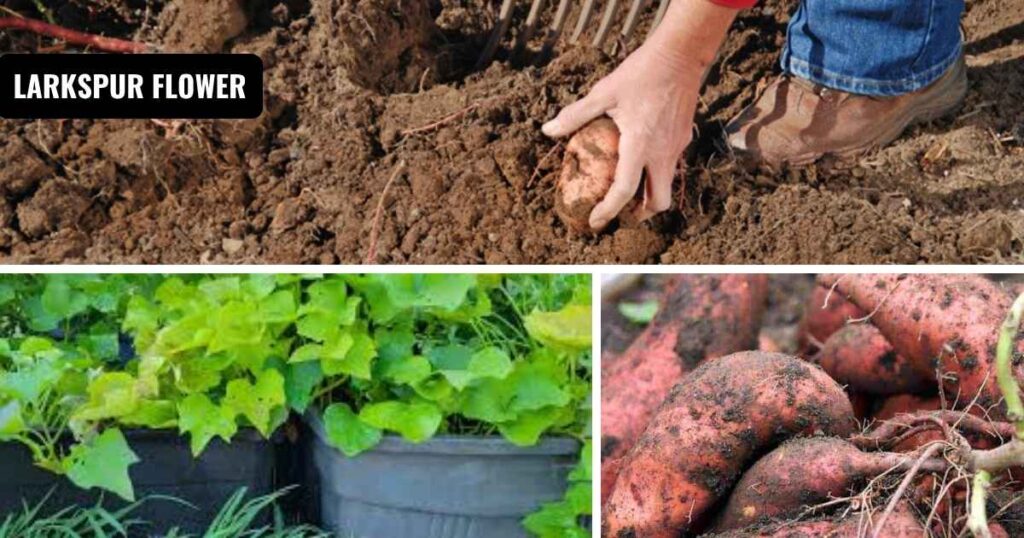
Sweet potatoes usually take 90 to 120 days to mature. Yellowing of leaves is one of the signs to harvest your crop. For harvesting, use a garden fork or a shovel spade to lift gently. Avoid cutting the skin or bruising that leads to rotting. Before going to the store, keep sweet potatoes in a humid area for 7-10 days to cure at a warm temperature of 85 degrees Fahrenheit. Sweet potatoes are capable of being stored for up to 6 months in a cool 55-60 degrees Fahrenheit.
How to Grow Sweet Potatoes in Containers
Sweet potatoes are ideal to grow in containers because of their drought-resistant qualities. Compact or bushy varieties are perfect for container growing. For sweet potatoes, use a 20-gallon container or larger. They need at least 6-8 hours of sunlight daily for healthy growth.
Conclusion: How to grow sweet potatoes
Gaining knowledge on how to grow sweet potatoes is a profitable endeavor that gives delicious and nutritious results. Whether you are preparing your soil properly or following expert techniques, you can enjoy a lot of harvest from your backyard.
Growing your sweet potatoes provides you with savory vegetables that are fresher than store-bought alternatives. With a little care and planning, anyone can successfully grow sweet potatoes at home.
FAQs: How to grow sweet potatoes
Can I get a sweet potato from a sweet potato?
Yes, you can get a sweet potato from a sweet potato. Sprouts that emerge from sweet potatoes, called slips, are used to produce a sweet potato.
How do you grow sweet potatoes for beginners?
Sweet potatoes grow in the warm season after the last chance of frost has passed. Prepare the soil, enriching it with organic compost having a pH of 5.8 to 6.2. Maintain the planting distance of 12 inches to 18 inches apart.
How long does it take to grow a sweet potato?
The maturity of a sweet potato depends on the variety that you grow. Usually, sweet potatoes attain their full size in 90-120 days. After 85 days, check your plant’s root size and the colour of the leaves; these are signs to harvest the crop.
How to grow a sweet potato in water?
A sweet potato can grow in water by suspending it in a water container or a jar. Half of the potato is exposed to air, and the other half is submerged in water. When sprouts grow several inches long, cut them off and plant them in the ground or soil.
