

Introduction
In regions where deer numbers are high, a gardener’s best line of defense against browsing damage is to grow deer hardy plants. Due to their pungent smells, rough textures, or bitter ingredients, these plants are inherently less desirable to deer. By choosing plants that are deer hardy, you can design a landscape that is both aesthetically pleasing and tolerant to unwanted grazing. Deer-prone areas can still have a lovely, low-maintenance landscape with the correct combination of flowers, shrubs, and ground coverings.
10 Best Deer Hardy Plants: A Comprehensive Guide on Garden Protection
Why Low-Maintenance, Deer Resistant Plants Matter
Being selective feeders, deer typically choose plants that are soft, sweet, or have strong scents. Gardeners may find this practice discouraging, especially in suburban and rural areas where deer are common visitors. Choosing plants that can withstand deer is a wise and low-maintenance choice. These plants naturally deter browsing, so you don’t need fencing or chemical repellents.
Benefits of Deer Hardy Plants
Minimize plant damage
This demonstrates how deer hardy plants save money by keeping costly garden plants safe from animal consumption and destruction.
Promote long-term landscape
Instead of requiring you to replant or restore the landscape every season due to deer, these plants ensure the landscape’s long-term viability.
Enhance beauty and seasonal appeal.
Deer hardy plants are not only practical but also provide your yard with flowers, fragrances, and visual appeal throughout the year.
Reduced demand for maintenance
These plants naturally repel deer, so you don’t need to use repellents, fences, or ongoing maintenance as much.
Characteristics of Deer Hardy Plants
Aromas and essential oils
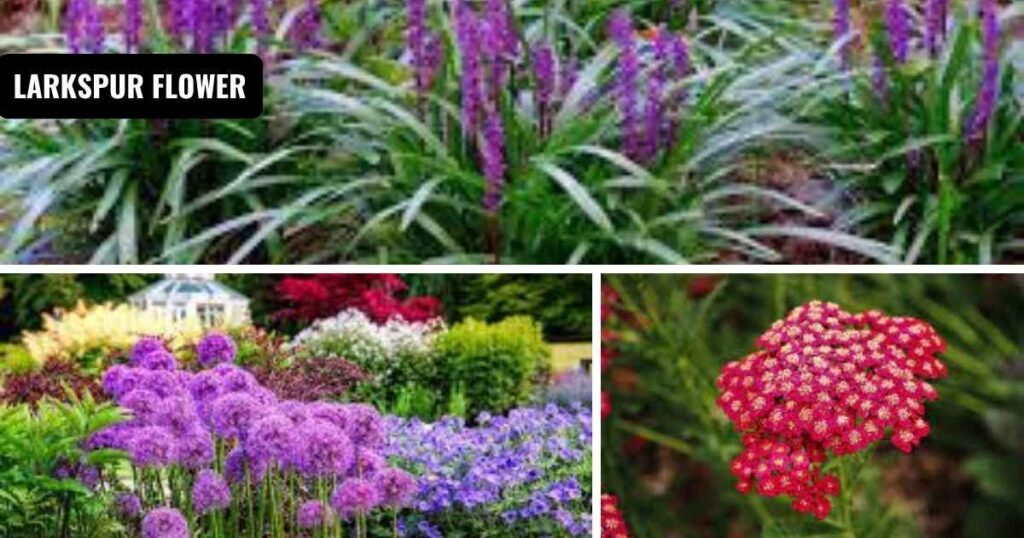
Deer are naturally scared off by plants with potent scents and essential oils, such as marigolds, lavender, and mint. They help preserve surrounding plants by emitting fragrances that are pleasing to humans but repulsive to animals.
Tough or spiny texture
Deer avoid plants with thorny or harsh textures. With their stiff leaves and spiky branches, shrubs like holly and barberry are far less appealing for grazing.
Bitter or toxic compounds
Foxglove and daffodils naturally produce bitter or poisonous substances that deer dislike. So they are a safe way to improve the look of your garden and keep wildlife away.
Top 10 Deer Hardy Plants for Landscaping
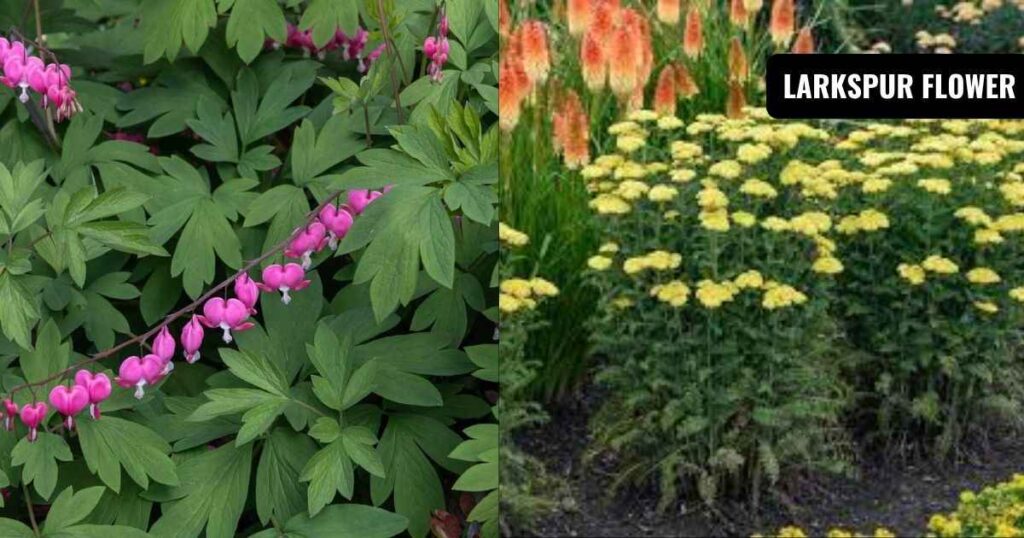
One of the best methods to preserve your garden while still enjoying its beauty and color is to choose plants that are resistant to deer. These plants provide scent, texture, and appeal without the continual fear of deterioration because they are inherently resistant to browsing.
1. Lavender (Lavandula angustifolia)
A traditional plant, lavender is valued for its potent aroma and resistance to dryness. It is also deer hardy. It is perfect for borders and walkways where the fragrance of the flowers is released by brushing.
2. Yarrow (Achillea millefolium)
In addition to repelling deer, yarrow’s fern-like leaves and clusters of vibrant blossoms draw bees. In pollinator-friendly beds, it thrives.
3. Coneflower (Echinacea purpurea)
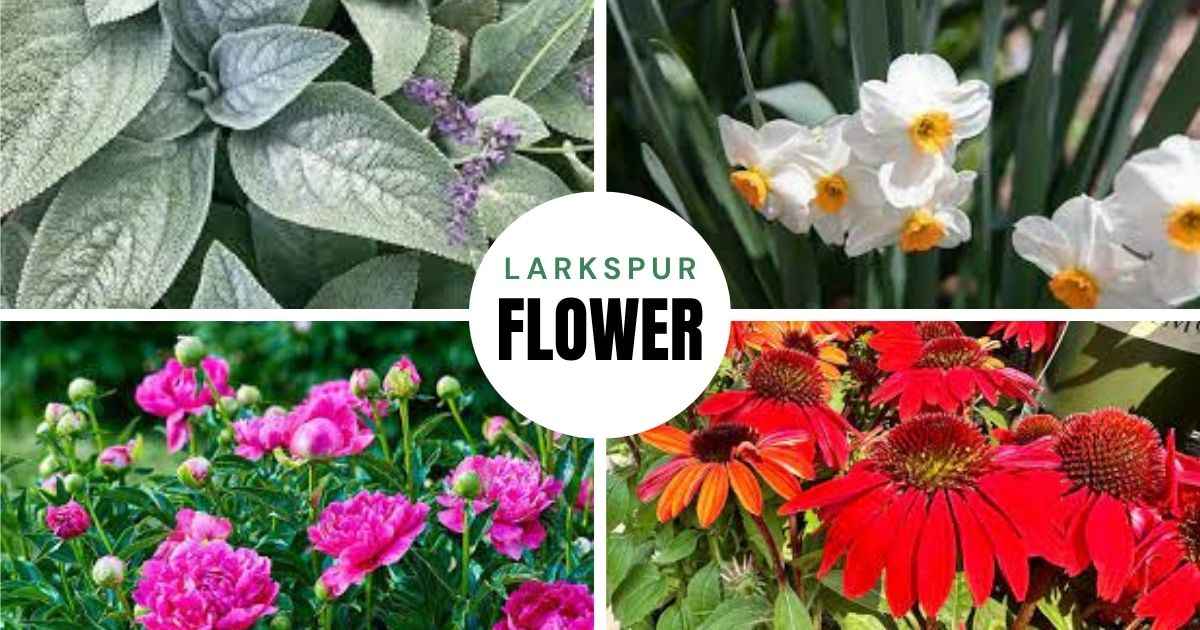
Deer tend not to approach coneflowers because of their bright, daisy-like blooms. They are a brilliant addition to perennial borders, bringing resilience and color.
4. Russian Sage (Perovskia atriplicifolia)
This plant thrives in sunny, dry climates and is disliked by deer because of its silvery leaves and sweet fragrance. Its airy blooms add texture to landscapes.
5. Boxwood (Buxus sempervirens)
Boxwood is a thick evergreen shrub that gives gardens formality and structure. Deer are less likely to graze it because of its hardy leaves, which makes it ideal for hedges.
6. Daffodils (Narcissus spp.)
In addition to providing bright springtime beauty, daffodils serve as a natural deterrent since their bulbs are poisonous to deer. When naturalized in beds, they work very well.
7. Catmint (Nepeta faassenii)
Catmint, renowned for its aromatic leaves and extended blooming season, lends appeal to rock gardens. Pollinators adore its powerful aroma, while deer avoid it.
8. Barberry (Berberis thunbergii)
Barberry is both attractive and protective due to its prickly stalks and vibrant leaves. In regions where deer are common, it’s a smart choice for defensive hedges.
9. Peony (Paeonia lactiflora)
Peonies are valued for their big, eye-catching flowers and ability to withstand deer browsing. They are perfect for adding a romantic touch to cottage-style gardens.
10. Lamb’s Ear (Stachys byzantina)
The soft, fluffy leaves of lamb’s ear make it an excellent ground cover because deer don’t like them. It gives garden beds a silvery tone and texture.
Conclusion: Deer Hardy Plants
Planting deer hardy plants is one of the best ways to combine style and functionality in your landscaping. Whether they have strong textures, strong scents, or natural chemicals, deer are much less interested in these hardy varieties. When paired with simple deterrents like fans, lights, or light fencing, they form an ingenious, multi-layered defense. If you plan early, you can enjoy bright flowers, sturdy shrubs, and a thriving environment without constantly dealing with deer damage.
FAQs: Deer Hardy Plants
What are the most deer-resistant plants?
Lavender, yarrow, daffodils, catmint, coneflower, Russian sage, boxwood, barberry, and lamb’s ear are the most common deer-resistant plants.
What smell do deer absolutely hate to eat?
The deer dislike natural scents such as lavender, mint, and cinnamon. You can create an invisible barrier by planting these plants in your garden without harming deer.
Are there any flowers that deer and rabbits won’t eat?
Lavender, catmint, coneflower, yarrow, and daffodils are naturally resistant to deer and rabbits due to their spiny texture, strong scents, and toxic compound properties.
