



Introduction
Fern leaf peony is one of the most eye-catching perennials you can add to your garden. The plant displays its graceful beauty through its delicate, feathery leaves and bright-colored flowers, which bloom early in the year. The plant has a soft, decorative appearance, resembling ferns, with delicate leaves that grow throughout the year, in contrast to traditional peonies.
The process of growing and maintaining a fern leaf peony provides aesthetic value to any outdoor area, suitable for all levels of gardening skill.
What is Fern Leaf Peony?
The fern leaf peony is a compact, herbaceous perennial, known for its distinctive leaf structure and attractive blooms. The plant starts flowering earlier than most peony varieties, which bloom in mid- to late spring.
Key Features
- Finely divided, fern-like leaves
- Bright red or pink blooms
- Compact growth habit
- Early blooming season
These plants are perfect for border areas, rock gardens, and compact garden spaces.
The fern leaf peony height is usually:
- 12 to 24 inches tall
- 18 to 24 inches wide
The plant’s small size becomes an ideal choice for both compact garden spaces and front border areas. The plant produces a strong visual presence despite its low height.
The plant displays its most attractive characteristic through its extensive range of colors.
Common Bloom Colors
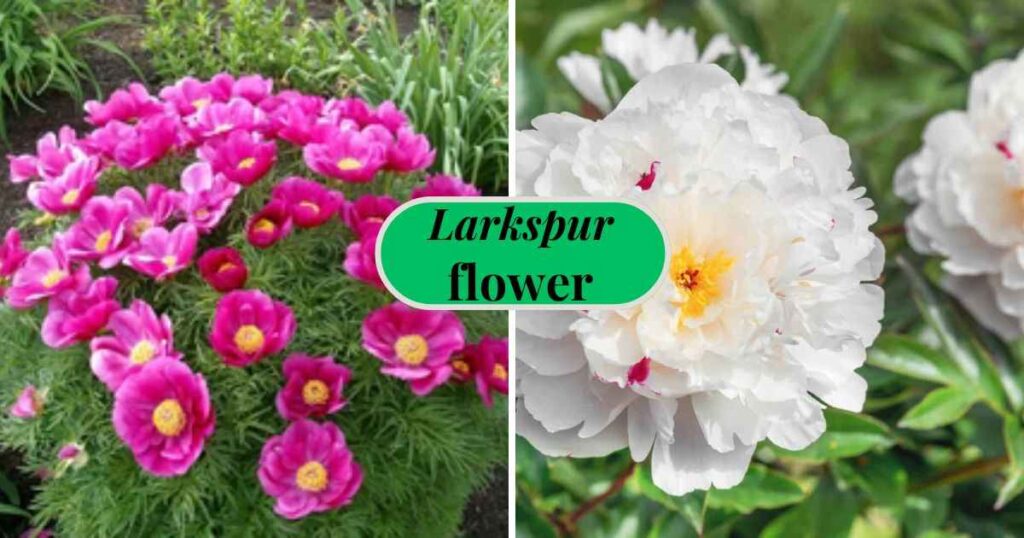
- Deep red (most popular)
- Pink fern leaf peony varieties
- Rare double-flowered types
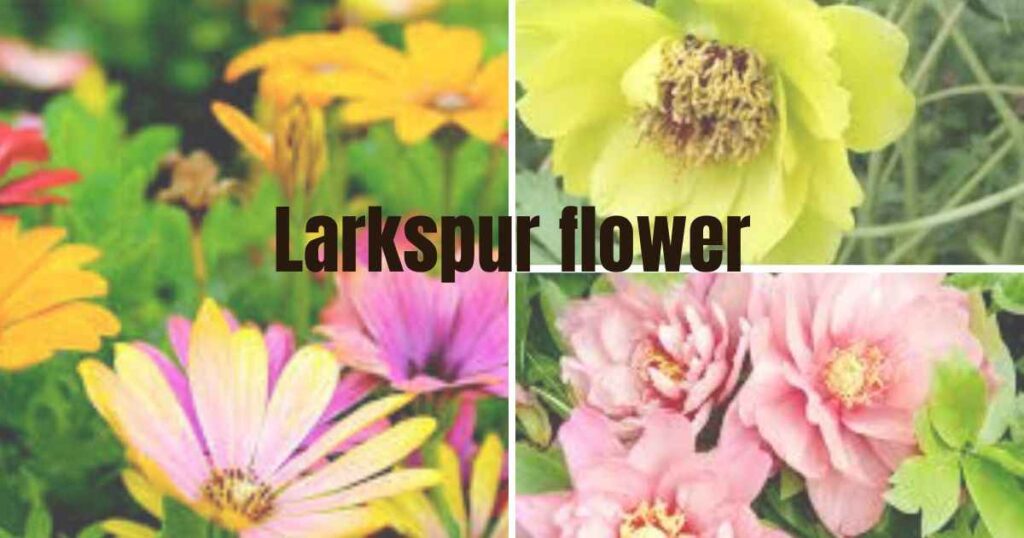
The classic red variant remains the most extensively cultivated option. However, collectors are increasingly interested in pink and double variants.
Fern Leaf Peony Zones and Climate Requirements
The fern leaf peony requires specific growing conditions to achieve successful growth. The plant requires USDA Zones 3-8 for optimal growth. The plants need cool weather conditions because they only bloom after experiencing a winter cold period.
Climate Preference
The plant needs full sun and partial shade, well-drained soil, and moderate watering to thrive. The plants need afternoon shade to survive in hot, humid weather.
The correct conditions should be established to achieve successful fern leaf peony growth.
Soil Requirements
The soil needs to be well-draining. The soil requires a pH range of slightly acidic to neutral.
Sunlight Needs
The flowers produce their best blooms in full sun. The plants need partial shade in areas that experience high temperatures.
Watering Tips
The plants need regular water but should not experience waterlogging. The plants need soil moisture, which should be allowed to dry to a certain level before the next watering.
Fern Peony Bulbs and Roots
Peonies grow from root divisions rather than traditional bulbs.
Understanding Fern Leaf Peony Roots
- Thick, tuberous roots
- Store energy for next season’s growth
When planting fern leaf peony roots, ensure:
- Buds are placed 1–2 inches below the soil surface
- Roots are spread gently in the hole
The term fern peony bulbs is often used, but technically, these are root systems rather than true bulbs.
Fern Leaf Peony Transplanting Tips
Transplanting should be done carefully to avoid stress.
Best Time for Transplanting
- Early fall is ideal.
How to Transplant
- Dig around the plant carefully
- Lift the root clump without damage
- Replant at the same depth
Proper fern leaf peony transplanting ensures continuous, healthy plant growth and ongoing peony flower production.
You can purchase fern leaf peonies at these locations that sell them.
You can find fern leaf peony plants at these locations, which sell them:
- Local garden centers
- Specialty nurseries
- Online plant stores
A plant is healthy when its roots feel solid, and it shows no signs of illness.
How to Propagate Fern Leaf Peony
Propagation is usually done through division.
Division Method
- Divide roots in fall
- Ensure each section has at least one bud
This method is the most reliable way to produce new plants.
Growing from Seed
If you’re wondering how to grow fern leaf peony from seed, keep in mind:
- Seeds take longer to germinate
- It may take several years to bloom
This method requires patience but can be rewarding.
Care and Keeping Suggestions
The procedure requires cutting blackened leaves after the blooming period to maintain plant health throughout the entire year. The process requires adding mulch to maintain moisture. The process requires applying fertilizers at low rates during the spring season.
The basic, widely used techniques will help your plant stay healthy while producing high-quality flowers.
Design Ideas for Your Garden
Fernleaf peonies offer multiple design options for landscaping.
Best Uses
- Border plants
- Rock gardens
- Mixed perennial beds
The plant’s special foliage creates an attractive contrast with springtime blossoms.
Conclusion
The fern leaf peony is an attractive ornamental plant for gardens, producing early flowers, displaying distinctive leaves, and requiring minimal maintenance. The plant provides beginner-friendly cultivation, leading to rewarding results through its height requirements, planting instructions, and suitable growing conditions.
Your outdoor space will receive vibrant color and texture from your fern leaf peony, which will return every year with appropriate care and proper placement.
FAQs About Fern Leaf Peony
How to propagate fern leaf peony?
The best method is root division in the fall, ensuring each section has a growth bud.
What defines a double red fern leaf peony?
This plant displays its exceptional features through its uncommon variety, which produces multiple red blooms that form its complete flower structure.
Where can I buy fern leaf peony in Canada?
Canadian growers can find them through local nurseries or online retailers.
