


Introduction
The arborvitae tree has become very popular as one of the most common evergreen trees for privacy screens, hedges, and landscape borders. This tree, famous for its dense foliage, rapid growth, and year-round greenery, has become homeowners’ number one choice for no-fuss garden care. Arborvitae grows in many sizes, from small compact bushes to tall towering giants. Arborvitae has something for everyone. This article covers the types of arborvitae trees, growth rate and height, problems, and how to choose the best variety for your space.
What Is an Arborvitae Tree?
An arborvitae is part of the Thuja genus and is native to North America and some areas of Asia. The name is a reference to the tree of life, recalling its traditional uses in both medicine and landscaping. Arborvitae is an evergreen conifer with flattened, scale-like leaves and a tendency to grow straight up, making it perfect for living fences and windbreaks.
Common Types of Arborvitae Trees and Varieties, and what exactly is an arborvitae?
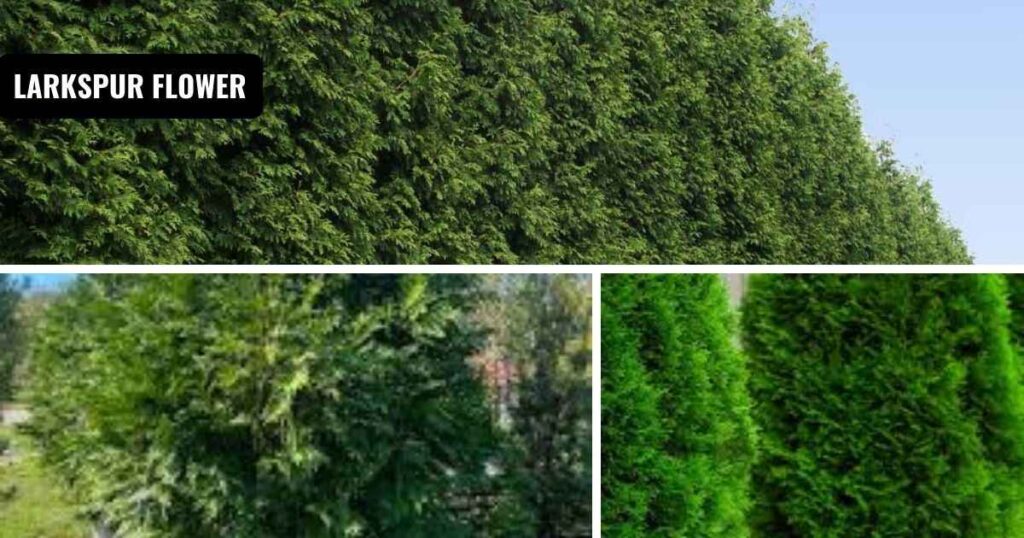
There are several varieties of arborvitae trees, each suitable for a different landscape use.
Green Giant Arborvitae
The green giant arborvitae is among the fastest-growing and most popular choices. The arborvitae known as the green giant is fast-growing and makes a great tall privacy screen.
- Rapid growth rate: 3-5 feet per year
- Mature height: 50-60 feet
Emerald Green Arborvitae
Emerald green arborvitae is a dense, formal-looking plant with a slender shape. It’s an excellent choice for small yards as well as for formal hedges.
- Rate of growth: 6-12 inches per year
- Mature height: 12-15 feet
Other Varieties
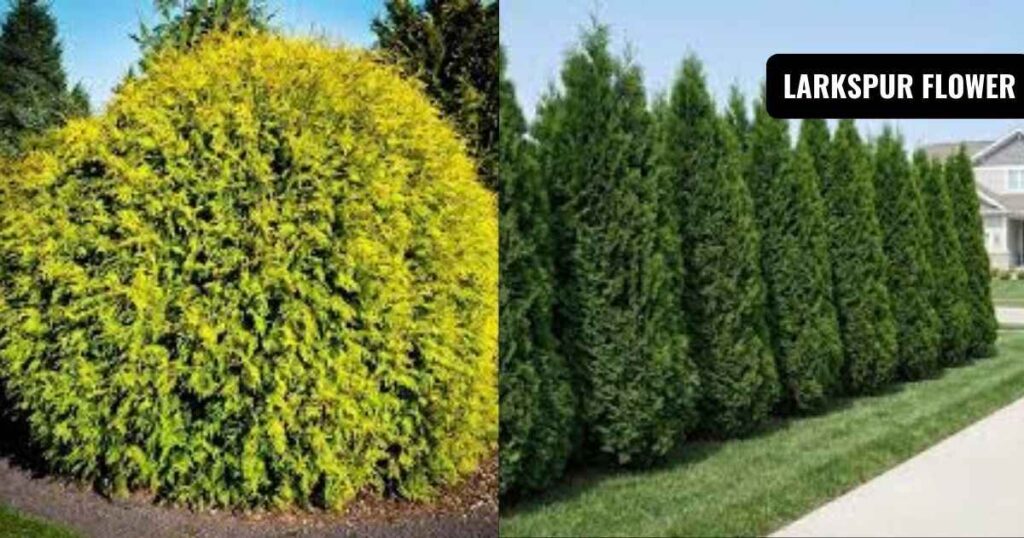
- Techny arborvitae
- American arborvitae
- Golden globe arborvitae
These arborvitae varieties come in a range of sizes, colours, and growth habits.
Giant Arborvitae Tree Growth and Size
The growth rate of trees varies by species, soil, and climate. Fast-growing types like the green giant arborvitae reach maturity quickly, while slower-growing cedar pines don’t take up as much space.
Arborvitae Tree Height Comparison
- Green giant arborvitae: as much as 60 feet
- Emerald green arborvitae: 12-15 feet
- Dwarf varieties: 3-6 feet
Knowing how tall arborvitae grow will help you avoid overcrowding and long-term problems.
Common Reasons for Browning
- Drought stress or overwatering
- Poor soil drainage
- Winter burn
- Pest infestations
- Lack of sunlight
To prevent your tree from turning brown, water it well, mulch its base, and plant it in well-draining soil with adequate sunlight.
Perfect Growing Conditions for Arborvitae Trees
Sun and Shade Requirements
The best for arborvitae trees is full sun or partial shade. When you provide 6 hours of sunlight daily, the trees will be thickly foliaged and in full bloom.
- Soil and watering
- Moist, well-draining soil
- Watering Intervals during the first year
- Mulching to retain moisture
- Care should be taken to promote healthy growth and prevent stress-related diseases.
Arborvitae Tree for Sale: What to Look For
So, when you buy a tree, be sure to choose a healthy one with rich green foliage and a solid root system. Steer clear of trees with brown tips, dry soil, or visible pests.
Purchasing the right arborvitae tree will help with this process and lead to long-term success.
Arborvitae vs Other Privacy Trees
Though arborvitae is a favourite, there are many comparisons to other privacy trees.
Leyland Cypress Tree
The Leyland cypress tree is also a fast grower and makes an excellent screen, but it needs more room and care than most arborvitae.
Taylor Juniper Tree
The Taylor juniper tree also has a slender, columnar shape like arborvitae, but is more drought-resistant and slower-growing.
There are pros and cons to each, but the arborvitae tree remains one of the most dependable selections for hedging.
Benefits of Planting Arborvitae Trees
- Year-round privacy
- Low maintenance
- Wind and noise reduction
- Wildlife shelter
- Long lifespan
When properly spaced and cared for, arborvitae trees add beauty and value to landscapes.
Conclusion
The arborvitae tree is a reliably stylish addition to any landscape. The fantastic range of varieties of arborvitae trees ensures that no matter if the arborvitae you are after is a fast-growing green giant or a small one in the form of an emerald green, they will be the right choice for you. Understanding the characteristics of growth rate, such as height, and common problems like browning, will help you provide proper care and keep arborvitae trees healthy and vibrant for many years. Positioned and maintained correctly, arborvitae remains among the best trees for privacy and architecture.
FAQs
What is the problem with arborvitae?
One major arborvitae negative is its susceptibility to drought, which can cause browning.
Are arborvitae sun or shade?
The arborvitae tree can thrive in full to partial sun, and it is in full sun that you will enjoy the best results and the fullest growth.
Where not to plant arborvitae?
Do not grow arborvitae trees in areas of poor drainage, heavy shade, or limited space for full-size growth.
How tall does an arborvitae tree get?
The height of an arborvitae tree depends on the variety, from just 3 feet for dwarf species to over 60 feet for green giant arborvitae.
