


Introduction
If your backyard feels a little too shady for flowers, hydrangea shade plants might be your new garden favorite. Known for their lush, globe-like blooms and glossy green leaves, hydrangeas bring life, texture, and color to dim corners where most flowers refuse to grow.
These beautiful plants are not only shade-tolerant but also easy to care for, making them perfect for busy gardeners and landscape lovers alike. Whether you want a romantic woodland look or a soft splash of color along a north-facing wall, hydrangea shade plants can transform your garden into a peaceful floral retreat.
Why Choose Hydrangea Shade Plants
Hydrangeas are beautiful, adaptable, and quite forgiving. They should be included in every American garden for the following reasons:
- Shade Adaptability: Many hydrangeas do well in partial to full shade, unlike flowers that require a lot of sunlight.
- Moisture-Loving: They thrive in places with morning dew or filtered sunshine because they like chilly, wet soil.
- Eye-Catching Blooms: They have big, durable blooms that are blue, pink, purple, and white.
- Low Maintenance: Other than periodic trimming and watering, hydrangeas require little care once they are established.
Best Hydrangea Varieties for Shade
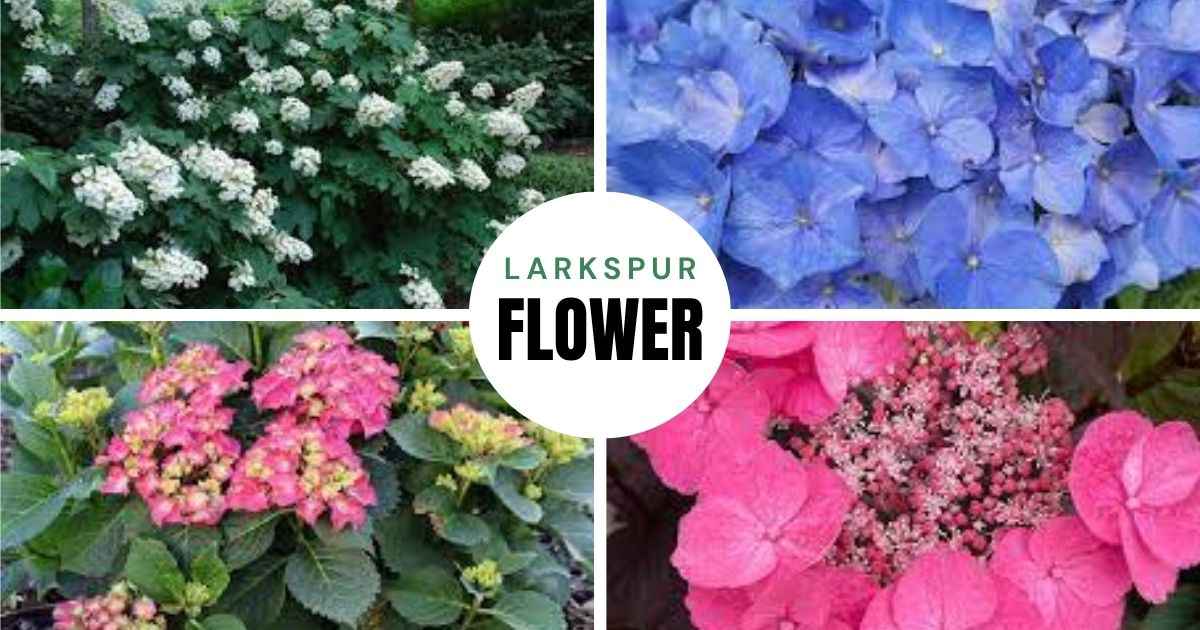
1. Bigleaf Hydrangea (Hydrangea macrophylla)
With its large, spherical flower heads and deep green foliage, this is the traditional hydrangea that most people are familiar with.
- Shade Level: Partially shaded
- Flower color: Depending on the pH of the soil, flowers can be either blue, pink, or purple.
- Early summer to late fall is when it blooms.
- Particularly in warmer southern areas, bigleaf hydrangeas thrive in morning sunlight and afternoon shade.
2. Oakleaf Hydrangea (Hydrangea quercifolia)
This cultivar, which is native to the southeastern United States, is interesting throughout the year since it blooms in the summer and becomes a brilliant red in the fall.
- Shadow Level: Full to partial shadow
- Flower Colors: Pinkish tan to white, fading
- Unique Aspect: Even when not in bloom, the large, oak-shaped leaves give texture.
- Oakleaf hydrangeas are popular across the South because of their ability to withstand heat and humidity.
3. Smooth Hydrangea (Hydrangea arborescens)
This kind of hydrangea will repay you each summer with enormous, cloud-like flowers if you reside in a colder climate.
- Shade Level: Partially shaded
- Colors of flowers: white or light pink
- A popular cultivar, “Annabelle,” is renowned for its enormous, snowball-shaped flowers.
Even in northern areas, smooth hydrangeas flourish and may withstand more shade than other varieties.
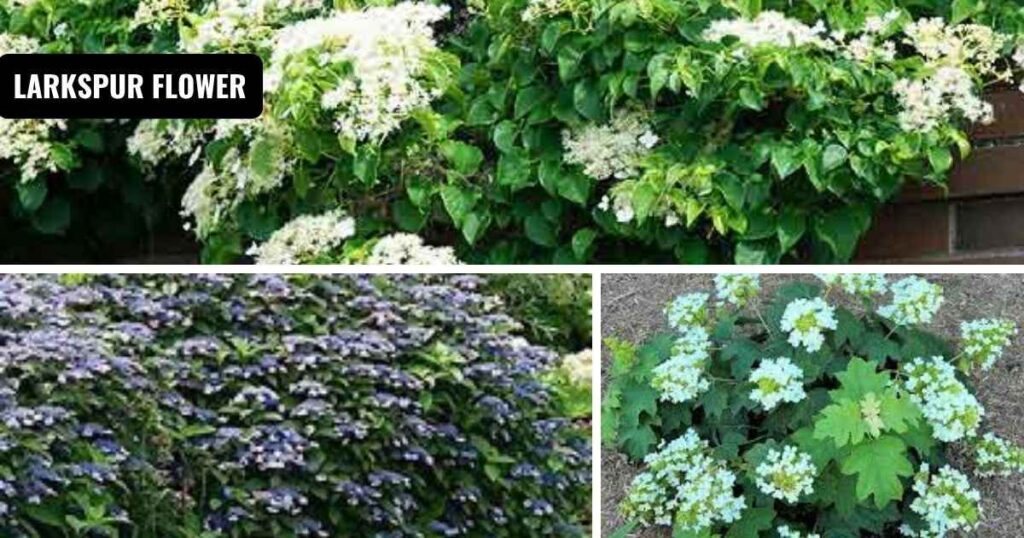
4. Climbing Hydrangea (Hydrangea anomala petiolaris)
Do you want to hide a shaded wall or fence? This hydrangea, which resembles a vine, performs a fantastic job.
- Shade Level: Complete to insufficient shade
- Colors of the Flowers: Creamy white lacecap flowers
- Growth Habit: Reaches up to 40 feet by utilizing aerial roots to climb!
Climbing hydrangeas are ideal for woodland-style gardens or pergolas with shade.
5. Mountain Hydrangea (Hydrangea serrata)
Mountain hydrangeas are more delicate and smaller, making them perfect for small garden areas or containers.
- Level of Shade: Dappled
- Pink or blue flowers (depending on the pH of the soil)
- They are resilient, cold-hardy, and ideal for patios with shade or coastal areas.
How to Plant Hydrangea Shade Plants
1. Pick the Proper Site
Choose a location that receives morning sunlight and afternoon shade. Steer clear of deep, heavy shadow since it inhibits blooming. Filtered light from tall trees or the north side of a building is ideal for hydrangeas.
2. Get the Soil Ready
The ideal soil for hydrangeas is wet, well-draining, and high in organic matter. Before planting, add peat moss or compost to enhance texture and water retention.
3. Depth of Planting
Dig a hole that is no deeper than twice the root ball’s width. After placing the plant at ground level, cover it with enriched soil and give it plenty of water.
Watering and Care Tips
Consistent hydration is ideal for hydrangeas, but damp roots can cause rot. To determine the equilibrium, follow these steps:
- During dry conditions, water deeply once or twice a week.
- To keep the soil cool and preserve moisture, mulch the area around the base.
- To avoid fungal leaf spots, do not water from above.
Pro Tip: Your plant is a little stressed if its leaves droop throughout the day but brighten up in the evening. Make sure to give it plenty of water.
Fertilizing for Blooming Success
Apply a slow-release, balanced fertilizer (10-10-10) to your hydrangea shade plants in the spring and again in the middle of summer for optimal growth.
Keep in mind that too much nitrogen promotes green growth but reduces flowers.
Soil pH Trick:
- When the pH of the soil is below 6, blue blooms result.
- Pink flowers result from alkaline soil (pH above 7).
- For a natural color adjustment, use aluminum sulfate or garden lime.
Maintenance and Pruning
The variety determines how to prune:
- After flowering in late summer, Bigleaf and Oakleaf should be pruned.
- Panicle and Smooth: Prune in the early spring or late winter.
- To promote ventilation and ward against illness, remove any dead or crossed stems.
Design Ideas for Shady Gardens
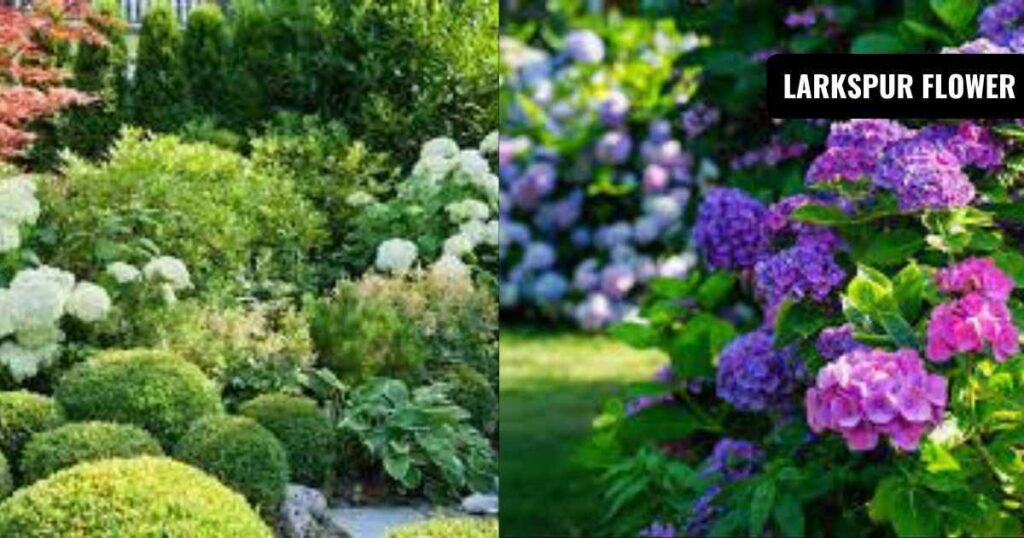
Low-light areas benefit greatly from the structure, softness, and color that hydrangea shade plants bring. Try these design concepts:
- For layered texture, combine with ferns, hostas, or astilbes.
- To create a cottage-style atmosphere, line pathways or shaded borders.
- To ensure that your hydrangeas bloom continuously from spring to October, mix various types.
Conclusion
You don’t have to let shady areas in your yard feel dead or boring. Any low-light area may be transformed into a vibrant, calm haven with hydrangea shade plants. Particularly for American homes that appreciate low-maintenance beauty, their luscious foliage, exquisite blossoms, and uncomplicated care make them a gardener’s paradise.
So, go ahead and plant some hydrangeas this season, and you’ll see your shadow garden blossom with beauty!
FAQs About Hydrangea Shade Plants
Can hydrangeas grow in full shade?
They can, but blooming may be limited. Most thrive in partial shade with a few hours of morning sun.
How often should I water hydrangeas in the shade?
Water once or twice weekly. Shaded areas retain moisture longer, so avoid overwatering.
Are hydrangeas deer-resistant?
Unfortunately, no. Deer love hydrangea leaves and buds, so consider using repellents or fencing.
Can I grow hydrangeas in containers?
Yes! Choose compact varieties like ‘Mini Penny’ or ‘Cityline Paris’ and use rich potting soil with good drainage.
How long do hydrangeas live?
With proper care, hydrangeas can live 20 years or more, growing fuller and more beautiful each season.
