


Introduction
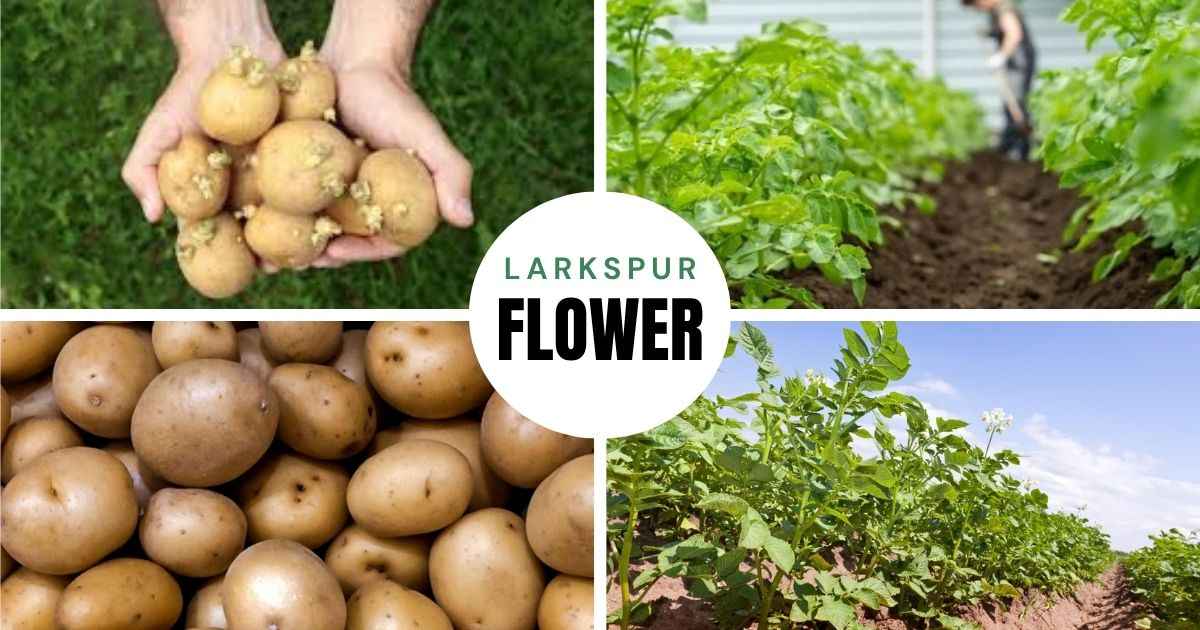
You are not the only person who has ever wished to dig into lush garden soil and find golden, homegrown potatoes. Have you ever wondered how long to grow potatoes from seed to harvest? This is a question that many gardeners in the United States ask.
In general, potatoes take between 70 to 120 days to develop; however, this varies according to the variety, climate, and growth circumstances. With a little forethought and patience, you may have a satisfying potato harvest, whether you dwell in the warm South or the colder Northern regions.
Let’s examine every element, from planting to harvesting, so you can determine the ideal growing season for potatoes and how to ensure their success.
The Potato Growth Timeline Explained
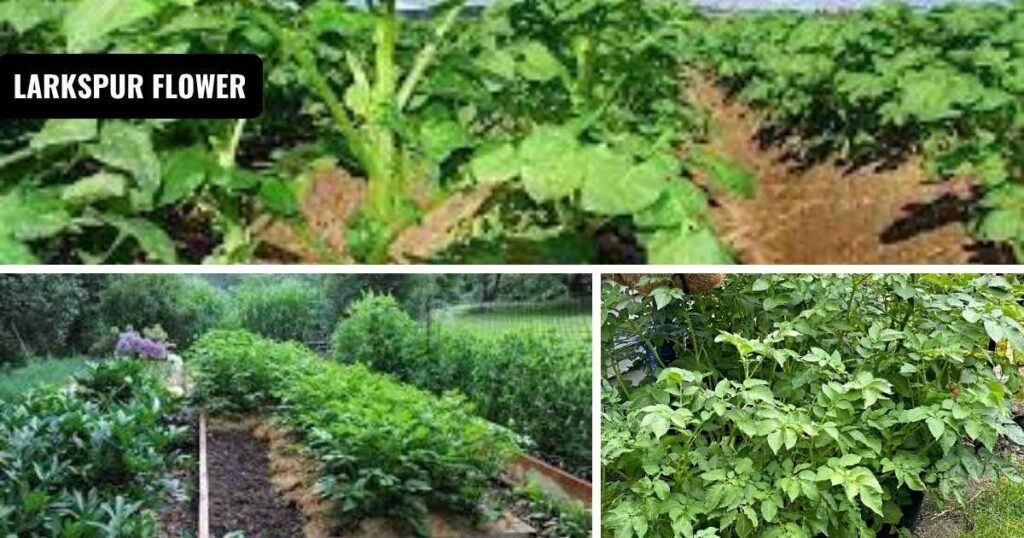
To really understand how long to grow potatoes, it helps to break down their life cycle. Each stage plays an important role in developing a healthy, high-yield crop.
Stage of Sprouting (Weeks 1-2)
Seed potatoes, which are tiny tubers with “eyes,” are where it all begins. They start to grow in two weeks when planted in warm, wet soil (around 45 to 55°F).
Before planting, you may pre-sprout (chit) your potatoes by letting them sit in a cool, light place for ten days or so.
2. Growth of Vegetation (Weeks 3-6)
Leafy green stems develop quickly when the shoots appear. Your potato plants establish robust roots during this period, starting to lay the groundwork for the development of tubers.
To shield the developing tubers from sunlight, start hilling, or piling soil around the base of the plant, and keep the soil continuously moist.
3. Formation of Tuber (Weeks 6-10)
The magic starts now! Underground, tubers, or little potatoes, begin to develop. Since the plant requires a lot of water and nutrients, this stage is very important.
To promote tuber growth, use a fertilizer that is balanced and high in potassium and phosphorus. Leafy tops but few potatoes might result from too much nitrogen.
4. Bulking of Tuber (Weeks 10-14)
Your potatoes will reach their maximum size and weight at this point. The subterranean tubers enlarge quickly, and the tops will keep growing.
Approximately 1 to 1.5 inches of water every week is the ideal amount. Uneven growth or broken potatoes might result from irregular irrigation.
5. Harvest and Maturation (Weeks 14-20)
Your potatoes are ready to be harvested when the leaves begin to turn yellow and wither away. This might happen 70–120 days after planting, depending on the cultivar.
After 60 to 70 days, you can carefully dig around the base to get tiny, delicate “new potatoes.” Wait until the tops of full-sized, storable potatoes entirely die down.
Tips to Speed Up Potato Growth
Here are some clever suggestions if you are keen to reduce the amount of time it takes for your crop to mature:
1. Get your seed potatoes ready to sprout.
By doing this, you can save up to two weeks of growth time for your plants.
2. Get the Soil Warm First
In the spring, use row covers or black plastic mulch to help the soil warm more quickly.
3. Supply Steady Moisture
Watering potatoes deeply and evenly is ideal. Steer clear of drought stress, which slows down the growth of tubers.
4. Take Regular Hill
Every two to three weeks, tubers are hilled to keep them covered, avoid greening, and increase harvests.
5. Use Fertilizer Sensibly
To concentrate energy on tuber growth, use a low-nitrogen fertilizer after plants are 6 inches tall.
Common Mistakes That Delay Potato Growth
Even experienced gardeners sometimes make mistakes that affect how long to grow potatoes. Avoid these pitfalls for a faster, healthier crop:
- Planting too early: Seed potatoes can be rotted by cold, damp soil.
- Spacing: Overcrowded Plants should be spaced 12 to 15 inches apart.
- Overwatering: Rot and stunted growth can result from excessive wetness.
- Pest neglect: Keep an eye out for aphids and Colorado potato beetles.
- Ignoring soil quality: Compacted or poor soil inhibits the growth of roots and tubers.
Best Potato Varieties for American Gardens
If you want to optimize both yield and timing, choose varieties suited to your climate:
- Yukon Gold: 80–90 days: Perfect for mashing, with a buttery taste.
- 75-day Red Norland: Smooth skin, early harvest.
- Kennebec: 100-110 days: Excellent storage and all-purpose variety.
- Russet Burbank: A traditional option for baking, lasting 120 days.
- Fingerling: Gourmet-style potato, small, 100 days.
Yukon Gold and other early-maturing varieties produce results quickly, while Russet Burbank is ideal for long-term preservation.
Harvesting and Storing Your Potatoes
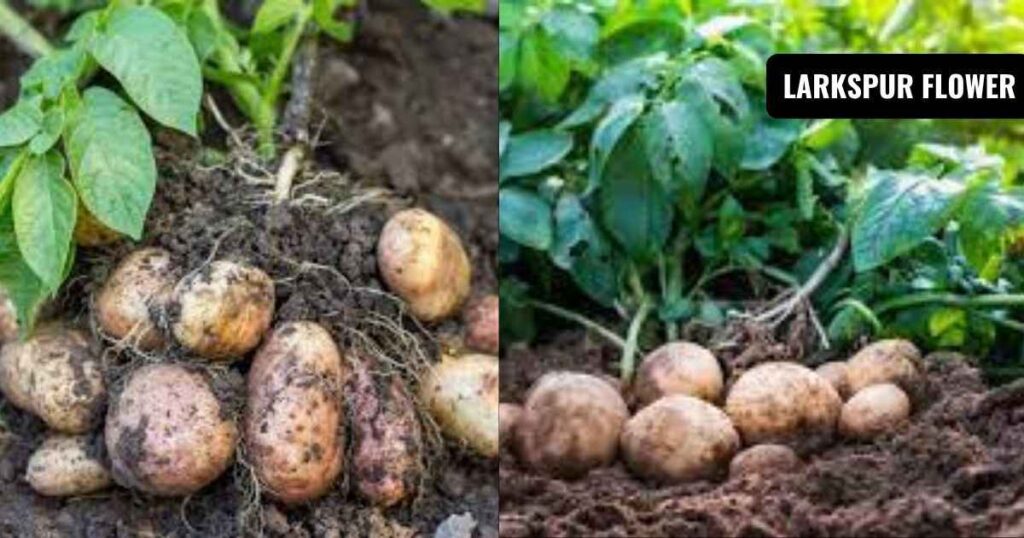
Wait around two weeks after your potato vines have died back before harvesting. This prolongs the skin’s shelf life by enabling it to harden.
Gently remove potatoes from the ground using a shovel or garden fork. Before storage, let them air-dry for a few hours in a cool, shady area.
For enduring storage:
- Store them somewhere dry, cold, and dark (around 40 to 50°F).
- Please wait until you are ready to utilize them before washing them.
- Keep onions away from storage to avoid sprouting.
Potatoes may survive up to six months if kept properly.
How Climate Affects Potato Growth in the U.S.
Your location and local weather greatly influence how long to grow potatoes successfully. Potatoes grow best in the Northern United States between April and May, and harvests are usually available between July and September. Growers must wait until the earth warms up in the spring before planting in cooler locations.
The best season to plant is early, often from February to March, in the Southern U.S., where winters are warmer. Harvests take place from May to July. Before the summer heat arrives, some gardeners in the South even like to start their crops early.
Depending on local temperatures and variety, the optimal time to plant in the Western United States is March to April, with harvests occurring in June to August. Potatoes may be planted all year round in coastal areas with warm weather, such as sections of California; however, the harvest date is mostly determined by the variety selected.
Gardeners can benefit from longer growing seasons in warmer climates, such as Texas or Florida, by cultivating two harvests of potatoes annually: one in the early spring and one in the fall. Because of this adaptability, potatoes are a profitable and versatile crop in many parts of the United States.
Conclusion: How long to grow potatoes
So, how long to grow potatoes? The answer is a little patience, typically between 70 and 120 days, depending on the variety and growing conditions.
Your potato patch can produce an abundant crop of tasty, fresh potatoes that are ideal for Sunday roasts, salads, and fries, provided it receives the right attention, sunshine, and watering.
Nothing compares to the thrill of harvesting your own potatoes, whether you are growing in California, Texas, or Vermont. It is the ideal way to cap off a few months of hard work and love.
FAQs About How Long to Grow Potatoes
Can I grow potatoes year-round?
In most U.S. regions, no. But in mild or southern climates, you can plant a spring and fall crop.
How long to grow potatoes in containers?
Typically 70-100 days, depending on the variety and pot size.
Do potatoes need full sun?
Yes! They thrive with at least 6-8 hours of sunlight daily.
How can I tell when potatoes are ready to harvest?
When the vines turn yellow and die back, that’s your cue.
Can I grow potatoes from store-bought ones?
You can, but certified seed potatoes are safer and disease-free.
