

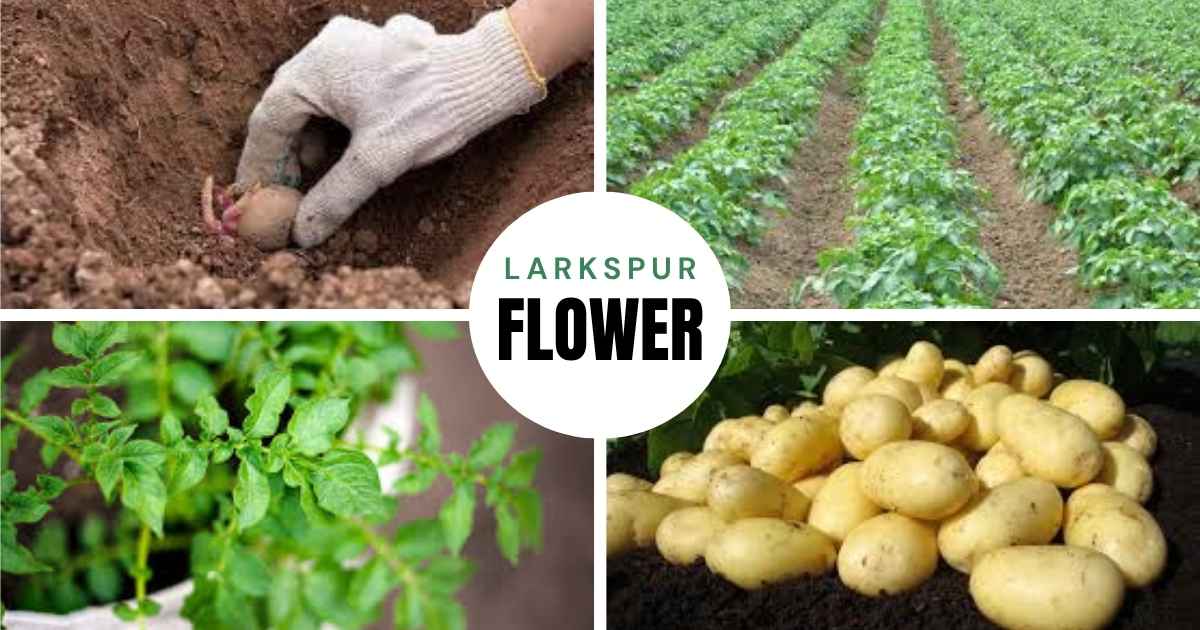
If you have ever wondered when should you plant potatoes to get the biggest and healthiest yield, you are definitely not alone. One of the most popular garden crops in America, potatoes are simple to cultivate, quite profitable, and ideal for raised beds or backyard gardens. Timing is the key to success. If you plant them too early, the sprouts may be damaged by frost; if you plant them too late, the growth may be slowed by the summer heat.
Let’s examine when potatoes grow best in different parts of the United States, what soil and temperature conditions they prefer, and how to get your seed potatoes ready for a bumper crop.
When Should You Plant Potatoes: Smart Timing for a Bumper Harvest
Understanding Potato Growth: The Basics
The ideal growing temperature range for potatoes, which are cool-season vegetables, is 45°F to 75°F. Although they may withstand mild cold, they do best when planted right before the final date of spring frost.
Depending on the type, potatoes usually take 90 to 120 days from planting to harvest. As a result, planting time has a significant impact on the final yield and quality.
When Should You Plant Potatoes: Ideal Time to Plant by Region
Northern U.S. and Midwest
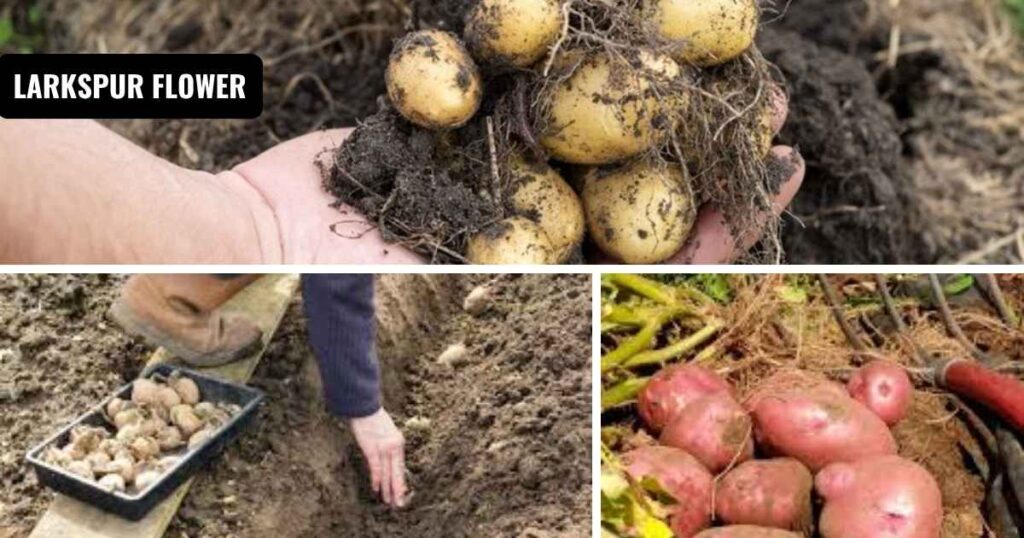
Soil takes longer to warm up in northern states like Michigan, Maine, and Minnesota. Potatoes are best planted two to four weeks before the last year frost date in your area, which is typically mid- to late-April.
To prevent the seed potatoes from rotting in cold, damp soil, wait until the soil temperature reaches around 45°F.
Southern U.S.
Southern gardeners benefit from a longer growing season. In places like Texas, Louisiana, or Florida, in particular, potatoes can be planted as early as January through March.
For a winter harvest in really warm climates, think about planting in the fall (September to October).
Western U.S.
Plant potatoes from February to early May in regions with warm winters and temperate summers, such as California and the Pacific Northwest. These areas enable prolonged growth, resulting in superior yields.
Mountain States
Spring comes later in places with greater elevations, such as Colorado or Montana, after the earth has thawed and warmed to at least 45°F, usually in May or early June, plant potatoes.
Soil Temperature and Conditions
When choosing when to plant potatoes, two of the most important considerations are temperature and soil quality.
- Optimum temperature: For sprouting, the ideal soil temperature is between 45°F and 55°F.
- Steer clear of soggy soil: Too much moisture might lead to seed potato rot.
- pH Level: It is best to have slightly acidic soil (pH 5.0–6.5).
For better drainage and nutrients, mix well-rotted manure into the soil prior to planting.
When Should You Plant Potatoes: Preparing Seed Potatoes
The key is to use healthy seed potatoes. Certified seed potatoes are available online or at your neighborhood nursery. Steer clear of store-bought potatoes as they may contain sprout inhibitors or other illnesses.
Steps to Prepare Seed Potatoes:
- Chit your potatoes: To give them time to develop little sprouts, leave them in a cool, light place for a week or two.
- Cut big potatoes into pieces that have at least one or two eyes each. To avoid rot, let the cuttings dry for one to two days prior to planting.
- Plant at the proper depth: Put the pieces about 10-12 inches apart and 3-4 inches deep.
When Should You Plant Potatoes: How Weather Impacts Potato Planting
Frost Danger
New potato shoots can be killed by frost. After planting, cover the area with row covers or straw if a cold snap is predicted.
Excessive Heat
Temperatures above 85°F cause a sharp slowdown in growth. Gardeners in the South should try to have their potatoes mature before the hottest part of the summer arrives.
Indications That the Time Is Too Soon or Too Late to Plant
- Too Early: There are predictions of frost, or the soil feels damp and chilly.
- Too Late: Potatoes may have trouble sprouting since the soil is warm (over 80°F) and dry.
As a general guideline, the soil is suitable for planting if you can kneel on it without feeling chilly.
Caring for Potato Plants After Planting
1. Watering
Approximately 1-2 inches of water should be given to potatoes each week, particularly during blooming. Don’t overwater; this can cause decay.
2. Hilling
Mound earth around the stems of plants after they are 6 to 8 inches tall. This increases yield, keeps tubers covered, and stops greening.
3. Fertilizing
To encourage tuber growth rather than foliage growth, use a low-nitrogen fertilizer. After planting, apply once more, and then again when blooming starts.
4. Pest Control
Aphids and Colorado potato beetles should be avoided. If necessary, handpick or use organic insecticidal soap.
When to Harvest Your Potatoes
Depending on whether you planted early, mid, or late-season kinds, harvesting will vary.
- New potatoes: Harvest fresh potatoes 60–70 days after sowing.
- Main Crop potatoes: Give the plants 90 to 120 days to die down naturally.
To toughen the skins for preservation, cure potatoes for one to two weeks in a cold, dark location after harvesting.
Conclusion: When Should You Plant Potatoes
So, when should you plant potatoes? The best time depends on your region, soil temperature, and local frost patterns.
A plentiful harvest of homemade potatoes that taste far better than anything you can buy may be achieved by following the straightforward instructions above: plant in cold, well-drained soil, carefully prepare your seed potatoes, and time your crop around your growth zone.
FAQs: When Should You Plant Potatoes
Can I plant potatoes from store-bought ones?
It’s not recommended. Store potatoes may carry disease or be treated to prevent sprouting. Always choose certified seed potatoes.
What happens if I plant potatoes too early?
They may rot in cold, wet soil or suffer frost damage. Wait until the soil is at least 45°F.
Can potatoes be planted in containers?
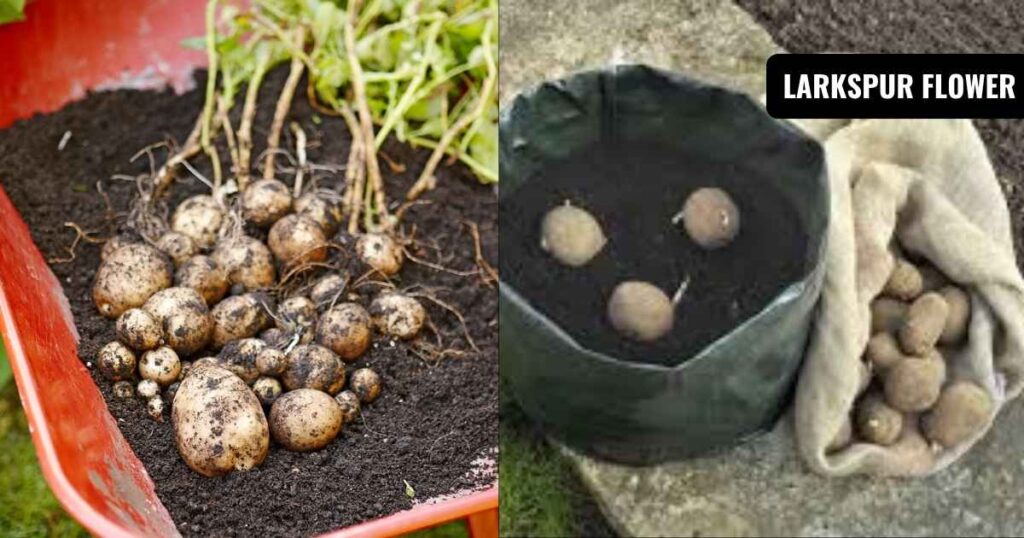
Absolutely! Select a large container with good drainage, fill it with rich soil, and hill as the plant grows.
How do I know the soil is warm enough?
Use a soil thermometer. When it reads 45°F or higher for several days, it’s time to plant.
Can I grow potatoes year-round in warm states?
In southern states like Florida or southern Texas, you can grow potatoes twice a year — once in spring and again in fall.
