


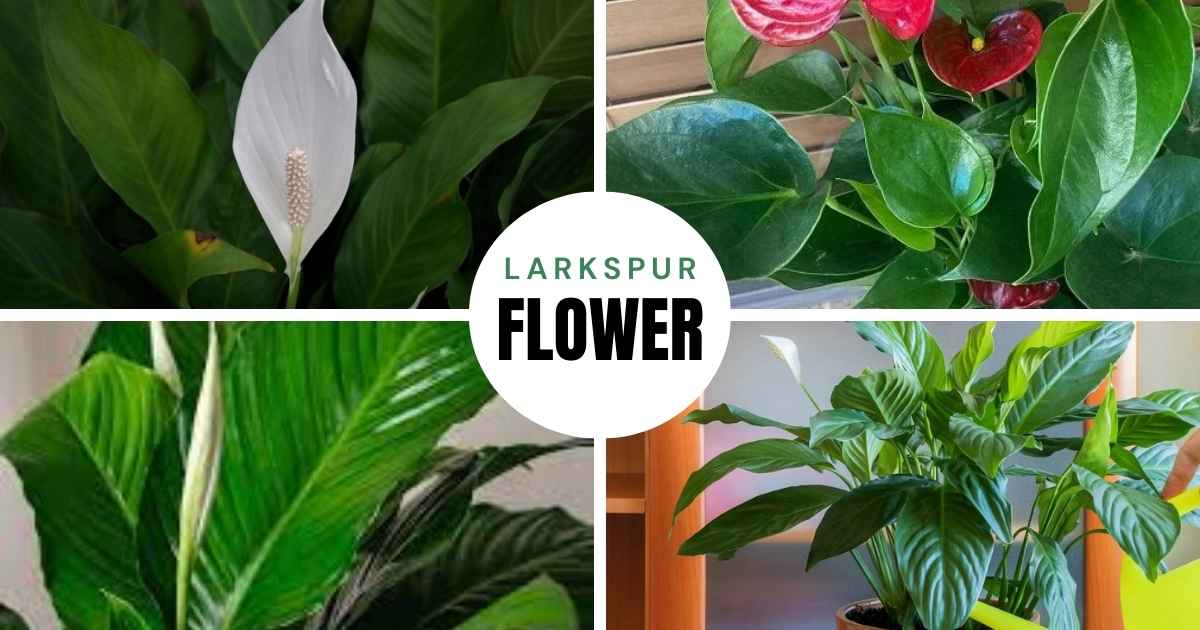
Are you curious about how to care for a peace lily so that it thrives throughout the year? These beautiful tropical plants, officially known as Spathiphyllum, are frequently found in homes and offices due to their delicate white blossoms and rich green foliage. Thus, despite being considered low-maintenance plants, peace lilies need specific conditions to flourish.
Everything you need to know about caring for a peace lily is covered in this article, which is based on facts that are both practical and supported by science. The best lighting, soil types, watering schedules, and common problem-solving techniques are all covered.
How to Care for a Peace Lily: Five Effective Ways
What is a peace lily?
Native to Central and South America, the peace lily (Spathiphyllum wallisii) is a tropical evergreen perennial. Despite not being a genuine lily, it gets its name from its central spadix and lily-like white spathes. It is valued for its ability to purify the air and can thrive indoors with proper care.
Why Learn How to Care for a Peace Lily?
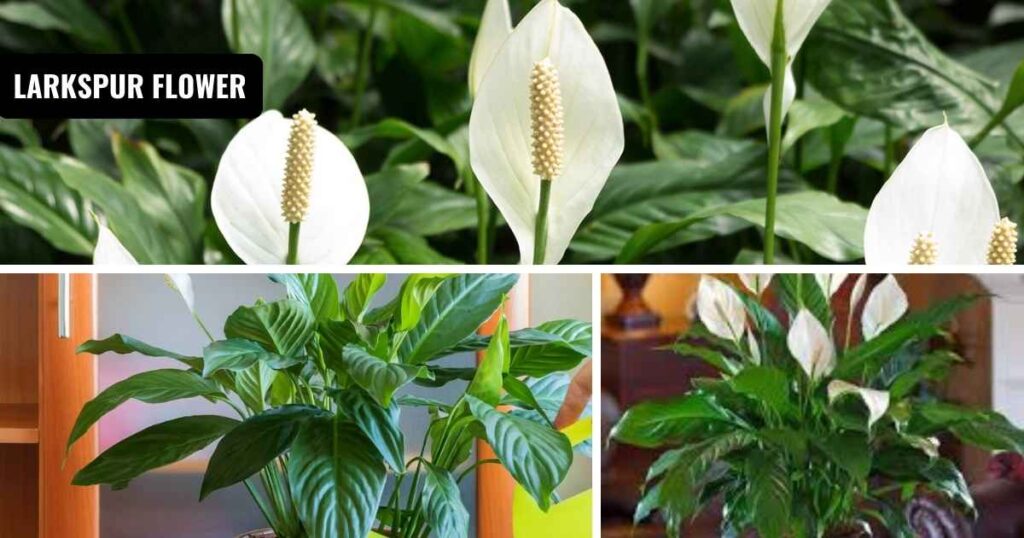
A peace lily that receives the right care will develop lush, green leaves and bear robust blossoms. A beautiful and practical addition to your home, it also lengthens the plant’s lifespan, reduces the likelihood of pests and diseases, and improves indoor air quality.
1. Best lighting conditions for peace lilies
The best light is bright and indirect.
Bright yet indirect sunshine is ideal for peace lilies. While too little light might result in lanky growth and fewer flowers, too direct sunshine can scorch their leaves and discolor them.
Place your peace lily near a window that faces east or north for best results. These locations provide soft morning or filtered light without the harshness of noon sunlight. If you put sheer curtains next to a window that gets more light, you may also use them to disperse intense sunlight. Avoid direct sunlight during the hottest parts of the day.
Light type has a big influence on the health of the peace lily:
- Leaf burn and yellowing can be caused by direct sunlight.
- Indirect sunlight promotes healthy development and regular flowering.
- Low levels of light prevent development and blooming capacity.
2. How to water a peace lily
Consistency is key
One of the most crucial aspects of caring for a peace lily is understanding when to water it. Watering these plants correctly is essential to their health because they can be overwatered or underwatered.
When the top inch of soil feels dry, it’s time to water. Whenever possible, use lukewarm, filtered water for peace lilies because they may be sensitive to contaminants in tap water. Additionally, slightly soaking the leaves helps to simulate the humid environment that these tropical plants like.
Watch for early warning signs.
If your plant’s leaves are drooping, it most likely needs water. However, yellowing leaves should be treated since they are frequently an indication of overwatering.
3. The ideal potting mix and soil
Soil That Drains Well Is Important
Peace lilies prefer soil that retains some moisture but drains well enough to prevent soggy conditions. To prevent problems like root rot, which may rapidly harm or kill the plant, it is essential to use the proper potting mix.
One part perlite or pumice for drainage and aeration, two parts peat moss or coco coir for moisture retention, and optionally a handful of compost for nutritional addition make up the perfect soil combination. This mixture promotes balanced water retention and root growth.
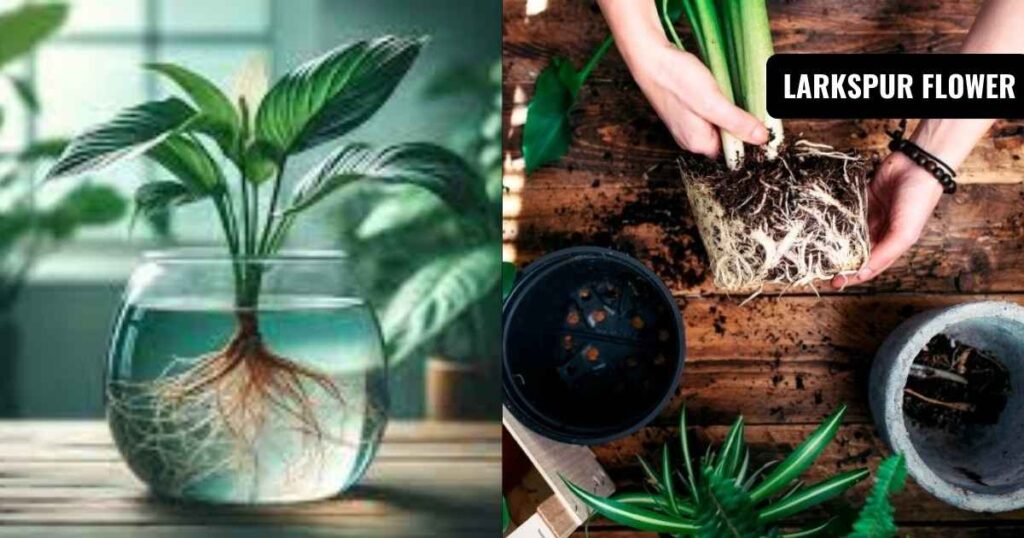
Make sure your pot has a drainage hole to allow excess water to escape. It’s also a perfect idea to transplant your peace lily in the early spring every one to two years. This pot helps the plant maintain its health over time, revitalizes the soil, and provides more space for the roots to spread out.
4. Fertilization and feeding
Although peace lilies don’t require a lot of fertilizer, it can help them grow healthily and produce greater blooms.
Use a balanced liquid fertilizer, like 10-10-10 or 20-20-20. It should be applied once a month during the growth season, which typically spans spring and summer. This fertilizer promotes the growth of leaves and the generation of flowers.
Since the plant is dormant and doesn’t require additional nutrients, don’t fertilize throughout winter. Keep in mind that brown leaf tips or fertilizer burn are indicators that your plant is receiving too much fertilizer.
5. Humidity and temperature Needs
A tropical indoor environment, ideally between 65°F and 80°F, is good for peace lilies. Since they are susceptible to cold stress, it is crucial to keep them away from air conditioners, chilly breezes, and abrupt temperature fluctuations. High humidity is also a favorite of these plants. To naturally raise the humidity levels around your plants, place the pot on a pebble tray filled with water, use a humidifier to keep the air moist, or group your plants closely.
Conclusion: How to care for a peace lily
It is not difficult to learn how to take care of a peace lily. Your Spathiphyllum can give you stunning white blossoms and lush green foliage all year long, provided you have the proper ratio of light, water, humidity, and nutrients. This tropical houseplant could be kept happy and healthy with regular care and a few adjustments.
FAQs: How to care for a peace lily
How do I care for a peace lily indoors?
A peace lily prefers high humidity indoors; raising the substantial relative moisture around your plants is the most effective care technique.
Should I cut the brown tips of my peace lily?
Indeed, you can trim the brown tips of your peace lily while keeping an eye on your lighting, fertilization, and watering schedule.
How often do you water a peace lily?
The variations depend on temperature and humidity and occur approximately once a week, after the top inch of soil has been completely drained.
