


Introduction
Have you ever wondered when is fig season and why these soft, honey-sweet fruits seem to appear only briefly each year? One of nature’s most abundant gifts is the sweet, aromatic, and flavorful fig, which is like sunlight on your mouth. You can enjoy figs at their juiciest when you know when fig season starts, whether you’re cultivating your own fig tree in your garden or buying fresh figs at your neighborhood farmers’ market.
In America, fig season is more than simply a time to gather fruit; it’s a celebration of coziness, sweetness, and uncomplicated joy, from the first delicate spring harvests to the golden flush of late summer. Let’s explore how this delectable season plays out in the U.S. and how to maximize each taste.
Understanding the Fig Growing Cycle: When Is Fig Season
Understanding how figs develop is helpful before delving into particular months. Unlike apples or peaches, which only blossom once a year, figs typically have two harvests in warmer climates:
- Breba crop: The early harvest, known as the “breba crop,” appears in late spring or early summer.
- Main crop: The second, more plentiful harvest, which takes place in late summer or early autumn.
It is simpler to forecast when the fig season will peak in your region if you are aware of this cycle.
Fig Season by Region in the U.S.
Southern States (California, Texas, Florida)
Fig trees thrive for a large portion of the year in warm areas.
- Breba Harvest: May through June
- Primary Harvest: August through October
California produces the most figs in the United States; choose traditional types like Kadota or Black Mission. Fig season might seem pleasantly extended if you reside in the South.
Northern States (Midwest, Northeast)
Fig trees may be cultivated in pots and are more fragile in colder climates.
- Only the main crop: August through September
In these areas, gardeners frequently move their potted fig trees inside before winter since frost comes early.
Southwest and Desert Regions (Arizona, Nevada, New Mexico)
Figs thrive in these sunny areas.
July to September is the main crop.
The fruit’s flavor is enhanced by hot days and dry air, making the wait worthwhile.
Signs That Your Figs Are in Season
Knowing when fig season arrives in your region is one thing; spotting ripe figs is another. Look for these signs of peak readiness:
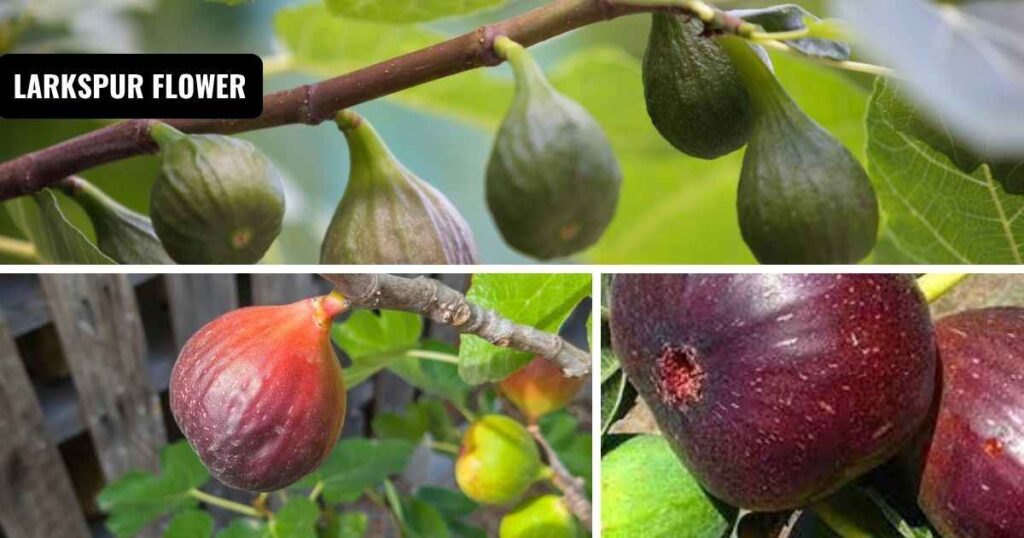
- The fruit on the branches sags a little.
- Instead of feeling hard, the skin feels smooth and supple.
- The air smells delicious and jammy.
Nature signals when it’s time to harvest when a drop of nectar occasionally develops at the root.
Pro tip: Harvest figs at their ripest since they don’t ripen off the tree.
Best Fig Varieties and Their Seasons
Different fig varieties ripen at various times, allowing you to extend your harvest and enjoy fresh fruit for months.
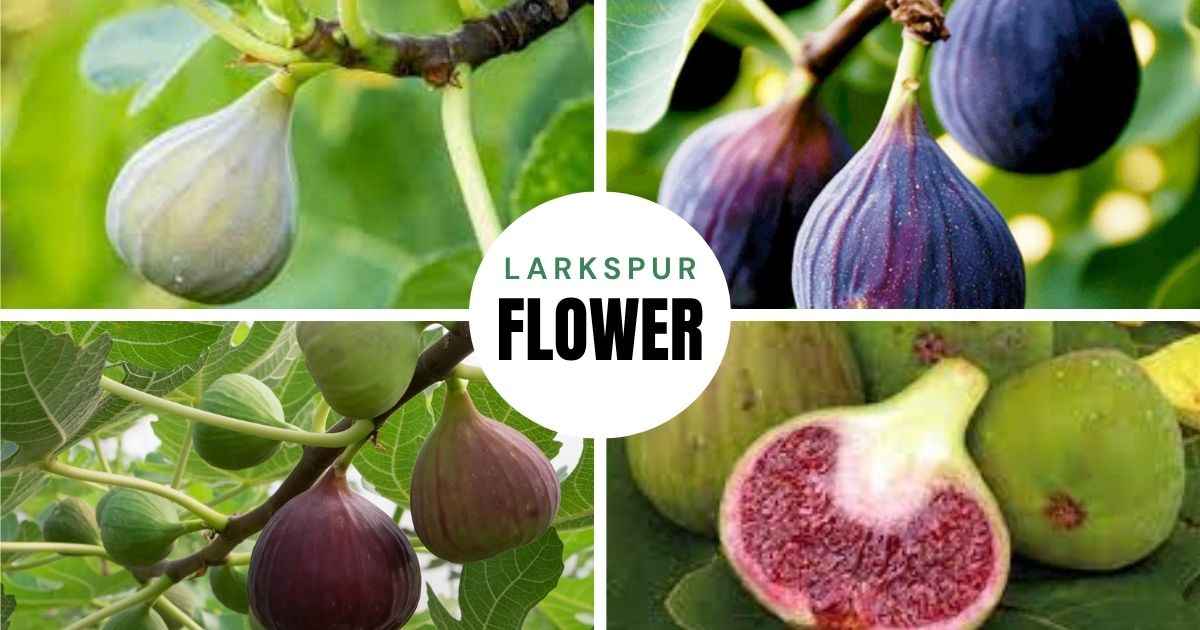
Among the most popular are black mission figs, which mature in June and then again in August through October. They provide a deep, jam-like sweetness that is ideal for desserts or fresh consumption.
The mellow, honeyed flavor of brown turkey figs, which are available from July to September, makes them a flexible addition to both savory and sweet recipes.
Kadota figs are recognized for their delicately sweet flavor, which makes them perfect for preserving or serving with cheese. They mature longer, from August to October.
Often used in fig bars and preserves, Adriatic figs have a vibrant, strawberry-like taste and mature between July and August.
Last but not least, Calimyrna figs are at their best in August and September and have a nutty, honey-sweet flavor that is especially noticeable when cooked or dried.
Fig Season Extension
Here are some tips to help you enjoy figs outside of their native season:
- Keep your fig tree in a container so you may move it inside before the frost arrives if you live in a cold climate.
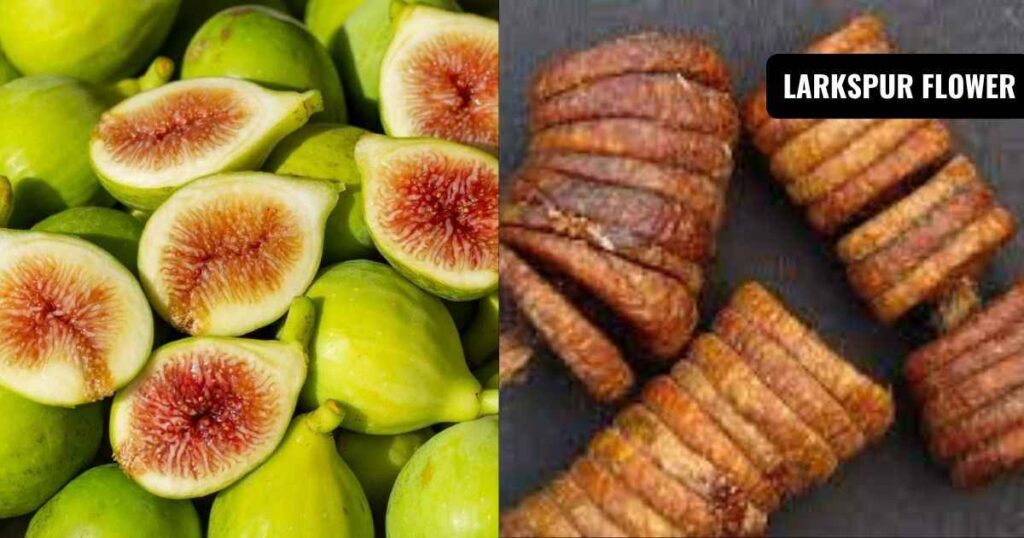
- Dehydrated figs make for a tasty snack that keeps for months.
- Freeze them: Whole figs make excellent frozen desserts or smoothies.
- Make preserves: For year-round deliciousness, turn ripe figs into jam.
By using these techniques, the fig season need not stop when the temperature drops.
How to Store Fresh Figs
Figs, especially when ripe, are fragile and deteriorate easily. For optimal outcomes:
- You may keep them in the fridge for up to three days.
- To absorb moisture, put them in a shallow container lined with paper towels.
- Washing should wait until you’re ready to eat since moisture accelerates spoiling.
To preserve taste, freeze or dry extras as soon as possible if you have an abundance of figs throughout the season.
Health Advantages That Enhance the Sweet Taste of Figs
Figs are nutrient-dense in addition to being delicious. Benefit from these health benefits throughout fig season:
- Rich in fiber, which promotes gut health and digestion.
- Rich in antioxidants, which aid in the fight against inflammation.
- High in potassium, which supports heart health and balances salt.
- Include magnesium and calcium, which are essential for healthy bones.
Including figs in your diet is a tasty and natural method to improve your health.
Conclusion: When is Fig Season
Now that you know when fig season arrives in your region, you can plan your garden or grocery trips accordingly. Timing is crucial, whether you’re selecting sun-warmed figs from your backyard tree or finding them at a local market. Although fig season is short, the flavor of these honey-sweet fruits lasts long beyond the last harvest, reminding us to calm down and appreciate nature’s cycles.
FAQs: When is Fig Season
When is fig season in California?
Fig season in California usually runs from May through November, depending on the variety and weather conditions.
Can fig trees produce fruit twice a year?
Yes! In warmer climates, many varieties yield both a breba (early) and a main crop later in the season.
When is fig season in Texas?
Texas enjoys a long fig season, typically from June through August, sometimes extending into early fall.
Are store-bought figs available year-round?
Fresh figs are seasonal, but dried figs are available all year and make a great substitute for baking or snacking.
Can I grow figs in colder states?
Yes. Choose cold-hardy varieties like Chicago Hardy and grow them in containers to bring indoors during winter.
