



Introduction
When is a grape tree dead? Is likely on your mind if you have ever tended grapevines only to watch them droop, dry up, or cease bearing fruit. For any gardener who has invested time and attention into a once-lush vine, this is an exasperating question. The good news?The good news? What looks to be finished could be merely hibernating or revitalizing.
So as to facilitate you with the possibility of having robust vines and an abundant harvest in the years to come, we will explain how to discern the genuine indicators of when is a grape tree dead, when it is still possible to save it, and how to minimize the loss.
Comprehending the Life Cycle of a Grape Tree
The knowledge of grapevines and their fruit nature’s interaction with the seasons will help you not to make the worst-case scenario. In the winter, a grapevine sleeps, shedding its leaves and looking naked and dead. The vine is alive, just going through a seasonal stage, which is completely natural.
During spring, healthy vines will not only flower but also start producing new green shoots, which are an indication that there is life under the bark. You may start questioning the status of the grape tree and whether it is dead or if it is time to act, even after some warm weeks, if there are no signs of growth.
1. Check the Bark and Wood Color
Looking at a vine’s bark and wood is one of the most straightforward techniques for checking its life status.
- Scratch the bark with a small, sharp knife.
- A green layer of tissue under the bark indicates that the plant is alive.
- If that part of the vine is hard, dry, then it is probably dead.
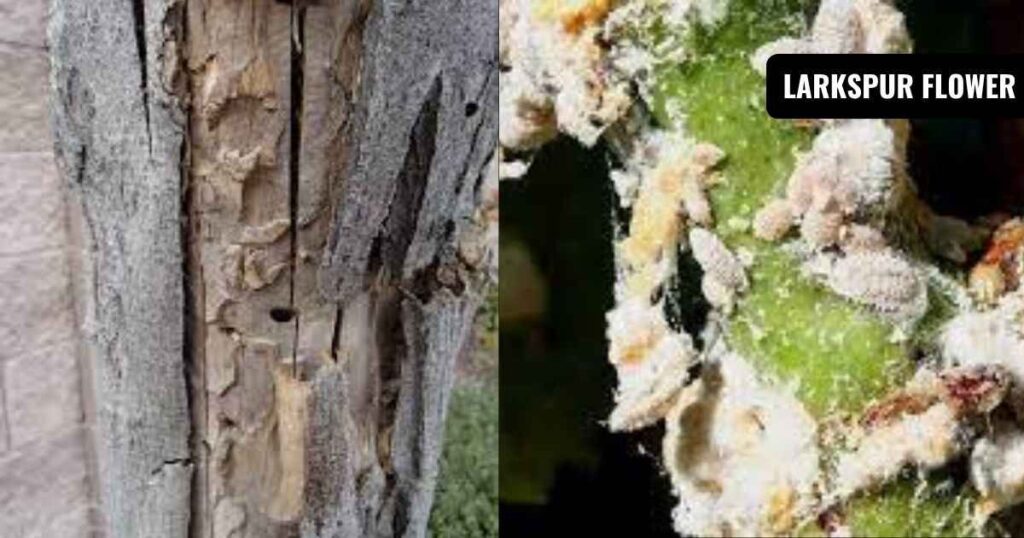
Observe the trunk, shoots, and branches. Pruning the dead portions of a grape tree can sometimes salvage the remaining portions.
2. Observe Buds and Leaf Growth
Small buds that later expand into leaves are produced by healthy vines in the spring. It can be a warning indication if your grapevine does not have buds by mid-spring, which is about April in most parts of the United States.
Some grape types, nevertheless, blossom later than others. Compare a grape tree to other vines of the same kind in the area to identify when it is dead. Your plant could not recover if other plants are growing while yours remains naked.
3. Perform the Bend Test
A straightforward “bend test” may be used to determine if the branches of a grapevine are alive:
- Try bending a few tiny stems or canes gently.
- The wood is living if it is flexible and green within.
- Dead wood is indicated by dry, cracking, or breaking readily.
Apply this test to several locations on your vine. Partial dieback is frequently indicated by a mixture of brittle and flexible portions, which may be fixed by pruning and maintenance.
4. Check Root Health
What is important to realize is that it lies at the root of the issue. Look into the roots and dig carefully around the base.
- Roots of good condition are moist, solid, and light in color.
- The roots of a dead plant are easily broken when touched.
There is another reason for dying grapevines due to root rot, poor drainage, or frost damage.
5. Search for Disease or Insect Damage Signs
In the USA, grapevines are attacked by numerous pests and diseases, and sometimes their symptoms resemble the signs of death.
The following should be investigated:
- Powdery mildew on leaves
- Tumor-like growths at the base of the plant
- Attack of borers and mealybugs on new growth.
A faltering vine can be saved by early diagnosis. Use organic fungicides or insecticidal soaps as a way if you observe these problems.
6. Seasonal Clues: Is It Dormant or Dead?
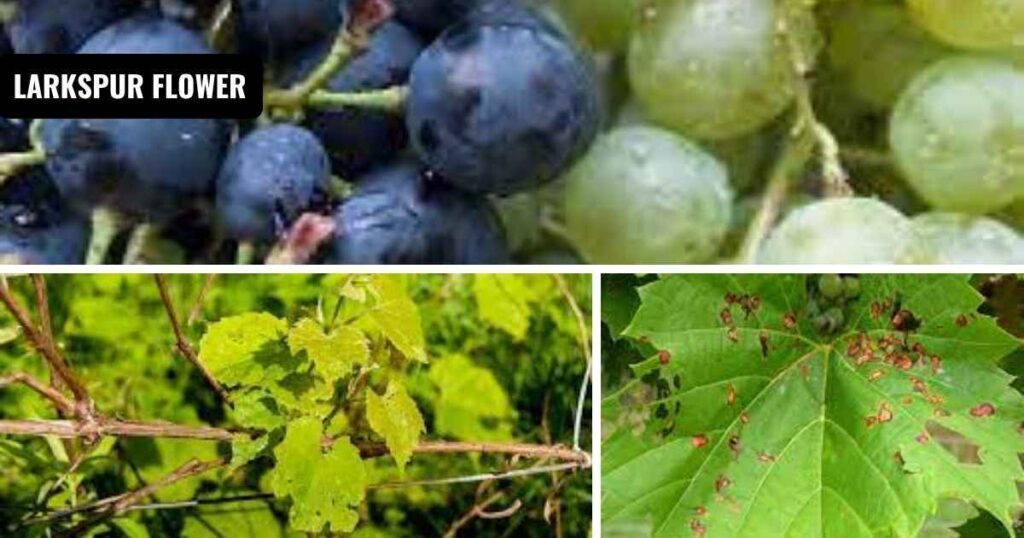
The timing is vital in determining when is a grape tree dead no longer exists.
- Winter: Most of the vines are only lying dormant and still look very thin.
- Spring: In the case of a warm climate, such as California or Texas, the first signs of life will appear towards the end of March or the beginning of April, och in the case of cooler climates, around May.
- Summer: Grapes have formed tiny bunches, and there are lush green leaves.
- Fall: Before it goes dormant again, the plant will change its leaves to yellow and drop them naturally. If your vine, however, completely disregards these seasonal signs, its curtain must be a dead vine.
7. Can the dying Grape Tree be brought back to Life?
Don’t lose hope at the first instance; rather, perform these actions:
- For new sprouts, take off the unhealthy or dry branches and cut the remaining shoots back. Water very deeply but very lightly at the same time. Vineyard plants need to be watered consistently.
- A little fertilizer should be applied, b. 10-10-10, a fertilizer having the same balance as that of the one applied, should be done in the early spring.
- In order to keep the moisture in the soil and also to control its temperature, trees should be mulched.
- The plants do not deserve less than 6 to 8 hours of sunlight per day.
- A vine is dead if it has spent a whole year without any sign of life at all.
8. Grapevine Deaths that Would Happen do not Exist
Vines that are given the full spectrum of nutrients and are in top condition are not so easily prone to the attacks of pests and diseases. To never again encounter the case when is a grape tree dead is the only option. Obey the following commandments:
- Always select varieties that are not only the best for your climate but also the least susceptible to diseases.
- Root rot caused by poor drainage is your enemy, and so is a grapevine.
- Winter pruning is a necessity every year to stimulate new growth.
The primary foe of grapevines is excessive watering that results in root rot. Mulch or coverings are good methods to protect tender plants from frost.
Conclusion: When is a Grape Tree Dead
Before you decide when is a grape tree dead, remember that patience pays off in gardening. In the spring, many vines that appear dead in the winter or after a severe storm can surprise you with new green growth.
A suffering vine often only has to be checked for life, dead wood removed, and what is left nourished in order to recover. Every gardener learns from making mistakes, even if recovery is not feasible. Thus, maintain your optimism and awareness, and let your next grape harvest act as a reminder that nature is always deserving of another opportunity.
FAQs: When is a Grape Tree Dead
Grapevines live for how many years?
It depends on the maintenance practices; grapevines’ life is between 50 and 100 years.
What happens when the grape tree dies?
The most common symptoms are rot in roots, frost damage, pests, or disease.
Should I fertilize my dying grape tree?
Be careful! Organic fertilizer once the plant shows new growth.
