


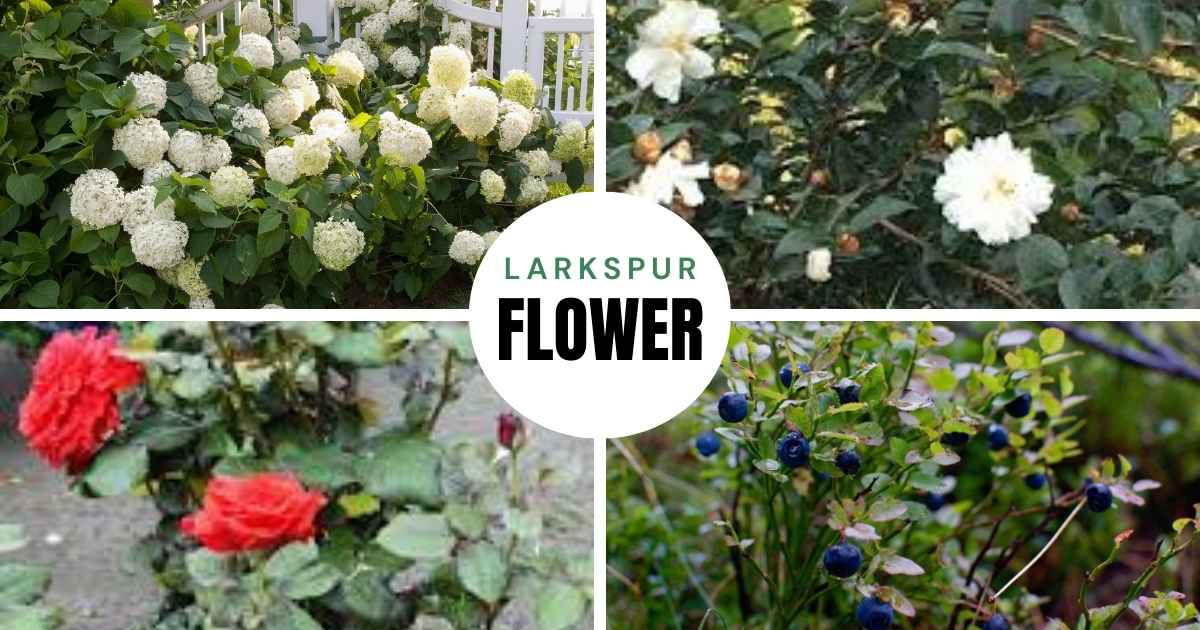
Do you know what plants like coffee grounds and how they can help your garden grow better? The nutrients found in coffee grounds can aid in the growth of microorganisms, enhance soil structure, and improve water retention. Not every plant, though, does well with them. This article will tell you which plants can benefit from coffee grounds, why they are good for them, and how to use them the right way to make your garden healthier.
What Plants Like Coffee Grounds: 7 Effective Choices for a Healthy Garden
Coffee Grounds Benefits
Coffee grounds are vital elements, as nitrogen, potassium, calcium, magnesium, and phosphorus are moderately acidic to neutral organic matter (pH of 6.5 to 6.8). Their delicate texture aids in better aeration and drainage of the soil. Spent coffee grounds also attract earthworms and repel pests like snails and slugs, acting as a slow-release fertilizer.
What Plants Like Coffee Grounds the Most?
Due to their nutritional requirements and soil preferences, certain plants flourish on coffee grounds, while others cannot withstand them.
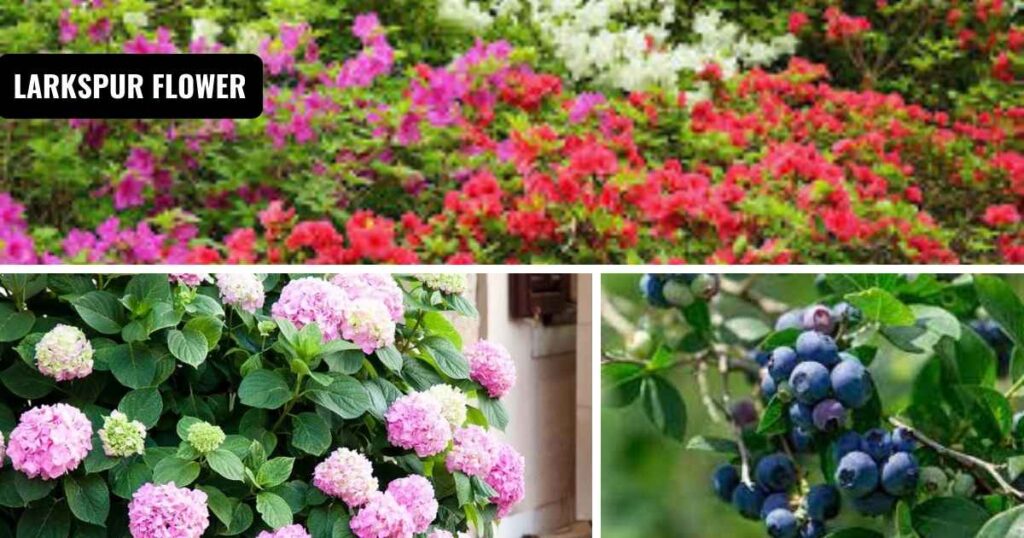
Roses (Rosa spp.)
Coffee grounds are a natural supply of nitrogen, which is what roses want.
- Advantage: Increases flower output and foliage growth.
- Application instructions: Add a ½-inch layer of the ground to compost or topsoil.
Azaleas (Rhododendron spp.)
Azaleas are ideal since they like slightly acidic soil.
- Benefits: Increases soil acidity and encourages vibrant blooms.
- Application instructions: Water well and sprinkle gently around the base.
Hydrangeas (Hydrangea macrophylla)
- Benefit: It helps make blossoms bluer by acidifying the soil.
- Application instructions: Mix the ground into the soil close to the roots once a month.
Blueberries (Vaccinium corymbosum)
Blueberries are acid-loving bushes that thrive best in soil with a pH of 5.5.
- Advantage: Promotes improved nutrient absorption and fruiting.
- Application instructions: Apply small quantities straight to soil or to compost.
Camellias (Japonica camellias)
Camellias grow best in soils that are moist, acidic, and rich in organic matter.
- Advantage: Promotes leaf development and inhibits yellowing.
- Application instructions: Apply mulch and ground mixture around the base of the plant.
Carrots (Daucus carota)

Coffee-enriched soil has a better texture, which is beneficial for root plants like carrots.
- Advantage: Promotes aeration and root growth.
- Application instructions: Before planting, mix with sand and distribute into rows.
Radishes (Raphanus sativus)
Coffee increases nitrogen, which promotes rapid growth in radishes.
- Advantage: Enhances the quality of the roots and leaves.
- Application instructions: Gently stir into the topsoil layer.
Plants Unable to Consume Coffee Grounds
It is essential to know which plants do not like being fed coffee grounds. Some plants can’t handle the extra nitrogen or acidity.
Don’t use coffee grounds on:
- Tomatoes (Solanum lycopersicum): They are too acidic for them
- Lavender (Lavandula spp.) prefers alkaline soil.
- Aloe vera (Aloe barbadensis) can get root rot if the ground is too wet.
- Cacti and succulents, coffee holds water, which could cause rot
How to Use Coffee Grounds in Your Garden
Direct use
Put a thin layer (no more than 1/2 inch) around the base of the plant and water it in. Avoid stacking it, as it may become compacted and obstruct water flow.
Using coffee grounds in compost
The high nitrogen content of coffee grounds gives them their green color. Add brown materials, such as paper and leaves, in a 2:1 ratio of brown to green to create balanced compost.
Worm composting
Worms really like coffee grounds. Adding grounds in small amounts helps keep vermiculture bins moist and healthy.
Coffee grounds tea
Soak two cups of spent coffee grounds in five gallons of water overnight to create a liquid fertilizer. This coffee-ground tea is a natural, mild plant food.
Advice for getting the best results
- Use sparingly because too many coffee grounds can cause them to become compacted or moldy.
- Always use coffee grounds that have already been brewed; unbrewed coffee is too acidic.
- Along with other materials, grounds perform best when combined with soil, mulch, or compost.
- To prevent excessive nitrogen, apply within a few weeks.
Conclusion: What plants like coffee grounds
You can reduce waste and give your garden a healthy, natural boost by learning what plants like coffee grounds. When used correctly, coffee grounds help plants that require acidic soil and need nitrogen, like blueberries, hydrangeas, roses, and azaleas. Remember that moderation is highly essential. When paired with composting or mulching, this eco-friendly method can be a helpful addition to your gardening toolbox.
Give your garden a boost that will last, and let your morning coffee do double duty!
Frequently Asked Questions: What plants like coffee grounds
What plants should you not put coffee grounds on?
Linden, ironwood, red chestnut, and arborvitae are alkaline-loving trees and sensitive to coffee grounds. Using mulch or compost of coffee grounds on tomatoes, lavender, aloe vera, cacti, and succulents also inhibits the growth of these plants.
What is the best plant to put coffee grounds on?
Roses, camellias, azaleas, hydrangeas, blueberries, carrots, and radishes are the best plants to put coffee grounds on.
How often should I put coffee grounds on plants?
If coffee grounds are used excessively, the soil may become acidic. A cup of coffee grounds should be added to compost or mulch once a week for houseplants.
What plants hate coffee?
Tomatoes, lavender, aloe vera, cacti, and succulents hate coffee.
Can I use coffee grounds on all indoor plants?
No, some plants, like ferns and spider plants, receive nutrients from coffee grounds; others, like cacti and succulents, do not.
