


Introduction
You’re not the only one who has ever wondered, “What does weed look like as a plant?” Everyone, no matter how experienced or novice, has wondered if a new sprout is a good seedling or an unwelcome weed. Weeds generally look like innocuous green plants, but they can fight hard for water, nutrition, and sunlight. Recognizing them early on helps keep your garden healthy and fruitful.
This article will show you seven interesting signs that will help you figure out what weeds really are. This way, you can find and get rid of them before they take over your flower beds or vegetable patch.
What Is a Weed, Really?: What Does Weed Look Like as a Plant
It’s helpful to know what makes “a weed” a weed before you try to figure out what they look like.
A weed is any plant that grows where it shouldn’t.
This might be a dandelion growing in your yard, crabgrass growing between pavement stones, or thistle growing in your vegetable bed. Weeds are opportunistic survivors because they grow well in bad soil, multiply quickly, and are hard to get rid of.
1. Unusually Fast Growth Rate
Rapid growth is one of the first indicators of what a weed looks like as a plant.
Compared to your cultivated plants, weeds frequently emerge earlier and thrive more quickly. They might double in size in a matter of days, surpassing slower-growing vegetables and flowers.
For instance, within two weeks of rain, pigweed and crabgrass can appear and spread throughout a garden bed, making them easily identifiable.
2. Irregular Leaf Shapes and Patterns
Leaf form is a major clue when attempting to determine what a weed looks like as a plant.
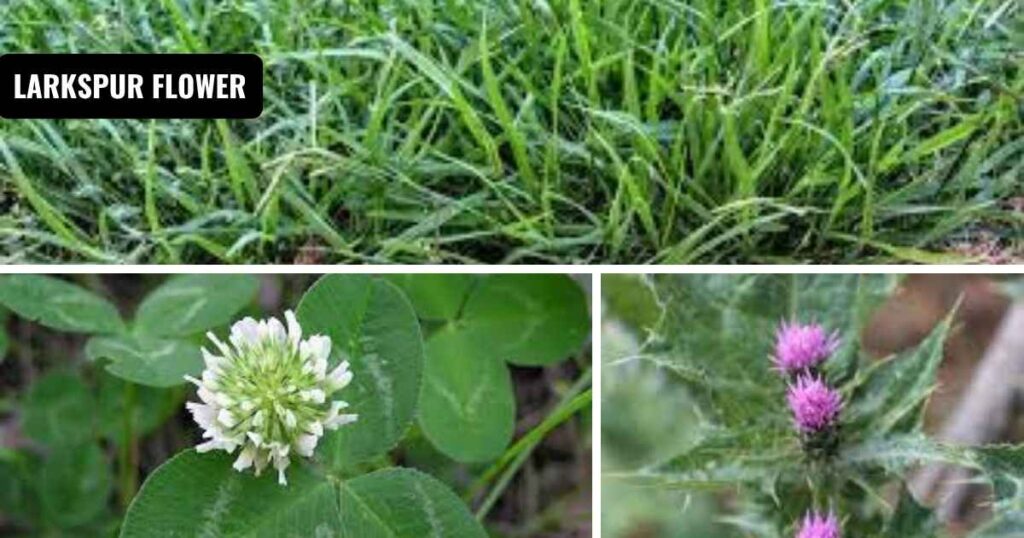
Compared to cultivated forms, weeds typically have odd or asymmetrical leaves. Some of them even release sticky sap, and their textures can be rough, fuzzy, or serrated.
Keep an eye out for:
- Uneven or jagged leaf margins
- Sticky or hairy stems
- Spotted or discolored surfaces
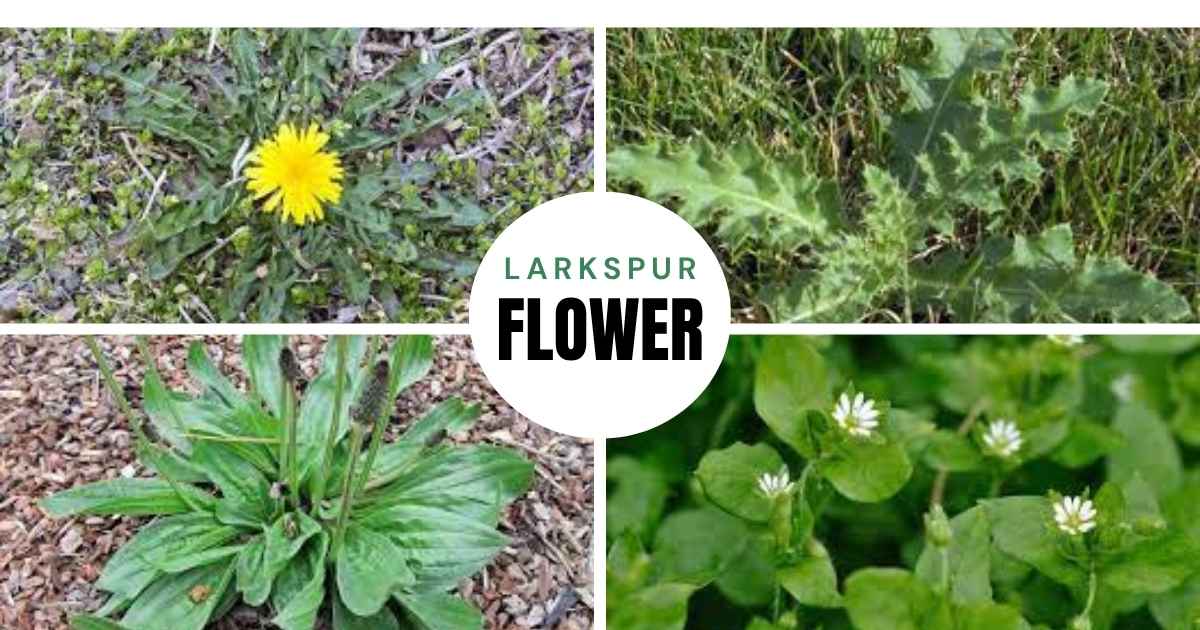
As an illustration, clover weeds exhibit clustered, heart-shaped leaflets, but dandelions grow in a rosette arrangement with deep, tooth-like lobes.
3. Unwanted Growth in Odd Places
Weeds don’t wait for the perfect time to plant. They frequently appear where good plants wouldn’t in crevices, nooks, or compacted soil.
Typical locations:
- Between the spaces in the sidewalk
- Around garden boundaries and fences
- In neglected flower beds
- In proximity to compost mounds
A plant is probably a weed if it grows where you didn’t want to plant seeds.
4. Tiny or Overly Abundant Flowers
Some weeds have tiny blossoms that give the impression that they are harmless, but they are actually a survival strategy that involves fast reproduction.
Many weeds bloom fast, releasing seeds that are dispersed by water, wind, or animals.
Instances of weedy flowers include:
- The golden blooms of dandelions give way to fluffy white seed heads.
- Clusters of small, white, star-shaped blooms are produced by chickweed.
- The trumpet-shaped blooms of bindweed are surprisingly lovely, yet they suffocate the plants around them.
5. Spreading Habit or Creeping Roots
Examine a plant closely if you see it actively growing over your garden; it could be a weed.
Many weeds may develop quickly because they use rhizomes, which are subterranean stems, or stolons, which are above-ground runners.
Examples:
- Bermuda grass spreads through underground rhizomes.
- Creeping Charlie sends runners across the soil surface.
- Nutsedge forms underground tubers that sprout new shoots even after removal.
These hidden networks make them hard to eliminate.
6. Thick, Fibrous, or Taproots
In order to survive in harsh environments, weeds have developed very robust root systems. You’re dealing with a weed when you try to pull one out, and it breaks easily, leaving a bit behind. For instance, thistles have spiky roots with subterranean branches, plantain weeds produce thick, fibrous bases, and dandelions have deep taproots that break off easily. When weeding, always be sure to eliminate the whole root system to prevent regrowth.
7. Persistent Return After Removal
The persistence of a weed is one of its most obvious characteristics. It returns in a matter of days or weeks, even after cutting, hoeing, or pulling.
Part of the reason weeds are so annoying is their tenacity, which also makes them simple to spot.
Pro Tip:
To naturally inhibit reoccurring weeds and lessen light exposure that promotes regeneration, use mulch or landscaping cloth.
How to Manage Weeds Naturally
- Mulching: Reduces seed germination and suppresses light.
- Hand Weeding: Pull early while the soil is damp; this method works well for minor infestations.
- Natural Spray: Young weeds can be naturally controlled with a vinegar spray.
- Plant Density: To keep weeds at bay, cultivate dense ground coverings.
- Soil Care: Weed invasion is deterred by healthy soil with balanced nutrients.
Conclusion: What does weed look like as a plant
Now you know what does weed look like as a plant, identifying it becomes much easier.. Keep an eye out for peculiar rooting behaviors, rapid growth, uneven leaves, and persistent renewal.
Without using harsh chemicals, you may maintain a lush, well-kept landscape free of unwelcome invaders by taking early action.
To keep a lovely, weed-free garden, a little observation goes a long way.
FAQs About What Does Weed Look Like as a Plant
How can I tell if a plant is a weed or a flower?
Look for odd locations, fast spreading, or erratic growth. Whereas weeds appear everywhere, flowers are often grown with purpose.
Can some weeds actually be useful?
Indeed, certain weeds, such as dandelion or clover, draw pollinators or increase soil richness. They can still contend with garden plants, though.
Are all green sprouts weeds?
Not always; some can be seedlings that volunteered from earlier plantings. Before pulling, observe their growth and form.
What’s the best time to remove weeds?
Roots emerge more readily, and regrowth is reduced in the early spring or after rains when the soil is damp.
