

Introduction
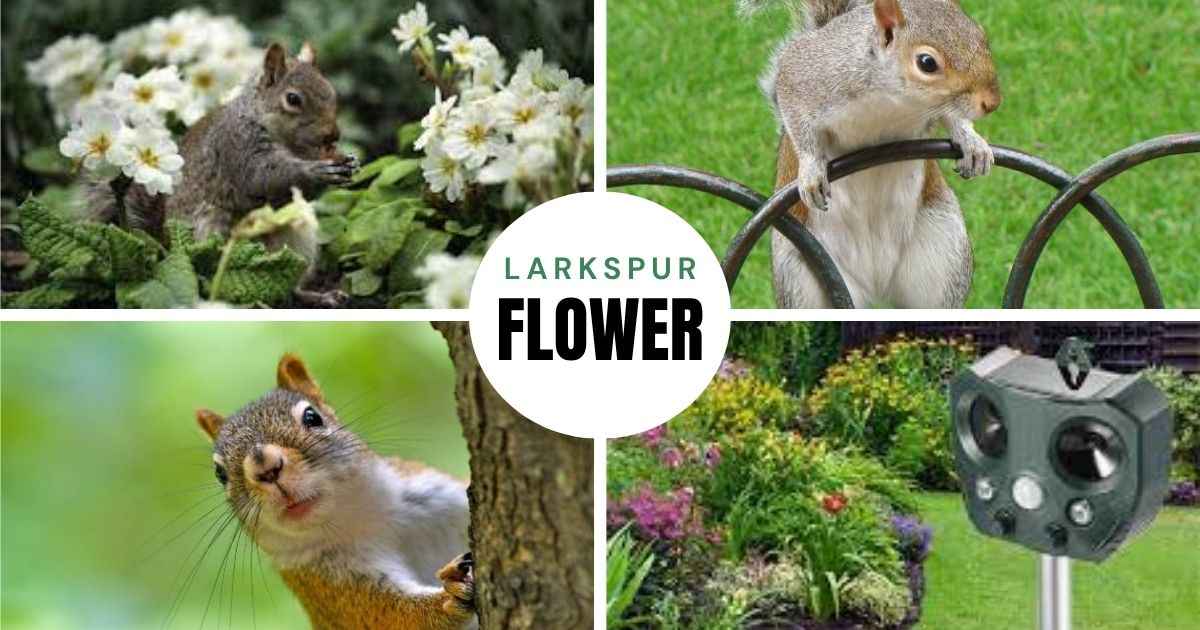
Do squirrels invade your bird feeder, attic, or garden? Despite their adorable appearance, these fuzzy foragers have the potential to harm property, wiring, insulation, and plants seriously. It’s time to think about using a squirrel repellent that works if you’re dealing with damaged flower beds, chewed cables, or stolen fruit.
This article examines effective and useful squirrel repellent choices, ranging from homemade natural alternatives to scientifically supported branded products. Understand how to properly ward off squirrels without endangering them or your personal space.
The Top 7 Effective Squirrel Repellents
Why squirrels are a problem
Squirrels are incredibly versatile rodents, particularly the Eastern gray squirrel (Sciurus carolinensis). Their activity frequently conflicts with human places, even though they contribute to the ecology by spreading seeds. Typical problems include:
- Digging bulbs and gardens
- Stealing birdseed; nesting in chimneys and attics
- Chewing through insulation, cables, and wood
It is difficult, but not impossible, to keep squirrels away due to their keen teeth and insatiable curiosity.
How squirrel repellents work
To deter squirrels from entering or remaining in a particular location, repellents utilize fragrance, taste, sound, or motion. They annoy squirrels’ senses or instincts, making them avoid the treated area, rather than killing or trapping them.
Here are four types of squirrel repellents:
Scent-based squirrel repellents
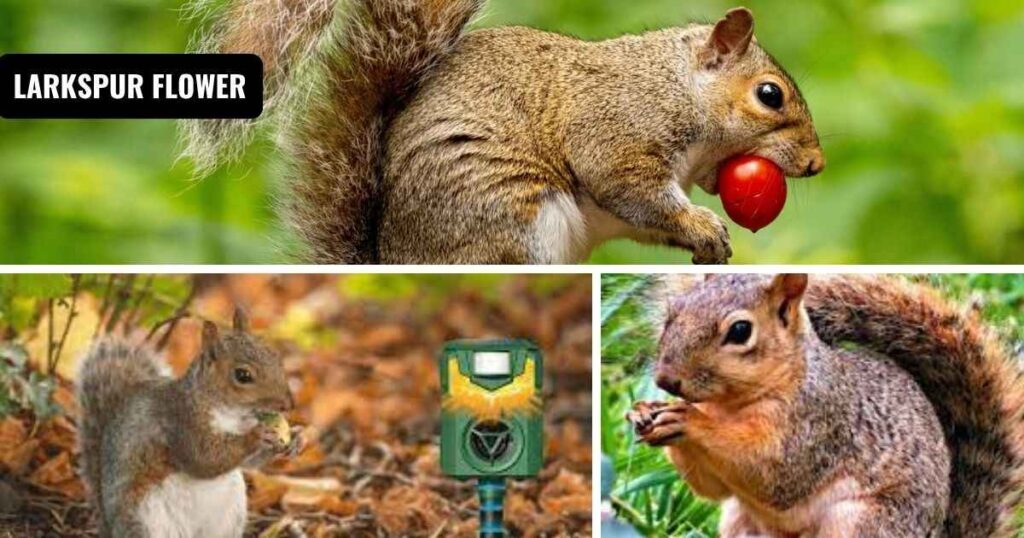
Since they mostly rely on their sense of smell, powerful, disagreeable smells can successfully repel squirrels. Peppermint oil is a common scent-based repellent that works moderately well when applied to cotton balls and changed once a week. When applied to soil and surfaces, garlic and vinegar spray works well as a natural repellent. While ammonia can be beneficial in open areas, but should be applied sparingly; predator urine is quite effective near the edges of gardens. To prevent squirrels from growing acclimated to certain odors, it’s crucial to switch them up for optimal effects.
Taste-based squirrel repellents
By making surfaces undesirable to squirrels, taste-based repellents deter chewing activity. Commercial sprays that repel squirrels from plants and feeders frequently contain capsaicin, the active ingredient in chili peppers. To stop chewing, bittering substances can also be sprayed on fences or wires. These repellents need to be reapplied after rain in such a way as to remain effective, but they are generally safe for pets and plants.
Ultrasonic squirrel repellents
High-frequency sound waves used in ultrasonic repellents annoy squirrels but are inaudible to humans. These odorless, non-toxic gadgets function best in enclosed areas such as garages or attics. Nevertheless, their total efficacy is diminished due to their restricted range and susceptibility to obstruction from furniture or walls.
Physical deterrents
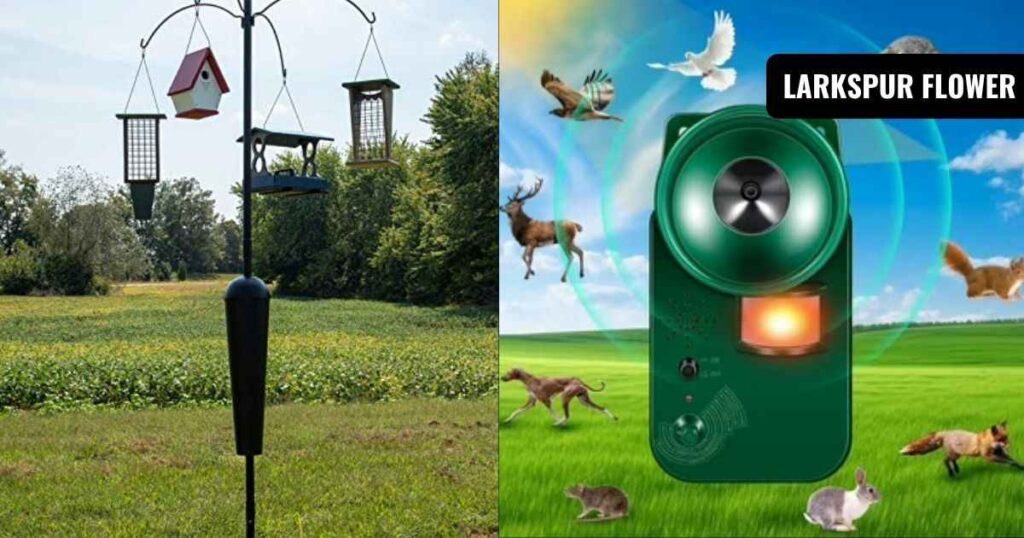
These repellents drive squirrels away by causing physical or visual disruptions. Squirrels are kept away from garden areas by using reflective tape and spinning pinwheels, which reflect light and movement. Sprinklers or lights that react to motion can frighten squirrels into moving away. Squirrel-proof feeders are a practical tool for conserving bird food.
Research on the effectiveness of squirrel repellent
Depending on the kind of squirrel and the repellent employed, research yields varying outcomes. In controlled garden experiments, capsaicin-based sprays decreased squirrel damage by more than 50%, according to research published in the Journal of Wildlife Management.
According to 2021 Vardeterrentious studies from the University of Nebraska-Lincoln, they can effectively reduce nesting activity in attics when used in combination with physical barriers, predator urine, and ultrasonic repellents.
Natural homemade squirrel repellent recipe
Make your repellent
Homemade repellents that use potent scents to ward off squirrels include cotton balls soaked in peppermint oil and garlic-vinegar sprays. These repellents are also affordable and eco-friendly. These DIY solutions are easy to make, safe for the environment, and ideal for use near entrances, in gardens, or around plants.
5 Best Commercial Squirrel Repellents
A number of commercial repellents provide practical and efficient defense.
- PredatorPee Coyote Urine employs an actual predator smell to elicit a squirrel’s desire to run away.
- Bonide Repels-All is a fragrance- and taste-based repellent produced from natural materials.
- Hoont Motion Sprinkler is a motion-activated gadget that frightens squirrels away with unexpected blasts of water.
- Tomcat Rodent Repellent uses essential oils and balsam to create a potent fragrance barrier. Adjustable frequencies are used by the ultrasonic repellent.
- Aspectek Yard Sentinel to annoy squirrels without causing them any harm. Depending on your demands, you may choose from a range of products that appeal to different senses.
Advice for preventing squirrels and using repellent
- Prune tree branches 6–8 feet from roofs should be used to seal access points with steel mesh or hardware cloth.
- Clean up fallen fruit, acorns, and other squirrel-attracting trash.
- Reapply repellents after rain or snow.
- Store pet food and birdseed in metal containers.
Conclusion
One of the best and most considerate methods to keep these hungry rodents away from your garden, attic, or bird feeders is to use a squirrel repellent. Long-term success depends on consistency and appropriate application, regardless of whether you use commercial sprays, natural DIY remedies, or ultrasonic equipment.
Squirrels are cunning and persistent; you can regain your space without endangering animals by using a multi-layered defense strategy that includes repellents, physical obstacles, and clean surroundings.
FAQs
What is the most effective squirrel repellent?
Ground chili peppers, cayenne pepper, and pepper flake sprays are the most effective and natural deterrents of squirrels.
What is the best homemade squirrel repellent?
Hot pepper spray is the best homemade squirrel repellent.
What is the best way to stop squirrels?
Installing a fence around your garden, using wire mesh or hardware cloth, and using a hot pepper spray are the best ways to stop squirrels.
