

Introduction
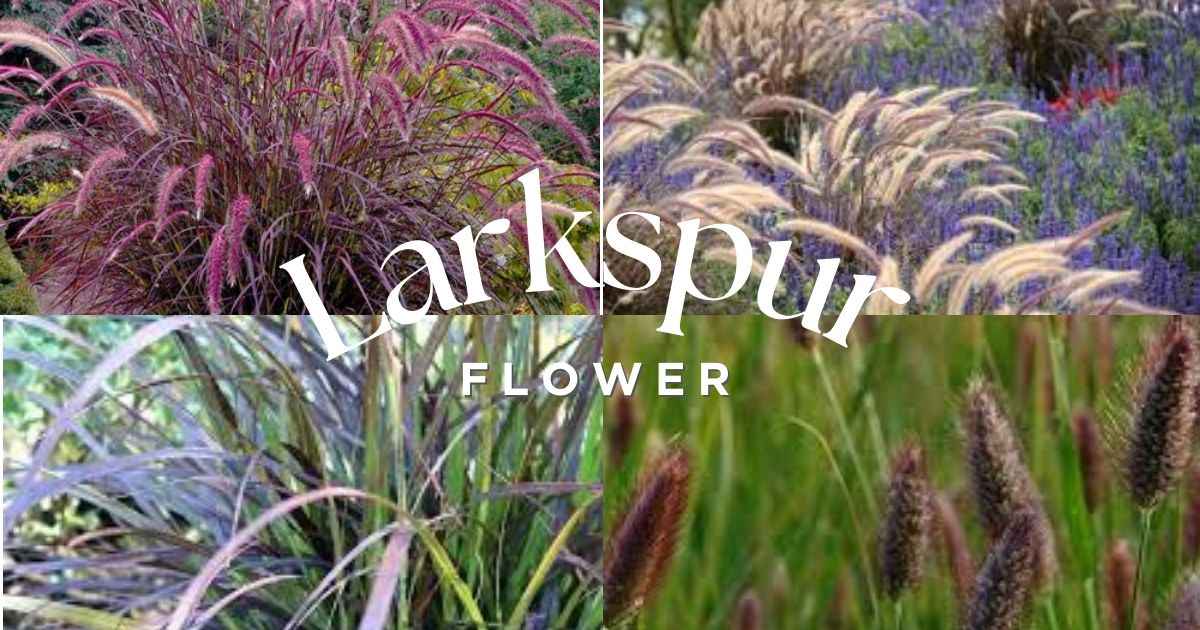
Purple fountain grass is one of the exciting ornamental grasses to grace any home garden. The plant displays grand burgundy foliage that matches its deep color, with an ideal billowy texture. The article provides complete information about purple fountain-grass, including its lifespan, maintenance requirements, and winter growth patterns for your specific climate zone.
What Is Purple Fountain Grass?
Purple fountain grass (Pennisetum setaceum) is a member of the Poaceae family characterised by its burgundy-red leaves and soft, fuzzy-like flowers that add colour and texture to the garden. The botanical name for purple fountain-grass is Pennisetum setaceum ‘Rubrum’, although it’s frequently referred to simply as purple fountain-grass.
Is Purple Fountain Grass Perennial or Annual?
Its status as a perennial or annual depends on the climate.
- Purple fountain-grass is a perennial for USDA Zone 9 and higher.
- It is a cool-weather annual when grown in the cold zone.
- Gardeners in colder regions may enjoy it for a season or overwinter it indoors.
Purple Fountain-Grass Zone and Winter Tolerance
Will Purple Fountain-Grass Survive the Winter?
Yes, naturally, it depends on where you live.
- Hardy in USDA zones 9–11
In cooler climates, purple fountain-grass is treated as an annual unless overwintered or brought indoors.
Tips for Winter Protection
- Grow in containers and indoors over winter before frost
- Mulch heavily at ground level in marginal areas.
- Store the remaining plants in a cool, dry location.
Purple Fountain Grass Care Guide
Light Requirements
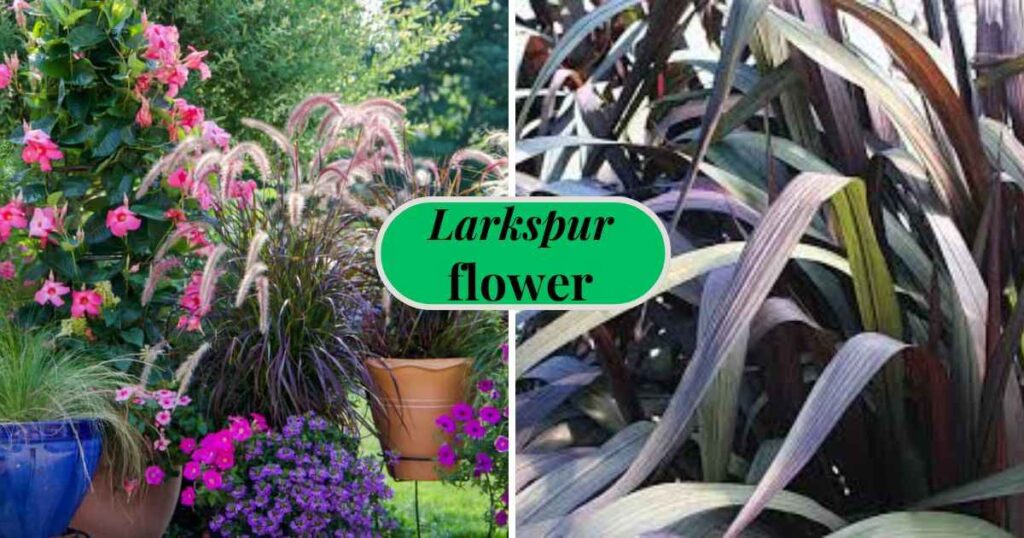
Cultivating tips: For a deeper purple in full sun, the species’ procumbens Rubrum should be the choice. It will tolerate partial shade, but the foliage will be more green.
Soil and Water Needs
- Prefers well-draining soil
- Water regularly during establishment
- After it is formed, the drought shows some resistance.
To enjoy good purple fountain grass care, simply keep it growing and showing color for as much of the season as you can.
Fertilizing and Maintenance
- Minimal fertilization needed
- Prune out dead foliage at the end of the season
- Deadhead for plume removal if desired
How to Start Purple Fountain-Grass From the Seeds
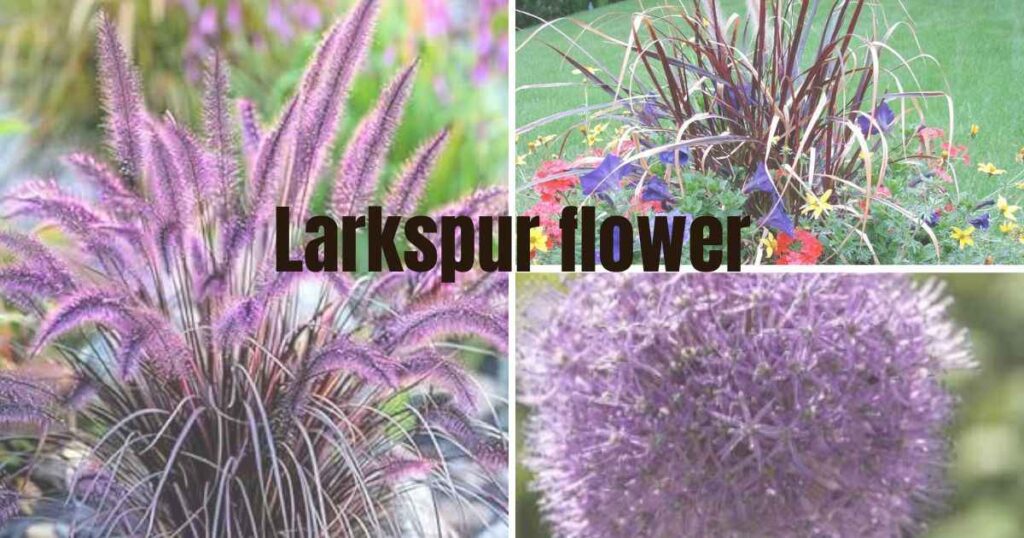
If you want to start purple fountain grass from seed, or there are no nurseries near you, read on for how to grow it from seed.
Growing From Seed
- Start 8-10 weeks before the last frost
- Keep soil warm and moist
- Set out when the risk of frost is over.
- Color and vigor of seed-grown plants may vary.
Is Purple Fountain Grass Native?
Purple fountain grass is not indigenous to North America, but it is found in Africa and the Middle East.
Where It Grows:
Some areas of the country consider it invasive, so be sure to check your local regulations before planting. Enable it in your browser settings before continuing. This is important for comparison against the native substitutes for purple fountain-grass.
Purple Fountain Grass vs. Other Ornamental Grasses
Purple Fountain-Grass vs. Green Grass
Green fountain grass has the same form but not the stunning purple foliage. Get that splash of bold color associated with purple fountain-grass when you are looking for it.
Purple Fountain Grass or Karl Foerster grass
Karl Foerster grass (Calamagrostis acutiflora) is upright and architectural, while purple fountain-grass has a more flowing, arching habit. Karl Foerster is cold-hardy, making it suited to northern zones.
Where To Buy Purple Fountain Grass
You can find purple fountain-grass here:
- Local nurseries
- Garden centers
- Online plant retailers
- Stores such as Purple Fountain-Grass, Bunnings
It will produce strong, healthy growth and better plants when healthy ones are bought.
Is Purple Fountain Grass Toxic?
Most people consider purple fountain-grass to be toxic to pets, particularly cats and dogs, due to its spiky leaves, which can irritate. If you are worried about their safety, plant them where pets can’t reach them.
How to Use Purple Fountain Grass in the Landscape
Planting purple fountain grass. Here’s where to grow purple fountain-grass:
- Mixed borders
- Container gardens
- Entryway planters
- Modern and tropical designs
And it looks great with bloomers, live annuals, and for some, pop lighter green foliage as a juxtaposition.
Conclusion
Purple fountain grass is an ornamental plant that produces strong colors and graceful movements for all gardens. Purple fountain-grass functions as a perennial in warm climates, while it behaves as an annual in cold regions that experience freezing temperatures during winter. Once you understand its hardiness and how it grows, it’s easy to marvel at this sweeping grass every year.
FAQs About Purple Fountain Grass
Is purple fountain grass perennial everywhere?
No, purple fountain-grass is perennial only in warm climates. It has an average annual temperature in some cooler regions.
What is the botanical name for purple fountain-grass?
Purple fountain-grass is a Pennisetum setaceum ‘Rubrum’.
Will purple fountain-grass come back in the spring?
Only in USDA zones 9–11. It is not cold-hardy in colder regions.
Can purple fountain grass be grown from seed?
Yes, the seeds of purple fountain-grass can be grown indoors and transplanted in a season.
How big does purple fountain grass get ?
It is typically 3-5 feet tall from the flower heads.
