



Introduction
Night blooming jasmine is one of the most incredibly scented plants in the garden. Famous for its powerful fragrance after dark, this evergreen tropical shrub wafts its perfume across your garden or patio long after the sun has set. Frequently cultivated near patios, windows and walkways, night-blooming jasmine is not renowned for its flashy blossoms by day so much as for its peerless fragrance after the sun goes down.
In this post, you’ll discover the best night-blooming jasmine care, how to grow it, whether it’s dangerous to have around, and why night-blooming jasmine has become something of a cultural obsession. Indoors or out, night-blooming jasmine will grace your garden with sweeping elegance and sensory magic.
What Is Night Blooming Jasmine?
Night blooming jasmine (Cestrum nocturnum) is a rapidly growing evergreen shrub native to the Caribbean and Central America. It is not a true jasmine, despite its common name. The plant bears clusters of small, greenish-white flowers that open at night and are fragrant with a heavy, sweet scent.
Night blooming jasmine is also noted for its aroma which connects it to perfume, night gardens and tropical locations.
Why Night Blooming Jasmine is so Popular
Full of heavy fragrance, night blooming jasmine is a plant you will smell long before its satiny flowers come into view.
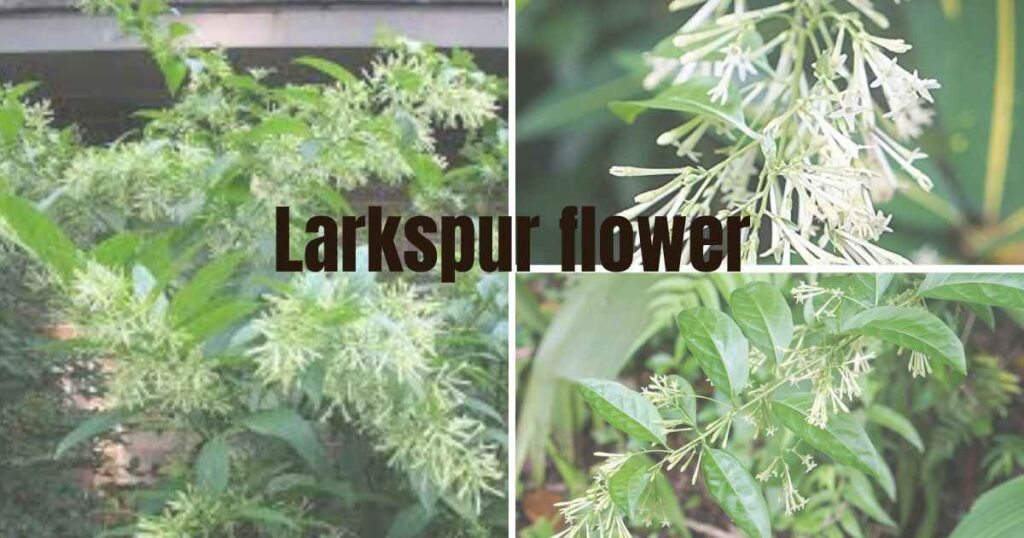
Key Features
- Extremely fragrant nighttime blooms
- Fast growth and easy care
- Easily grown as an outdoor or indoor plant
- Blooms repeatedly during warm months
Many garden lovers look for night-blooming jasmine near them to enjoy the fragrance.
Night Blooming Jasmine Care Essentials
With a bit of care for night-blooming jasmine, you can enjoy the lovely scent of these fragrant flowers at home.
Light Requirements
- Full sun to partial shade
- More sun equals more flowers
- Indoors: bright, indirect light
Watering
- Keep soil evenly moist
- Avoid waterlogged soil
- Reduce watering in winter
Soil
- Well-draining, fertile soil
Going over your plant monthly , or even weekly, with the shears will only lead to bushier growth and more flowers.
Growing Night Blooming Jasmine Indoors
Night blooming jasmine indoors does surprising well if the conditions are right!
Indoor Growing Tips
- Place near a bright window
- Use a pot with drainage holes
- Rotate the plant for even growth
- Prune to control size
Indoor flowering plants may have fewer flowers but still emit fragrances, which are generally stronger at night.
Night Blooming Jasmine in Pots
Raising night-flowering jasmine in containers is great for patios, decks, and small gardens.
Container Tips
- Select a lovely, large pot to give it ample root support
- Use quality potting mix
- Monthly fertilisation during the growing months
- Container-grown plants can also be brought indoors in cooler climates.
Night Blooming Jasmine Zone Requirements
It is essential to know the night-blooming jasmine zone requirements.
- Best grown in USDA zones 9-11
- Can be grown as a patio plant in cooler zones
- Frost and cold temperature sensitive
- Overwinter indoors (cold regions)
Is Night Blooming Jasmine Poisonous?
Many gardeners inquire: Is night-blooming jasmine poisonous? The answer is yes.
- Safety Notes
- Toxic to pets if ingested
- Berries and leaves are highly toxic
- Do not let your children or animals play with these fellas
- Although toxic, it is safe to grow with appropriate handling.
Night Blooming Jasmine Perfume and Fragrance Applications
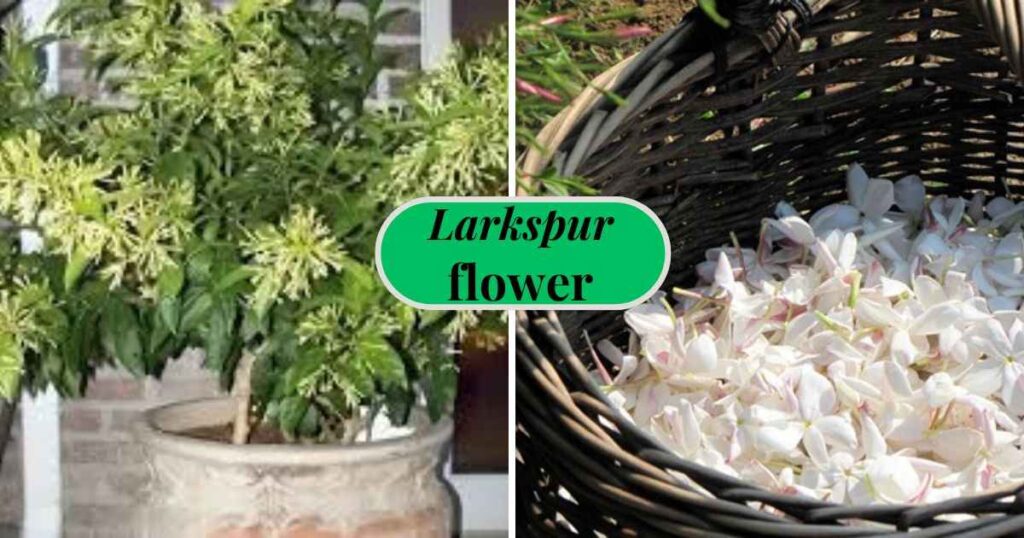
Perfumers from around the world are fascinated by the strong fragrance of night-blooming jasmine. It has a sweet, floral, and somewhat musky scent. At night, just one plant can scent an entire yard.
Owing to its intense strength, many people think it is overpowering in relatively small, confined areas.
The Cradle: David Lynch and Nightblooming Jasmine
Night blooming jasmine, David Lynch is something only culture can reference quite like that with a straight face. The legend of an obsessive filmmaker who once famously asked for ‘night-blooming jasmine’ to be inscribed on his headstone, representing mystery, dreams and nighttime consciousness-ideas very deeply embedded in his work.
This relationship has only served to mythologise the plant’s nocturnal splendour.
Where’s the Best Location to Plant Night Blooming Jasmine?
- Location is crucial in choosing the spot.
- Ideal Planting Locations
- Near patios or seating areas
- Near windows for nighttime fragrance
- In containers near doorways
Try not to plant too close to bedrooms if you are sensitive to fragrance.
Common Problems and Disadvantages
Though lovely, night blooming jasmine has a few downsides.
Disadvantages
- Strong fragrance may be overwhelming
- Toxic to pets
- May be aggressive when grown in warm climates
- Needs regular pruning
Knowing these things helps growers figure out whether it’s the right plant.
Conclusion
Night blooming jasmine is a unique plant prized for its unforgettable fragrance, fast growth, and beautiful nighttime charm. Grown in pots, indoors or outdoors in warm-climate gardens, it can turn ordinary evenings into immersive experiences for the senses. With some tender loving care, a minor consideration in placement, and an understanding of its strong aroma and toxicity, the night-blooming jasmine can make for a magnificent addition to any garden or living space.
FAQs About Night Blooming Jasmine
What are the cons of night blooming jasmine?
It smells so strongly that it’s toxic to pets and can become invasive if not pruned.
What is the best location to plant night blooming jasmine?
Grow it near patios or windows where the nighttime scent will be appreciated.
Does night blooming jasmine need sun or shade?
It likes full sun to light shade; more sun results in more flowers.
