

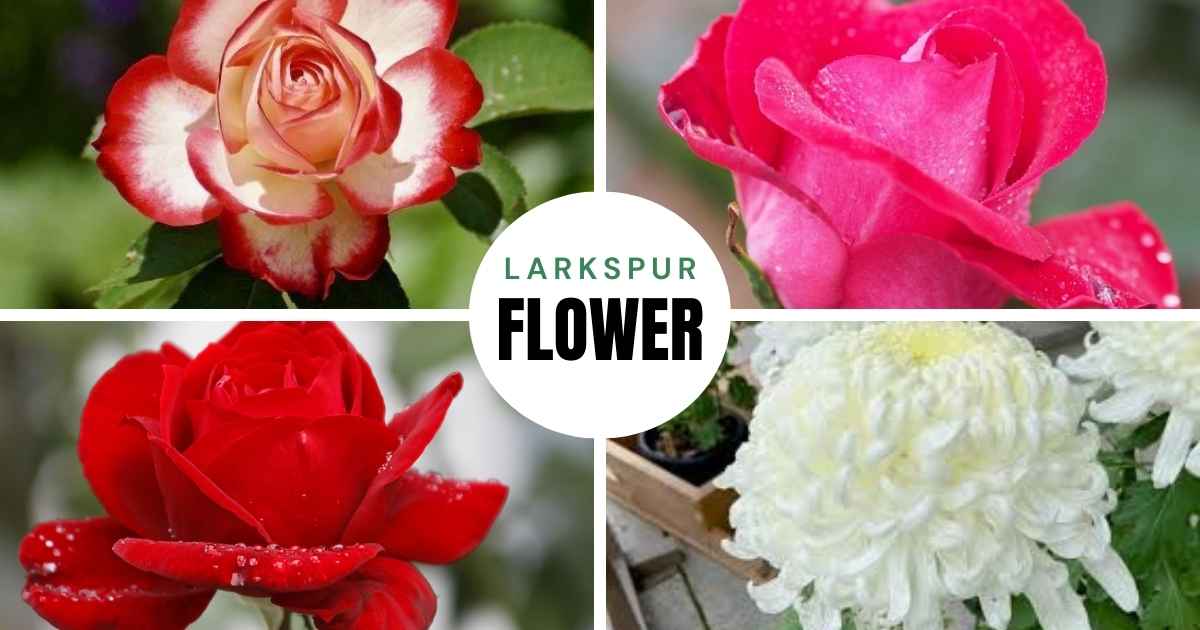
Have you ever wondered why we spend a whole day focusing on flowers? National Flower Day isn’t just a day to look at pretty flowers; it’s a day with a lot of meaning, history, and chances to connect with other people and nature. This day is a chance to celebrate how beautiful flowers are, whether you work with them, grow them, or just like how they look.
In this article, we will discuss National Flower Day in fantastic detail, including its background, goals, scientific significance, and ways that you can participate. Let’s learn why you should mark this yearly event on your calendar.
10 Fantastic Reasons to Honor National Flower Day
What is National Flower Day?
Every year on March 21, National Flower Day is observed, aligning with the Northern Hemisphere’s spring equinox. This day is great for celebrating flowers, nature’s vibrant ambassadors, as it symbolizes beauty, rebirth, and rejuvenation.
National Flower Day is frequently observed in American and international communities, schools, botanical organizations, and gardening associations.
The historical background of National Flower Day
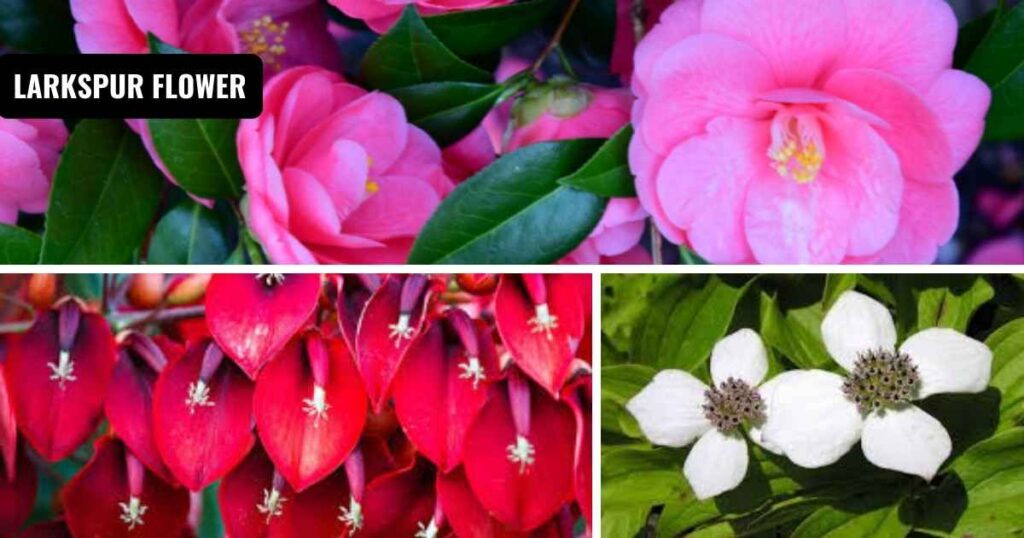
People have used flowers to show who they are, their spirituality, and their feelings throughout history. National Flower Day uses these traditions to show how important flowers are in everyday life.
Ancient Flower Traditions
- Ancient Egypt: Often seen in tombs and temples, the lotus (Nymphaea caerulea) represented rebirth.
- Greece and Rome: Roses (Rosa spp.) and other flowers were used in religious ceremonies and were connected to gods.
- Japan: In national celebrations like Hanami, the cherry blossom (Prunus serrulata) continues to be a focal point.
American culture
The 19th century saw a growth in the floral business in the United States, with flowers playing important roles in public occasions such as weddings and funerals. The cultural significance of when the rose was designated the national flower of the United States in 1986 further cemented the status of flowers.
The Modern Era’s National Flower Day
Climate impact
One of the main goals of National Flower Day is to get people to think about environmental issues. The day promotes the health of ecosystems by encouraging the growth of plants that attract pollinators. The balance of nature and agriculture depends on bees, butterflies, and other beneficial insects, for which these plants offer crucial homes and food supplies.
Mental health
Flowers have a significant effect on mental health in addition to being aesthetically beautiful. According to scientific research, being around flowers may elevate mood, lessen stress, and even lessen anxiety. Through gardening or just bringing fresh flowers indoors, National Flower Day offers a natural chance to capitalize on the healing properties of flowers.
Community engagement
National Flower Day promotes a sense of community. People gather to plan events with a floral theme from local groups, schools, botanical gardens, and communities. These events, which vary from flower shows and educational activities to planting drives and flower arrangement classes, foster community relationships and raise awareness of environmental issues.
Boost the local and national economy.
National Flower Day is to highlight the important role that the flower sector plays in both the local and global economy. Growing interest in flowers and plants benefits a wide range of enterprises, from florists and garden stores to producers and nurseries. Additionally, the day promotes thoughtful consumer support for locally grown and environmentally responsible flowers.
Benefits of flowers
Flowers have psychological, scientific, and symbolic significance in addition to being beautiful.
Flower parts
The reproductive organs of angiosperms, or blooming plants, are called flowers. They have the following:
- Petals: Draw pollinators with their fragrance and color.
- Stamen: The male portions that produce pollen are called stamens.
- Pistil: The female part is referred to as the pistil. It is where seeds are formed.
Advantages for mental health
Rutgers University claims that getting flowers enhances social behavior, promotes joy, and increases life satisfaction.
Ways to celebrate National Flower Day
Native plants or flowers
Consider planting native flowers that draw and retain pollinators on National Flower Day to promote biodiversity.
- Milkweed (Asclepias spp.) is what monarch butterflies eat to stay alive.
- The purple coneflower (Echinacea purpurea) is another perfect choice. Its bright flowers draw in bees and butterflies.
- Black-eyed Susan (Rudbeckia hirta) not only adds bright color to your garden, but it also gives nectar to many pollinators.
These indigenous species are essential to the upkeep of thriving ecosystems.
Give flowers thoughtfully
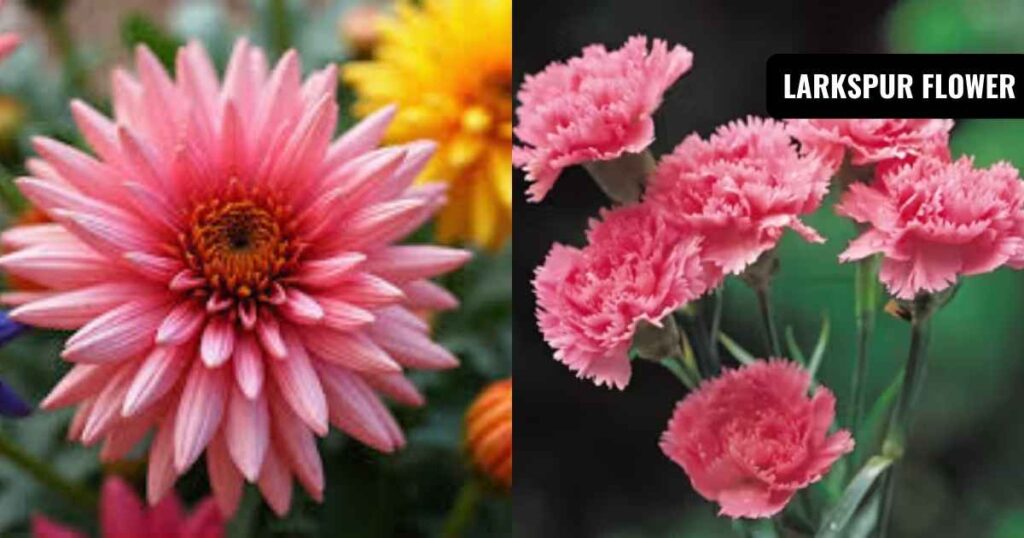
Choose flowers with particular meanings to give with thoughtfulness. For instance,
- Lilies stand for purity and rebirth.
- Roses indicate passion and love.
- The iris (Iris spp.) represents knowledge and hope.
- The sunflowers express positivity and adoration. Intentionally selecting flowers gives your gesture greater significance.
Visit the botanical garden.
To get to know the plants and discover more about plant conservation, take a nature walk in your neighborhood botanical garden or park.
Organize a workshop on flowers.
Make pressed flower bookmarks, paint floral canvases, or put together bouquets, perfect for community centers or schools.
Fun facts about National Flower Day
- The International Day of Forests falls on the first day of spring, making it an excellent opportunity to combine flower and tree planting activities.
- Every year, the US generates more than $5 billion worth of cut flowers.
- During the Victorian era, floriography, the language of flowers, was a significant means of communication.
Conclusion
National Flower Day is a joyful and significant occasion that inspires people to share beauty, promote sustainability, and re-establish a connection with nature. There are many other ways to celebrate this vibrant event, including planting local flowers, giving flowers as gifts, or just studying the science of pollination and petals.
Take some time today, March 21, to appreciate the power of flowers, marvel at their hues, and inhale their sweet fragrance.
FAQs
What day is National Flowers Day?
March 21 is celebrated as National Flower Day every year.
Is May 20 a flower day?
Flower Day is observed on May 20 annually.
What is the national flower of the United States?
The rose is the national flower of the United States.
