


Introduction
Are you thinking about lush green salads that come from lettuce seeds? Despite their apparent simplicity, lettuce seeds are the key to growing one of the most widely consumed salad greens worldwide. Understanding lettuce seeds is essential to successful gardening, from selecting the best type to perfecting planting methods.
This article covers all you need to know about lettuce seeds, including varieties, germination, planting advice, and more, regardless of your level of experience. Related information about seeds visit here.
Seven Crucial Lettuce Seed Facts for Strong, Happy Growth
What are lettuce seeds?
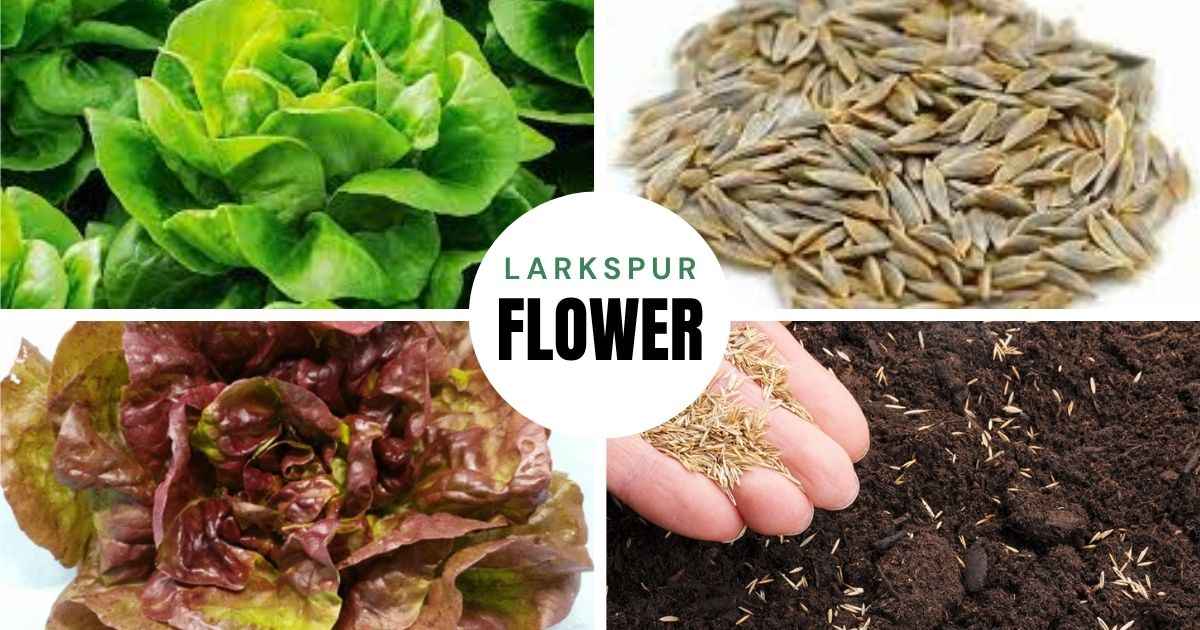
The small, oval-shaped seeds of the plant Lactuca sativa, which is grown for its soft and crisp leaves, are known as lettuce seeds. The genetic code for producing nutrient-rich greens in as little as 30 days is encoded in each seed, which is only 2 mm long.
Varieties of lettuce seeds
Selecting the proper type of lettuce seeds
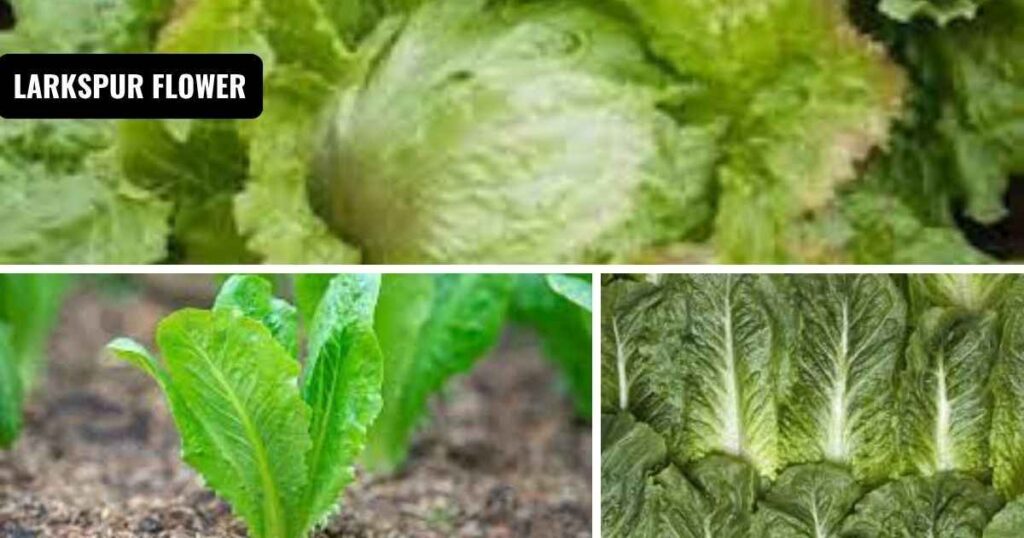
Your crop may succeed or fail depending on the type of lettuce seeds you choose. Every variety has distinct qualities that fit various climates, growth seasons, and palates. The most popular varieties of lettuce seeds are listed below to help you select the ideal one for your garden.
Romaine lettuce
Romaine lettuce yields crisp, delicious leaves in tall, upright heads. It grows best in the spring and fall and needs around 60 to 70 days to reach maturity. It works well with crisp foods like Caesar salads.
Butterhead lettuce
Butterhead lettuces are identified by their buttery texture and delicate, tender leaves; Boston lettuce and Bibb lettuce are two examples. These seeds thrive in cold climates and usually reach maturity in 55–65 days. They are perfect for delicate salads and fresh wraps.
Leaf lettuce
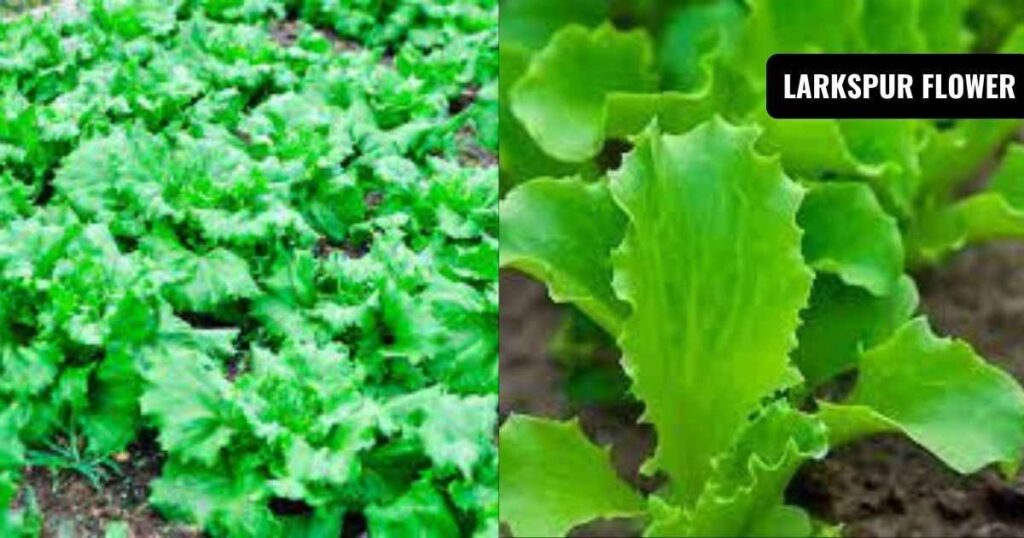
For the growers who are looking to grow a crop that is quick and simple, leaf lettuce is ideal. In as short as 30 to 45 days, its loose, non-heading leaves can be plucked. Harvest opportunities for this cultivar are reliable from spring through October.
Crisphead lettuce (Iceberg)
Crisphead lettuce, also referred to as iceberg lettuce, produces crisp, tightly packed heads. It loves milder areas and takes 70 to 85 days to mature. It is valued for its crispness and mild flavor, but it takes longer to mature.
Batavian lettuce
Summer Crisp, or Batavian, is a heat-tolerant cultivar with crisp, somewhat bitter leaves. It grows best from summer to early fall and takes between 55 and 70 days to mature. For gardeners seeking dependable growth in warmer climates, this variety is perfect.
Lettuce seed germination
Conditions for germination
The temperatures between 60°F and 70°F are ideal for lettuce seeds germination. Heat above 75°F can either delay or prevent sprouting. It is best to softly push the seeds into the soil rather than burying them deeply since they need light to grow.
Timeframe for germination
- Sprouting time: 2–10 days
- Proper soil pH range: 6.0–6.8
- Consistent but not wet moisture
Advice for improved germination
- The seeds should be refrigerated for two to three days before planting in warm climates.
- If the temperature outside is too high, use seed-starting trays indoors.
- To prevent upsetting shallow seeds, mist rather than heavily water.
How to plant lettuce seeds
Although planting lettuce seeds is easy, proper technique may greatly increase yield and germination rates. Follow these specific instructions for a successful start.
Prepare the soil
First, pick an organic matter-rich, well-draining soil. Loose, crumbly soil with a pH of 6.0 to 6.8 is ideal for lettuce growth. Add old manure or compost to increase moisture retention and nutritional content.
Sow the seeds
Directly scatter the lettuce seeds on the ground. Avoid burying them too deeply; a ¼-inch depth is good since they require light to grow. To enable development and ventilation, space rows 12 to 18 inches apart.
3. Water gently
Use a watering or spray bottle to wet the soil after sowing lightly. Steer clear of excessive irrigation; this may push out shallow seeds. During the germination stage, keep the soil continuously damp but not soggy.
4. Thinning of seedlings
When the plants are between two and three inches tall, remove the weaker ones to thin them out. Depending on the type, space the remaining plants 6 to 12 inches apart to ensure optimum growth.
5. Mulching
Cover the small plants with a thin layer of organic mulch. This aids in temperature regulation, weed suppression, and soil moisture retention. Keep an eye out for pests or diseases and water sparingly as needed.
When and where to plant lettuce seeds
In warm locations, lettuce likes cooler temperatures and some shade. The best periods to plant are
- Spring: When the soil becomes workable
- Fall: 7-8 weeks before the first frost appears
For a bumper crop throughout the growing season, plant a new row every 10 to 14 days.
How to keep and preserve lettuce seeds
Wait until the plant bolts (blooms and produces seeds) if you want to keep lettuce seeds for later use. Here’s how:
- After flowering, let the plant completely dry out.
- Gather and put the seed heads in a paper bag
- Shake and sift to separate the seeds from the chaff.
- Keep for up to three years in a dark, cold area.
Common problems with lettuce seeds
Even with the best care, lettuce seedlings may experience a few common issues. Here’s how to spot them and swiftly remedy problems:
Poor germination
Cause: Overly deeply planted seeds or seeds exposed to extreme heat.
Solution: Before planting in warm weather, chill seeds in the refrigerator for a few days and maintain a shallow planting depth.
Seedling damping off
Cause: Fungal illness brought on by inadequate ventilation and excessive irrigation.
Solution: Use sterile soil, increase air circulation, and water sparingly to prevent soggy conditions.
Bolting too soon
Cause: Early flowering is a result of heat stress.
Solution: To lessen exposure to heat, plant during cooler months or offer partial shade.
Conclusion
More than just the starting point of your salad, lettuce seeds offer a source of nutritious, homegrown, and fresh food. Anyone can grow successful lettuce crops on a kitchen windowsill, garden, or balcony if they know the basics of selecting, planting, and caring for these seedlings.
The next time you go for that package of seeds, keep in mind that those little lettuce seeds may provide enormous health (and flavor) advantages with a little effort and care.
FAQs
Can you grow lettuce from seed?
Yes, growing lettuce from seed is the best way to get lettuce salads.
Do lettuces have seeds?
Seeds are formed on each branch of lettuce.
Can I grow lettuce indoors?
All types of lettuce can be grown indoors successfully.
