


Have you ever had trouble with hydrangea care, keeping your blooms vibrant and wondering why the flowers won’t change color? To take care of hydrangeas, you need to do more than just water and plant them. You must also be aware of their requirements, such as sunlight and soil.
If you take good care of your garden, it can be vibrant and full of lush foliage. This tip holds whether you have the oakleaf variety (Hydrangea quercifolia) or the classic Hydrangea macrophylla.
All the information you require to grow healthy, blooming hydrangeas that will improve the appearance of your yard throughout the year is covered in this article.
Hydrangea Care: 5 Important Tips for Keeping Your Flowers Healthy
What is Hydrangea Care?
Hydrangeas are blooming shrubs that lose their leaves in the winter. They are recognized for their round flowers and bright colors. The most frequent species come from Asia and the America.
1. Bigleaf Hydrangea (Hydrangea macrophylla)
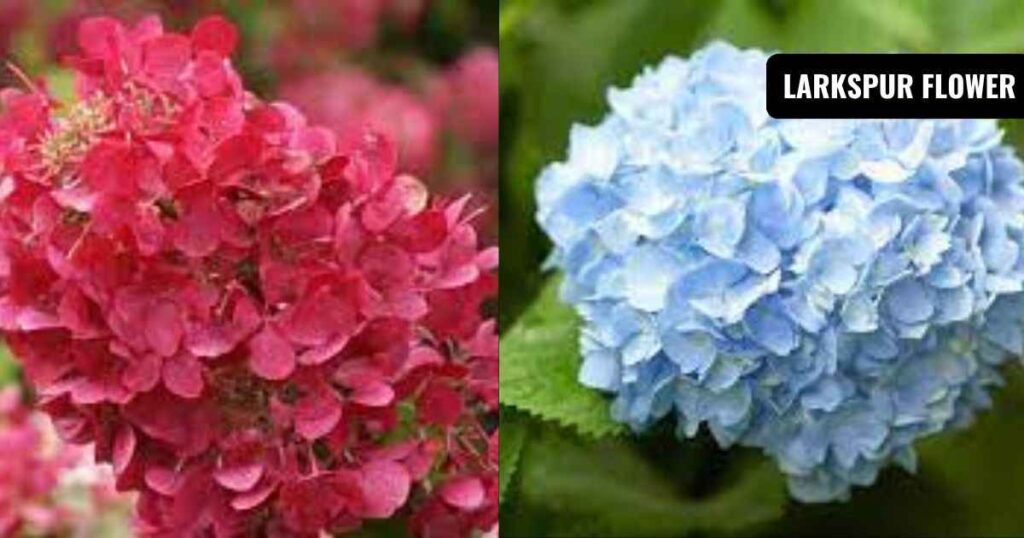
The Bigleaf Hydrangea is one of the most popular types because its flowers are beautiful shades of pink, blue, or purple. The color of the blooms may be affected by the soil. Acidic soil generates blue flowers, while alkaline soil makes pink flowers.
2. Panicle Hydrangea (Hydrangea paniculata)
This hardy variety features cone-shaped flower heads that change color throughout the season from white to a gentle pink. People adore panicle hydrangeas because they can withstand more sun than other types, and their flowers last for a long time.
3. The oakleaf hydrangea (Hydrangea quercifolia)
The stunning white blooms of the oakleaf hydrangea turn crimson in the fall. Long after the flowers are gone, its lobed leaves, which resemble oak leaves, add a great deal of color and complexity.
4. Smooth hydrangea (Hydrangea arborescens)
Smooth hydrangeas are great for places with chilly weather. They make circular clusters of white to light pink blooms. People love this type of plant since it can grow well in cold weather. It is commonly utilized in shady borders or forest gardens.
Different types of hydrangeas need various kinds of care, but many of the basic rules for caring for them are the same for all of them.
Hydrangea Care Basics
Choosing the right location for your hydrangeas
Hydrangeas thrive in areas that receive morning sunlight and afternoon shade.
Ideal Conditions:
- Sunlight: 4–6 hours of morning or indirect sun
- Protection: Keep out of the wind
- Distance: 3 to 10 feet apart, depending on the type
Hydrangea care:
Tree roots will compete with plants for water and nutrients, so refrain from planting under them.
Preparing the soil and keeping the pH level stable
Rich, well-draining soil is ideal for hydrangeas. But the actual magic of taking care of hydrangeas is in the pH of the soil, especially for Hydrangea macrophylla.
Soil Rules:
- Blue flowers grow in acidic soil (pH < 6.0)
- Soil that is neutral to alkaline (pH > 6.0): Pink blooms
- To enrich the soil with nutrients, add peat moss or compost.
You can naturally change the colors of your flowers by using a pH tester.
Irrigation
Frequent watering is beneficial for hydrangeas.
How to give water:
- How many times a week: 1 to 3
- How deep: Water deeply to make roots strong.
- How: Watering at the base or using drip irrigation
The risk of fungal diseases may increase if the leaves are moistened.
Hydrangea care: Pruning
The key to blooming hydrangeas is knowing when and how to trim them.
Different types of pruning:
Bigleaf and oakleaf hydrangeas
In the summer, you should trim back these kinds immediately after they bloom. Because they bloom on old wood, the buds for the following year’s flowers are formed on the previous year’s new growth. Pruning too late may result in fewer flowers because these buds are removed.
Panicle and smooth hydrangeas
Cut back these types in late winter or early spring, before new growth starts. They blossom on new wood, so cutting them down while they are dormant helps them develop new wood and have more blooms in the spring.
Hydrangea care: General tips
- Take off branches that are dead or cross each other.
- Don’t remove more than a third of the plant.
- Always use shears that are clean and sharp.
Fertilizing for flowers
Balanced fertilization helps plants grow big, vibrant blooms and leaves.
Fertilizer Plan:
- Use a balanced fertilizer in the spring, such as 12-4-8 or 10-10-10
- In the middle of summer, please give them a little feeding to let them blossom again.
- Over-fertilizing can make plants develop leaves without blossoms.
For consistent results, use fertilizers that release slowly.
Conclusion: Hydrangea Care
Not only do hydrangea care great in your garden, but they also show that you care about taking care of them. You can ensure they thrive throughout the year by understanding the type of light, water, soil, and seasonal hydrangea care they require. You must understand how to take care of hydrangeas.
Work, and how they act. For example, you need to change the pH of the soil to control color and cut each type at the right time. These tips will help you grow bright, healthy hydrangeas that will bloom beautifully and look wonderful in your garden, no matter how experienced you are as a gardener.
If you put in some work, your hydrangeas will bloom every year and make your yard look nice for years to come.
FAQs About Hydrangea Care
What is the ⅓ rule for hydrangeas?
After the age of five years, ⅓ of old hydrangea stems should be removed every summer season.
What is the best fertilizer for hydrangeas?
Any slow-release, granular fertilizer is the best fertilizer for hydrangeas.
