


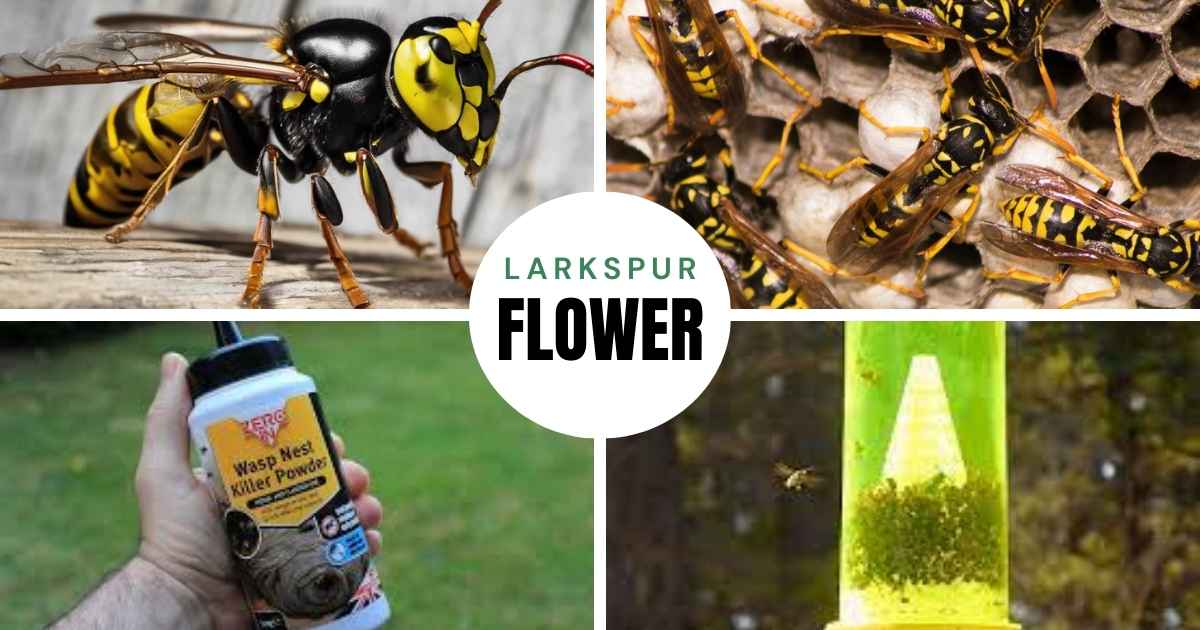
How to kill wasps safely is a question many homeowners face each summer when buzzing, stinging insects turn outdoor spaces into danger zones. Wasps can pose a threat to patios, gardens, and even front doors, whether they are aggressive yellowjackets (Vespula spp.), territorial paper wasps (Polistes spp.), or giant hornets (Vespa crabro). Removing them without taking unnecessary risks requires time, the proper tools, and the appropriate safety precautions.
With safety as your main priority, you will learn the top 10 simple and efficient methods for getting rid of wasp nests, safeguarding your family, and stopping these pests from returning.
How to Kill Wasps: Top 10 Effective Methods
Why identification matters for how to kill wasps
It is essential to correctly identify the type of wasp you interact with before deciding how to kill it. Different wasps have different behaviors, and the optimal management strategy depends on the wasps’ nesting patterns.
For example, paper wasps (Polistes spp.) typically build small, open comb nests in sheds or under roofs, making them easier to kill with a direct spray. However, yellowjackets (Vespula spp.) require insecticidal dusts that can penetrate difficult-to-reach areas because they usually construct their nests underground or inside wall gaps. Due to their fierce defense, hornets (Vespa crabro), with their vast aerial nests, typically require foamy sprays or, in many cases, expert assistance.
Accurate identification also lowers dangers. If the wrong bug is targeted, it could harm essential pollinators, such as bees, which are vital to ecosystems. Identifying which wasp species you’re dealing with can help you select the safest and most efficient treatment, steer clear of needless risks, and guarantee long-term success in getting rid of the issue.
Wait before sealing the nest.
Take your time blocking the entrance after treating a wasp nest. Use the appropriate technique for the kind of nest (hanging, wall, or ground) at all times. Allow the wasps to die off once medication is administered. Before sealing or plugging the hole, ensure no further action is taken for at least 24 to 48 hours. If you block it too quickly, trapped wasps may find another way out or enter your home.
How to kill wasps effectively
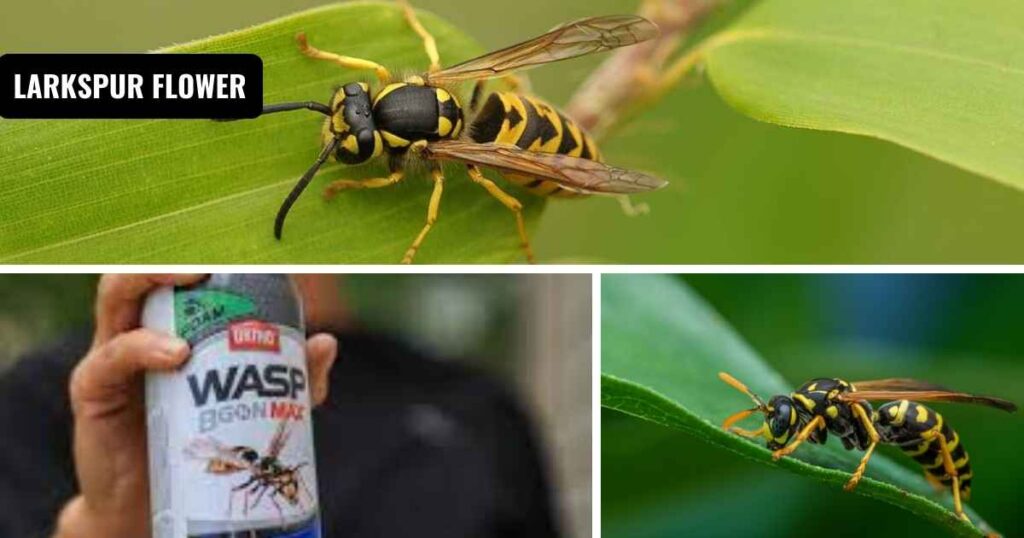
1. Jet sprays of aerosols
You can keep a safe distance from the nest due to the mighty stream that these sprays produce. When encountering a wasp, they quickly knock it down and kill it nearly instantly.
2. Expanded foam aerosols
The entire nest is filled with the thick foam that these sprays release. Foam traps and kills the wasps where they reside by covering the inside and blocking the entrance. It’s a wonderful choice for concealed nests, wall gaps, and cracks when total coverage is required.
3. Residual dust
This technique applies fine dust straight into ground nests, wall crevices, or other openings. As the wasps pass through, the dust sticks to them, spreading throughout the colony and eventually killing them. It is perfect for hidden nests because it lasts for days and is inaccessible to sprays.
4. Wettable powder
These are diluted with water and sprayed on the ground, walls, and fences, anywhere wasp activity is present. They create a thin layer that remains effective even after drying, preventing wasps from returning or reestablishing themselves in the area.
5. Wasp traps
Wasp traps use food to draw wasps inside and prevent them from leaving. They help reduce the number of wasps flying about your yard, making outdoor areas safer and more pleasant, even when they don’t destroy a nest.
6. Soapy water
Small, prominent wasp combs can be sprayed with soap and water. The wasps are swiftly killed when the soap coats them and stops their breathing. This method works best on small nests that are easily accessible and recently established.
7. Professional-grade dust
Using professional-strength solutions is usually the safest option when wasps establish nests in hazardous or difficult-to-reach areas, such as inside walls, attics, or nearby areas with high foot traffic. These foams and dusts are made to coat obscure spots or disperse deeply into spaces, reaching every part of the colony. High-risk areas can be difficult and hazardous, so many people leave this treatment to a certified pest control specialist. It protects you from painful stings and ensures the nest is destroyed.
8. Treat return flights
Dozens of wasps swarming throughout the day is hardly the ideal time to attack a nest. The individuals at the nest will vigorously defend it, and most of the colony is out during this time, so spraying could be risky. Hold off until the wasps are back at the nest and less active, typically in the early morning or at night. This lowers your chance of getting stung and simultaneously provides your medication to more colony members.
9. Check back after 24 and 48 hours.
One procedure is insufficient to destroy the nest. Ensure all wasp activity has ceased by returning the next day and again 48 hours later. A second round of therapy could be required if you continue to see activity around the entry. It is best to wait until the colony has been fully eradicated before carefully covering the nest or cleaning up the area.
10. Careful nest removal
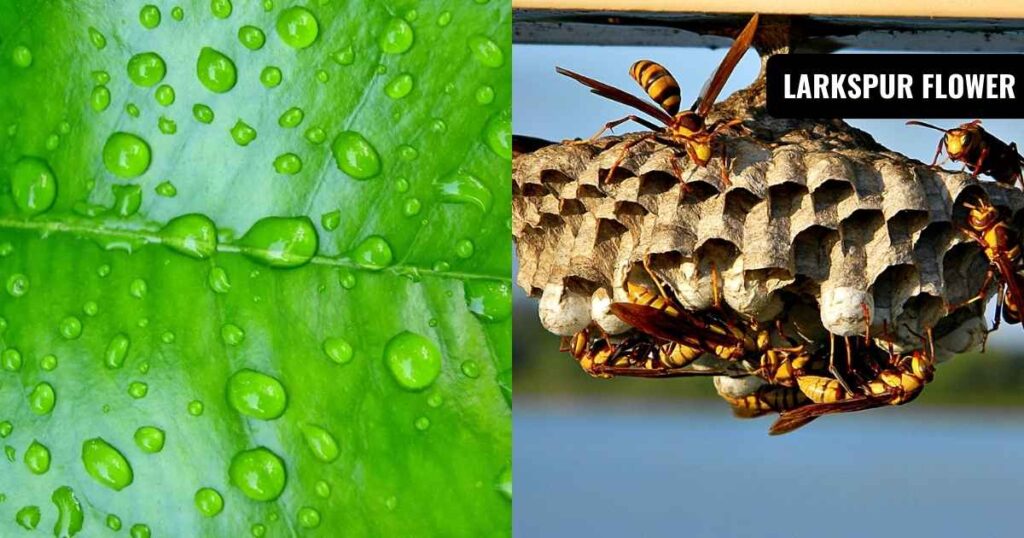
Once you’re certain the wasps have left, you can securely remove the nest. Always wear gloves and protective clothes in case lingering stragglers remain. Being cautious and taking time can help you and your family avoid accidental stings and ensure the area is safe.
Conclusion: How to kill wasps
Knowing how to kill wasps safely is being competent and prepared. Determine the kind of nest first since various methods are needed for wall-hiding, ground, and paper nests. Use the proper technique, dusts for deep voids and ground colonies, foams for sealing concealed nests, or jet sprays for rapid knockdown, and always treat in the evening or at night when wasp activity is reduced.
To lower hazards, keep a safe distance, wear protective clothing, and carefully read the label. If the nest is huge, high up, or inside the structure of your home, contact a registered pest expert. Block a nest entrance until everything has stopped. Effective detection, management, and timing techniques can eradicate wasps and protect your community.
FAQs: How to kill wasps
What will kill a wasp instantly?
A soapy water solution can kill wasps instantly by disturbing their breathing process.
How can wasps be permanently eradicated?
To effectively remove wasps and prevent their return, once treated, use traps, sprays, and regular inspections to focus on food sources.
Do the wasps remember faces?
Yes, it is known that certain insects, especially paper wasps, can identify people by their faces.
