

Are you curious how to get rid of mealybugs before they ruin your plants? Pseudococcidae, the technical name for these soft-bodied pests, feed on plant sap and produce sticky honeydew that draws mold and other insects. Mealybugs can swiftly transform lush leaves into withered, yellowish foliage, whether you’re growing succulents, houseplants, or outdoor ornamentals.
This article will examine practical, safe, and scientifically validated methods for eliminating mealybugs.
How to Get Rid of Mealybugs: Adopt 5 Easy Steps And Preserve Your Plants
What are mealybugs?
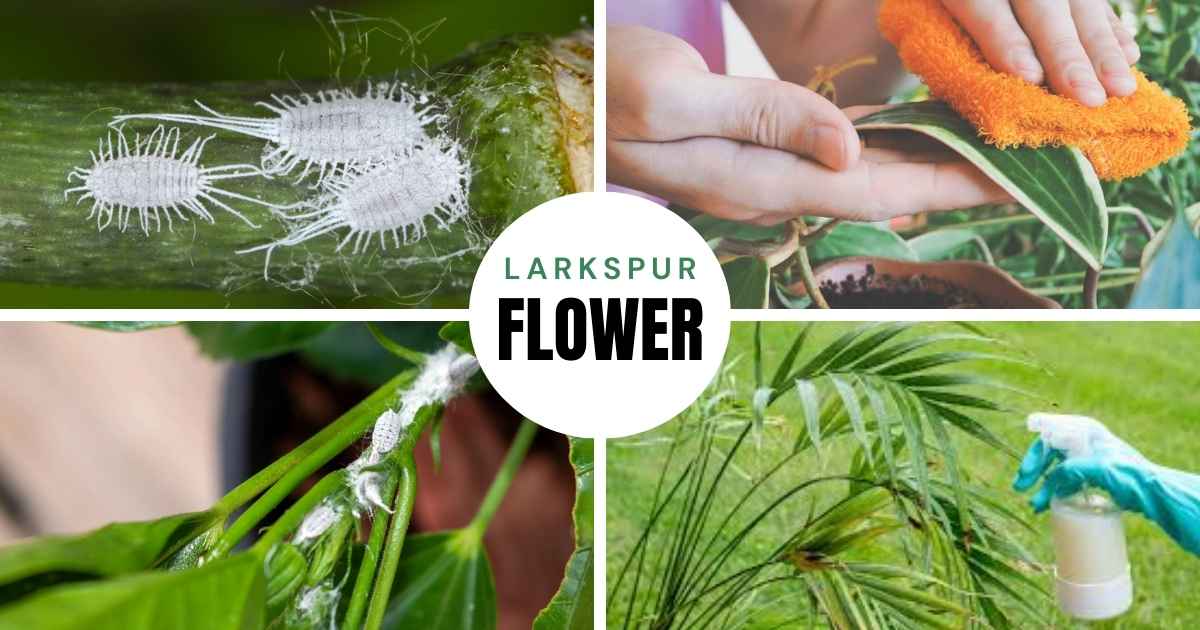
Mealybugs are tiny, oval insects with a white wax covering that resembles cotton. They frequently lurk in the stems, roots, and nodes of leaves and do best in humid, warm environments.
How do you identify mealybugs?
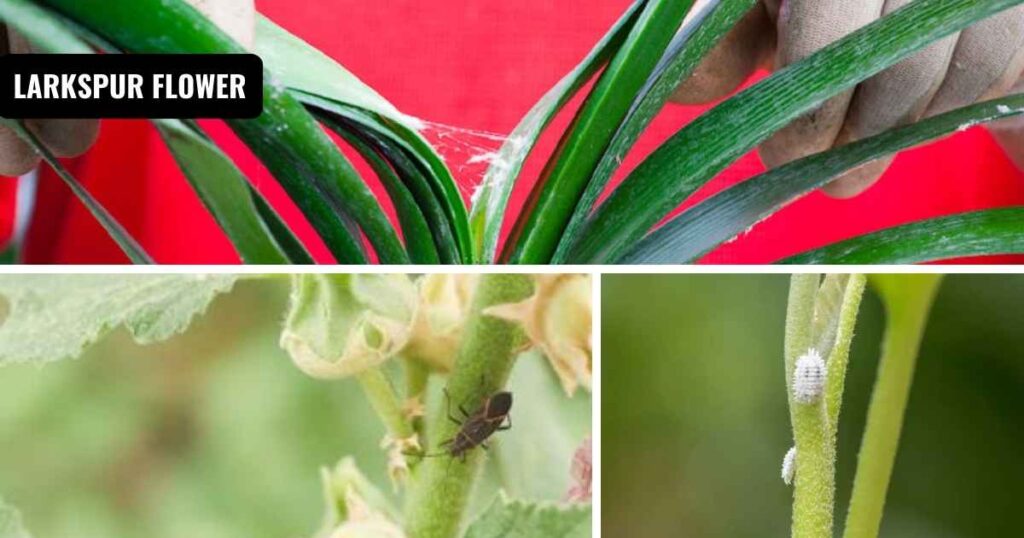
Mealybug infestations are easy to spot once you know the warning signs. Check for yellowing, wilting, or stunted growth; sticky honeydew residue on plant surfaces; and white, cottony clusters on stems, leaves, or roots. They also generate honeydew, which can lead to the development of black sooty mold.
Why are mealybugs harmful?:How to get rid of mealybugs?
Mealybugs reduce the vigor and development of plants by sucking out essential nutrients. In extreme situations, infestations can result in plant mortality, root damage, and leaf loss.
1. Isolate affected plants
The first step in eliminating mealybugs is to stop their spread. Keep healthy plants away from infected ones. Look closely at the plants around you, focusing on the undersides of the leaves and any tight spots.
2. Remove mealybugs by hand.
To prevent the spread of mealybugs in mild infestations, you can manually remove them. To remove the bugs’ waxy layer, dip a cotton swab into 70% isopropyl rubbing alcohol and apply it straight to the insects. Next, use a gentle cloth to remove the dead insects. Continue doing this every few days until there are no more indications of an infestation on the plant.
3. Spray a rubbing alcohol solution.
Most plants are not harmed when mealybugs are killed with alcohol. Add a few drops of mild liquid soap to a mixture of one part rubbing alcohol and three parts water to create the spray. Thoroughly spray every plant surface, being especially mindful of the nooks and crannies where mealybugs may lurk. Until the infestation is totally eradicated, repeat the treatment every 5-7 days.
4. Apply neem oil
Neem oil acts as a contact pesticide and a systemic pest deterrent by disrupting mealybug feeding and reproduction. Mix the oil according to the package’s instructions, then spray it on the leaves, stems, and surrounding soil. It is safe for most plants when used as directed and should be applied once a week until the pests are gone.
5. Introduce natural predators
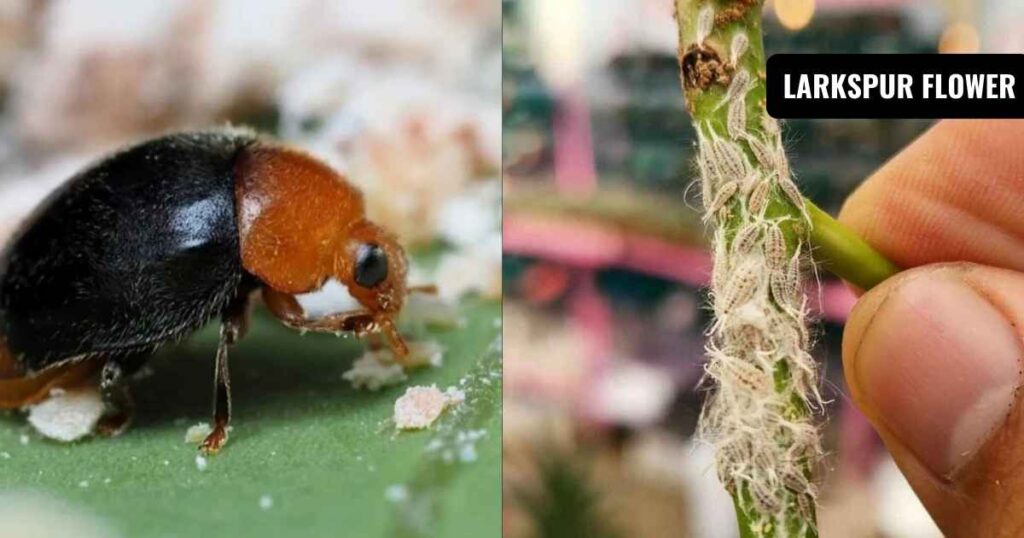
Introducing beneficial insects is an effective and eco-friendly way to manage mealybugs in greenhouses or outdoor gardens. While the mealybug destroyer beetle (Cryptolaemus montrouzieri) is very successful at eliminating large populations, natural predators such as ladybugs (Hippodamia convergens) may drastically diminish light to moderate infestations. Mealybugs are another food source for green lacewings (Chrysoperla rufilabris), which provide moderate to high control. Without using harsh pesticides, you may establish a natural pest control strategy that helps preserve a healthy ecology by introducing these predators into the impacted region.
Prevention of mealybugs
Keeping mealybugs from returning in the first place is the best strategy to combat them. Maintaining your plants’ health and reducing their susceptibility to pests requires regular preventative maintenance.
1. Check fresh plants
Make sure your fresh plants are healthy before bringing them inside or placing them in your garden. Pay special attention to the joints and stems of the leaves for any signs of sticky residue or white, cottony clusters. An infestation can be prevented before it begins with early detection.
2. Avoid overfertilizing
Soft, nitrogen-rich plant growth attracts mealybugs. Avoid overfertilizing, especially when using products high in nitrogen, since this will create an environment that is conducive to these pests.
3. Maintain the health of plants.
Mealybug assaults are less likely to affect robust, well-maintained plants. To keep plants flourishing, give them the proper ratio of light, water, and nutrients.
4. Regularly clean the leaves and stems.
Debris and dust can provide bugs somewhere to hide. Every few weeks, use a moist towel to wipe off leaves and stems to get rid of any possible mealybug eggs or nymphs before they have a chance to grow.
5. Improve airflow
Mealybugs thrive in damp, stagnant environments created by crowded plants. Plants should be spaced properly, and air circulation should be maintained to deter pests from entering your space.
Conclusion: How to get rid of mealybugs
The key to getting rid of mealybugs is to be persistent and take prompt action and action. When feasible, isolate affected plants, introduce beneficial predators, and employ well-established treatments such as insecticidal soap, alcohol sprays, or neem oil. Your plants will remain healthy, vibrant, and pest-free with regular observation and preventative maintenance.
You can enjoy a flourishing garden or indoor plant collection without worrying about mealybugs by taking these scientifically supported measures.
FAQs about how to get rid of mealybugs
How do I get rid of mealybugs permanently?
You can get rid of mealybugs permanently by removing them manually, spraying neem oil or insecticidal soap, and introducing natural predators into your garden or yard.
Does vinegar kill mealybugs?
The use of a vinegar solution is also effective in controlling mealybugs. First, do your best to remove the mealybugs manually. Then apply a 10% vinegar solution to plants.
Will soapy water kill mealybugs?
Add 5% dishwasher liquid and 95% water to the spray bottle. To eradicate mealybugs from plants, spray the affected plants with a fine-nozzle stream.
