


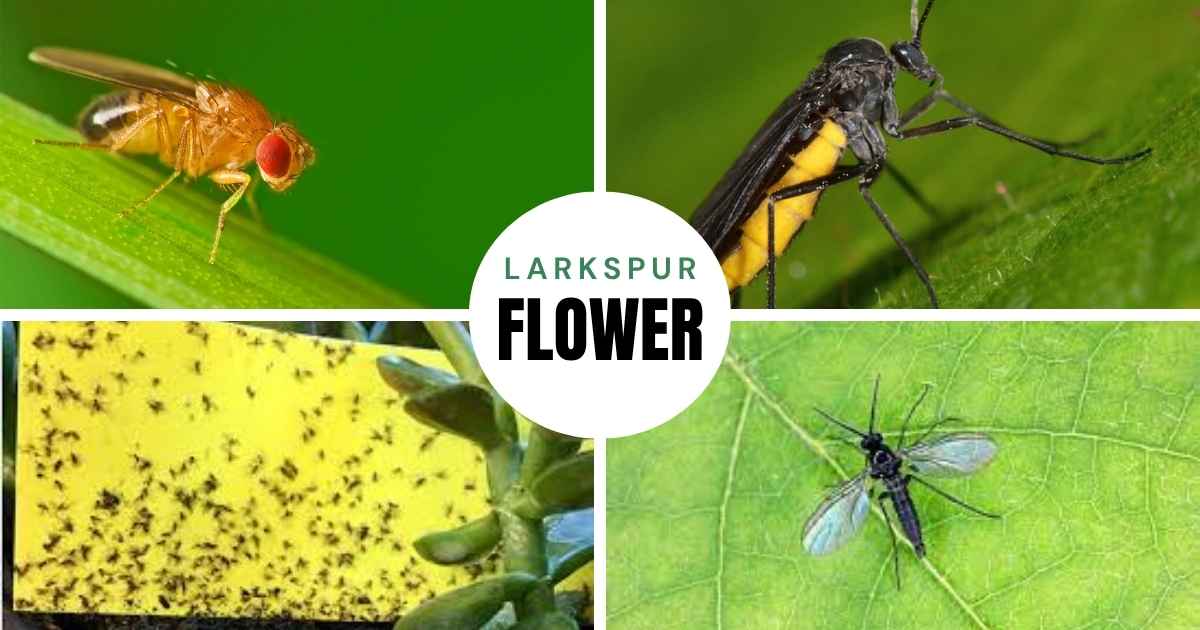
Are you worried about how to get rid of gnats outside without turning your peaceful yard into a constant battlefield? Fruit flies (Drosophila melanogaster), drain flies (Psychodidae), and fungus gnats (Bradysia spp.) are three types of gnats that can quickly ruin outdoor enjoyment. Even though they are small, many can be difficult, especially if they are close to patios, gardens, or compost bins.
This article will teach you effective, scientifically backed methods for eliminating gnats in the outdoors. Whether you’re dealing with a bug infestation or a minor annoyance, these ten tips will help you regain control of your outdoor space.
10 Effective Ways: How to Get Rid of Gnats Outside Permanently
Gnats: What attracts them outside?
Understanding what attracts gnats is essential before knowing how to get rid of them outside. Because gnats are drawn to particular outdoor areas, your yard is an ideal place for them to reproduce.
A big attraction is moisture.
Gnats adore being wet. The perfect conditions for gnat eggs and larvae include standing puddles, overwatered lawns, blocked gutters, and moist mulch. One important initial step is to control excess moisture.
Decaying organic matter
Gnats can feed on and reproduce on rotting leaves, compost piles, and exposed rubbish. Gnats can detect the fumes released by the breakdown of these organic compounds from a distance.
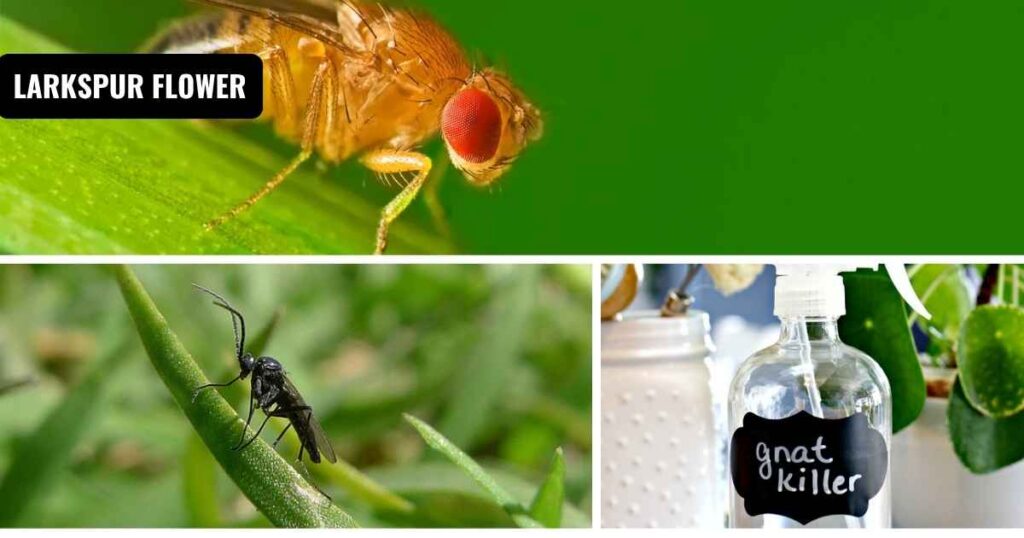
Outside lighting
At night, gnats are frequently drawn to bright lights, particularly those near windows and doors. The worst culprits are blue or white lights. You can lessen the attractiveness by using yellow LED lights instead.
Sugary foods and sweet aromas
Gnats are drawn to sugary residues left outside, overripe fruits, and spilled beverages. Their food sources are minimized by keeping outdoor dining spaces hygienic and food sealed.
Eliminate the attractants first.
You can significantly lower the gnat population by controlling or eliminating these major attractions. It’s the most crucial and initial step in taking charge of your outside area.
1. Improve drainage and remove standing water.
Eliminating excess moisture is essential to upsetting the life cycle of gnats, even though they prefer moist environments. Aerate your lawn for improved drainage, replace leaking pipes and hoses, empty flowerpot saucers frequently, and refrain from overwatering your garden beds or grass.
2. Apply vinegar traps
Apple cider vinegar traps are one of the easiest natural ways to get rid of gnats outdoors. For surface tension relief, fill a small bottle with apple cider vinegar, add a few drops of dish soap, and set it in an area where gnat activity is most prevalent. For optimal effects, swap out the mixture every two to three days.
3. Support natural predators
An environmentally appropriate method of long-term gnat management is to support natural predators. Birdbaths and feeders can draw birds, dragonflies can easily hunt gnats, and a single bat can consume hundreds of gnats in a single night. Maintaining diversity in your garden’s habitat helps ensure these helpful neighbors survive.
4. Introduce beneficial nematodes
Animals and humans can safely consume small, round beneficial nematodes such as Steinernema feltiae. They hunt for and kill gnat larvae in the soil. For long-lasting management, combine them with water as instructed, spray damp soil in trouble spots, and reapply every 4-6 weeks.
5. Apply gnat spray outside.
Sprays that are safe to use outside can offer immediate relief from severe gnat infestations. For more severe problems, commercial pesticides with bifenthrin or permethrin are the best choice; for mild to moderate issues, natural sprays with pyrethrin or neem oil are effective. To protect beneficial insects, always follow the directions on the label.
6. Remove organic matter
Gnats are drawn to decomposing leaves, mulch, and fallen fruit, so cleanliness is necessary. To minimize breeding sites, regularly remove fallen fruits, mix compost to accelerate decomposition, replace excessively wet mulch with new, dry layers, and dispose of plant waste and grass clippings.
7. Use yellow LED outdoor lights.
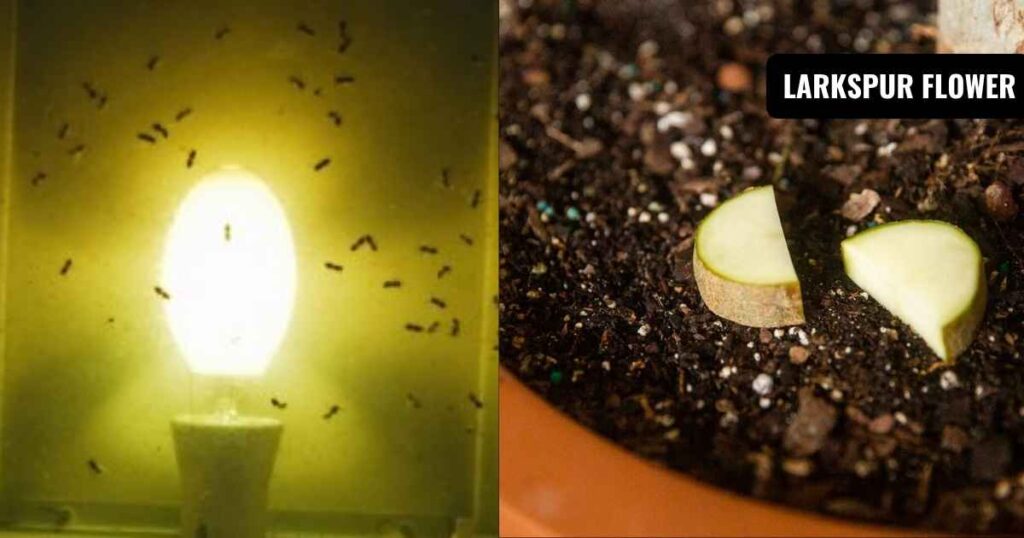
Gnat swarms can occasionally be attracted to conventional outdoor lights after dark, but warm yellow LED lights can discourage them. Utilize motion-sensor lights to reduce the constant brightness for greater control and citronella candles to enhance the gnat-repelling effect.
8. Create a fan zone
Creating airflow helps prevent gnats from hanging close to you because they are poor flyers. Use battery-operated portable fans for picnic areas, place oscillating fans around patios or decks, and, for best results, combine this technique with traps.
9. Regularly take care of your garden.
The perfect habitat for gnats to flourish is an unclean yard. Prune overgrown bushes, keep your yard trimmed, and limit your use of fertilizer that contains nitrogen. Garbage cans should be placed away from seating areas and securely closed to maintain aesthetic appeal.
10. Use natural repellents
Effective gnat repellents include natural fragrances like eucalyptus, peppermint, and citronella. To keep gnats away, you can use oil diffusers that include eucalyptus or peppermint oils, plant citronella grass or mint around outdoor spaces, or mist doors and patios with diluted essential oils.
Conclusion: How to get rid of gnats outside
Once you know how to get rid of gnats outside, the secret is to be consistent in keeping them away. Remove standing water, maintain a clean and dry yard, install fans and traps in sitting places, use natural cures or pesticides as necessary, and support the growth of natural predators. If you take these precautions, you can enjoy your outdoor areas without spending a lot of time swatting and buzzing.
FAQs about how to get rid of gnats outside
What is the fastest way to get rid of gnats?
Blue light sticky traps, soil treatments for mosquito bites, natural repellents, and eliminating attractants are the quickest methods for getting rid of gnats.
What can I spray my yard with to get rid of gnats?
Yes, you can spray with a liquid dishwashing soap, water, vinegar, or baking soda. Use a few drops of soap and a tablespoon of vinegar for each cup of water to apply.
What smell do gnats hate the most?
Gnats don’t like the smells of lemon, peppermint, citronella, and apple cider vinegar.
