

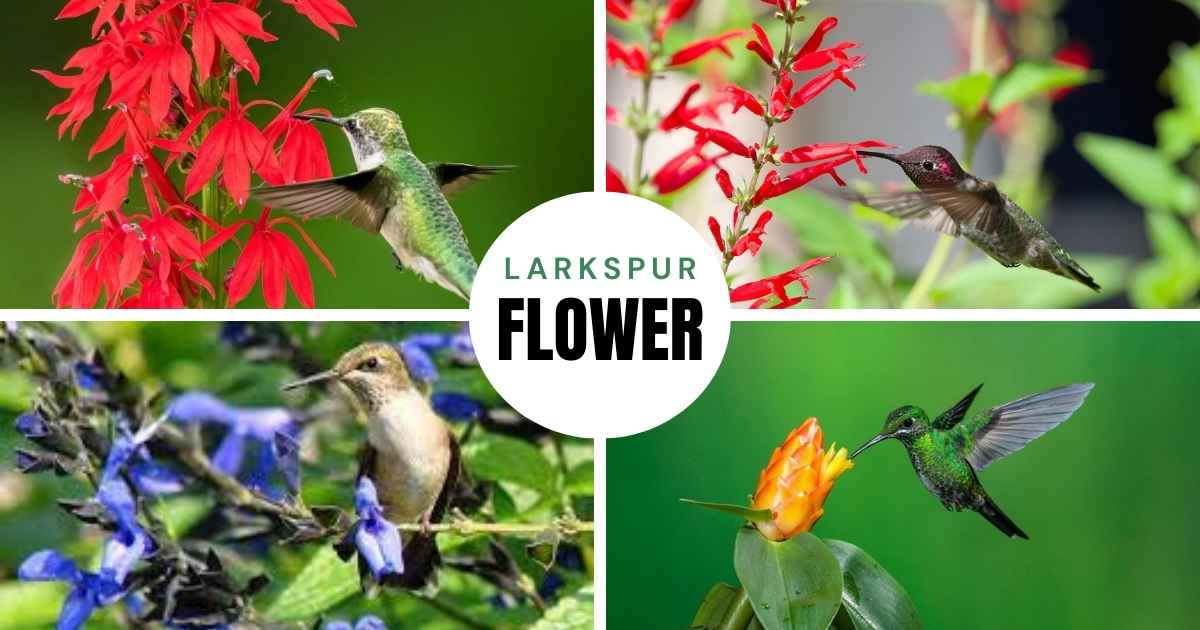
Do you want to know how to attract hummingbirds to visit your garden or yard? In addition to being fascinating to observe, these little, active birds contribute to the improvement of your ecology by pollinating plants. Whether you are a novice gardener or an experienced bird lover, we will go over science-backed, realistic, and doable strategies to attract hummingbirds to your outdoor area in this article.
This article will provide you with all the information you need to choose the right flowers, keep feeders clean, and comprehend hummingbird behavior.
How to Attract Hummingbirds: 10 Easy Methods
What Are Hummingbirds?
Hummingbirds belong to the Trochilidae family, which includes about 300 species that are mostly found in the Americas. The Ruby-throated Hummingbird (Archilochus colubris) is the most common species in North America. Hummingbirds are attracted to safe havens and food sources that are rich in nectar. They are identified by their iridescent feathers, fast wingbeats (up to 80 beats per second), and ability to hover.
They are naturally attracted to red, orange, and pink flowers and prefer environments with suitable food, clean water, and few predators.
Why Learn Hummingbird Attraction Techniques?
- Benefits of pollination for your garden
- Natural pest control through insect consumption
- More biodiversity in your immediate surroundings
- Visual enjoyment from their dexterous motions
1. Native Plants, Nectar-Rich Flowers
The Best Flowers to Draw Hummingbirds
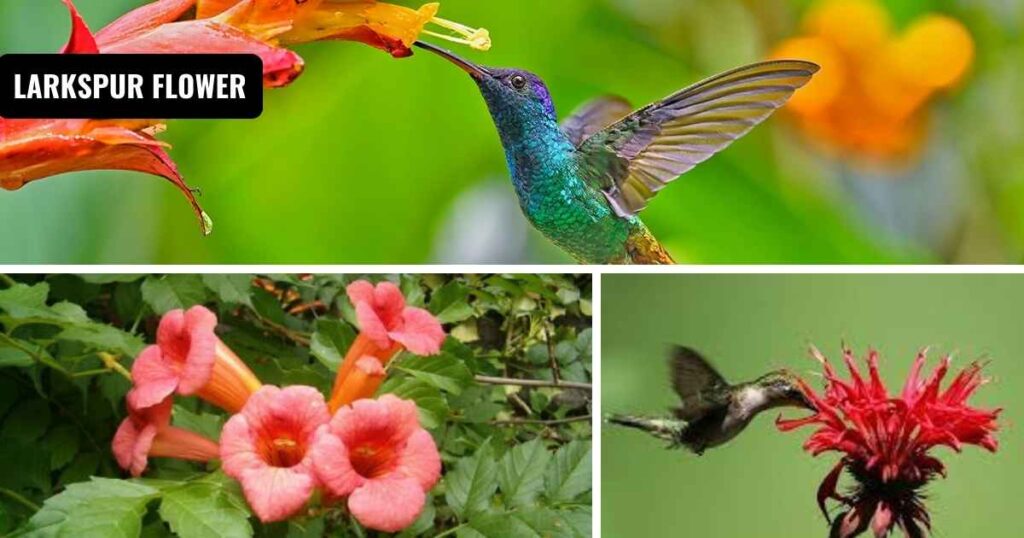
Growing local plants is one of the best ways to achieve this. Choose flowers that are brightly colored and shaped like tubes.
- Trumpet vine (Campsis radicans) blooms in summer.
- Bee balm (Monarda didyma) gives flowers in the middle of summer.
- Cardinal flower (Lobelia cardinalis) blooms in late summer.
- Salvia (Salvia splendens) blooms from summer to fall.
- Coral honeysuckle (Lonicera sempervirens) produces flowers from spring to summer.
Tips for Spring and Summer
- To make plants easier to see, group them.
- To ensure that you always have nectar, choose plants that bloom at different times.
- Avoid hybrid flowers that may not produce nectar.
2. Install and Keep Hummingbird Feeders Clean
Feeders for hummingbirds are a great extra food source.
How to get nectar ready
- Combine four parts warm water with 1 part white sugar.
- Stir until completely dissolved. Don’t boil.
- Red dye and honey should not be added; they may harm birds.
Guidelines for maintenance
Feeders should be cleaned every three to five days (or every two days in hot weather), using hot water with vinegar or a mild detergent, and thoroughly rinsed to remove any residue.
Keep feeders out of windy areas and in partial shade.
3. Provide Fresh Water
Hummingbirds like taking baths to keep their feathers clean, even though nectar provides the majority of their hydration.
Water concepts
- Fountains that mist; water features that drip
- Perches on shallow birdbaths
- They want flowing water because it deters insects.
4. Add Nests and Perches
Hummingbirds require resting spots in between meals.
Perfect Perches
- Tiny branches
- Clotheslines
- Wire trellises
Materials for the nest
- Lichen and moss
- Plant down (from thistles or cattails)
- Spider silk (for tying nest materials)
Trees and shrubs should not be pruned during the nesting season, which is spring to early summer.
5. Stay away from herbicides and pesticides.
Chemical sprays eliminate tiny insects, which are a vital source of protein for hummingbirds.
Apply natural pest control techniques like
- Neem oil
- Insecticidal soap
- Planting companions
This approach keeps your garden flourishing and bird-friendly.
6. Use red accents
Due to their keen visual senses, hummingbirds are particularly drawn to red.
Incorporate red components:
- Red ribbons or artificial flowers
- Garden flags
- Feeder bases
Avoid artificial dyes in nectar; the red accents around the feeder are enough.
7. Grow shrubs and trees.
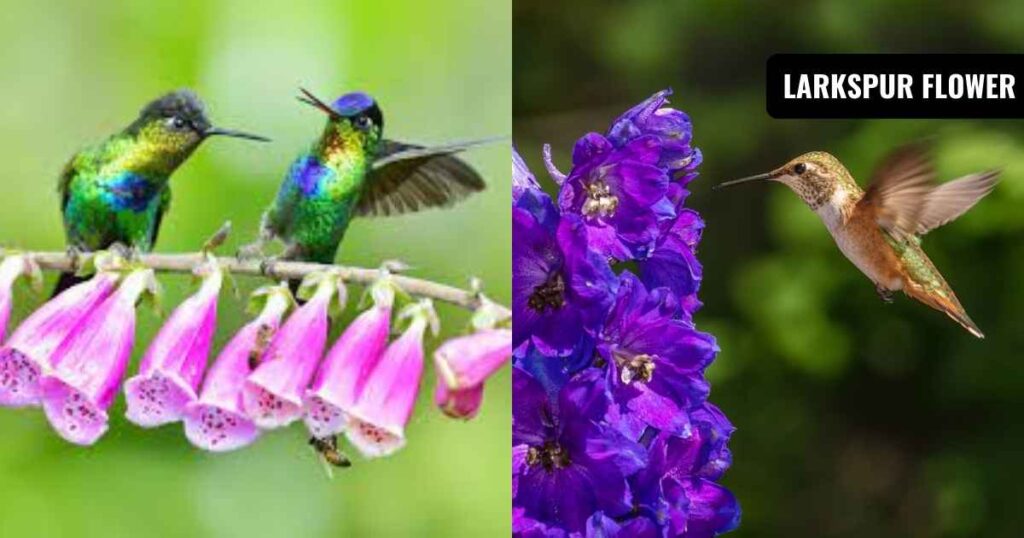
Hummingbirds require safe havens from the elements and potential threats.
Suggested trees and shrubs:
- Cercis canadensis, often known as eastern redbud
- Amelanchier spp., or serviceberry
- Cornus florida, or dogwood
Dense foliage offers a safe refuge and nesting area.
8. Feed in late autumn and early spring.
During these times, many species migrate and require high-energy food.
- Install feeders by mid-March in most places.
- Keep them until October, or later in regions with warmer temperatures.
Both before and after lengthy journeys, this aids birds in refueling.
9. Be Consistent
Because they are habitual, hummingbirds will return year after year to gardens that provide for their needs.
Tips for consistency:
- Regularly refill feeders
- Refresh water features once every seven days.
- Avoid applying pesticides to your garden throughout the year.
10. Record and modify your efforts.
Keep track of what works in your garden by keeping a birdwatching diary.
Documents:
- Dates of first sightings
- Flower-blooming seasons
- Levels of feeder activity
- Bird behaviors
Use this information every year to adjust your planting schedule or garden design.
Conclusion: How to attract hummingbirds
It is enjoyable and healthy for the environment to learn how to attract hummingbirds. Your garden may become a hummingbird refuge if you grow native flowers, provide clean feeders, stay away from chemicals, and give cover. These endearing birds are not only gorgeous, but they also support a robust, pollinator-friendly ecosystem.
These tips help you welcome hummingbirds and take advantage of their stunning presence year after year, whether you live in an urban or rural region.
FAQs: How to Attract Hummingbirds
What attracts hummingbirds the most?
Trumpet vine, cardinal flower, coral honeysuckle, salvia, and bee balm are the attractions for hummingbirds.
Where is the best place to hang a hummingbird feeder?
A hummingbird feeder should be placed there. It is shaded during the hottest hours of the day. This shade will help to preserve nectar.
What is the best liquid to attract hummingbirds?
A mixture of 1 part white cane sugar and four parts water is the best liquid to attract hummingbirds.
What is a hummingbird’s favorite color?
Hummingbirds have a preference for the colors red, orange, yellow, and pink.
What is the favorite food of hummingbirds?
Hummingbirds prefer to eat tiny insects, their larvae, spiders, and insect eggs.
