



If you are new to growing orchids, one of the first questions that pops up is, “How often do you water an orchid?”. Orchids are beautiful, exotic houseplants that grow well in homes all around America, but they have special watering requirements. The main cause of these tropical beauties’ difficulties is overwatering or underwatering.
The key? Striking the ideal balance to replicate their original environment in the jungle. Let’s examine how frequently to water orchids, indicative signals that your plant requires care, and professional maintenance advice to ensure your orchid thrives all year long. For related information click here.
Understanding Orchid Watering Needs
Orchids Are Not Typical Houseplants
Orchids do not grow in ordinary soil, in contrast to many potted plants. Being epiphytes, they develop on trees and use their roots to take in moisture from the atmosphere. Watering an orchid differs from watering your typical indoor plants, such as pothos or peace lilies, because of this.
When learning how often do you water an orchid, remember that these plants prefer humidity and airflow around their roots rather than sitting in a soggy potting mix.
The Right Environment
The majority of American dwellings are drier and colder than tropical rainforests. Therefore, regular yet moderate watering is necessary for indoor orchids. As a general rule,
- In the warm months, once a week
- In colder months, every ten to fourteen days
But potting media (bark or moss), humidity, and temperature all matter.
How Often Do You Water an Orchid (By Type)
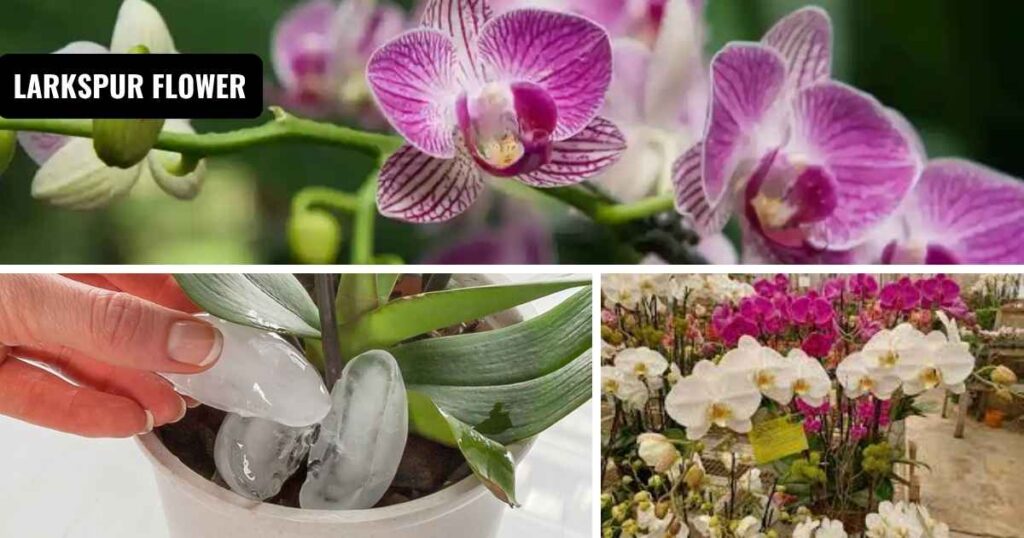
1. Phalaenopsis (Moth Orchid)
The most prevalent orchid in American homes. Water once every seven to ten days, letting the moss or bark nearly dry up before doing so.
2. Dendrobium Orchids
Between waterings, these orchids enjoy somewhat drier circumstances. Make sure there is adequate drainage and water every ten to twelve days.
3. Cattleya Orchids
These orchids, which are well-known for their enormous flowers, thrive when watered every seven days while they are actively growing.
4. Oncidium Orchids
Depending on the humidity level in your house, water once or twice a week. They want circumstances that are damp but not soggy.
Best Watering Techniques for Orchids
Use Room-Temperature Water
The roots may be shocked by cold water, particularly in the winter. For optimal effects, always use water that is room temperature.
The “Soak and Drain” Method
Soaking the potting media and then letting it drain fully is the best method for watering orchids.
- Put your pot of orchids in the sink.
- For 15 to 20 seconds, slowly pour lukewarm water through the pot.
- Before reinstalling, let it drain completely.
This keeps roots from rotting by simulating natural rains.
Avoid Overwatering
When determining how often to water an orchid, novices usually make the error of watering too frequently. Instead of continual wetness, orchid roots require oxygen.
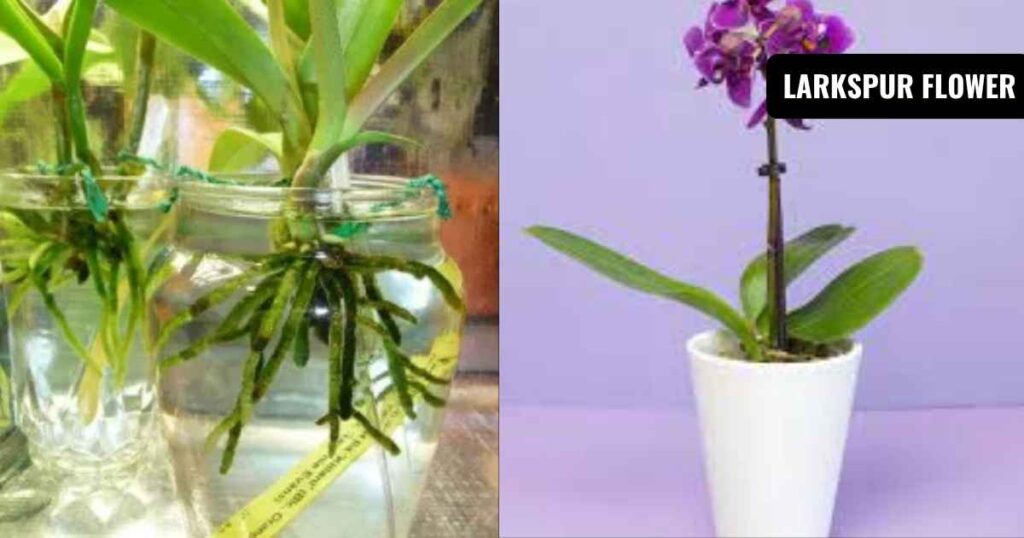
You have overwatered if the roots seem mushy or dark brown. If your plants are dry and silver-gray, they require water.
Seasonal Watering Schedule
Spring: Refresh and Revive
Orchids begin to develop anew in the spring after a sluggish winter period. Maintain a slightly damp potting mix and water every 5-7 days. To increase humidity and promote the formation of new growth, softly water the leaves if the air within seems dry.
Summer: Hydrate and Thrive
Orchids require a little extra care during the hot summer months. Water about every five days since evaporation is accelerated by longer days and hotter temperatures. If the air conditioner in your house dries up, you may also need to water more often.
Fall: Adjust to Cooler Air
Reduce the frequency of watering to once every seven to ten days as fall approaches and the temperature starts to decrease. It is best to keep the soil somewhat wet at this time because orchids naturally slow down their growth. Adapt care to colder indoor temperatures.
Winter: Rest and Restore
Orchids go into a semi-dormant condition throughout the winter. As the plant’s development slows, water it just once every ten to fourteen days. Because indoor heating may quickly dry up the air, keep it wet with a tiny humidifier or humidity tray.
Seasonal variations and the particular conditions of your home have a significant impact on how frequently you should water an orchid. You can maintain the health, vibrancy, and gorgeous blooms of your orchids by modifying your watering schedule throughout the year.
Signs Your Orchid Needs Water
You can avoid issues by being aware of the symptoms of thirst:
- Leaf wrinkles → Underwatering
- Leaf slackness and softness → Overwatering
- Brittle, dry roots → Immediate watering is required
- Thick, green roots → Ideal hydration
Lift your orchid gently to be sure. It is time to water if it seems abnormally dry.
Humidity and Airflow Matter
Humidity is ideal for orchids. For heated winter residences or drier U.S. states, take into account:
- Use a humidity tray, which is a shallow dish filled with water and rocks.
- A little humidifier is running close by.
- Once a day, softly mist the plant.
Proper ventilation inhibits the growth of fungi and replicates the natural environment of the orchid.
Fertilizing Along With Watering
When thinking about how often do you water an orchid, don’t forget to feed your plant too. Every 2-4 weeks, orchids should be treated with a balanced orchid fertilizer (20-20-20) that has been diluted to half strength.
Employ the “weakly, weekly” approach; giving your orchids a small amount throughout your usual watering schedule will keep them robust and in bloom.
Common Watering Mistakes to Avoid
- When letting orchids sit in water, make sure the containers have holes for drainage.
- Using water that has been softened: It includes salts that damage roots. Instead, use distilled water or rainfall.
- Watering according to a set timetable: Every household climate is different, so always check the moisture before watering.
- Ignoring the color of the roots: Healthy orchid roots are silver when dry and green when wet, making them the ideal watering guide!
How Often Do You Water an Orchid in Moss vs Bark
- Bark dries more quickly, water it every 5-7 days.
- Water moss every 10 to 14 days since it holds moisture better.
- Maintaining enough drainage and ventilation requires repotting every 1-2 years.
Conclusion
Mastering how often do you water an orchid takes a little observation, but it’s simple if you know the rhythm of your plant. Use suitable potting soil, keep your orchid in bright, indirect light, and water it only when the roots begin to dry up.
Your orchid will repay you with lush foliage, long-lasting flowers, and that tropical beauty that every American house likes to display if you give it the proper amount of hydration and attention.
FAQs About How Often Do You Water an Orchid
Can I use ice cubes to water my orchid?
Some American growers do, but it’s not ideal. Ice can shock the roots. Room-temperature water is always better.
Should I mist my orchids daily?
If your home is dry, yes, but lightly; too much misting can cause fungal spots on leaves.
How do I know if my orchid is overwatered?
Yellow leaves and mushy roots are the main indicators. Cut back watering and let the plant dry out slightly.
Can I water my orchid from the bottom?
Yes! Place the pot in a shallow tray of water for 10 minutes, then drain. It helps hydrate roots evenly.
How often should I water an orchid after blooming?
After blooms fade, water every 10–14 days as the plant rests. Reduce fertilizer until new growth appears.
