

Introduction
Every homeowner ultimately asks themselves, How much dirt do I need? If they have ever attempted to level their backyard or start a new garden bed. It’s one of those seemingly straightforward issues that can easily become complicated when you consider all the variables at play.
You will have exposed areas if there is insufficient soil. If you take on too much, you will be faced with mountains. The good news? You can determine the precise amount of dirt your project needs without wasting time, effort, or money by doing a few fast calculations and having a basic grasp of soil depth.
To help you order the ideal quantity of soil for your garden, lawn, or landscaping project, let us take a step-by-step look at it.
Understanding Soil Volume
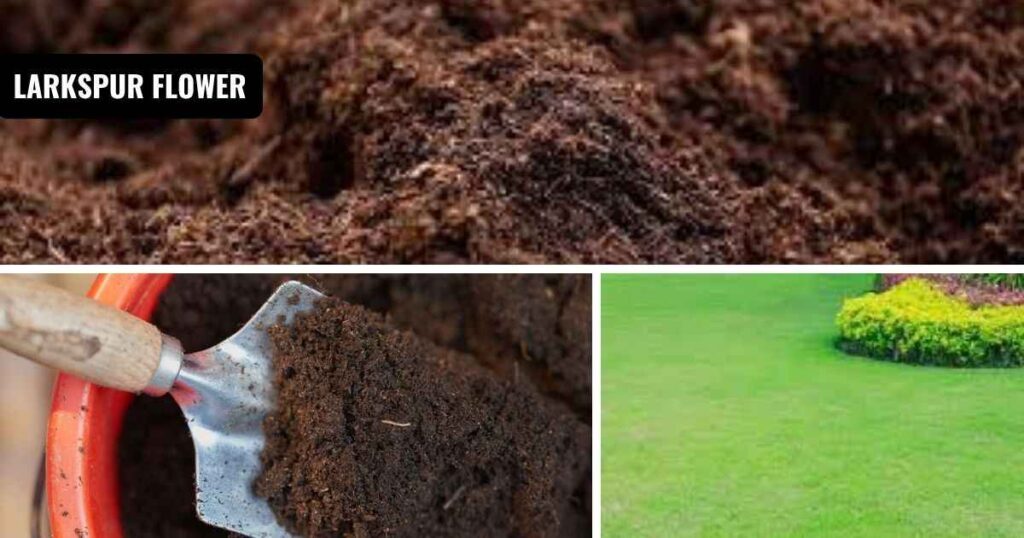
Before you can determine how much dirt do I need, it helps to understand soil volume measurements. Dirt (or topsoil) is usually sold by the cubic yard, and one cubic yard equals 27 cubic feet (3 ft x 3 ft x 3 ft).
Here is a quick reference guide:
Soil Depth Recommendations by Project Type
1. Topdressing for Lawns
Apply one to two inches of dirt to your lawn to revitalize it and improve the health of the turf. Without stifling the lawn that already exists, this thin coating helps level the surface and promote grass growth.
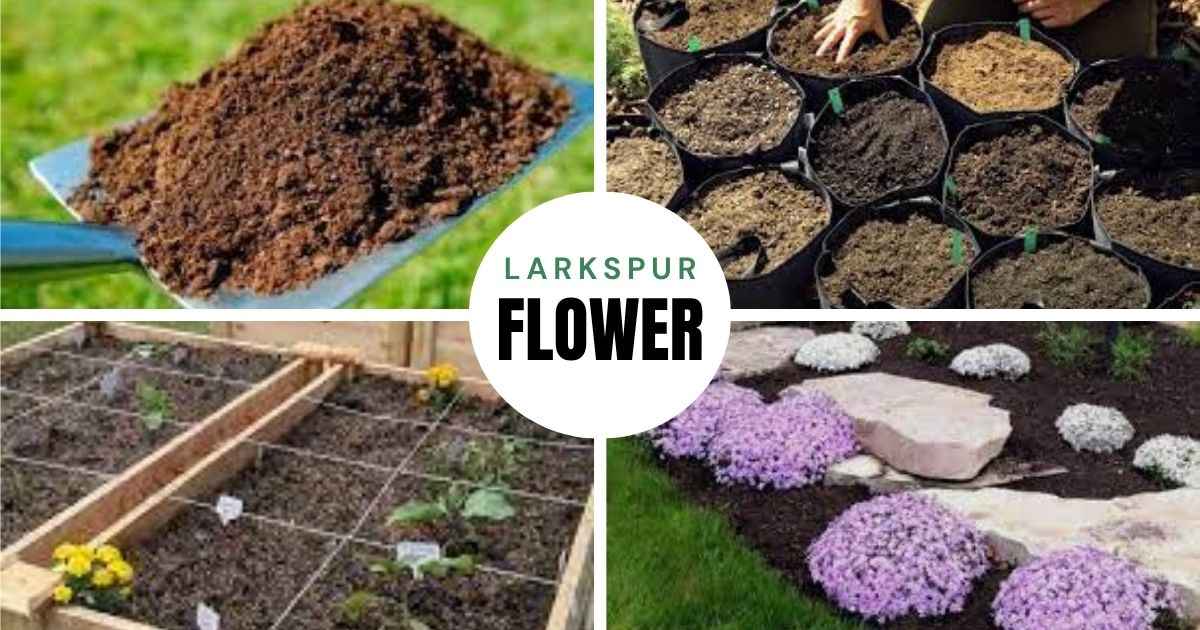
2. Garden Beds on Raised Platforms
Plan for 12 to 18 inches of soil when constructing raised beds. In order to provide enough drainage and nutrient availability, this depth promotes deep root systems for flowers and vegetables.
3. Beds of flowers
8 to 12 inches of soil is ideal for most flowers. It’s sufficient to maintain moisture and give roots stability while permitting enough aeration.
4. Bringing a Yard Up to Level
Two to four inches of dirt is generally sufficient to fill in low areas or create a flat lawn surface.
You can quickly determine how much dirt you need using a straightforward formula if you know the sort of project you’re working on and the depth of the soil.
The Simple Formula: How to Calculate Dirt Volume
When figuring out how much dirt do I need, use this easy formula:
Length (ft) × Width (ft) × Depth (ft) ÷ 27 = Cubic Yards of Dirt Needed
Let us take an example:
Suppose you are building a raised bed that is 10 feet long, 4 feet wide, and 1 foot deep.
Calculation:
10 × 4 × 1 = 40 cubic feet
40 ÷ 27 = 1.48 cubic yards
So, you will need about 1.5 cubic yards of soil for that project.
How Much Dirt Do I Need for Common Projects?
This brief advice will assist you in estimating according to the nature of your project:
1. Beds for gardens
8-12 inches of soil are needed for the majority of garden beds. About 1.2 cubic yards of earth are needed for a 4×8-foot bed that is 1 foot deep.
2. Elevated Planters
Tomatoes, carrots, and other deep-rooted plants do best in soil that is 12 to 18 inches deep. You will need 0.9 cubic yards for a 4×4-foot raised bed that is 1.5 feet deep.
3. Leveling or Repairing the Lawn
Usually, 2-3 inches is sufficient for re-sodding or filling in low areas. 0.62 cubic yards is equal to a 10 × 10 ft space that is 2 inches deep.
4. Borders of flowers
Allow 6 to 8 inches of soil for ornamental gardens surrounding fences or walks. 0.74 cubic yards is equal to a 20 x 2 ft border at a depth of 0.5 ft.
5. Generous Landscaping Spaces
You will probably require many cubic yards for large exterior work, including leveling a backyard. Always take precise measurements to prevent expensive errors.
Use a Soil Calculator as a Pro Tip
You don’t want to do the math? Using an online soil calculator, you can quickly determine how many cubic yards to buy by inputting your measurements and desired depth. Calculators are available for free on the websites of most garden stores and soil suppliers in the United States.
Types of Dirt and Their Uses
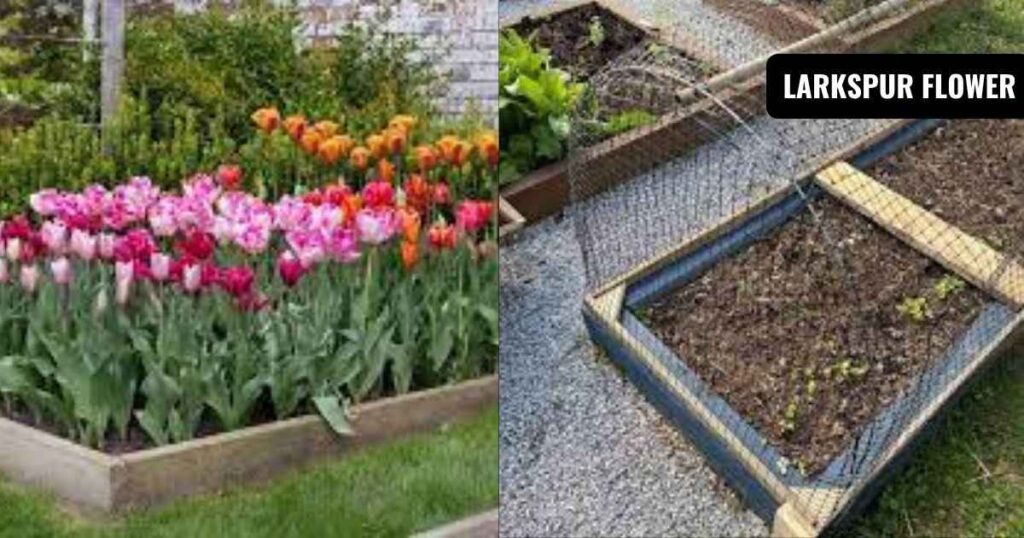
When deciding how much dirt do I need, it is also important to choose the right kind of soil for your project.
1. Topsoil
Ideal for flower beds, lawns, and general landscaping. Abundant in nutrients and organic matter.
2. Fill in the dirt
Though less fertile than topsoil, it is more compacted and used for leveling and building.
3. Mixture for Potting
It is lightweight, drains well, and is ideal for raised beds and container gardening.
4. Soil Enriched with Compost
Perfect for vegetable gardens, it naturally increases plant growth and nutritional levels.
Understanding the sort of soil you have can help you place more intelligent orders and guarantee greater plant performance.
How to Get Your Dirt
Once you know how much dirt do I need, the next step is getting it to your site.
Bulk Delivery
If your project requires more than 1 cubic yard, ordering in bulk is cheaper. Delivery trucks can drop it right on your driveway or garden area.
Bagged Soil
For small projects, bagged soil is convenient. Each standard bag contains about 0.75 cubic feet.
To convert cubic yards to bags:
- 1 cubic yard = 27 cubic feet
- 27 ÷ 0.75 = 36 bags per cubic yard
So, if your project needs 2 cubic yards, you will need roughly 72 bags.
Weather and Timing Tips
When planning how much dirt do I need, consider your region’s climate.
- In most parts of the United States, the optimal seasons for soil work are spring and early fall.
- Soil compacts and drains badly, so avoid adding it when it’s cold or raining a lot.
- Water your soil before distributing in arid regions, such as the Southwest, to minimize dust and facilitate leveling.
Extra Tips for Success
1. Always order once, measure twice.
Big shocks can result from little errors in judgment.
2. Place an additional 10% order.
Over time, soil settles, particularly after rain or irrigation.
3. Examine the quality of the soil.
Make sure the soil is clean and devoid of pollutants or trash if you are purchasing in bulk.
4. Combine the compost.
A few inches of compost can be blended to increase fertility and texture.
Conclusion
Knowing how much dirt do I need can transform your landscaping from guesswork into a smooth, successful project. Knowing the volume, kind, and depth of your soil can help you make wise decisions and create robust plants, whether you are leveling your yard, growing flowers, or constructing raised beds.
You will have just the proper quantity of dirt, not too much, not too little, and your garden will repay you with lush, robust growth all season long if you use a tape measure, do a little arithmetic, and plan a bit.
FAQs About How Much Dirt Do I Need
Is one cubic yard of dirt enough for a small garden?
It depends on the bed’s size and depth. A 4×8 ft bed at 12 inches deep needs about 1.2 cubic yards.
How many wheelbarrows are in a cubic yard of dirt?
Typically, about 14-15 wheelbarrow loads (for standard 2-cu-ft wheelbarrows).
How much does a cubic yard of dirt weigh?
A cubic yard of topsoil weighs around 2,000 pounds (1 ton) when moist.
How can I save money when buying dirt?
Compare local landscape suppliers, buy in bulk, and ask about delivery discounts.
Can I reuse old garden soil?
Yes, if it is healthy. Just refresh it with compost and organic fertilizer.
