


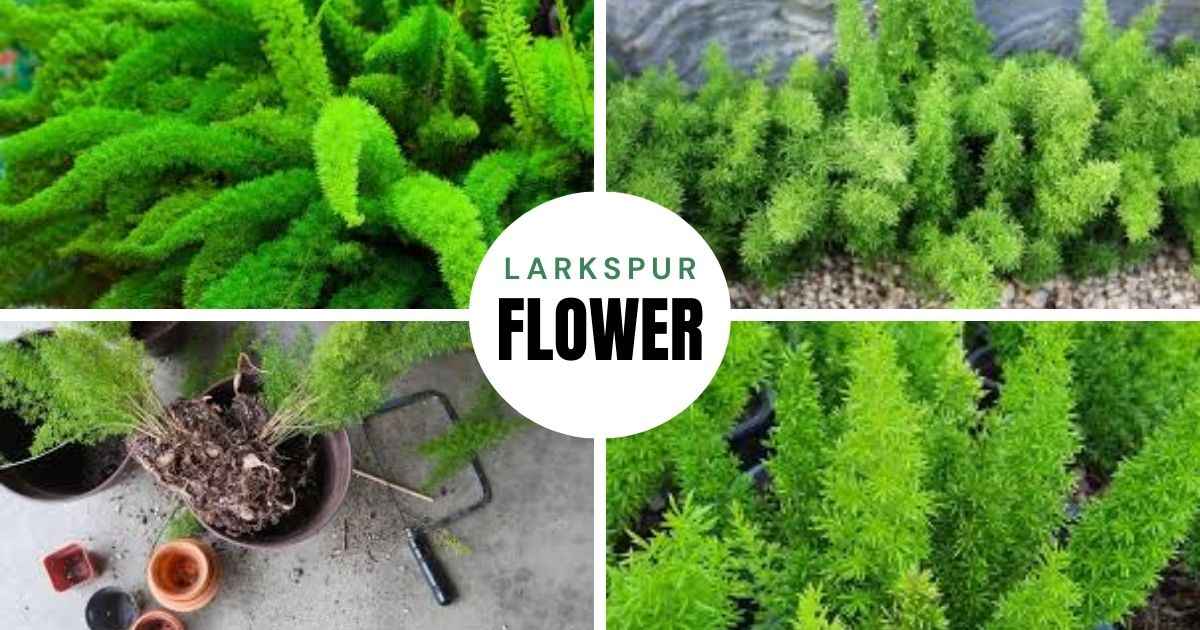
Introduction
A stunner of an ornamental plant, the foxtail fern is considered invasive in certain states and loved for its soft plume-style fronds. Whether you are looking for a plant for sale to add to your garden or whether you’d like to know if a foxtail-fern indoors is possible and how, these plants can be beautiful additions to many types of landscapes or homes.
Foxtail-fern is misleadingly named; it isn’t a fern at all. It’s a tough, evergreen perennial that can bring texture, greenery, and elegance to your garden all year long. In this article, you will know everything there is to know about foxtail fern care, where they thrive best, growing zones, winter protection, possible safety concerns, and so much more, plus some hands-on tips for newbies and for pros as well.
Name and Plant Summary
The foxtail fern botanical name is Asparagus densiflorus ‘Myersii’. It’s a member of the asparagus family, not the fern family. This plant native to southern Africa is beloved for its “fox tail,” which consists of straight, fuzzy stems.
Key features:
- Evergreen perennial
- Dense, arching green plumes
- Outstanding for borders, containers, and indoor decorations
- Long lifespan with minimal care
Foxtail Fern Zone And Climate Needs
It is key to know the zone and region for the foxtail-fern to thrive. These do best in USDA zones 9-11, where winters are mild. They are often grown in containers and overwintered in frost-free conditions.
- Heat-tolerant: Yes
- Frost-tolerant: No
Ideal climate: Subtropical to tropical; warm, moist areas are best.
Garden enthusiasts who are outside of these zones can still have the pleasure of a sidewall planter by treating this as a seasonal outdoor plant or houseplant.
Foxtail-Ferns Care: How To Make Them Thrive
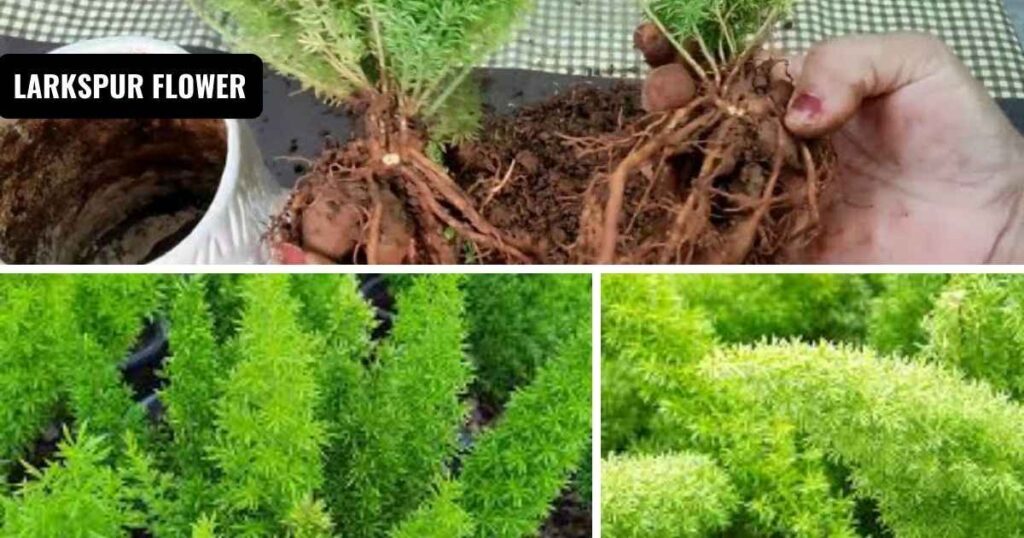
Foxtail fern care is such an easy task, making it perfect for the on-the-go gardener.
Light Requirements
Foxtail ferns like bright, indirect light. Partial shade is best outside, especially in hot climates. Excess direct sun may scorch the foliage.
Soil
Plant it in rich organic soil that drains well. A mix that is sandy or loamy is the best.
Watering
- Keep watered during the growing season.
- Keep the top 1” of soil dry before watering.
- Prevent root rot by avoiding soggy soil.
Fertilizing
- Feed once a month during the growing season, April to August , with a balanced liquid fertiliser. Feed less in the fall, winter, and under snow.
Taking care of your Foxtail Fern in the Winter
When you live outside toasty zones, understanding how to take care of foxtail in the winter is crucial.
- As frost nears, bring container plants inside
- Position in a sunny location outdoors; keep away from cool drafts
- Cut back on watering, but don’t allow the soil to dry out completely
Avoid fertilizing during dormancy.
Being attentive to the houseplant during winter helps it survive and emerge stronger in spring.
Indoors Plant: A Good Houseplant?
Yes, the foxtail fern inside does really well , too. Its small size, interesting shape, and ability to thrive indoors make it a popular houseplant.
Indoor care tips:
- Bright, indirect sunlight
- Moderate humidity
- Occasional misting for healthy foliage
- Turn the pot for even development.
This plant ferns make great houseplants with the proper care, and can be grown indoors throughout the year.
Seeds and Propagation
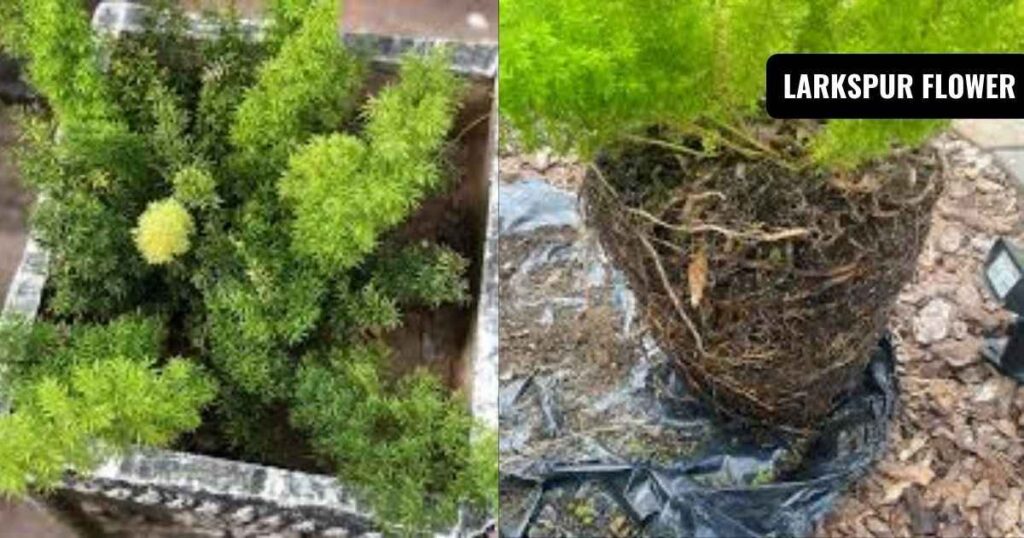
Foxtail create red berries, which hold foxtail fern seeds. While seeds can be propagated, they do so slowly and with less certainty.
Best propagation method:
Splitting: Splitting is carried out in the spring on mature specimens
Division is quick and easier, and helps keep new plants healthy.
Is The Foxtail Fern Toxic For People and Pets?
If infected by sap humans your skin may become mildly aggravated.
Pets: Poisonous if eaten, in particular berries
Keep plants away from children and pets to prevent potential problems.
Why Gardeners Love Foxtail Fern
- Low-maintenance and drought-tolerant once established
- Evergreen beauty year-round
- Ideal for patio pots, borders, and inside, add a touch of style to your home.
- Accent plants for modern landscaping.
When you stumble across a foxtail fern for sale at a nursery or online store, consider investing in one for your outdoor or indoor space.
Conclusion
The foxtail fern is a gorgeous, versatile plant that adds color and texture to any garden, container, or indoor space. With good foxtail fern care including climate and winter protection, this plant offers growers lush foliage and all season interest.
Whether you are regenerating from division, keeping it alive during the winter months, or selecting a foxtail fern indoors, this graceful plant can be a beautiful and dependable addition to your ever-growing collection of plants.
FAQs
Do foxtail ferns want sun or shade?
Foxtail ferns like partial shade or bright indirect light. Leaves can get burnt from too much direct sunlight.
What is the height of a foxtail fern?
They generally reach a height of 2-3 feet, and spread about the same.
Do foxtail ferns come back year after year?
Yes, they are perennials in warm climates and come back every year. They will in colder regions need to be overwintered indoors.
Will a foxtail fern grow indoors?
Absolutely. Foxtail ferns do well as house plants with proper watering and enough light.
