

Introduction
Seeds of coneflowers are favorites among gardeners for their beauty, hardiness, and appeal. Coneflowers (Echinacea) are recognizable plants with daisy-like flowers and tall centers that grow well in different climates and across various soil types. Coneflowers are cost-effective and satisfying to grow from seed, and suitable for all levels of gardeners, whether you’re a complete beginner or a champion seed-sower. If you are also collecting coneflower seeds from flower heads or are thinking of buying coneflower-seeds, knowing how to plant and care for them is a surefire way to be successful. Click here for more information.
This post details everything you need to know about coneflower-seeds, including what they look like, how to harvest them, how to plant them, and how long it takes for them to germinate.
What Are Coneflower Seeds?
Echinacea seeds are produced in the dried flower heads left on the plant at the end of blooming. They make vigorous perennial plants that come back year after year. Well-known species include purple coneflower seeds, which are highly sought after for their medicinal and decorative properties.
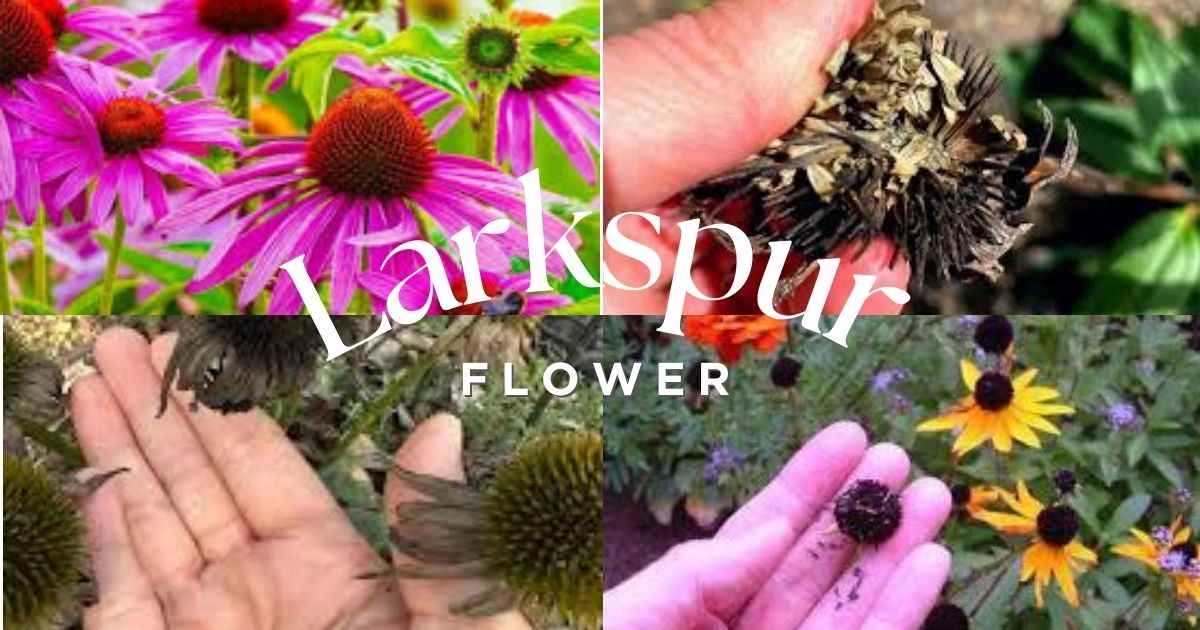
If you have never saved coneflower-seeds, you may find yourself wondering what coneflower-seeds look like. They are small, enclosed, dark brown to black, not or slightly elongated, and hard. Mature seeds can be recognized as soon as the flower head is dehydrated.
What Do Echinacea Seeds Look Like? How to Tell Mature Seeds from Unripe Ones
Knowing what coneflower seeds look like ensures the successful planting of this perennial flower. Mature seeds are:
- Dark-colored (brown or black)
- Narrow and pointed at one end
- Firm, not soft or green
The immature seed is pale and will not grow well. Always wait to collect seeds until the entire flower head has dried on the plant.
Coneflower Seeds: How To Harvest Them The Right Way
Best Time to Harvest
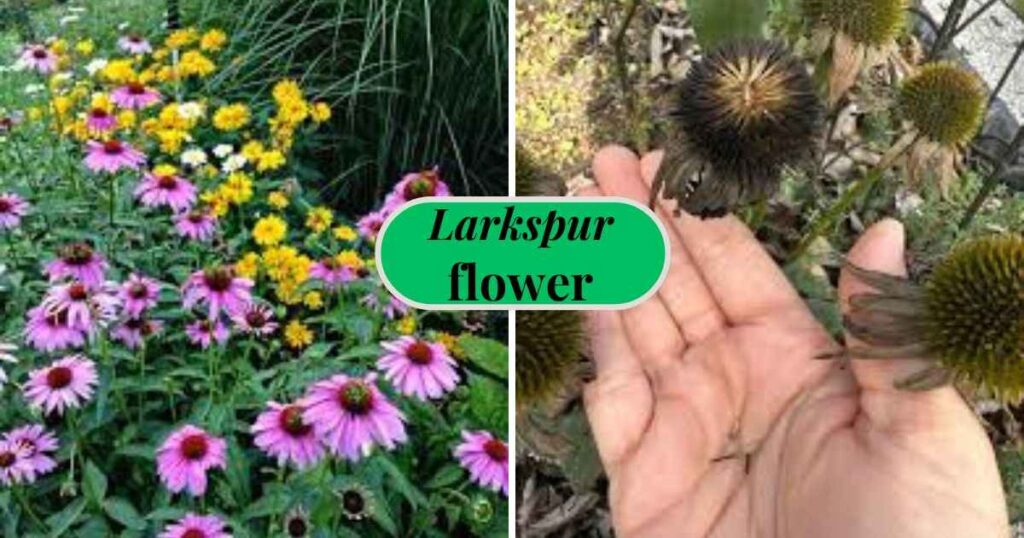
The process of coneflower seed collection begins with timing. Seeds ripen in late summer, after the petals have fallen and the cone has become dry and bristly.
Step-by-Step Collection
- Snip the dried flower head from the plant
- Put it in a brown paper bag to let any remaining moisture evaporate for 7-10 days.
- Disassemble the cone to get out the seeds
- Clear away the rubbish and store it in a cool, dry place.
When you save coneflower seeds directly from the flower heads, your plants will be adapted to your area’s climate.
Coneflower Seeds: Planting Tips for Success
Soil and Location
Seedling: How to plant coneflower-seeds. Knowing how to plant coneflower-seeds also increases germination rates. Select a sunny site with good drainage. They don’t like being overly wet.
Planting Methods
There are two ways you can sow coneflower seeds:
Sow as / Plant Spread Direct sow- Scatter compost over them to hide them better in the soil- 20 cm Sow Seeds / Thin/ Row -Row Width min.
Start Indoors: 6-8 weeks before last frost.
Press the seeds into the soil surface and do not cover them with extra soil.
Coneflower Seeds Germination
Germination Requirements
Coneflower germination:
- 14-21 days at 68 F.
- Seed can be drenched with GA-3 to improve germination time.
Many varieties will respond well to cold stratification that mimics winter conditions.
Germination Time
The seeds of cone flowers typically take 10 to 20 days to germinate once sown. First of all, your outdoor-started seeds will often sprout naturally in the spring. Still, if it’s not possible to grow outdoors, seeds you started indoors always germinate faster when they are led through their life cycle under controlled growing conditions.
Have patience-some seeds can be slower, particularly with no stratification.
Growing Purple Coneflower Seeds Successfully
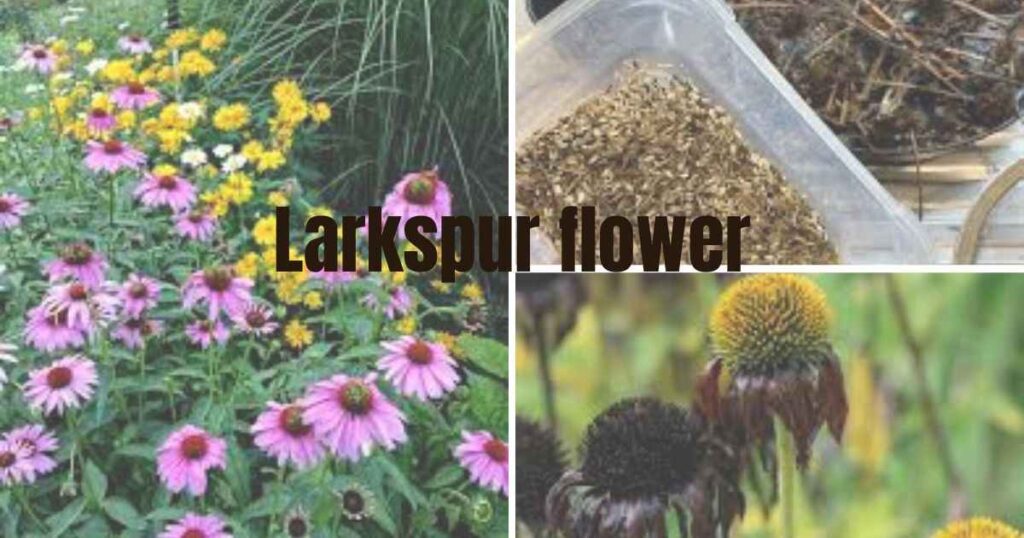
Purple coneflower seeds are among the best varieties due to their beautiful flowers, which attract butterflies and insects, and their resistance to pests. Once mature, they are drought-tolerant and attractive to bees, butterflies, and birds.
Coneflowers grown from seed often don’t bloom profusely in their first year, but they establish strong root systems and explode with blossoms the following season.
Purchasing Coneflower Seeds: What to Look For
If you’d rather not save your own seeds, there are plenty of coneflower-seeds for sale online and in garden centers. When purchasing seeds:
- Choose reputable sellers
- Test seed viability and expiration dates
- Look for untreated, non-GMO seeds
Purchasing high-quality seeds increases your chances of germination and, in turn, plant health.
Common Mistakes to Avoid
- Planting seeds too deeply
- Overwatering during germination
- Using heavy, compacted soil
- Harvesting seeds too early
By avoiding these blunders, you can be sure of growing healthy plants from your coneflower seeds.
Conclusion
Seeds of coneflowers are an economical and simple means to a dramatic, long succession of colorful blooms in just about any garden. No matter whether you are wondering when to collect coneflower seeds, how long coneflower-seeds take to germinate, or even which kind of Echinacea Purpurea seeds to plant, your success lies in basic timing and ease. So easily, coneflower-seeds give gardeners a return every year in the form of vigorous plants that add beauty and attract pollinators to your landscape.
FAQs About Coneflower Seeds
Are coneflowers difficult to grow from seed?
No, coneflowers are fast and easy from seed and great for beginners. Coneflower-seeds germinate consistently when properly planted and when you are patient.
What is the best time to plant coneflower seeds?
Plant coneflower seeds in early spring or fall. Plant in fall for natural cold stratification.
Can you just throw coneflower seeds around?
Yes, you can simply sow coneflower seeds on the ground, particularly in the fall. Keep them lightly pressed into the soil for best results.
Can you collect seeds from coneflower?
Absolutely. Collecting coneflower seeds is easy and inexpensive after the blooms have dried.
