


Introduction
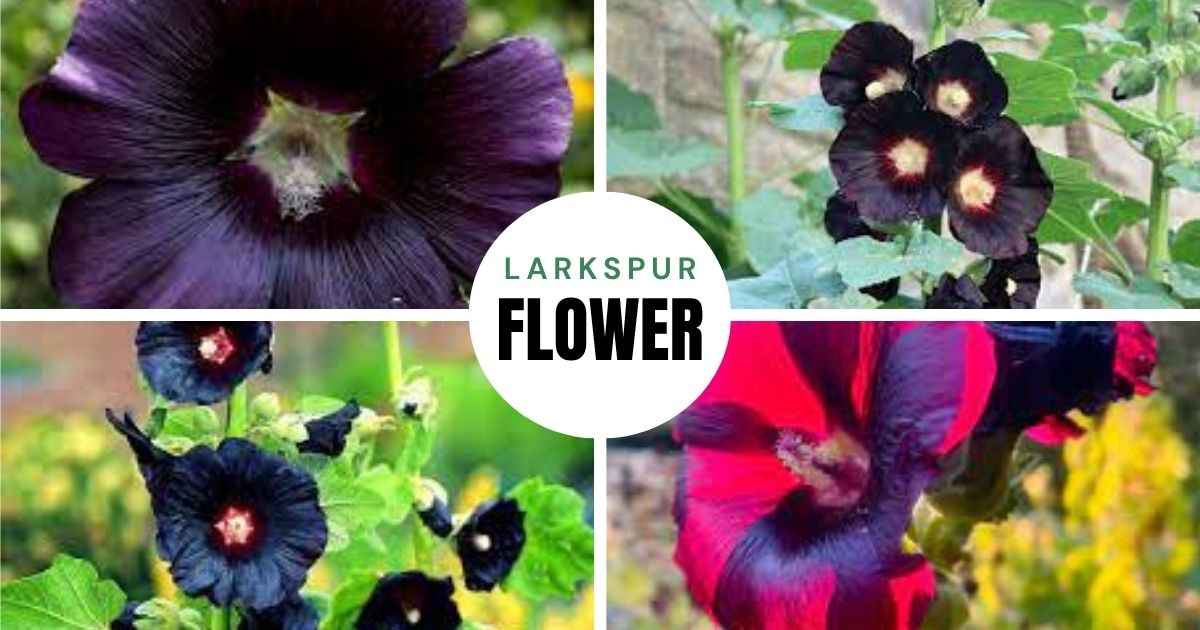
If you have ever desired a flower that makes people pause, the black hollyhock might be the next big thing in your garden. Its velvety, almost black petals and over six-foot-tall stalks make this flower more than simply striking, it’s captivating.
Because of its old-world charm and gothic grace, black hollyhocks have become popular among gardeners across the United States. This eye-catching bloom instantly adds depth and intrigue to any design, whether it’s a contemporary backyard hideaway or a charming country garden.
In order to make your garden the talk of the neighborhood, let’s examine how to cultivate, maintain, and design using black hollyhocks.
Black Hollyhock: The Vibrant Beauty Your Garden Needs
What Is Black Hollyhock Flower?
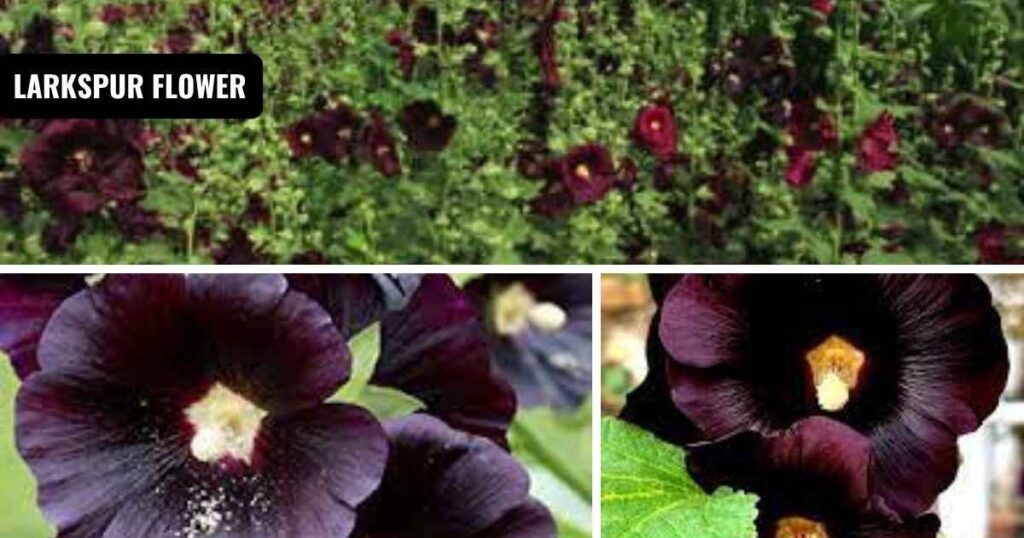
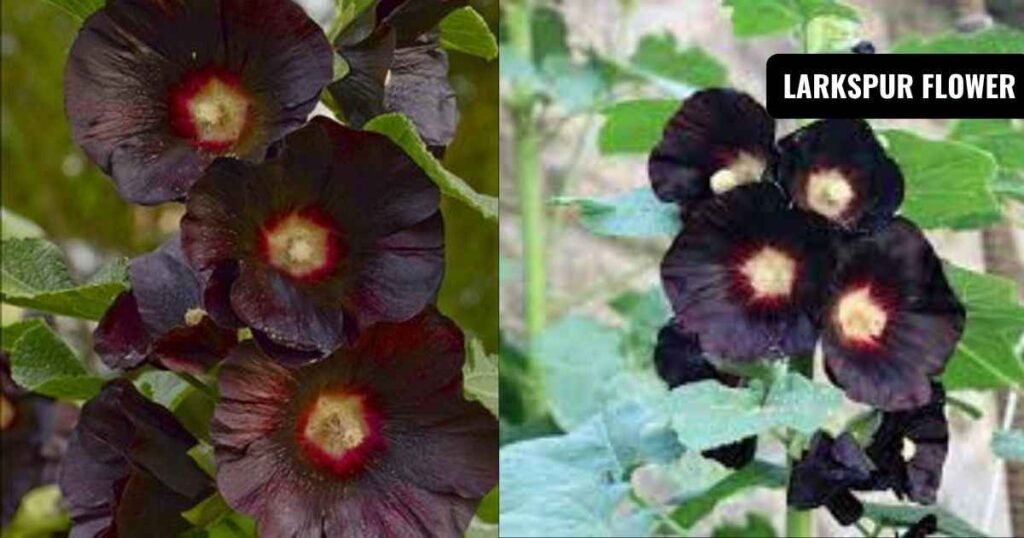
The Malvaceae family includes the short-lived perennial or biennial black hollyhock (Alcea rosea ‘Nigra’). The blossoms are a rich, velvety maroon so dark that they look black in certain light, despite the name suggesting real black flowers.
A perennial favorite in American cottage gardens, hollyhocks are native to Asia and Europe. But the black version offers something very distinct, a striking contrast to the green leaves and pastel blossoms.
Victorian gardeners were drawn to its eye-catching look and adored its dramatic flair against white picket fences and in summer borders.
Why Hollyhocks Deserve a Spot in Your Garden
Hollyhock adds drama and refinement to your landscape that few other plants can equal, so it’s not just about color.
This is why they are unique:
Unrivaled Visual Appeal: The dark, velvety petals contrast with brighter backgrounds and flowers.
- Tall and Graceful Growth: They are ideal backdrop plants in flower gardens, growing up to 6 to 8 feet tall.
- Pollinator Friendly: Their nectar-rich blooms attract hummingbirds, bees, and butterflies.
- Easy to Grow: They thrive in the majority of American soil types and temperatures.
- Historical and Symbolic: Black hollyhocks are a sign of mystery, power, and timeless beauty in mythology, making them ideal for gardeners who enjoy plants with a backstory.
How to Grow Black Hollyhock from Seeds
Growing black hollyhocks is easy, but timing and placement matter. Follow these simple steps for best results.
1. Pick the Proper Site
Black hollyhocks should be planted in well-draining soil in a sunny or partially shady area. They can withstand little shade, but full light promotes longer stalks and more flowers.
2. Get the Soil Ready
To increase fertility, amend your soil with old manure or compost. Rich, loamy soil that is damp but not waterlogged is ideal for these blooms.
3. Sowing the Seeds
Hollyhock seeds can be sown directly outdoors following the last frost or started indoors in the early spring.
- Depth: ¼ inch
- Spacing: 18 to 24 inches apart is the spacing.
- Time Frame for Germination: 10-14 days
4. Watering
Until the seedlings are established, keep the soil continuously wet. Once fully grown, give it a thorough weekly watering, particularly during dry times.
5. Requirements for Sunlight
Six to eight hours of sunshine each day are ideal for black hollyhocks. Taller, weaker stems and fewer blooms might result from excessive shade.
Caring for Black Hollyhock Plants
Hollyhocks are generally low-maintenance, but they do appreciate some attention to keep them blooming beautifully year after year.
Applying fertilizer
In the early spring, treat your plants using a balanced fertilizer (10-10-10). Steer clear of overfertilizing, since this may lead to more leaves and fewer blooms.
Mulching
Cover the base with a 2-3 inch layer of mulch to keep moisture in and keep weeds out. During hot summers, this also helps shield the shallow root system.
Staking
Black hollyhocks may require staking due to their height, particularly in windy regions. To keep the stems erect, lightly tie them with garden twine.
Deadheading
To promote additional blossoms and stop undesired self-seeding, remove wilted blooms. Leave some seed pods to develop, though, if you wish them to reseed on their own.
Pests and Diseases
Black hollyhocks can be prone to rust, a common fungal disease that causes orange or brown spots on the leaves.
How to Prevent and Treat Rust:
- Plants should be spaced for optimal air circulation.
- Don’t water from above.
- Eliminate contaminated leaves right away.
- If necessary, use an organic fungicide.
Sometimes other pests like Japanese beetles or aphids will show up. They may generally be kept under control with a light mist of neem oil or soapy water.
Design Ideas with Black Hollyhocks
Black hollyhocks add elegance and contrast wherever they are planted. Here are a few creative ideas:
1. Cottage Garden Charm
Pair them with foxgloves, delphiniums, daisies, or lavender for a layered, classic cottage look. Their dark blooms make lighter colors pop dramatically.
2. Modern Minimalist Border
For a sleek, contemporary look, combine black hollyhocks with silver-foliaged plants like lamb’s ear or dusty miller. The result is simple, striking, and stylish.
3. Vintage Fence Line
Nothing says nostalgia like hollyhocks growing along an old white fence. It’s an iconic American image, and for good reason.
4. Pollinator Paradise
Plant near bee balm or echinacea to attract bees and butterflies. The contrast of color and form is irresistible to pollinators.
Harvesting and Saving Seeds
You can pick seeds for the next season once the blossoms have faded. After letting the flower pods dry on the stem, carefully remove them and place them in a paper envelope in a dry, cold location.
Black hollyhocks are easy to self-seed, so even if you forget, you will probably see fresh growth the following spring.
Conclusion
Beyond simply being a flower, the black hollyhock is a symbol of grace, power, and beauty. These flowers transform common gardens into enthralling havens, making them ideal for American gardeners seeking something striking but elegant.
Black hollyhocks will provide intrigue, charm, and enduring color whether you plant them along a fence, as a cottage border, or as a dark accent amid pastels.
This season, why not add a little drama to your garden? The black hollyhock is poised to take center stage as it waits to blossom.
FAQs About Black Hollyhock
Are black hollyhocks annuals or perennials?
They are biennials, meaning they grow leaves the first year and bloom the second. With proper care, they often reseed and return for years.
Can black hollyhocks grow in pots?
Yes! Use deep containers with rich soil and good drainage. Just remember, they are tall, so provide support.
Do black hollyhocks attract bees?
Absolutely! They’re pollinator magnets, loved by bees, butterflies, and hummingbirds.
How tall do black hollyhocks grow?
They can reach 6 to 8 feet tall, creating a bold vertical accent in your landscape.Are black hollyhocks deer-resistant?
Somewhat, deer tend to avoid them, though no plant is 100% safe in hungry seasons.
