

Introduction
If you are a warm-climate gardening enthusiast residing in South Florida, coastal California, southern Texas, Hawaii, the desert fringes of Arizona and Nevada, or southern coastal Louisiana, you have most likely encountered this frustrating predicament: you order a desired ornamental shrub from an online gardening platform, plant it, and care for it with great caution, only to watch the entire plant wilt and turn black after a short period. When you trace the root cause, you will often find that the variety is not suitable for your local climate. Choosing the right zone 10 shrubs for your region is essential to avoid these failures and ensure healthy, long-lasting growth.
What Is USDA Zone 10?
To help you establish a scientific plant-selection logic, we first need to clarify the core classification standards of the Plant Hardiness Zone Map released by the U.S. Department of Agriculture. The official definition of Zone 10 refers to regions where the minimum winter temperature ranges from 30°F to 40°F (i.e., -1°C to 4°C). However, many new gardeners often overlook that the geographic and climatic differences within Zone 10 are significant.
Selecting plants based only on the broad, large-region classification is far from sufficient; you must adjust your variety choices to match the local microclimate of your own yard, which is the core plant-selection principle that will run through this entire guide.
We reviewed all the leading Zone 10 shrub planting guides are currently available on the market. and found they universally omit five core pieces of practical information: variety, adaptation descriptions without sub-regional breakdowns; use-case classification guidelines sorted by scenario; location-specific soil, water, and fertilizer requirements tailored to local conditions; invasive species risk warnings; and seasonal planting calendars aligned with the region’s climate. This guide, built exclusively for Zone 10 gardeners, will fill these gaps. Moving forward, we will release dedicated shrub recommendation lists sorted by use scenario.
The Best Zone 10 Shrubs by Use Case
Best Zone 10 Shrubs for Flowering Color
The first flowering shrub we will introduce in detail is the tropical hibiscus (Hibiscus rosa-sinensis). First, we introduce three suitable shrubs for homeowners with general ornamental landscaping needs:
Hibiscus (Hibiscus rosa-sinensis)
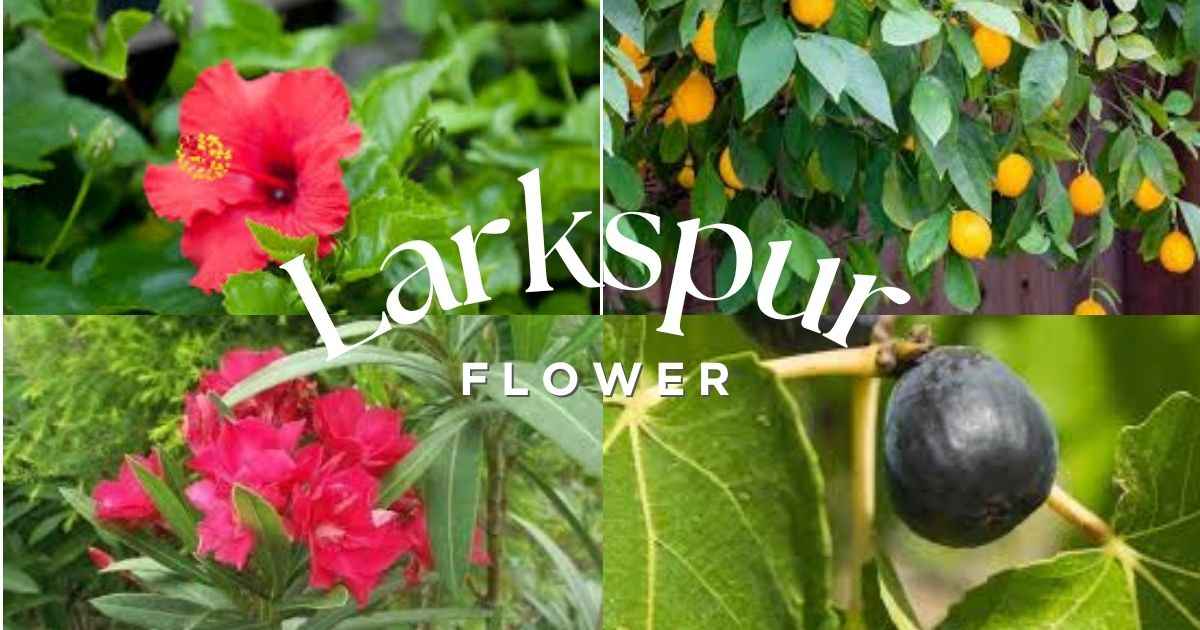
The first is Hibiscus, which can grow to 15–20 feet tall without pruning. It blooms continuously under the warm climate of Zone 10. Its flowers are as large as dinner plates, and multi-color and multi-hued cultivars are available. It tolerates moderate salinity and alkalinity, making it suitable for yards in coastal Florida and California, but it cannot be planted in unirrigated, windy, low-humidity desert areas.
Bougainvillea (Bougainvillea spp.)
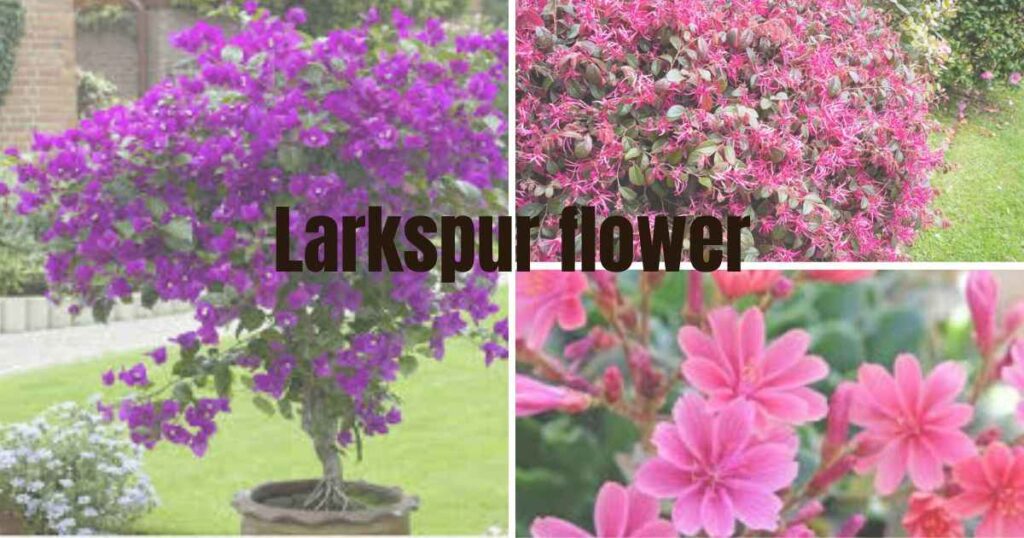
The second is the iconic Zone 10 shrub Bougainvillea spp. After establishment, it tolerates low-intensity maintenance. The colorful ornamental bracts, often mistaken for petals, are actually modified leaves. It thrives in heat and drought, while waterlogging will drastically reduce its flower yield. It is suitable for coastal California, Arizona, and southern Texas. It is important to note that this species poses an invasion risk in some regions, so you must consult your local agricultural extension office before planting.
Plumbago (Plumbago auriculata)
The third is the often overlooked Plumbago auriculata. It has an extremely long flowering period, continuously producing clusters of blue or white flowers. Both its height and canopy spread reach 3–6 feet. After establishment, it is drought-tolerant and attracts large numbers of butterflies. Its neat growth habit fits formal flower beds or mixed flower borders, and it can be planted anywhere in Zone 10, making it especially suitable for Florida and Texas; it requires full sun to maintain stable flower production.
Best Zone 10 Shrubs for Privacy Hedges
If your core need is to build a privacy green screen, three purpose-suited shrubs are available.
Green Buttonwood (Conocarpus erectus)
Conocarpus erectus grows quickly, tolerates salt spray and waterlogging, can adapt to heavy clay soil, and requires full sun. It can be pruned into a hedge or grow naturally into a 40-foot-tall small tree, making it suitable for southern Florida and the Gulf Coast, where it can quickly form a privacy barrier.
Small Leaf Clusia (Clusia guttifera)
Clusia guttifera is a dense evergreen cultivar, growing approximately 2 feet per year, and tolerates low-intensity maintenance. Its thick waxy leaves form an almost impenetrable visual barrier. After establishment, it is drought-tolerant and suffers from few pest or disease problems. It is suitable for southern Florida and Hawaii, with a mature height of 15–20 feet.
Oleander (Nerium oleander)
Nerium oleander is a common heat- and drought-tolerant species across the U.S. Sun Belt. It blooms continuously through
the warm season, producing multi-colored flowers in white, pink, red, and yellow, and can be pruned into a shrub or trained into a small tree. If you live in California, Arizona, Texas, or Nevada, which fall under USDA Plant Hardiness Zone 10 in the United States, and want to build a low-fuss, practical yard, this locally adapted shrub list will help you select suitable plants quickly.
Important Note:
First, we will introduce a variety with extremely strong adaptability but notable safety risks: oleander (Nerium oleander). It can withstand high desert temperatures, strong coastal winds, and poor soil, with excellent drought tolerance. However, the entire plant is highly toxic to humans, pets, and livestock, so you must take extra care if you have children or small animals at home.
Best Fruit-Bearing Zone 10 Shrubs
Zone 10’s long, warm growing season is well-suited to edible landscaping. These shrubs add both ornamental value to your yard and harvest value for your kitchen:
Meyer Lemon (Citrus × meyeri)
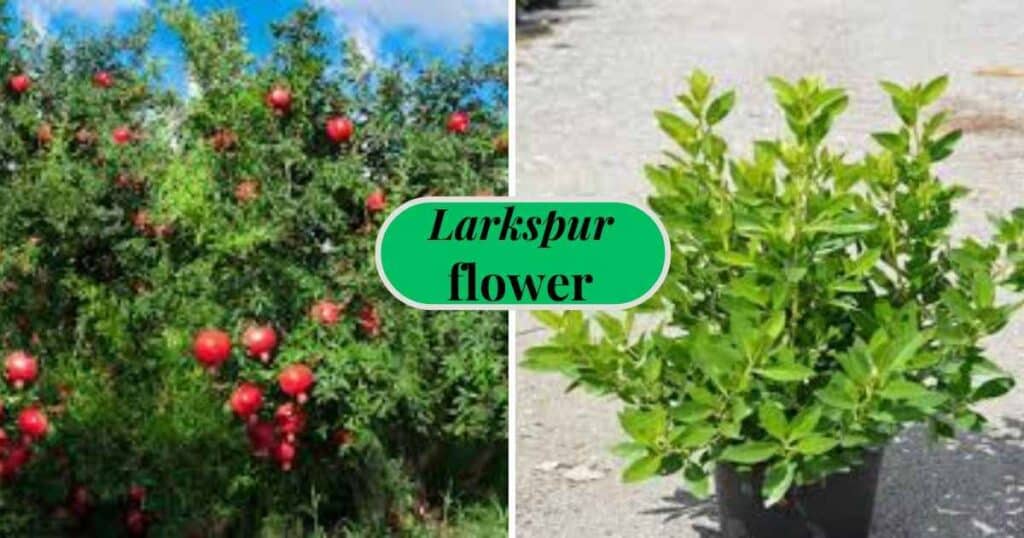
Meyer lemon (Citrus × meyeri), a large shrub/small tree, is a popular choice for U.S. home gardening. In Zone 10, it bears fragrant white flowers almost year-round. Its fruit is sweeter and has thinner skin than common lemons. It must be planted in well-draining soil, with consistent water access and full sun.
Pomegranate (Punica granatum)
Pomegranate (Punica granatum) is a top-tier drought-tolerant shrub for Zone 10. Once established, it needs only minimal water to withstand extreme high temperatures, produces bright orange-red blooms, and produces fruit from late summer to fall. There are also non-fruiting ornamental varieties of this species.
Fig (Ficus carica)
The common fig is extremely easy to maintain, gives best results in well-draining soil and full sun, and can produce two crops per year in Zone 10: an early summer first crop and a main fall crop.
Best Zone 10 Shrubs for Low Maintenance
For gardening enthusiasts who do not want to spend excessive time and effort caring for
their yard, these shrubs are attractive, hardy, and nearly self-sustaining:
Bird of Paradise (Strelitzia reginae)
bird of paradise (Strelitzia reginae) is widely recognized, with its
orange-and-blue flowers resembling birds perched on tall stems. It tolerates heat, drought, and coastal conditions, can live for decades after planting, and requires almost no upkeep.
Loropetalum (Loropetalum chinense)
The Chinese fringe flower grows burgundy-purple foliage year-round and produces threadlike pink or white flowers. It is evergreen, pest-resistant, and can grow in both outdoor and indoor conditions, making it ideal for hedges or foundation plantings.
Rosemary (Salvia rosmarinus)
It is extremely versatile, with drought tolerance, deer resistance, a cooking-friendly aroma, and small blue flowers that attract pollinators. In Zone 10, it can grow into a large woody shrub several feet in diameter, requiring only light pruning.
Abelia (Abelia × grandiflora)
Glossy abelia (Abelia × grandiflora) has rich, varied leaf colors and produces fragrant tubular flowers continuously from spring to fall. It grows to a wide range of soil pH levels from 5.0 to 8.0 and remains evergreen in Zones 9 and 10.
Zone 10 Shrub Care: What You Actually Need to Know
.
Soil must be amended in advance to a suitable pH range of 6.0–7.0; the optimal planting windows are the fall months of October to November each year and the late winter to early spring period of February to March. Planting in mid-summer in inland areas of Arizona and California must be avoided.
Watering
During the transplant establishment period, water shrubs 2–3 times per week; roots require 6–12 months to establish fully, and routine fertilization uses a slow-release fertilizer with a 10-10-10 nutrient ratio.
Best Fast-Growing Zone 10 Shrubs To Use For Privacy Hedges
We recommend green buttonwood, small-leaf clusia, and hibiscus. Clusia has an annual growth rate of about 2 feet, with extremely dense foliage; under ideal conditions, green buttonwood and hibiscus grow even faster.
Zone 10 Shrubs Attract Pollinators
Abelia attracts hummingbirds, bees, and butterflies;
Blue plumbago strongly draws in butterflies;
Rosemary is a firm favorite of bees.
Bougainvillea also attracts butterflies.
All these varieties are suitable for building pollinator-focused landscape designs.
Zone 10 Shrubs Suitable For 10a And 10b
Zone 10a has a minimum winter temperature of 30°F–35°F, while Zone 10b has a minimum winter temperature of 35°F–40°F. The latter is warmer, with a longer frost-free period, and covers southern Florida’s coastal areas and the low-elevation regions of Hawaii.
Difference Between Zone 10 And Zone 9 Shrubs
Zone 9 shrubs usually handle winter low temps around 20°F–30°F, which is kinda 1 hardiness zone colder than Zone 10. Most Zone 9 shrubs do fine over in Zone 10, but obviously not every Zone 10 shrub will tough it out in Zone 9. So if you’re planning Zone 10 landscaping, it helps to focus on types that are listed as good for Zones 9–11 for better, more dependable results.
Do Zone 10 Shrubs Need Watering in Winter?
In areas 10 in California and Arizona, dry winters require supplemental irrigation even in the off-season. Zone 10 areas in Florida receive precipitation in winter, so the general rule is to reduce watering frequency but never cut off water entirely. This is especially important for plants in their establishment period, the first 2 years after planting.
Zone 10 Shrubs For Tropical And Subtropical
Zone 10 is one of the U.S. climate zones with the most creative horticultural opportunities. Its long growing season and mild winters allow for planting a wide range of tropical and subtropical plants to create year-round stunning landscapes. The three core elements for successful planting are matching the site’s microclimate, clarifying soil conditions, and providing sufficient support during the plant establishment period.
Choose varieties based on your needs:
Flowering: Pick hibiscus and bougainvillea for flowering displays.
Hedges: Clusia and green buttonwood for hedges.
Fruit production: pomegranate and fig for fruit production.
Low-maintenance plants: abelia and rosemary. New gardeners can start with 2–3 suitable varieties and expand their collection gradually after the initial plants survive. High-quality Zone 10 gardens are built step by step with well-chosen shrubs.
Zone 10 Shrubs Care Calendar: what to do every season
Late Winter / early Spring care for zone 10 shrubs
Prune and shape your shrubs
Trim shrubs before new growth kicks in so they keep a nice form, and they branch out healthier.
Fertilize and plant new shrubs.
Use a balanced slow-release fertilizer, then plant new zone 10 shrubs while everything is starting to wake up and grow again.
Spring Care for Zone 10 Shrubs
Tune watering as temperatures start to climb, since the plants need more moisture gradually. Also keep an eye out for pests and add a mulch layer.
Look for common pests like aphids and scale insects, then add mulch so the soil holds moisture longer.
Summer care for zone 10 shrubs,
It’s kind of simple but important. Water deeply, not daily, so the roots can grow really strong. Try giving less water more slowly; in other words, water deeply but less often, so the shrub’s root system gets sturdier. Also avoid heavy fertilizing when temps get extreme or the day is just cooking hot. Cut back on fertilizer during peak summer heat; this can help reduce heat stress and keep everything calmer.
Fall Care for Zone 10 Shrubs
Get new shrubs in before summer’s back. In fall, it’s a great time to establish brand-new shrub plantings, since roots can establish before that intense heat returns.
Light Trimming And An Early Fall Feed
Do a little pruning, not too heavy, and keep fertilizing early so the shrubs can push healthy growth.
Winter Care for Zone 10 Shrubs
Shield Shrubs when a Rare Frost Shows up
When temperatures dip below 32°F, add light frost cover. It helps a lot, even if the cold is short.
Keep doing the usual maintenance.
Many zone 10 shrubs don’t fully “pause”; they keep growing through winter, so keep up steady watering and the basic care they need.
Conclusion
Gardening in Zone 10 can feel like one of those really rewarding things an American gardener gets to enjoy, over and over. Winters stay mild, and the growing season stretches close to year-round, so the variety of zone 10 shrubs you can choose from is honestly pretty extraordinary. You can go for that flamboyant look from Bougainvillea and Hibiscus, then switch to the more architectural drama of Bird of Paradise, and still end up with something practical like Clusia and Podocarpus for privacy.
It’s not just about snagging a plant because it’s “for zone 10” either, no, really. You have to line it up with where you actually live, the kind of soil you have, how much sun it gets, and how you water day to day in real life. Begin with two or three sturdy, well-matched shrubs, and pretty soon your confidence will rise right along with the garden itself.
Whether you’re redoing a Florida backyard, building a drought-smart California design, or shaping that lush Hawaii hideaway vibe, these zone 10 shrubs are a strong starting point.
FAQs
What are some of the best “Zone 10” shrubs for privacy?
Clusia and Podocarpus, along with Oleander and Firebush, seem to show up on a lot of lists. With Clusia, it tends to be super resilient, and it handles coastal salty air pretty well, so they’re kinda a go-to in Florida. For Oleander and Podocarpus, people usually think of them as solid selections in California and Texas; you know that consistent shielding effect, like when you want privacy but still a neat look.
What Zone 10 shrubs are low maintenance?
Firebush, Lantana, and Plumbago are pretty common. Once they’ve settled in, they generally want very little extra fuss—minimal watering, less fertilizer, and not much ongoing attention to stay healthy.
Now, can you grow zone 10 shrubs in containers?
Yes, you can absolutely do that. Hibiscus, Bird of Paradise, Bougainvillea, and Ixora can do well in big planters. Just use a good potting mix that drains well, and since pots dry out faster, expect to water more often than with in-ground planting.
How fast do Zone 10 shrubs grow?
It depends; it’s not a perfect 1% rate. Some plants, like Clusia, seem to grow steadily around 2 feet per year. Bougainvillea might push several feet in a year if it has the right sun, good water, and patience. Podocarpus usually stays in that moderate lane, not too fast, not too slow. Then you have firebush and hibiscus; they’re kind of on the quicker side in Florida, especially when they get consistent feedings in that Florida warm weather, where everything is moving along.
Are there Zone 10 shrubs that attract pollinators and not just a little bit?
Yes. Firebush, lantana, hibiscus, bougainvillea, and plumbago are great choices for pollinator-friendly gardens. Firebush, too, is often considered among the top picks as a hummingbird plant and butterfly magnet across much of the southeastern United States.
What zone 10 shrubs tolerate salt air for coastal areas?
For salt air, oleander, Clusia, bougainvillea, and podocarpus are usually reliable. They handle the salty breeze pretty well, so they work as strong options for coastal Florida, California, and Gulf Coast landscapes too.
When is the best time to plant zone 10 shrubs?
It depends on where you are, but generally speaking, fall and early spring are the go-to windows in most Zone 10 areas. Planting in fall gives the roots time to settle in during the cooler, wetter stretches before the really intense summer heat sets in. Try not to put shrubs in during peak summer, especially in desert-style places like Phoenix or Las Vegas, because the stress can be real.
What soil pH do most zone 10 shrubs prefer?
Most Zone 10 shrubs prefer soil that is slightly acidic to fairly neutral, with a pH of 6.0–7.0. That said, there are a few acid-loving exceptions. For example, Ixora and some Azalea types often do better at pH 5.0–6.5. Also, in Florida, the naturally alkaline limestone-based soils can be a problem, so gardeners usually need acidifying amendments for best results.
