

Introduction
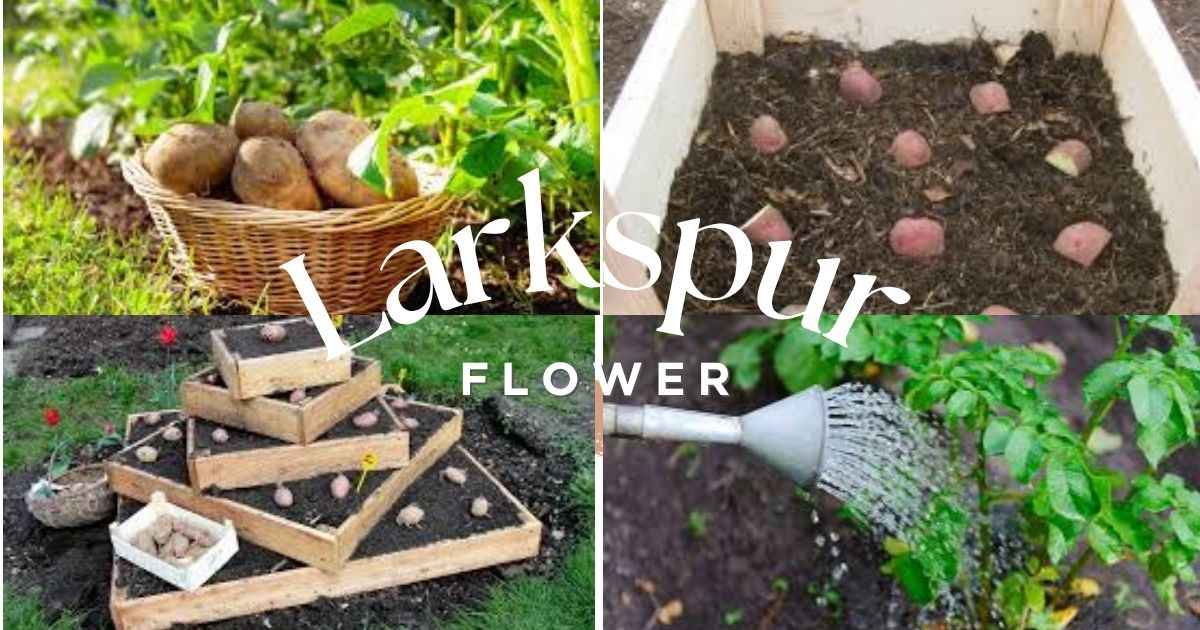
Potatoes are easy to grow, highly productive, and perfect for beginners, which is why potato garden projects are becoming popular among home gardeners across the United States. Potatoes can grow in many different conditions, whether you have a large backyard, a raised bed, or a small patio. With the right set-up, a tiny potato garden can yield a surprisingly large amount of potatoes.
Most grocery store potatoes aren’t as tasty or smooth as homegrown potatoes, nor do they have as wide a variety. Gardeners can grow buttery Yukon Golds, colorful heirloom potatoes, or classic Russets and enjoy the satisfaction of harvesting food straight from their garden.
Learn all you need to know to start and maintain a successful potato garden, from watering and soil preparation to companion planting and creative potato garden ideas for small and big spaces in this comprehensive post.
Why Plant a Potato Garden?
Potatoes are one of the most rewarding vegetables for home gardeners to grow. They’re reliable, versatile, and delicious.
Advantages of Growing Potatoes at Home
A potato garden has a couple of benefits:
- Beginner-friendly growing process
- High production in a small space
- Long shelf life
- Grows in raised beds, in containers, and in garden rows
- Cheap source of food
- Great project for a family garden
Many American climates also lend themselves to growing potatoes, particularly in the cool spring weather.
Selecting the Right Place
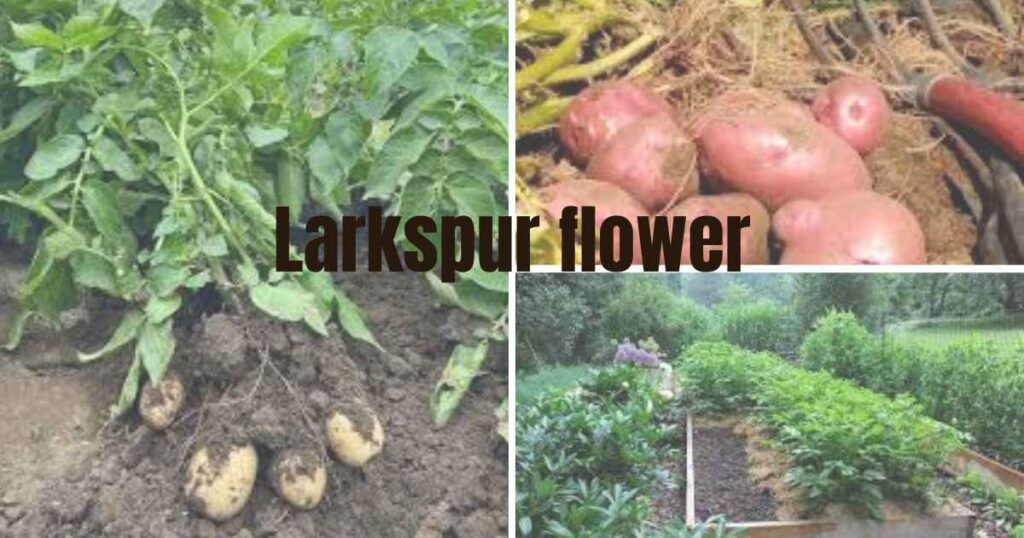
Choosing the right spot to grow is one of the most important parts of creating a healthy potato garden.
Sunlight Needs
Potatoes need:
- 6 to 8 hours of direct sun per day
Excess shade can lower yields and increase disease problems.
Soil Conditions:
Healthy soils should:
- Loose
- Good drainage
- High in organic matter
- Slightly acid
Heavy, compacted soils result in small or misshapen potatoes.
Preparing the Soil for Potatoes
Good soil preparation yields healthier plants and larger harvests.
Best Soil Additive
Before planting, add
- Composting
- Old cow manure
- Leaf mould
- Natural fertilizer
Nitrogen should be used sparingly, as it promotes leafy growth rather than tuber production.
Potato Gardening Ideas for Any Space
One reason potatoes are still so popular is their versatility. If you are a gardener with space limitations, there are plenty of creative potato garden ideas.
Garden Rows Traditional
Classic rows are particularly effective for:
- Large back yards
- Open garden spaces
- Big crops
Raised Beds
Benefits of raised beds include:
- Drainage;
- Soil health
- Access harvesting
Vertical Potato Towers
Potato towers are a way to layer soil to maximize a small space.
Grow Bags & Containers
Containers are particularly useful for:
- Flats
- Patios
- Small yards
You can garden using these methods even if you don’t have much space.
Growing Method for Potato Garden Box
One of the simplest systems for organized potato growing is a potato garden box.
What is a potato box garden?
It is a wooden raised structure filled with loose soil to grow potatoes in layers.
Advantages of a Potato Garden Box
- Improved drainage
- Easier soil handling
- Cleaner plants
- Low weed pressure
- Good for starters
How To Make A Simple Garden Box
A simple box can be made from:
- Unprocessed wood
- Recycling pallets
- Raised bed package
For healthy tuber development, go at least 18 inches deep.
Planting Potatoes
Proper planting helps grow larger and healthier potatoes.
Selecting Seed Potatoes
If possible, use certified seed potatoes because they are:
- Free of cancer
- Safer
- Better for fast growth
Avoid grocery store potatoes, which may contain sprout inhibitors.
Steps to Plant Potatoes
Step 1: Cut Big Potatoes
If the seed potatoes are big:
- chunks cut
- 1-2 eyes a piece
Step 2: Let Pieces Dry
- Drying to reduce rot after planting.
Step 3: Plant in the Soil
Potatoes, put in:
- 4–6 inches deep
- Eyes up
Step 4: Space Right
- Don’t kill the plants.
- Space 10 to 12 inches apart.
- Rows should be spaced about 2 to 2.5 feet apart.
Potato Garden Plants & Companion Growing
Planting the potato garden with companion plants can naturally enhance plant health.
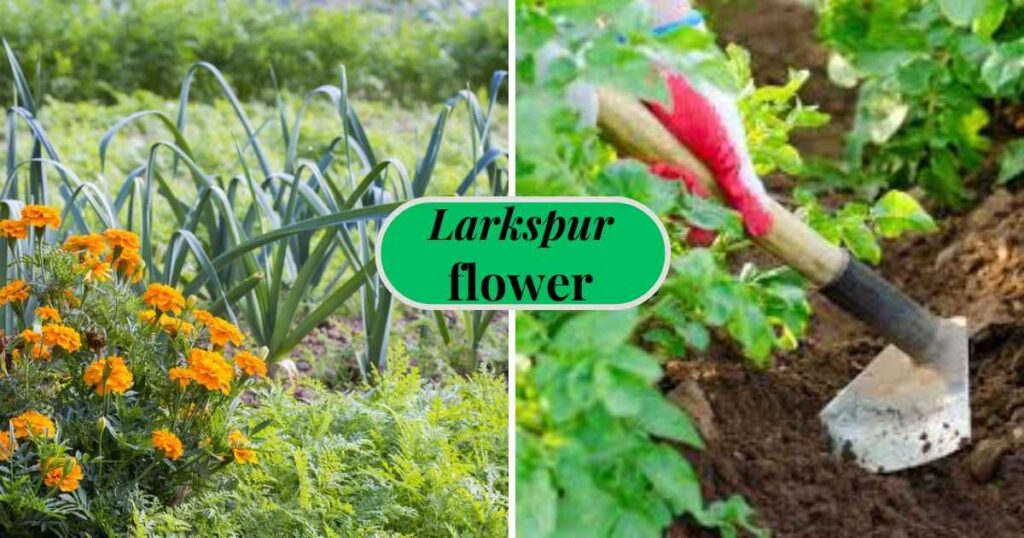
Best Companion Plants
Useful companions include:
- Beans
- Cabbage
- Corn
- Marigold
- Horseradish
These plants will help increase growth or reduce pests.
What to avoid planting near potatoes
Do not plant potatoes near:
- Tomato Paste
- Peppers
- Eggplant
The crops are prone to similar diseases and pests.
Watering and Fertilizing Potatoes
Consistent care maximizes potato production.
How to Water Potatoes
What potatoes want:
- 1-2 inches of water every week
It’s better to water deeply than shallowly and often.
Critical Growth Phases
Extra moisture counts:
- Flowering period
- Underground tubers are formed,
Reduce watering around harvest time.
Fertilizing Potato Plants
Add:
- Composting
- Bonemeal
- Organic low-nitrogen fertilizer
Excess nitrogen can depress potato yields.
Hilling Up Potatoes
Hilling is piling up earth around the growing stems.
The Importance of Hilling
It helps:
- Protect tubers from the sun
- Boost yields
- Cut down weeds
- Promote plant growth
Repeat hilling as the plants grow taller, every few weeks.
How to Grow Potatoes in a Glass of Water
For many gardeners, growing potatoes in water is a fun educational experiment.
Easy Water-Growing Method
- Insert toothpicks into a potato
- Drop the potato into the water
- Partially submerge the bottom
- Set in a bright sunny location
Within a few days, roots and sprouts will begin to form.
Can potatoes grow in water completely?
You can get potatoes to sprout in water, but to grow large tubers, you generally need soil or a hydroponic system with nutrients.
Common Potato Garden Issues
Healthy gardens have their occasional issues, too.
Potato Late Blight
Symptoms include:
- Leaf spot (dark)
- Decaying tubers
Stop blight:
- Certified potato seed use
- More room to breathe
- No overhead watering
Colorado Potato Beetle
These pests can quickly damage leaves.
Control measures:
- Hand-removal
- Neem oil
- Row Coverings
The Potato Harvest
Most of the potatoes are ready:
Signs
- Potatoes are ready 70-120 days after planting
When to harvest potatoes:
- Yellow leaves
- Plants naturally begin to die off
Use a garden fork, but try not to damage the tubers.
Conclusion: Potato Garden
Potatoes are one of the easiest and most rewarding vegetables to grow at home for a fresh food supply. Whether you opt for raised beds, containers, or a potato garden box, potatoes are very adaptable to many gardening styles and spaces. Even a beginner can harvest large quantities of tasty homegrown potatoes if the soil is good and if they water and hill them properly.
With some creative potato garden ideas, almost anyone can grow potatoes successfully, even in smaller spaces. There are endless ways to experiment and improve your gardening skills, from companion planting to growing potatoes in water.
Once you have fresh potatoes from your garden, you might never want to have store-bought potatoes again.
FAQs: Potato Garden
How do I start a potato garden?
Choose a sunny spot in loose, well-draining soil first. Plant certified seed potatoes 4 to 6 inches deep and keep the soil well watered. As the plants grow, heap the soil around them.
How often can a person with diabetes have potatoes?
Many people with diabetes can enjoy potatoes in moderation as part of a healthy, balanced diet. What really matters is the portion size, how you prepare it, and the total carbohydrate intake. Consult a healthcare professional for personalized advice.
