

Introduction
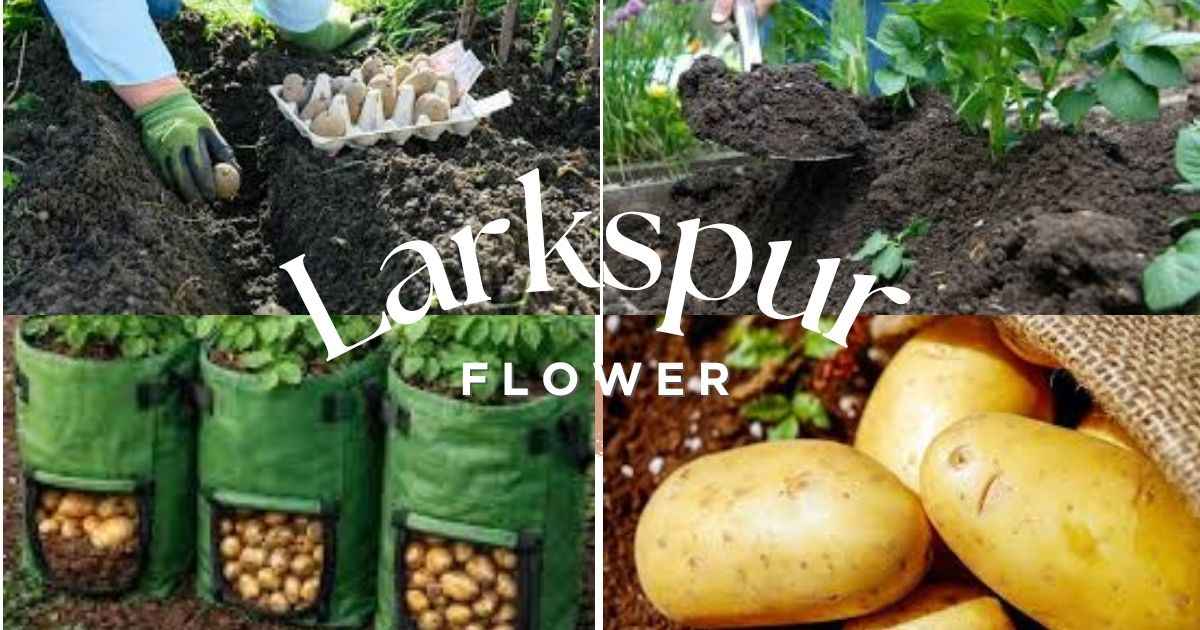
Potatoes are among the most satisfying gardening projects for beginners and seasoned growers alike. Potatoes are remarkably easy to grow and will crop prolifically and happily in any style of garden, from a large backyard to raised beds to even just a few grow bags on a patio. With the right soil, watering, and spacing, you can have a bumper crop of fresh, tasty potatoes right from your garden.
Potatoes are a favorite of many home gardeners because they are versatile in the kitchen and relatively simple to grow in the garden. Potatoes, including creamy Yukon Golds, classic Russets, or colorful heirloom varieties, offer many options for cooking and storage. Understanding the fundamentals of planting potatoes in the ground, in containers, or in bags can help you grow healthier plants and bigger tubers.
Why Potatoes Are Great Home Garden Plants
Growing potatoes well is effortless. They do well in small and large gardens, and they are impressive in yield for the space they take up.
Benefits of Potato Cultivation
Why gardeners love to grow potatoes:
- Beginner-Friendly
- Get big yields
- Do well in containers and bags
- Extended shelf life
- Suitable for a variety of climates
- Perfect for family gardening projects
- Cheap harvest
Potatoes pulled fresh from the field are also tastier and have a better texture than a lot of what you get in the store.
Selecting the Best Seed Potatoes
Healthy seed potatoes make the foundation for a successful harvest. Certified seed potatoes are grown for planting and will help to reduce disease problems.
Don’t get your potatoes from the grocery store; they could
- Carried disease
- Have chemical anti-sprouting agents
- Farm poor-quality plants
If you are planting potatoes for sale, it is especially important to use certified disease-free seed potatoes to produce high-quality crops.
Best time to plant potatoes
Timing can be a huge factor in potato growth and yield.
Northern States
Plant potatoes:
- Spring, early 2 to 4 weeks before the last frost
Southern States
Plant:
- Late winter or very early spring
- Potatoes grow best when soil temperatures are between 45° F and 75° F.
Getting the Soil Ready for Planting
Potatoes grow underground, and they need loose, rich soil to do so.
Best Soil Conditions
Potatoes like:
Drainage:
- Well-drained soil
- pH moderately acidic
- A lot of organic matter
Heavy, compacted soil will yield small or misshapen tubers.
Soil Amendments
Mix in before planting:
- Composting
- Old manure
- Leafmold
- Fertilizer organic
Avoid excessive use of nitrogen fertilizers; they promote leafy growth rather than tuber production.
How Deep to Plant Potatoes
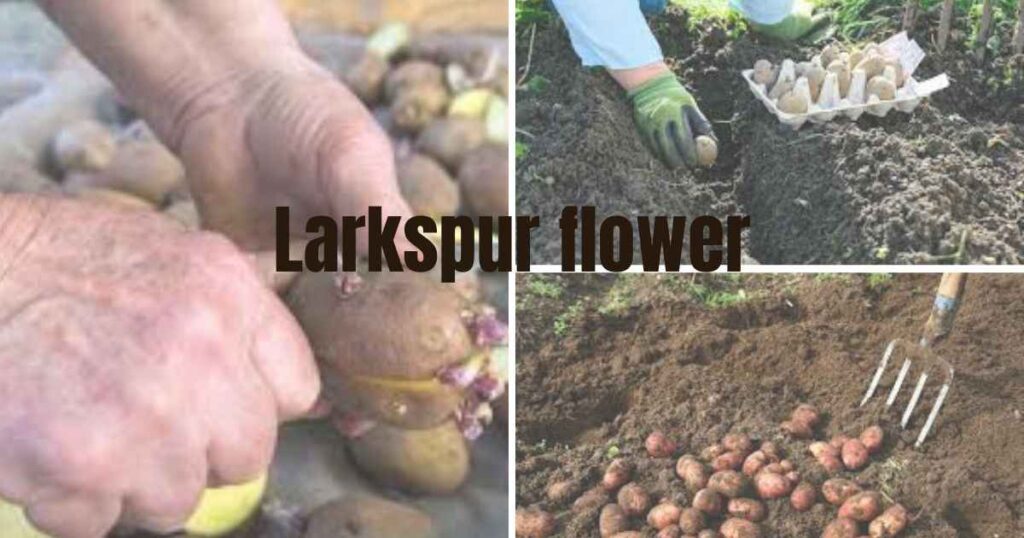
“How deep to plant potatoes for the best results?” is one of the most frequently asked questions by beginners.
Recommended depth for planting
- Planting seed potatoes at a depth of 4-6 inches
This depth will protect developing tubers and encourage healthy root growth.
Seed potato preparation
If the potatoes are large:
- Cut them into smaller pieces
- Make sure to have at least one or two eyes on each piece
Let the pieces dry for a day before planting to lower the risk of rot.
Potato Planting Spacing Tips
Proper spacing when planting potatoes promotes better airflow, reduces disease, and increases yield.
Spacing Suggestions
Potatoes in Space:
- Planting should be done 10 to 12 inches apart in the row
- The rows should be 2 to 3 feet apart
Proper spacing allows tubers to expand underground without crowding.
Planting Potatoes in the Earth
The traditional rows of a garden are still among the most reliable methods.
Step-by-Step Process
Step 1: Dig The Ditches
Dig trenches:
- Depth: 4 to 6 inches
- Long enough for your row to plant
Step 2: Add the seed potatoes
Plant seed potatoes:
- Eyes looking upwards
- Equally spaced
Step 3: Fill With Soil
- Cover the area lightly with loose soil and then water it gently.
Step 4: Hilling the plants
As plants develop:
- Mound more soil around stems
- Every few weeks repeat
That keeps potatoes covered from the sunlight and protected.
It is particularly good to plant potatoes in the ground if you have a large garden with loose, fertile soil.
Planting Potatoes in Pots
Potatoes in bags are a fantastic way to grow potatoes for those with limited space.
Why Planting Potatoes in Containers
Grow bags:
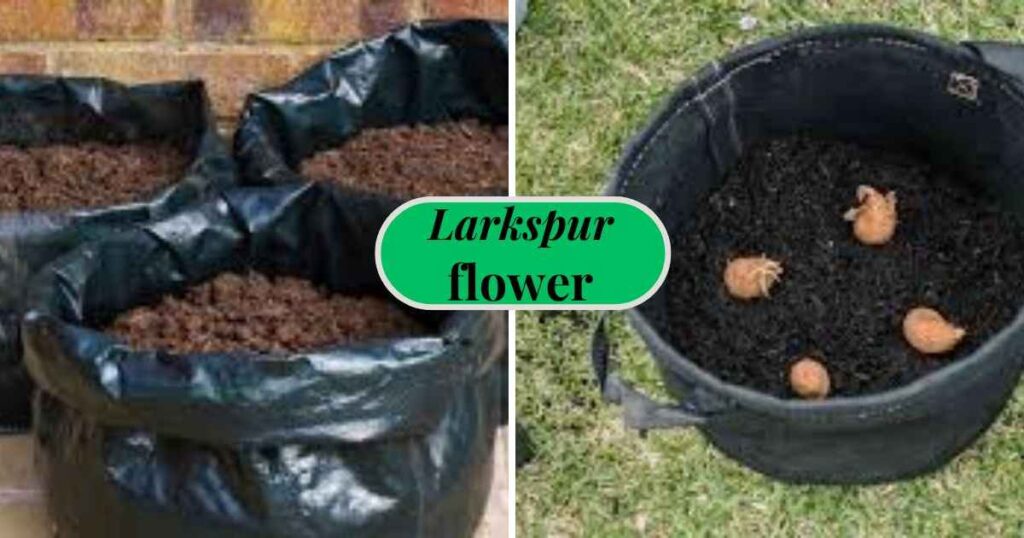
- Grow bags are filled with soil and used to grow plants.
- Save room
- Improved drainage
- Make harvesting easier
- Cut Soil Diseases
Best Size Bag
Choose bags that:
- 15-20 gals.
- At least 18 inches deep.
Growing Potatoes in Containers
- Add 2 inches of potting soil
- Top with seed potatoes.
- Cover with soil
- As the plants grow, keep adding soil
This technique simulates normal hilling and maximizes vertical space.
How To Grow Potatoes From Potatoes
Many gardeners try to grow potatoes from those that are sprouting in the kitchen.
Can it work?
Yes, healthy sprouted potatoes can successfully grow without treatment.
Tips for Best Result
- Use organic potatoes if you can
- Choose firm potatoes with strong sprouts
- Don’t use soft, diseased potatoes.
Certified seed potatoes are recommended, but this variety works well for home gardening projects.
Planting Potatoes: Watering and Fertilizing
Potatoes require a continuous supply of moisture to grow well.
Watering Advice
Supply:
- 1 to 2 inches of water per week
- It’s better to water deeply than to water shallowly very often.
Important Growth Phases
Potatoes require extra moisture:
- During the flowering
- As they form tubers
Cut back on watering as harvest approaches to avoid rot.
Common Errors Made While Planting Potatoes
If you don’t do the basics, even simple crops can face problems.
Waterlogging
Causes of Excess Water:
- Rot
- Fungal Disease
- Poor tuber formation
Bad Spacing
- Dense stands impede air flow and promote disease.
Hill skipping
- Potatoes can turn green and bitter if exposed to sunlight.
Too Early to Plant
- Seed potatoes rot in cold, wet soil before they sprout.
Potato Harvest
Potatoes are usually ready:
- 70 to 120 days after planting,
- Variety-dependent
Signs they are ready
When to harvest mature potatoes:
- Leaves turn yellow
- Plants start to die back naturally
Gently loosen soil with a garden fork, taking care not to damage tubers.
Conclusion: Planting Potatoes
Planting potatoes is one of the most rewarding gardening projects for both beginner and experienced gardeners. You can plant potatoes in bags, plant potatoes in the ground, or plant potatoes from potatoes already sprouting at home. It’s a simple and rewarding process.
Proper spacing when planting potatoes, healthy soil, and regular watering can all help ensure a bountiful harvest of fresh homegrown potatoes throughout the season. Potatoes are a reliable crop for the American home garden because they can adapt to many different gardening styles and spaces.
When you grow your own flavorful potatoes, you may never look at store-bought potatoes the same way again.
FAQs: Planting Potatoes
What is the correct way to plant potatoes?
The right way is to plant seed potatoes 4-6 inches deep, with the eyes up. Space well, water regularly, and hill up soil around the plants as they grow.
What are common potato-growing mistakes?
Some common mistakes are overwatering, not having enough space, planting in compacted soil, not hilling, and using unhealthy seed potatoes.
What month should I plant potatoes?
In the United States, most potato planting occurs between March and May. The warmer southern areas are often planted earlier than the northern states.
What do coffee grounds do for potatoes?
Coffee grounds can improve soil structure. They may also slightly increase soil acidity, which potatoes generally prefer. However, use them in moderation.
